Ankle Pain Physiotherapy for Better Mobility and Recovery
Movement is a fundamental part of daily life. From walking and exercising to performing routine activities, healthy joints and muscles…
Ankle Pain Physiotherapy for Better Mobility and Recovery
Movement is a fundamental part of daily life. From walking and exercising to performing routine activities, healthy joints and muscles allow individuals to remain active and independent. When pain develops, however, even simple movements can become challenging and frustrating. Physical discomfort often affects not only mobility but also confidence, productivity, and overall quality of life.
Modern lifestyles place increasing demands on the body. Whether caused by repetitive activities, sports participation, workplace habits, or age-related changes, musculoskeletal conditions have become increasingly common. Without proper attention, minor discomfort can gradually progress into persistent issues that limit daily function and reduce physical performance.

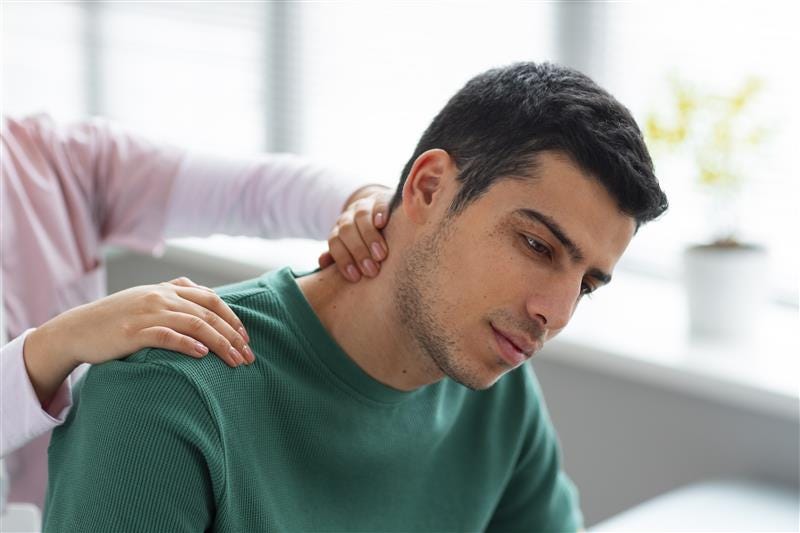
Many individuals seek **ankle pain physiotherapy Singapore** when discomfort begins affecting balance, walking ability, and participation in daily activities. Through personalized rehabilitation programs and evidence-based treatment techniques, physiotherapy helps restore mobility, improve strength, and support long-term recovery.
Understanding How Physical Limitations Affect Daily Life
The body functions as a connected system, meaning discomfort in one area often influences movement elsewhere. An ankle problem, for example, may alter walking patterns and place additional strain on the knees, hips, or lower back. Over time, these compensations can create new challenges that affect overall physical health.
Pain can also influence emotional well-being. Individuals experiencing mobility limitations may reduce physical activity, avoid social engagements, or become hesitant to participate in activities they once enjoyed. This highlights the importance of addressing physical issues before they progress further.
A comprehensive rehabilitation approach focuses on understanding both the symptoms and their underlying causes. By identifying movement dysfunctions and contributing factors, healthcare professionals can develop more effective treatment strategies.
Common Causes of Musculoskeletal Discomfort
Repetitive Movement Stress
Repeated physical activities performed over time can contribute to irritation of muscles, tendons, and joints.
Sports and Recreational Injuries
Active individuals often place significant demands on their bodies, increasing the risk of overuse conditions and acute injuries.
Postural Challenges
Poor posture and prolonged sitting can create muscular imbalances that affect overall movement efficiency.
Age-Related Physical Changes
Natural changes in joint mobility and muscle strength may contribute to discomfort and functional limitations.
Understanding these factors helps guide rehabilitation efforts and supports more sustainable recovery outcomes.
The Importance of Personalized Rehabilitation
No two individuals experience pain in exactly the same way. Effective rehabilitation begins with a detailed assessment that evaluates movement patterns, strength, flexibility, and functional limitations.
Personalized treatment plans allow healthcare professionals to target the specific needs of each individual. Rather than applying a generalized approach, rehabilitation strategies are designed to address unique challenges and recovery goals.
This individualized focus often leads to more meaningful improvements and greater long-term success.
Expanding Access to Rehabilitation Care
Access to professional care plays a significant role in recovery. For some individuals, traveling to a clinic may be difficult due to mobility limitations, transportation challenges, or ongoing health concerns.
Many patients benefit from a **home based physiotherapy service** that brings professional rehabilitation directly to their living environment. This approach allows treatment plans to be tailored to real-world movement challenges while providing greater convenience and accessibility.
Comfort and Familiarity
Receiving treatment in a familiar environment can help individuals feel more relaxed and engaged throughout the rehabilitation process.
Functional Assessment
Healthcare professionals can evaluate how patients move within their daily surroundings and provide practical recommendations.
Improved Accessibility
Home-based care helps ensure that rehabilitation remains available to individuals with mobility or transportation limitations.
Personalized Support
Treatment can be adapted to address specific daily activities and environmental factors that influence recovery.
These benefits make rehabilitation more accessible while supporting meaningful progress.
Building Long-Term Physical Resilience
Strength Development
Strong muscles help support joints, improve stability, and reduce the likelihood of future injuries.
Flexibility Enhancement
Maintaining healthy flexibility supports better movement quality and overall comfort.
Balance Training
Improved balance contributes to safer movement and greater confidence during daily activities.
Movement Re-Education
Correcting inefficient movement patterns helps reduce unnecessary stress on the body and promotes long-term wellness.
Together, these rehabilitation components help individuals achieve sustainable improvements in physical function.
The Role of Education in Recovery Success
Patient education is a critical aspect of modern physiotherapy. Understanding how the body moves and responds to physical demands empowers individuals to take an active role in their recovery.
Learning proper movement mechanics, posture awareness, and preventive strategies helps reduce the risk of recurring problems. Individuals who understand the reasons behind their treatment plans are often more motivated and committed to achieving positive outcomes.
Education also encourages long-term independence by providing practical tools that support ongoing physical health.
Creating a Healthier and More Active Future
Maintaining physical health requires a proactive approach that combines professional support, consistent effort, and preventive care. Whether recovering from an injury, managing chronic discomfort, or improving mobility, rehabilitation provides valuable tools that help individuals remain active and independent.
The future of rehabilitation continues to evolve with a growing emphasis on holistic care, functional movement, and patient empowerment. These principles support not only recovery but also long-term physical resilience and improved quality of life.
As awareness of movement health continues to increase, more individuals recognize the value of professional rehabilitation in supporting lifelong wellness. Through comprehensive assessment, personalized treatment plans, patient education, and effective **shoulder pain physiotherapy**, individuals can restore mobility, improve physical function, reduce discomfort, and build a stronger foundation for sustained health, confidence, and active living.
메타데이터
- post_id
- 324caac1ba67
- slug
- ankle-pain-physiotherapy-for-better-mobility-and-recovery-324caac1ba67
- url
- https://medium.com/@physioasia07/ankle-pain-physiotherapy-for-better-mobility-and-recovery-324caac1ba67
- canonical_url
- https://medium.com/@physioasia07/ankle-pain-physiotherapy-for-better-mobility-and-recovery-324caac1ba67
- author_url
- https://medium.com/@physioasia07
- status
- ok
- fetched_at
- 2026-08-24 10:10:02