🚀 This One SEO Trick Beats 100 Backlinks 😳
Imagine building 100 backlinks like stacking bricks… slow, heavy, and exhausting. Now imagine flipping a single switch that makes Google…
🚀 This One SEO Trick Beats 100 Backlinks 😳
Imagine building 100 backlinks like stacking bricks… slow, heavy, and exhausting. Now imagine flipping a single switch that makes Google want to rank you no begging, no chasing links.
That “switch” is **Search Intent Optimization** and right now, it’s quietly outperforming traditional backlink strategies.
Let’s unpack why this works, how to use it, and how you can outrank competitors who are still stuck in 2015 SEO tactics.
🧠 What Is This “One SEO Trick”?
The trick is simple (but powerful):
👉 Match your content EXACTLY with what the user wants not just what they search.
Most people optimize for keywords. Smart SEOs optimize for **intent behind the keyword**.

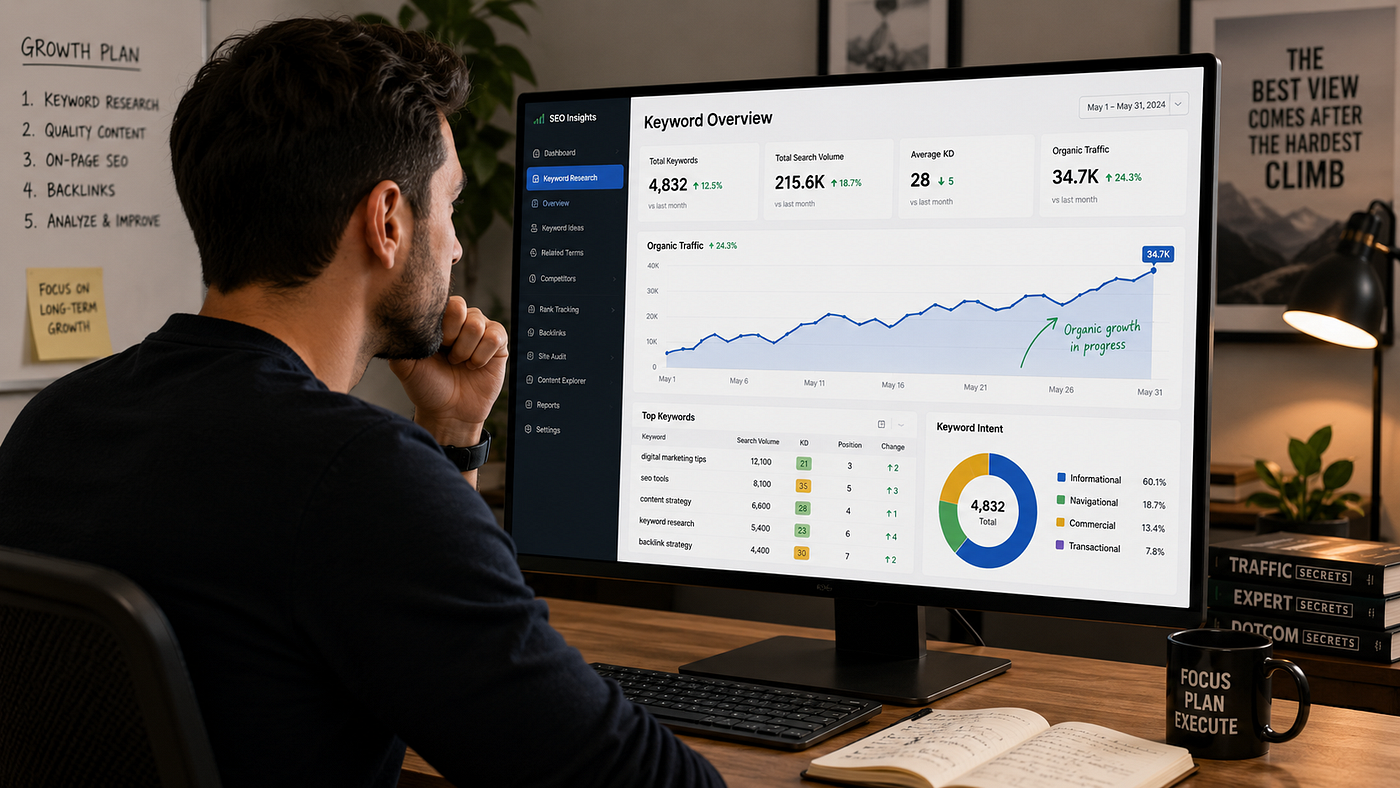
Understanding search intent types is the foundation of modern SEO, helping content match exactly what users are looking for.
🎯 Types of Search Intent
Intent TypeWhat User WantsExample SearchInformationalLearn something”What is SEO?”NavigationalFind a specific site”Ahrefs login”TransactionalBuy or take action”Buy SEO tools”CommercialCompare before buying”Best SEO tools 2026"
💡 If your content mismatches intent, even 1000 backlinks won’t save it.
⚡ Why This Beats 100 Backlinks
Let’s be brutally honest…
Backlinks are still important — but they are no longer the king. 👑 Google’s AI now understands:
- User behavior
- Content satisfaction
- Engagement signals
🔥 Here’s what happens:
- User clicks your page
- Finds EXACT answer
- Stays longer
- Doesn’t bounce
- Doesn’t go back to Google
👉 Google thinks: “This page is perfect.”
Boom. Rankings rise.
📊 Backlinks vs Search Intent Optimization
FactorBacklinks StrategySearch Intent StrategyTime to ResultsSlowFastCostHighLowRiskPenalty riskSafeSustainabilityMediumHighGoogle PreferenceDecreasingIncreasing
🧩 How to Apply This Trick (Step-by-Step)
1. 🔍 Decode Real Intent (Not Just Keywords)
Search your keyword on Google and analyze:
- Top 5 results
- Content format (blog, list, video)
- Depth of information
👉 Example: If top results are listicles, don’t write a plain article.
2. 🧠 Create Content That “Completes the Journey”
Ask yourself:
- What question comes next?
- What problem is hidden behind this search?
👉 Your goal: Answer before the user even asks.
3. 🧱 Use Content Clusters (Topical Authority)
Instead of one article, build a content ecosystem.
Example Cluster:
- Main Topic: SEO Strategy
- Supporting Topics:
- Keyword Research
- On-Page SEO
- Technical SEO
- AI SEO Trends
👉 Google sees you as an expert, not just a writer.
4. 📏 Go Deep, Not Wide
Forget 500-word fluff.
Create:
- Detailed guides
- Case studies
- Step-by-step processes
👉 Depth = trust = rankings

Search intent optimization often outperforms traditional backlink strategies by focusing on user satisfaction and content relevance.
5. ⚡ Optimize for Engagement Signals
- Add visuals
- Use short paragraphs
- Include tables & lists
- Write conversationally
👉 Make content easy to consume.
📋 Checklist for Winning Content
- ✅ Matches search intent
- ✅ Covers topic completely
- ✅ Structured with headings
- ✅ Includes examples
- ✅ Keeps user engaged
- ✅ Answers related questions
🧠 Real Example (Quick Case Study)
Keyword: “Best SEO tools”
❌ Old Approach:
- Write 800 words
- Add affiliate links
- Build backlinks
✅ New Winning Approach:
- Compare tools in-depth
- Add pros/cons table
- Include real use cases
- Update regularly
👉 Result: Higher rankings with fewer backlinks.
🚨 Common Mistakes to Avoid
- ❌ Writing for Google, not users
- ❌ Ignoring search intent
- ❌ Thin content
- ❌ Overstuffing keywords
- ❌ Copying competitors
💡 Pro Tip (Game-Changer)
Instead of asking:
👉 “How many backlinks do I need?”
Ask:
👉 “Is my content the BEST answer on the internet?”
If yes — backlinks become optional.
🧾 Conclusion
SEO has evolved.
Backlinks are no longer the hero of the story… They’re just supporting characters.
The real hero?
👉 Search Intent Optimization
Master this, and you won’t chase rankings Rankings will chase you.
❓ FAQs (Detailed)
1. What is search intent in SEO?
Search intent refers to the purpose behind a user’s query. It determines whether the user wants to learn, buy, compare, or find something specific. Google prioritizes content that best satisfies this intent rather than just matching keywords.
2. Can search intent really replace backlinks?
Not completely — but it can reduce dependency on backlinks significantly. If your content perfectly matches intent and delivers value, it can rank higher even with fewer backlinks.
3. How do I identify search intent correctly?
Analyze top-ranking pages on Google:
- Content type (blog, video, product page)
- Content format (list, guide, review)
- Depth and structure
This reveals what Google prefers for that query.
4. What is topical authority and why is it important?
Topical authority means covering a subject in depth through multiple related articles. It helps Google trust your site as an expert source, improving rankings across multiple keywords.
5. How long should my content be for SEO?
There’s no fixed length, but your content should fully satisfy the user’s query. Longer content often performs better because it provides depth, but only if it remains useful and engaging.
메타데이터
- post_id
- 326ecb7115ff
- slug
- this-one-seo-trick-beats-100-backlinks-326ecb7115ff
- url
- https://medium.com/@bhatiharsh4123/this-one-seo-trick-beats-100-backlinks-326ecb7115ff
- canonical_url
- https://medium.com/@bhatiharsh4123/this-one-seo-trick-beats-100-backlinks-326ecb7115ff
- author_url
- https://medium.com/@bhatiharsh4123
- status
- ok
- fetched_at
- 2026-06-23 17:05:31