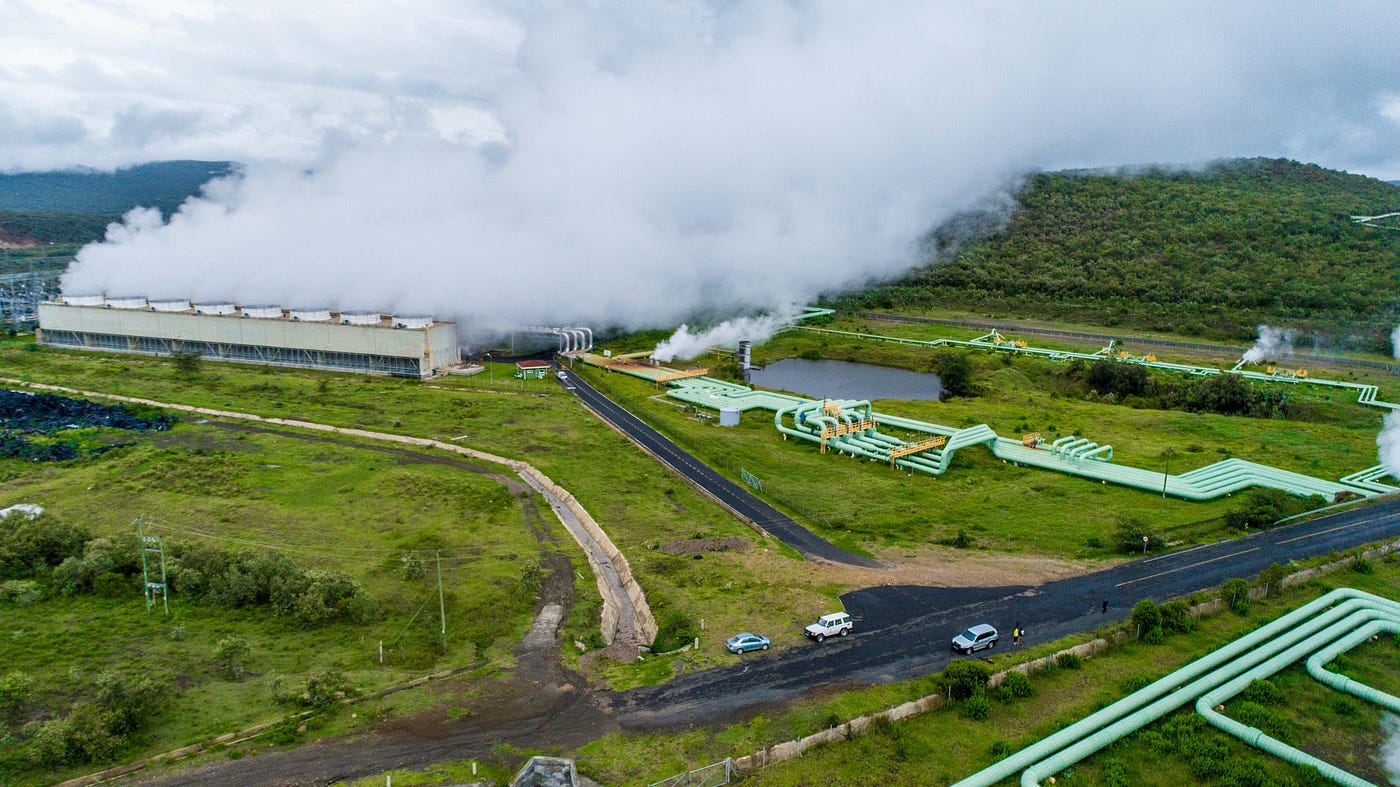
How Microalgae Carbon Capture Could Transform the Future of Urban Air Pollution
The Climate-Tech Innovation That Could Help Cities Breathe Again
How Microalgae Carbon Capture Could Transform the Future of Urban Air Pollution
The Climate-Tech Innovation That Could Help Cities Breathe Again
Urban air pollution is becoming one of the most dangerous environmental challenges of the 21st century.
From traffic emissions and industrial smoke to rising CO₂ levels, modern cities are struggling to maintain clean air and sustainable infrastructure. As governments and corporations race toward net-zero carbon goals, the world urgently needs scalable and energy-efficient carbon capture technology.
But what if the solution wasn’t hidden inside massive industrial machines?
What if the answer was alive?
Microalgae carbon capture is rapidly emerging as one of the most promising climate-tech innovations for urban air purification, biological carbon capture, and smart city sustainability.
These microscopic organisms can naturally absorb carbon dioxide, release oxygen, and support cleaner, healthier urban environments — making them a powerful tool in the fight against climate change.
What Is Microalgae Carbon Capture?
Microalgae carbon capture is a biological process where microalgae absorb carbon dioxide (CO₂) from the atmosphere through photosynthesis.
Like plants, algae convert CO₂ into oxygen and biomass. However, many algae species capture carbon significantly faster than trees, making them highly efficient for direct air capture and urban carbon removal systems.
This emerging carbon capture technology is gaining attention across:
- Climate-tech startups
- ESG sustainability initiatives
- Smart city infrastructure
- Green architecture
- Net-zero urban development
Why Cities Need Better Urban Air Pollution Solutions
Today’s cities generate over 70% of global carbon emissions.
Transportation, industrial manufacturing, energy systems, and dense urban infrastructure contribute heavily to:
- CO₂ emissions
- Nitrogen oxides (NOx)
- Fine particulate pollution
- Heat island effects
- Poor urban air quality
Traditional direct air capture systems often require:
- High energy consumption
- Expensive infrastructure
- Complex industrial deployment
Microalgae-based carbon capture offers a more sustainable and nature-driven alternative.
How Microalgae Remove CO₂ From Urban Air
Microalgae use sunlight and photosynthesis to absorb atmospheric carbon dioxide.
The Process Works in Four Steps
1. Polluted Air Enters the System
Urban air containing CO₂ passes through algae cultivation systems or photobioreactors.
2. Algae Absorb Carbon
Microalgae consume carbon dioxide as part of their natural biological process.
3. Clean Oxygen Is Released
The system returns cleaner oxygen-rich air back into the environment.
4. Biomass Is Created
The resulting algae biomass can be repurposed into:
- Biofuels
- Sustainable materials
- Fertilizers
- Carbon-negative products
This creates a circular climate-tech ecosystem with both environmental and economic value.
What Is Photobioreactor Technology?
Photobioreactors are advanced systems designed to optimize algae growth and maximize carbon capture efficiency.
These systems regulate:
- Light exposure
- Temperature
- Nutrient supply
- Water flow
- CO₂ concentration
Modern photobioreactor technology allows microalgae carbon capture systems to integrate into:
- Smart buildings
- Green infrastructure
- Transportation hubs
- Industrial facilities
- Sustainable urban projects
This makes algae air purification scalable for future smart cities.
Why Climate-Tech Investors Are Watching Microalgae
The global carbon capture market is growing rapidly as governments and businesses push toward decarbonization and ESG compliance.
Microalgae carbon capture is attracting climate-tech investment because it combines:
- Carbon removal
- Urban sustainability
- Renewable biological systems
- Smart infrastructure integration
- Carbon credit potential
As climate regulations tighten globally, biological carbon capture technologies may become essential components of net-zero infrastructure.
Benefits of Algae-Based Carbon Capture
Cleaner Urban Air
Microalgae help reduce harmful emissions and improve air quality.
Faster Carbon Absorption
Certain algae species absorb CO₂ faster than traditional plants.
Sustainable Carbon Removal
Biological carbon capture relies on renewable natural processes.
Supports Net-Zero Goals
Cities and corporations can reduce emissions more effectively.
Carbon Credit Opportunities
Algae carbon capture projects may generate revenue through carbon markets.
Smart City Integration
Photobioreactors can become part of future green urban infrastructure.
The Future of Smart City Sustainability
Future cities must become more resilient, sustainable, and climate-adaptive.
Microalgae carbon capture could help power:
- Net-zero buildings
- Sustainable transportation hubs
- Urban air purification systems
- Carbon-negative infrastructure
- Climate-resilient smart cities
Instead of simply reducing pollution, future urban environments may actively remove carbon from the atmosphere.
Final Thoughts
Microalgae carbon capture is no longer just experimental science.
It is becoming a real-world climate-tech solution capable of transforming urban air pollution management and accelerating the transition toward net-zero cities.
As innovation in photobioreactor technology, biological carbon capture, and smart urban infrastructure continues to evolve, algae-based systems could become a major pillar of sustainable development worldwide.
The future of cities may not only be smart.
They may finally learn how to breathe again.
메타데이터
- post_id
- 327bb2aa2baa
- slug
- how-microalgae-carbon-capture-could-transform-the-future-of-urban-air-pollution-327bb2aa2baa
- url
- https://medium.com/@carbelim/how-microalgae-carbon-capture-could-transform-the-future-of-urban-air-pollution-327bb2aa2baa
- canonical_url
- https://medium.com/@carbelim/how-microalgae-carbon-capture-could-transform-the-future-of-urban-air-pollution-327bb2aa2baa
- author_url
- https://medium.com/@carbelim
- status
- ok
- fetched_at
- 2026-06-17 14:06:56