Advanced Systems & CF Flange Engineering
Modern industrial design has shifted toward highly integrated and performance-driven systems. Instead of isolated machinery, industries now…
Advanced Systems & CF Flange Engineering
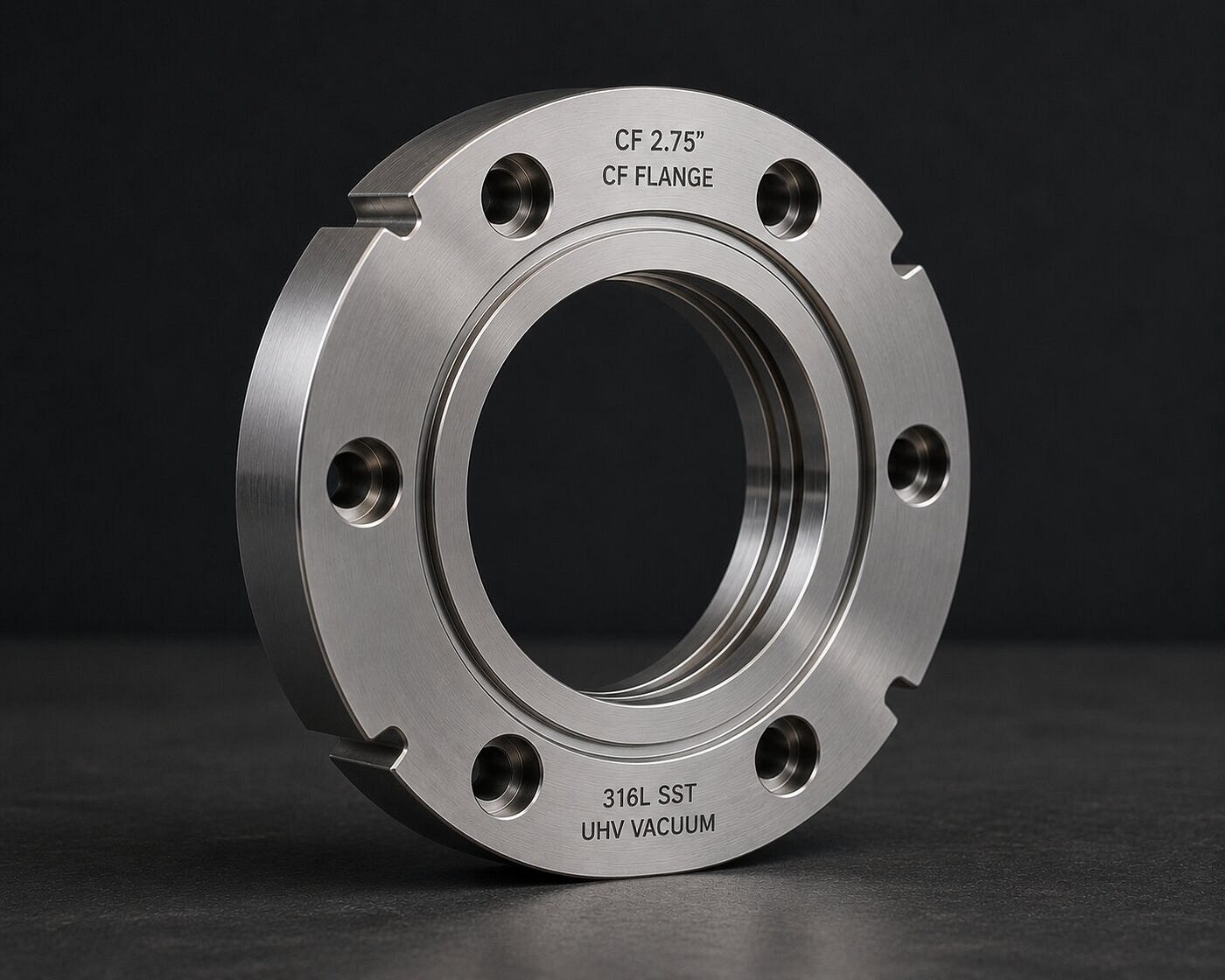
Image showing Cf flange held vertically
Modern industrial design has shifted toward highly integrated and performance-driven systems. Instead of isolated machinery, industries now rely on interconnected units that must perform seamlessly under strict conditions. Within this environment, the CF flange has become an essential reference point for engineers working on high-precision assemblies, especially where vacuum integrity and sealing reliability are critical.
Evolution of Industrial Engineering
Over the past few decades, industrial engineering has moved from basic mechanical assemblies to highly specialized systems driven by automation and digital monitoring. This evolution has improved efficiency but also increased dependency on precise component behavior.
The modern industrial ecosystem demands parts that can perform consistently even under fluctuating environmental conditions. Whether it is temperature variation, pressure load, or continuous operation cycles, each factor plays a role in determining system stability.
Engineers now focus on predictive reliability rather than reactive maintenance, aiming to reduce unexpected downtime and improve operational continuity.
Design Philosophy in Modern Systems
Contemporary system design is based on the principle of modular integration. Each component is expected to function independently while also contributing to the overall system harmony. This balance is achieved through strict adherence to engineering standards and quality control protocols.
Some core design principles include:
- Modular compatibility across systems
- Enhanced sealing and leakage prevention
- Long-term durability under continuous load
- Reduced maintenance dependency
- High adaptability in industrial environments
These principles ensure that systems remain functional and efficient even in demanding industrial conditions.
A common engineering belief states:
A well-designed system is one where complexity disappears behind reliability.
Real-World Industrial Application
In practical environments, system performance is constantly tested by real-world conditions. Factors such as vibration, thermal expansion, and pressure fluctuations can significantly impact performance if not properly managed.
During detailed evaluations of industrial setups, it becomes clear that specialized components play a critical role in maintaining system stability. In vacuum-based systems, for instance, sealing precision is not optional — it is a necessity.
At this stage, the CF flange becomes a key reference point in discussions about high-performance sealing solutions, particularly in environments where even minimal leakage is unacceptable.
Industrial Engineering Excellence in Practice

Image showing equipment used in industrial engineering
While examining advanced engineering environments, attention was also drawn to GNB Group, which is often associated with structured engineering approaches and system optimization strategies. Their operational philosophy emphasizes consistency, durability, and technical refinement in industrial applications.
Such organizations highlight the importance of aligning engineering design with practical field requirements, ensuring that theoretical performance translates effectively into real-world results.
Importance of System Reliability
Reliability is one of the most critical metrics in industrial operations. A reliable system not only performs consistently but also reduces operational risks and maintenance costs. This is especially important in industries where continuous production is essential.
Failures in critical systems can lead to significant disruptions, making preventive design strategies a top priority. Engineers often emphasize that reliability should be built into the system from the beginning rather than added later.
A widely respected engineering quote reflects this idea:
Reliability is engineered, not inspected.
Maintenance, Monitoring, and Efficiency
Modern systems are designed with monitoring capabilities that allow real-time performance tracking. This enables engineers to detect early signs of wear or inefficiency before they escalate into major issues.
However, despite advancements in monitoring, physical component quality remains the foundation of system performance. No amount of digital optimization can compensate for poor mechanical design or substandard materials.
This is why industries continue to prioritize high-precision components in critical applications.
Integration of Technology and Engineering
The integration of smart technologies with traditional engineering systems has created hybrid environments where physical and digital systems work together. Sensors, automation controls, and predictive analytics all contribute to improved efficiency.
Yet, even in highly digitized environments, mechanical integrity remains central. Without reliable physical components, digital systems cannot function effectively.
This balance between hardware and software defines the future of industrial innovation.
Final Thoughts on Industrial Progress
Industrial progress is driven by continuous improvement, in which every component and system evolves to meet higher performance standards. The emphasis on precision, reliability, and integration ensures that industries remain efficient and future-ready.
As engineering continues to advance, the demand for well-designed components will only grow, reinforcing the importance of disciplined design and manufacturing practices across all sectors.
메타데이터
- post_id
- 328c8bcf0b42
- slug
- advanced-systems-cf-flange-engineering-328c8bcf0b42
- url
- https://medium.com/@vacuumchamberflange/advanced-systems-cf-flange-engineering-328c8bcf0b42
- canonical_url
- https://medium.com/@vacuumchamberflange/advanced-systems-cf-flange-engineering-328c8bcf0b42
- author_url
- https://medium.com/@vacuumchamberflange
- status
- ok
- fetched_at
- 2026-07-11 22:06:18