Emotional Control in Public Writing
Emotional Control in Public Writing
Emotional Control in Public Writing
Emotional Control in Public Writing
The hardest lesson I learned as a writer is this:
Even if you are profoundly affected by something…
doesn? T mean you should say it. Immediately.
Initially I believed emotional writing equated to raw honesty.
I thought if I wrote about something, the more agitated I was going to be and that would make my writing feel even gritty.
Which meant on some occasions, I did write angry.
Sometimes while hurt.
Sometimes while disappointed.
The answer is — yes, those words were emotional.
But not always wise.
As time went by, I discovered an important fact:
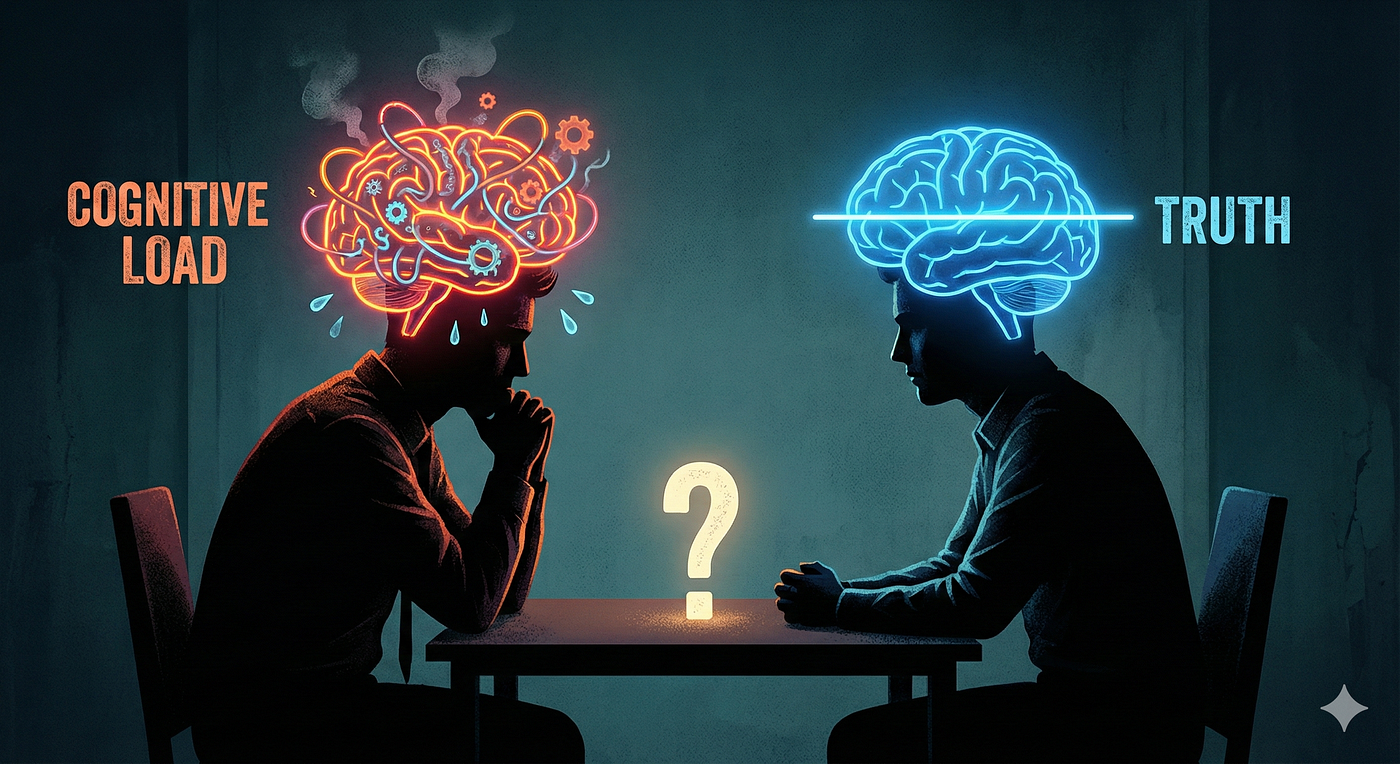
Emotional expression is not the same as emotional control
And public writing without a tight control of your emotions can do its work in silence:
Your reputation
Your clarity
Your relationships
Your peace of mind
That lesson completely changed my writing.
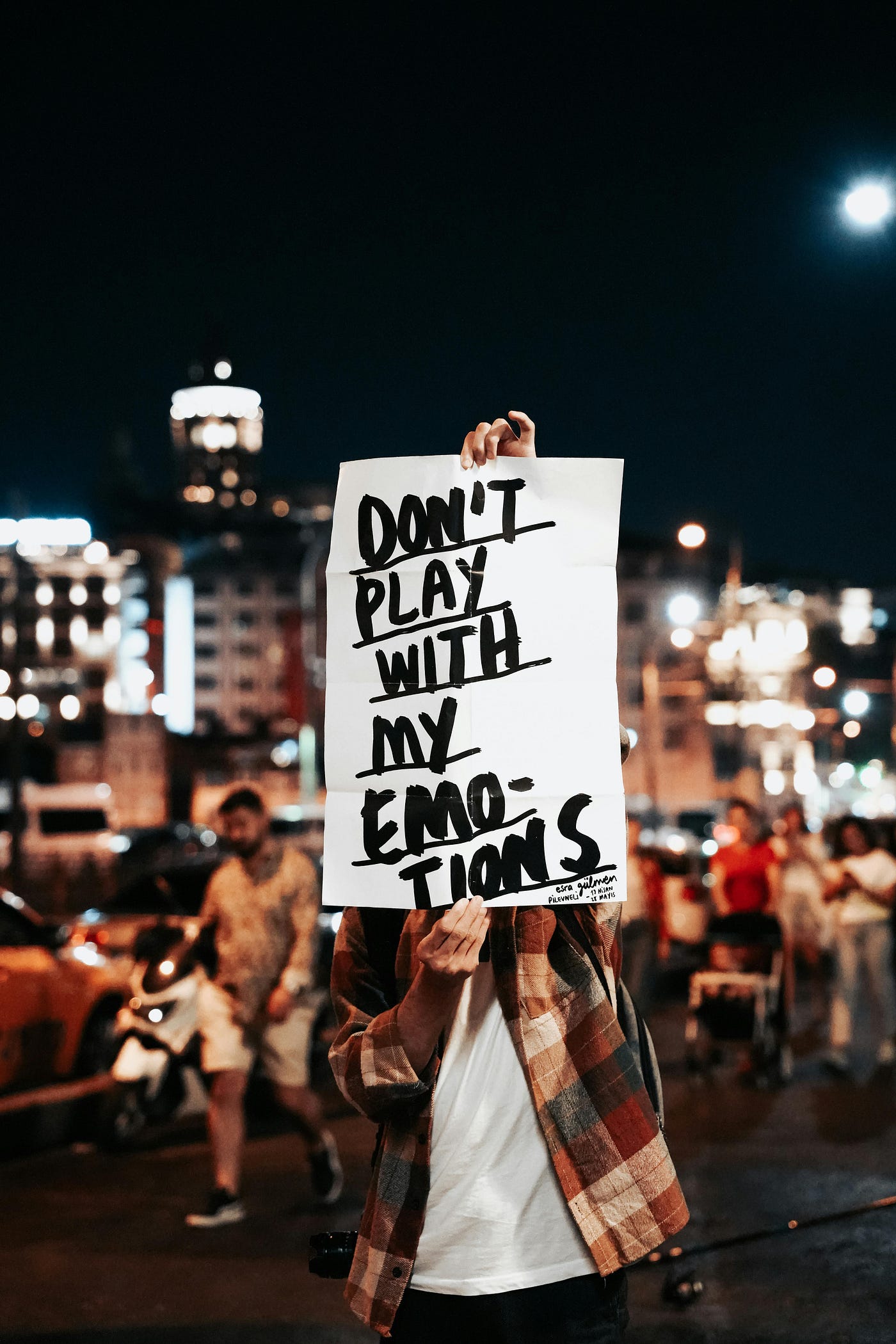
Public Writing Is Emotional Exposure
As soon as you put something online, parts of your inner world are out for everybody to see.
Your thoughts.
Your perspective.
Your emotional state.
Some people do not know your entire story.
But they can sense your energy through the words.
And that’s powerful.
And it’s that because writing isn’t just about information.
It’s emotional transfer.
My Writing Used to Have an Emotional Approach
If something bothered me, I wanted to say so right away.
Not because I wanted attention.
Because writing felt like release.
And honestly, sometimes it helped.
But I often reread my words and thought to myself:
“I was reacting, not thinking.”
That difference matters.
As fleeting emotions can lead to lasting content.
And permanent content has consequences.
Strong Emotion Creates Weak Clarity
I found this hard to accept.
When emotions become intense:
Thinking narrows
Perspective shrinks
Impulse increases
You stop communicating clearly.
Instead, you start emotionally projecting.
And emotional projection often creates:
Misunderstanding
Regret
Conflict
Confusion
The words may be empowering at the time.
But when they reach later, often confused.
A cold heart is that which refrains from all natural expression of feeling;
This is important.
Emotional control is different from emotional suppression.
You should still:
Feel deeply
Express honestly
Speak truthfully
But emotional maturity means:
Processing before publishing
Reflecting before reacting
Thinking before exposing everything publicly
That balance changes the retentiveness of your writing entirely.
The Internet Rewards Emotional Extremes
Social media loves emotional intensity.
Anger spreads quickly.
Drama spreads quickly.
Outrage spreads quickly.
And creators are getting hooked on the emotional response.
Because emotional content often gets:
More comments
More shares
More engagement
However leverage via emotional instability typically has a value.
It damages trust slowly.
Real Strength Is Calm Communication
Anyone can explode emotionally online.
That’s easy.
The true test of strength is remaining objective whilst getting emotional.
That takes discipline.
The best writers are not robots.
They are emotionally intelligent.
They know:
when to pause
when to speak
pain without losing your voice
That balance makes writing powerful.
I I Freaked Out Over Writing About Emotion
Now when the feelings run high, I rarely publish immediately.
I write privately first.
I let the emotions settle.
Then I return later and ask:
Is this truthful?
Is this useful?
Is this reactive or reflective?
Tomorrow, will I listen to these words?
That pause changed everything.
Because emotions are temporary.
But reputation lasts longer.
You are an audience to what you hear on most things.
That was one of the most difficult lessons.
There is a time and place for visibility — but we often mistake it for healing.
We think:
If I write this, if I speak it out loud then somehow it’ll be better.
Sometimes you do.
But in certain instances, exposure to the public creates even higher levels of mental fatigue.
Not every wound needs content.
Not every pain needs publishing.
Certain emotions need to be dealt with alone before they are shared as a public lesson.
Venting vs Writing
Venting is emotional release.
Writing is emotional organization.
Venting says:
“I need this feeling out.”
Writing says:
“I want this feeling understood.”
That difference matters deeply.
A curated emotion hits better than a chaotic one.
Why Do Readers Feel Safe in an Emotionally Controlled Writer?
Readers trust emotional stability.
Not perfection.
Stability.
They trust writers who:
communicate clearly
express emotions honestly
avoid unnecessary emotional chaos
stay thoughtful under pressure
Why?
That’s because emotional control fosters psychological safety.
Calm people create a presence of groundedness around them.
Even online.
Writing While Hurt
The best writing often comes from a place of pain.
But pain needs processing first.
Otherwise the writing becomes:
bitter
impulsive
emotionally manipulative
unclear
Pain can produce wisdom.
But only after reflection.
When pain tries to process itself, it makes emotional noise.
Processed pain creates insight.
Emotional Discipline Is Rare Online
Most platforms reward speed.
Post fast.
React fast.
Respond immediately.
You have to know that it is not about pace — emotional discipline will need the brakes.
And I guess that to slow down feels unnatural in the Internet culture.
But I contend that more deliberation makes for better writing.
Because wise words age better than emotional reactions.
Public Writing Shapes Identity
People remember patterns.
If your content constantly feels:
reactive
angry
emotionally unstable
attention-seeking
Your Identity Is Tied To The Chaos Of Emotions
But if your writing feels:
calm
reflective
thoughtful
emotionally intelligent
You earn people’s trust in your perspective.
Your writing trains at how people gain an emotional experience of you.
Emotional Control Improved My Thinking
I noticed something interesting.
And the more my writing was an exercise in emotional restraint:
the sharper my thinking became
the clearer my communication became
the stronger my message became
It’s because controlling your emotions creates room in the mind.
And mental space improves perspective.
Sometimes Silence Is More Powerful
This changed me.
Not every attack deserves response.
Not every misunderstanding deserves explanation.
Not every moment when we are feeling emotional should be published.
Silence can be maturity.
Especially when emotions are high.
A calm mind, sees better than a reactive.
Emotional Authenticity vs Emotional Manipulation
There’s a difference between:
honest vulnerability
and
emotional performance for attention
Many of us also tend to exaggerate conviction publicly because we want people to engage.
Audiences eventually feel that.
Because authenticity feels different than manipulation.
Real emotional writing feels grounded.
Manipulative emotional writing feels forced.
In the long run, people feel a difference.
How the Strongest Writers Go Through Their Process to Publish
This is why mature writers sound different.
Their words feel calmer.
More precise.
More meaningful.
Not because they are less emotional.
This is because they absorb emotion before communicating it.
That processing creates depth.
Beyond Writing: How Better Emotional Control Reshaped My Life
This lesson did not just updated my content.
It improved:
conversations
relationships
decision-making
conflict handling
Because emotional control isn’t masking feelings.
It’s about managing expression wisely.
That skill changes everything.
Before I post something emotional, here are some questions I ask myself
Now I pause and ask:
Am I looking for comprehension or confirmation?
Are you doing something for people or are just venting emotion?
Will i regret this post later?
Am I emotionally lucid enough to put this out into the world?
Was this lesson learnt and processed or simply still bleeding?
Those questions protect me.
Final Truth
Emotion makes writing human.
But emotional control is what makes writing awesome.
Without emotion, writing feels robotic.
Without control, writing feels chaotic.
Impact is generated by striking the balance between both.
And honestly…
Part of the more profound power in life is mastering how to feel your feelings completely without acting overly fatherly.
That strength changes:
communication
relationships
leadership
creativity
identity
Everything.
Closing Thought
I still feel deeply.
I still get frustrated, disappointed sad lonely mad confused.
I’m human.
Now I realize that I was missing something, and here it is:
Not every emotion, I think, should come rushing out of your mouth.
Some emotions need silence first.
Some need reflection.
Some need healing.
Some need understanding.
And all those emotions that once were lost in confusion become clear enough to translate into wisdom…
This is where writing ceases to be reactive.
And starts becoming transformation.
메타데이터
- post_id
- 32fbe2e6a002
- slug
- emotional-control-in-public-writing-32fbe2e6a002
- url
- https://medium.com/@problem8802/emotional-control-in-public-writing-32fbe2e6a002
- canonical_url
- https://medium.com/@problem8802/emotional-control-in-public-writing-32fbe2e6a002
- author_url
- https://medium.com/@problem8802
- status
- ok
- fetched_at
- 2026-06-09 15:37:30