The Infrastructure of Decarbonization: When Climate Ambition Meets Physical Reality
Introduction: The Gap Between Promise and Performance
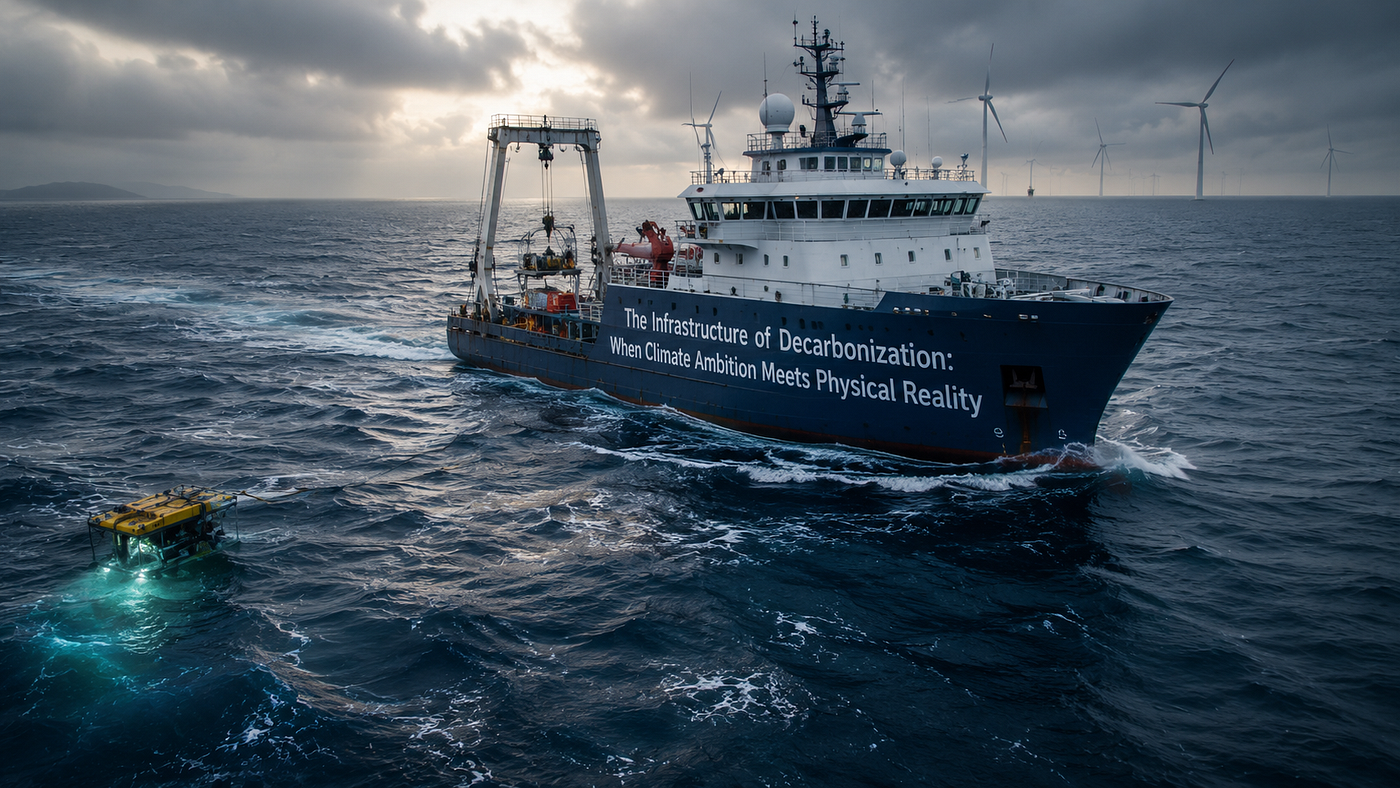
The Infrastructure of Decarbonization: When Climate Ambition Meets Physical Reality
Introduction: The Gap Between Promise and Performance
On July 9, 2026, the global sustainability landscape presented a stark study in contrasts. While Western Europe experienced its hottest June on record and UK waters suffered extreme marine heatwaves threatening mass mortality events, the corporate world showcased both breakthrough innovations and troubling retreats from climate commitments. Airbus partnered with MTU to develop hydrogen-powered aircraft engines, Quaise Energy secured $134 million for superhot geothermal technology, and California welcomed a sodium-ion battery manufacturing facility — tangible infrastructure advancing decarbonization. Yet simultaneously, meat giant JBS withdrew from its 2040 net-zero pledge, while an opinion piece highlighted data centers’ mounting environmental footprint as artificial intelligence expands exponentially.
This juxtaposition reveals a fundamental tension in contemporary ESG discourse: the widening gap between climate ambition and the physical, financial, and technological infrastructure required to achieve it. Today’s news illuminates how decarbonization demands not merely pledges but concrete investments in alternative energy systems, manufacturing capacity, cooling technologies, and nature-based solutions. For ESG practitioners, investors, and corporate sustainability leaders, understanding this infrastructure challenge — and distinguishing genuine progress from greenwashing — has become essential to navigating the transition economy.
Global Picture: The Physical Foundations of Energy Transition
The climate crisis continues accelerating with measurable physical impacts — record marine temperatures, unprecedented European heat — creating undeniable urgency for systemic transformation. Yet the pathway from fossil-dependent systems to decarbonized alternatives requires building entirely new infrastructure ecosystems, a reality highlighted by today’s announcements of hydrogen aviation engines, superhot geothermal plants, and sodium-ion battery facilities.
This infrastructure dimension represents the practical bottleneck in climate action. Hydrogen-powered aircraft engines exemplify this challenge: while aviation contributes approximately 2–3% of global CO2 emissions, decarbonizing this sector requires not just engine technology but hydrogen production facilities, transportation networks, airport refueling infrastructure, and regulatory frameworks — a multi-decade, multi-trillion-dollar undertaking. Similarly, sodium-ion batteries offer advantages over lithium (abundant materials, lower costs, safer operation), but scaling manufacturing to grid-storage levels demands significant capital deployment and industrial capacity building.
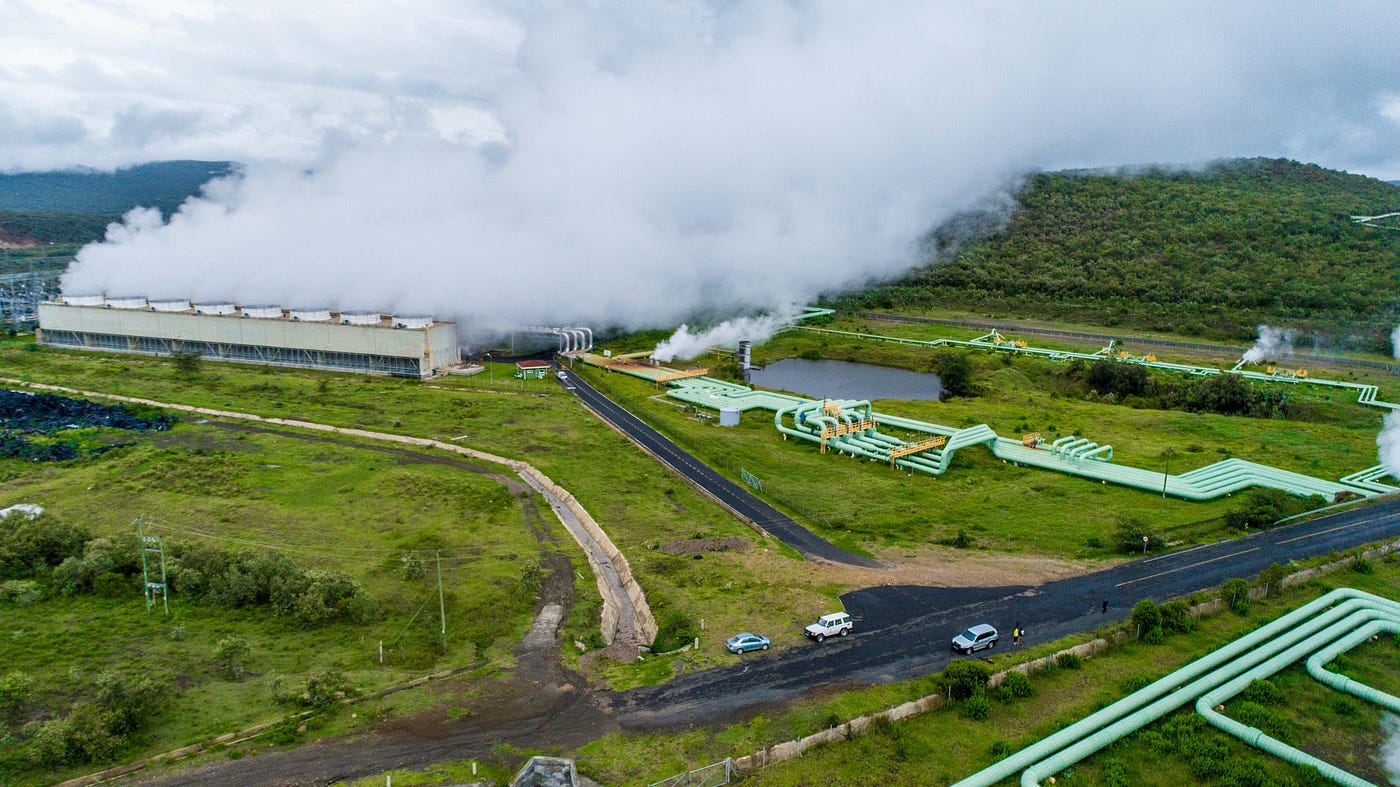
The $134 million investment in Quaise Energy’s superhot geothermal technology illustrates venture capital’s growing recognition that breakthrough innovations require patient, substantial funding. Superhot geothermal accesses heat energy from depths of 20 kilometers, potentially providing baseload renewable power without intermittency issues plaguing solar and wind. However, these technologies remain largely unproven at commercial scale, representing calculated risks rather than guaranteed solutions.
Meanwhile, the physical impacts of climate change accelerate. Marine heatwaves causing ecosystem collapse and Europe’s record temperatures demonstrate that infrastructure for adaptation — cooling systems, water management, coastal defenses — must be developed alongside mitigation technologies. This dual infrastructure demand multiplies capital requirements and implementation complexity.
ESG Applications: Corporate Strategy Between Innovation and Accountability
For corporate sustainability officers and ESG investors, today’s news crystallizes three critical strategic considerations: technology investment prioritization, credibility of net-zero commitments, and management of operational environmental footprints.
JBS’s retreat from its 2040 net-zero goal represents a watershed moment for ESG accountability. The world’s largest meat processor cited “evolving landscape” and “updated assessments” when withdrawing its commitment — language that signals either initial overreach or insufficient commitment to transformation. For investors applying TCFD frameworks, this development underscores the importance of scrutinizing transition plans for feasibility, interim targets, capital allocation alignment, and governance structures ensuring accountability. Companies making net-zero pledges without clear decarbonization pathways, technology investments, or business model adaptations increasingly face credibility challenges.
Conversely, partnerships like Airbus-MTU demonstrate how leading corporations position themselves for long-term regulatory environments where carbon-intensive operations become commercially unviable. These investments signal to investors that management recognizes transition risks and actively develops technological capabilities for future competitive advantage. Under SASB frameworks for aerospace and defense, such R&D initiatives directly address material ESG issues around emissions reduction and regulatory compliance.
The data center environmental footprint highlighted in today’s commentary presents a rapidly expanding ESG challenge. As artificial intelligence applications proliferate, data centers’ energy consumption and water usage for cooling systems escalate dramatically. For technology companies, this creates material risks under Scope 2 emissions accounting (GRI 305–2) and water withdrawal reporting (GRI 303–3). Beverage companies’ use of technology to advance ESG goals suggests potential solutions — digital twins for water optimization, AI-driven efficiency improvements — but also illustrates how technology sectors must apply sustainability innovations to their own operations, not merely offer them to clients.
Standards & Frameworks: Measuring Infrastructure Transition
Current ESG reporting frameworks inadequately capture the infrastructure dimension of climate transition, creating challenges for both preparers and users of sustainability disclosures. ISO 14064 for greenhouse gas accounting focuses on emissions inventories and reduction claims but provides limited guidance on assessing technology investments’ long-term decarbonization potential versus near-term financial returns.
The nature-based carbon removal deals signed by Google, McKinsey, and Tencent illustrate this tension. Under emerging carbon accounting standards, companies can claim emissions reductions through purchasing carbon credits from reforestation, wetland restoration, or agricultural soil carbon projects. However, controversy persists regarding permanence (will carbon remain sequestered?), additionality (would projects occur anyway?), and verification rigor. ISO 14064–2 provides principles for quantifying GHG reductions from projects, but practical application to nature-based solutions remains contentious. Corporate buyers increasingly demand high-quality removals with robust monitoring, yet standardization lags behind market growth.
Water footprint assessment under ISO 14046 becomes critically relevant for data centers and industrial facilities. As facilities expand in water-stressed regions, volumetric water consumption (mere quantity) proves insufficient; contextual water footprinting assessing local watershed conditions, competing demands, and ecosystem requirements provides more meaningful sustainability metrics. Companies claiming water stewardship must demonstrate not just efficiency improvements but contribution to watershed health — a more demanding standard.
GRI’s updated standards emphasize double materiality: how sustainability issues affect company performance (financial materiality) and how company operations impact society and environment (impact materiality). JBS’s net-zero retreat likely reflects financial materiality assessment — costs of transformation exceed perceived business benefits — while ignoring impact materiality of continued high emissions. Integrated reporting following TCFD recommendations should compel companies to address both dimensions, explaining how transition plans balance stakeholder interests.
For emerging technologies like superhot geothermal or hydrogen aviation, existing frameworks lack specific guidance on reporting R&D investments, technological risk assessments, or infrastructure readiness. Investors need transparency regarding: technology maturity levels, capital requirements for commercialization, regulatory dependencies, and timeline uncertainties. Developing supplementary disclosure guidance for transition technology investments represents an urgent priority for standard-setters.
Emerging Markets Perspective: Leapfrogging Through Strategic Infrastructure
Today’s infrastructure developments present distinctive opportunities for emerging economies to leapfrog legacy systems, avoiding carbon lock-in while addressing development needs. Colombia’s climate activists resisting far-right fossil fuel expansion exemplify this strategic crossroads: will developing nations replicate industrialized countries’ carbon-intensive development pathways, or pioneer cleaner alternatives?
Sodium-ion battery manufacturing offers particularly relevant opportunities for emerging markets. Unlike lithium-ion batteries requiring cobalt (concentrated in Congo) and lithium (concentrated in Australia, Chile, China), sodium-ion batteries use abundant, globally distributed materials. Countries lacking lithium reserves can develop domestic battery manufacturing, supporting renewable energy deployment without resource dependency. India, Southeast Asian nations, and African countries could establish battery industries supporting both domestic energy transition and export markets.
Superhot geothermal technology, while currently expensive, could transform energy access in geologically active regions including Indonesia, Philippines, East African Rift nations, and Latin American countries. Unlike solar and wind requiring extensive transmission infrastructure to connect remote generation sites to demand centers, geothermal provides dispatchable baseload power potentially located near population centers. For countries facing energy poverty, geothermal offers pathways to universal electricity access without fossil fuel dependence.
However, financing remains the critical constraint. The $134 million raised by Quaise Energy represents venture capital available in developed economies but largely absent in emerging markets. Blended finance mechanisms combining development finance institutions, climate funds, and private capital become essential for transferring breakthrough technologies. China’s infrastructure investment approach — building manufacturing capacity for solar panels, batteries, and electric vehicles at scale — demonstrates how strategic industrial policy can rapidly deploy clean technologies, though often with environmental and social governance concerns requiring attention.
Conclusion & Action Steps
The infrastructure of decarbonization — physical systems, manufacturing capacity, technology R&D — determines whether climate commitments translate into emissions reductions or remain aspirational rhetoric. Today’s news reveals both encouraging innovation and sobering accountability gaps.
Concrete next steps for ESG practitioners:
-
Enhance transition plan assessment: Evaluate corporate net-zero commitments against technology roadmaps, capital allocation, and infrastructure investments, not merely target dates.
-
Expand water footprint reporting: For data centers and industrial facilities, implement ISO 14046 contextual water assessment addressing watershed impacts beyond volumetric consumption.
-
Demand carbon removal quality: When companies purchase nature-based carbon credits, require disclosure of permanence mechanisms, additionality verification, and monitoring protocols aligned with ISO 14064–2.
-
Support infrastructure finance: Investors and development institutions should prioritize patient capital for breakthrough technologies, manufacturing scale-up, and emerging market deployment.
-
Strengthen disclosure standards: Advocate for reporting frameworks addressing technology investment risks, infrastructure readiness, and transition feasibility — bridging the gap between ambition and capability.
The climate crisis accelerates while infrastructure construction proceeds incrementally. Closing this gap requires moving beyond commitments to concrete implementation — the unglamorous but essential work of building the physical foundations for a decarbonized economy.
Berat Arda Dedekoca MBA, Cekirdek GLOBAL
메타데이터
- post_id
- 32fe2fd4db13
- slug
- the-infrastructure-of-decarbonization-when-climate-ambition-meets-physical-reality-32fe2fd4db13
- url
- https://medium.com/cekirdek-global-insights/the-infrastructure-of-decarbonization-when-climate-ambition-meets-physical-reality-32fe2fd4db13
- canonical_url
- https://medium.com/cekirdek-global-insights/the-infrastructure-of-decarbonization-when-climate-ambition-meets-physical-reality-32fe2fd4db13
- author_url
- https://medium.com/@cekirdekglobal
- status
- ok
- fetched_at
- 2026-07-10 04:31:59