Zubeen Garg Biography: Legendary Singer’s Life, Art & Tragic Demise
Zubeen Garg Biography: Legendary Singer’s Life, Art & Tragic Demise
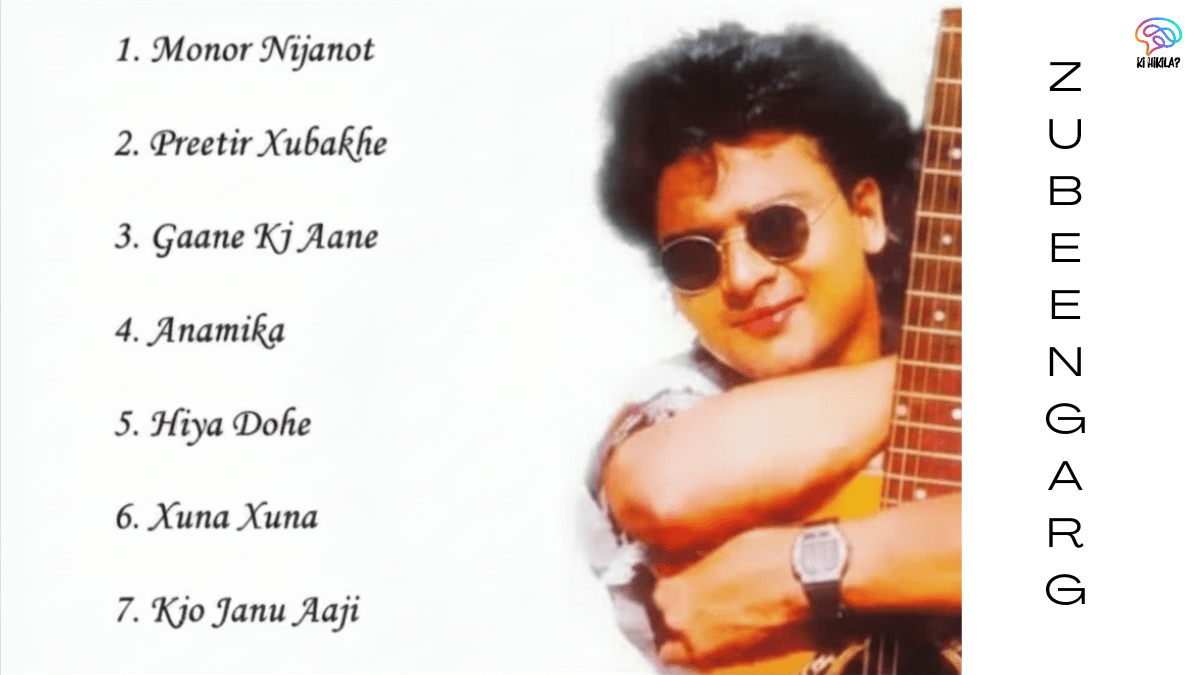
About Zubeen Garg
Zubeen Garg (born Zubeen Borthakur on November 18, 1972) was an Indian singer-songwriter, composer, actor, filmmaker and philanthropist, widely known as one of Assam’s most influential musical talents. He hailed from a family rooted in arts; his mother was a singer, and he developed an early interest in music and performance.
Zubeen’s career spanned regional and national platforms. He primarily sang in Assamese, Bengali and Hindi, but was known to perform in over 40 languages and dialects, showcasing his versatile vocal range and cultural adaptability. He was also a skilled multi-instrumentalist, mastering instruments such as the guitar, harmonium, dhol, tabla, mandolin and more, which added depth to his musical productions.
Some of his breakthrough hits on the national stage included tracks like “Ya Ali” from Gangster, which brought him wide recognition outside the Northeast. Through his film work, albums, and live performances, Zubeen became a bridge between regional identity and mainstream Bollywood and Indian pop music.
Tragically, he passed away at the age of 52 on September, 19, 2025 in Singapore after a scuba-diving accident. He was in Singapore to participate in the Northeast India Festival when the accident occurred. The news sent waves of shock across Assam and the wider Indian music community, underscoring how deeply he was loved and how large his influence had been.
Early Life of Zubeen Garg
Zubeen Garg was born on 18 November 1972 in Jorhat, **Assam**, into a family with a strong artistic and cultural background. His father, Mohini Mohan Borthakur, was a well-known lyricist and writer, while his mother, Ily Borthakur, was a noted singer. The family’s deep involvement in music and literature created an environment that nurtured his early passion for the arts.
He was named Zubeen after the famous composer Zubin Mehta, reflecting his parents’ admiration for classical and contemporary music. From childhood, he displayed immense talent in both singing and playing musical instruments. He learned to play the tabla, dhol, harmonium, guitar, violin, and keyboard, showcasing his versatility even before stepping into the professional music scene.
Zubeen completed his schooling in Assam and later moved to Guwahati for higher education. While he was academically inclined, his heart always leaned toward music. During his college years, he began performing in local concerts and small stage shows, quickly gaining popularity among the youth of Assam. His early compositions and performances established him as a rising star in the Assamese music industry.
The tragic loss of his younger sister, Jonkey Borthakur, who was also a promising singer, deeply impacted him. In her memory, Zubeen dedicated his debut Assamese music album “Anamika” in 1992, which went on to become a massive success in Assam. This marked the true beginning of his professional career and cemented his place as one of the most beloved artists of the region.
Zubeen Garg as a Philanthropist
Beyond his achievements in music and cinema, Zubeen Garg was widely admired for his compassionate nature and philanthropic efforts. He actively used his influence and popularity to raise awareness on social issues and extend support to causes close to his heart.
Zubeen contributed generously to healthcare initiatives, education, and disaster relief efforts in Assam and other parts of Northeast India. He often organized and participated in charity concerts, donating the proceeds to underprivileged children, flood victims, and medical aid for the needy. His charitable work extended quietly beyond the limelight, as he was known to personally help struggling artists and families facing financial hardships.
One of his notable contributions was advocating for the welfare of Assamese culture and identity, not just through music but also by financially supporting cultural programs and local artists. He frequently spoke about the importance of preserving the Assamese language and traditions, ensuring that younger generations remained connected to their roots.
Zubeen’s philanthropic vision was not limited to Assam alone. He also promoted social harmony, peace, and environmental awareness at both regional and national levels. His humanitarian side earned him immense respect, making him not just a cultural icon but also a figure of inspiration for his dedication to community welfare.
Zubeen Garg Famous Album
**Zubeen Garg’s music career was marked by versatility, creativity, and a constant connection with his audience. He released numerous albums in Assamese, Bengali, and Hindi, many of which became cultural milestones. His debut Assamese album, “Anamika” (1992)**, dedicated to his late sister Jonkey Borthakur, remains one of his most cherished works and established him as a household name in Assam.
Over the years, he produced several Assamese albums such as “Asha,” “Shrabanale,” “Mayabini,” “Phir Se,” and “Pakhi”, each showcasing his ability to blend modern sounds with traditional Assamese music. These albums not only solidified his reputation in the Northeast but also gave him an emotional connection with his fans.
In the Bollywood music scene, Zubeen rose to national fame with the song “Ya Ali” from the film Gangster (2006). The track became one of the most popular songs of the decade and introduced him to audiences across India and abroad. He continued to lend his voice to Hindi films, delivering hits like “Dil Tu Hi Bataa” from Krrish 3 and several others.
Zubeen also experimented with fusion music, producing albums that incorporated rock, pop, and folk elements. His wide-ranging discography proved his adaptability and ensured that he remained relevant across generations. For fans, each album carried a personal touch that reflected his deep emotional connection with life, love, and culture.
Zubeen Garg as an Artist
Zubeen Garg was not just a singer but a complete artist whose talents spanned across multiple creative fields. His artistry was defined by versatility — he was a playback singer, music composer, actor, director, and poet. This multidimensional personality made him one of the most celebrated cultural icons of Northeast India.
As a singer, Zubeen lent his voice to thousands of songs in Assamese, Hindi, Bengali, Tamil, Telugu, Kannada, and several other languages. His ability to adapt his singing style to different genres — from romantic ballads to devotional songs and high-energy tracks — earned him both critical acclaim and mass popularity.
As a music composer, he produced numerous Assamese and Hindi songs, composing background scores and soundtracks for films. His compositions were known for their blend of modern instrumentation with regional folk influences, making them unique and memorable.
Zubeen also made a mark as an actor, featuring in Assamese films like Mon Jai, Mission China, and Kanchenjunga. His roles often highlighted Assamese identity and culture, resonating deeply with local audiences. Beyond acting, he even directed films, proving his deep involvement in every aspect of art and storytelling.
Apart from music and films, Zubeen was also an avid painter and poet. He often expressed his emotions and thoughts through painting and writing, which showcased his sensitive and creative side. His artistic personality was not limited to performance; it was a reflection of his outlook on life and his connection to society.
In essence, Zubeen Garg was a true cultural ambassador of Assam and the Northeast, whose artistry went far beyond entertainment — it became a movement of identity, pride, and passion.
Zubeen Garg as a Cultural Activist
Apart from his music and film career, Zubeen Garg was a passionate cultural activist. He used his platform to promote Assamese culture, language, and heritage, making him an influential voice for regional identity.
He actively campaigned for the preservation of Assamese folk music and traditional art forms, often collaborating with local artists to ensure that these cultural treasures reached wider audiences. Zubeen organized workshops, cultural programs, and music festivals to mentor young talent and give them opportunities to showcase their skills.
Zubeen also advocated for social and political awareness through his art. Many of his songs carried messages about unity, social harmony, environmental protection, and regional pride, reflecting his commitment to the well-being of his community. By combining entertainment with activism, he inspired fans to engage with social issues while celebrating their cultural roots.
His role as a cultural activist reinforced his position not just as an entertainer but as a torchbearer of Assamese identity, making him an enduring symbol of pride and inspiration for the Northeast.
Facts about Zubeen Garg
Zubeen Garg’s life and career were full of remarkable milestones and interesting facts that highlighted his versatility, dedication, and cultural impact:
- Multilingual Singer: Zubeen sang in over 40 languages, including Assamese, Hindi, Bengali, Tamil, Telugu, Kannada, and more, showcasing his adaptability.
- Prolific Career: He recorded over 10,000 songs across various languages during his career.
- Film Contributions: Besides singing, he acted in Assamese films like Mon Jai, Mission China, and Kanchenjunga, and directed movies to promote Assamese culture.
- Philanthropy: Zubeen actively supported social causes, including disaster relief, healthcare, education, and the welfare of struggling artists.
- National Fame: He achieved pan-India recognition with the hit Bollywood song “Ya Ali” from the movie Gangster.
- Musical Awards: Zubeen received multiple awards for his contributions to music, including state-level honors and recognition from cultural organizations.
- Cultural Ambassador: Through his music and performances, he consistently promoted Assamese language, folk music, and traditions.
- Stage Performer: His live shows were known for energetic choreography, audience engagement, and theatrical flair, making each performance memorable.
- Multi-talented Artist: Apart from singing and choreography, he was also a composer, poet, painter, and philanthropist, reflecting his diverse creativity.
These facts highlight not only Zubeen Garg’s artistic achievements but also his role as a cultural icon and humanitarian, whose work continues to inspire millions.
Conclusion
Zubeen Garg was much more than a singer; he was a cultural icon, philanthropist, and versatile artist whose work transcended music and entertainment. From his humble beginnings in Assam to achieving national fame, Zubeen consistently used his talent to celebrate regional culture, support social causes, and inspire generations of artists.
His contributions as a playback singer, composer, actor, choreographer, and cultural activist created a unique legacy, blending traditional Assamese music with modern genres and reaching audiences across India and abroad. Beyond his artistic achievements, his philanthropic work, advocacy for Assamese identity, and efforts to mentor young talent made him a respected and beloved figure in his community.
Zubeen Garg’s untimely demise left a void in the Indian music and cultural landscape, but his legacy continues to resonate in every song, performance, and initiative he touched. He remains an enduring symbol of passion, creativity, and devotion to culture and humanity.
Must-Read Related Articles:
Dr. Manmohan Singh: Celebrating India’s Legendary Prime Minister (1932–2024)
Rani Velu Nachiyar: Brave Queen Who First Fought the British (1730–1796)
Netaji Subhas Chandra Bose: Inspiring Biography, Achievements & Contributions
Chhatrapati Shivaji Maharaj Jayanti 2025: Legendary Maratha Warrior’s 395th Birth Anniversary
Frequently Asked Questions about Zubeen Garg
Q1. Who was Zubeen Garg?A: Zubeen Garg was an Indian singer, composer, actor, choreographer, and cultural activist from Assam, widely recognized for his contributions to regional and national music.Q2. When was Zubeen Garg born?A: He was born on 18 November 1972 in Jorhat, Assam.Q3. What are some of Zubeen Garg’s most famous songs?A: His notable songs include “Ya Ali” from Gangster, Assamese hits like “Anamika”, and numerous Bollywood and regional tracks.Q4. Did Zubeen Garg act in films?A: Yes, he acted in Assamese films such as Mon Jai, Mission China, and Kanchenjunga, and also directed movies.Q5. Was Zubeen Garg involved in philanthropy?A: Yes, he actively supported disaster relief, education, healthcare, and welfare programs for underprivileged communities and young artists.Q6. How many languages did Zubeen Garg sing in?A: He sang in over 40 languages, including Assamese, Hindi, Bengali, Tamil, Telugu, and Kannada.Q7. What was Zubeen Garg’s contribution to Assamese culture?A: He promoted Assamese music, folk traditions, and language, organized cultural programs, and mentored young artists.Q8. Did Zubeen Garg win any awards?A: Yes, he received multiple awards for his singing and contributions to music at the state and national levels.Q9. When did Zubeen Garg pass away?A: He tragically passed away on 19 September 2025 in Singapore due to a scuba-diving accident.Q10. Why is Zubeen Garg remembered?A: Zubeen is remembered for his versatility, cultural activism, philanthropy, and lifelong dedication to music and Assamese heritage.
메타데이터
- post_id
- 330727bc9ebd
- slug
- zubeen-garg-biography-legendary-singers-life-art-tragic-demise-330727bc9ebd
- url
- https://medium.com/@kihikila/zubeen-garg-biography-legendary-singers-life-art-tragic-demise-330727bc9ebd
- canonical_url
- https://medium.com/@kihikila/zubeen-garg-biography-legendary-singers-life-art-tragic-demise-330727bc9ebd
- author_url
- https://medium.com/@kihikila
- status
- ok
- fetched_at
- 2026-06-15 20:49:13