The Difference Between Organic Cotton Fabric and Regular Cotton Fabric
Introduction to Cotton Fabrics
The Difference Between Organic Cotton Fabric and Regular Cotton Fabric
Introduction to Cotton Fabrics
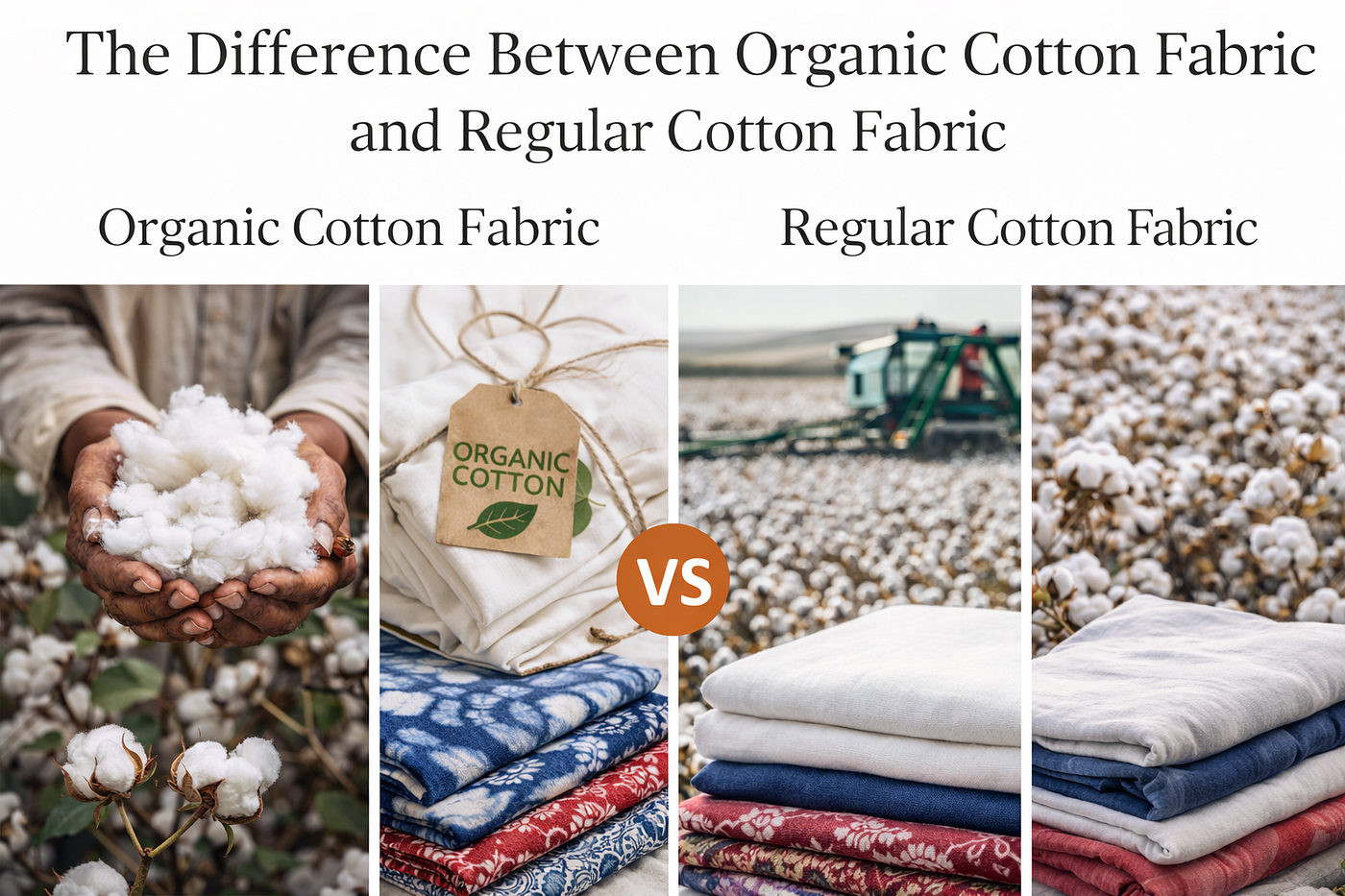
Cotton Fabric has remained one of the most widely used textiles in the world for centuries. Known for its softness, breathability, and versatility, cotton is used in everything from everyday clothing to home décor textiles. However, modern consumers increasingly recognize the difference between **Organic Cotton Fabric** and conventional or regular cotton fabric.
The distinction between these two materials lies not only in how the cotton is grown but also in the environmental impact, quality, and sustainability of the final textile. Understanding the differences between Organic Cotton Fabric and standard cotton allows designers, manufacturers, and consumers to make informed choices when selecting fabrics such as Block Printed Fabric, Solid Fabric, Indigo Print Fabric, and Shibori Fabric.
What Is Organic Cotton Fabric?
Definition of Organic Cotton Fabric
Organic Cotton Fabric is produced from cotton grown without the use of synthetic fertilizers, chemical pesticides, or genetically modified seeds. The cultivation process follows strict organic agricultural standards that prioritize environmental protection, soil health, and biodiversity.
Farmers producing Cotton Organic Fabric rely on natural farming methods such as compost fertilization, crop rotation, and biological pest control. These sustainable techniques protect ecosystems while producing high-quality cotton fibers.
When these fibers are woven into fabric, the result is Organic Cotton Fabric that is softer, safer for the skin, and more environmentally responsible.
What Is Regular Cotton Fabric?
Conventional Cotton Production
Regular or conventional Cotton Fabric is typically produced using intensive agricultural practices. These methods often include chemical fertilizers, synthetic pesticides, and genetically modified cotton seeds.
While conventional cotton farming produces large quantities of cotton efficiently, it can also have significant environmental impacts. Heavy chemical usage may affect soil quality, water resources, and surrounding ecosystems.
Despite these concerns, conventional Cotton Fabric remains widely used due to its availability and lower production costs.
Key Differences Between Organic Cotton Fabric and Regular Cotton Fabric
Understanding the differences between these fabrics requires examining several important factors, including farming practices, environmental impact, fabric quality, and sustainability.
1. Farming Methods
The most fundamental difference between Organic Cotton Fabric and conventional cotton lies in the farming methods used to cultivate the cotton plants.
Organic Cotton Farming
Organic cotton farming avoids synthetic chemicals and instead focuses on sustainable agricultural techniques. These include:
- Natural fertilizers such as compost and manure
- Crop rotation to maintain soil fertility
- Biological pest management systems
These methods produce Cotton Organic Fabric while preserving soil health and reducing environmental damage.
Conventional Cotton Farming
In contrast, traditional cotton farming often relies heavily on chemical fertilizers and pesticides to increase crop yields. While this approach produces large quantities of cotton, it can negatively affect soil quality and biodiversity.
2. Environmental Impact
Another major distinction between Organic Cotton Fabric and regular Cotton Fabric is their environmental footprint.
Organic Cotton Sustainability
The production of Organic Cotton Fabric significantly reduces chemical pollution. Organic farming methods also use less water and help maintain healthier ecosystems.
These practices contribute to sustainable textile production and support environmentally responsible fashion industries.
Environmental Concerns with Conventional Cotton
Conventional cotton farming is one of the largest consumers of pesticides in global agriculture. These chemicals can contaminate soil and water sources, impacting wildlife and nearby communities.
By comparison, Cotton Organic Fabric offers a cleaner and more sustainable alternative.
3. Fabric Quality and Comfort
Both Organic Cotton Fabric and conventional Cotton Fabric provide excellent softness and breathability. However, organic cotton often offers additional advantages.
Benefits of Organic Cotton Fabric
- Softer natural fibers
- Chemical-free processing
- Better skin compatibility
Because Organic Cotton Fabric is processed without harsh chemical treatments, it retains the natural integrity of the cotton fibers.
Conventional Cotton Fabric Characteristics
Regular Cotton Fabric may undergo various chemical treatments during production, including bleaching, dyeing, and finishing processes. These treatments can sometimes reduce fiber strength or leave chemical residues.
4. Sustainability and Ethical Production
Sustainability has become one of the most important considerations in modern textile production. Organic Cotton Fabric plays a crucial role in promoting responsible manufacturing practices.
Organic cotton farms support sustainable agriculture and protect the livelihoods of farming communities. The production of Cotton Organic Fabric also encourages environmentally friendly textile processing methods.
Conventional cotton farming, while efficient, may contribute to environmental challenges such as soil degradation and chemical pollution.
Applications of Organic Cotton Fabric and Cotton Fabric
Both types of cotton fabrics are used across various industries, including fashion, home décor, and textile design.
Block Printed Fabric
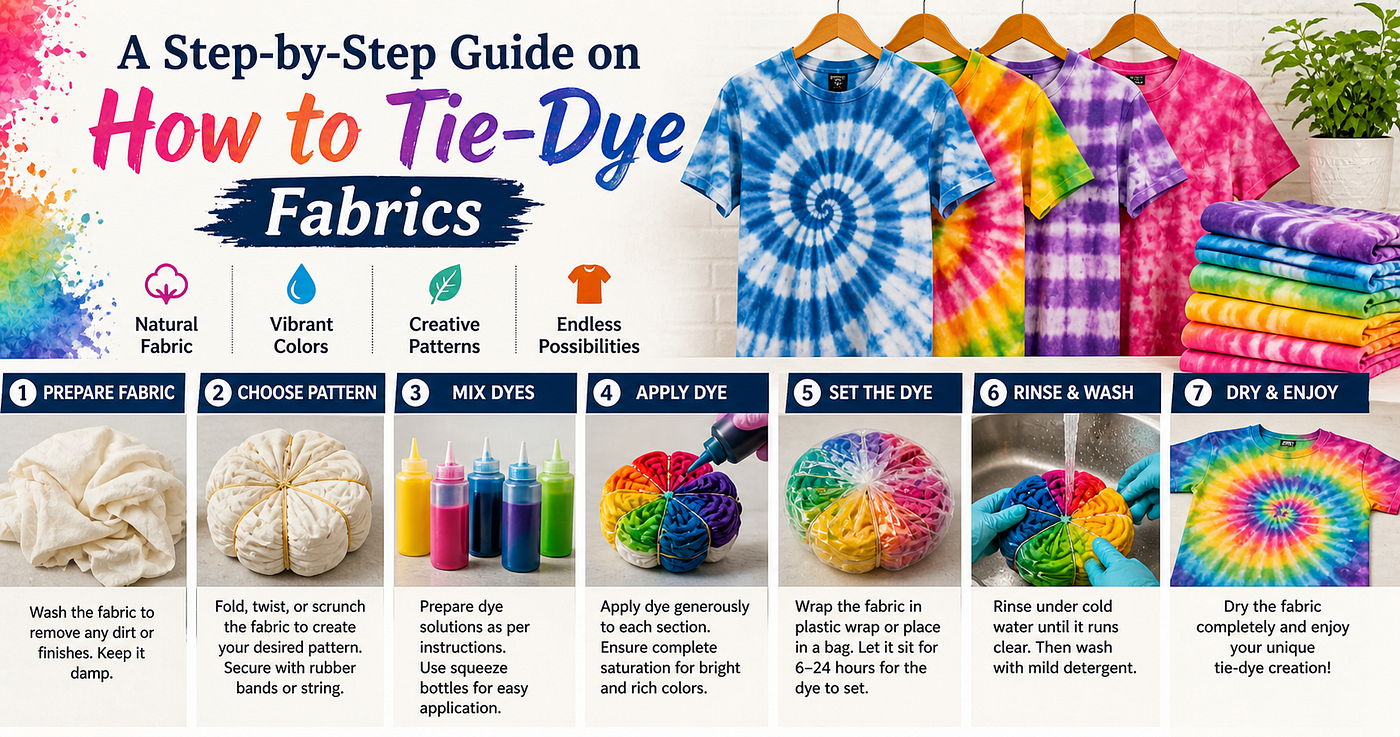
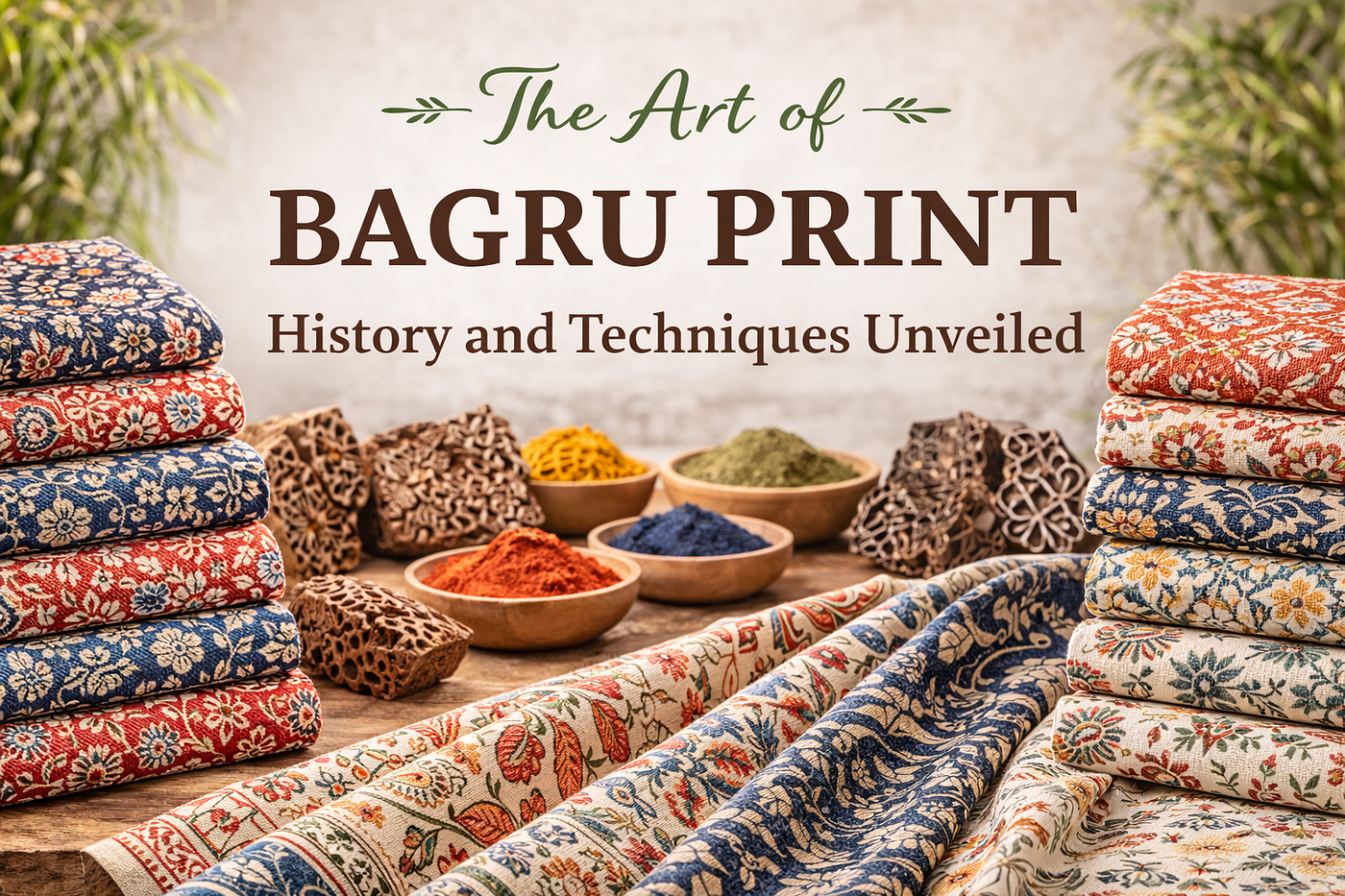
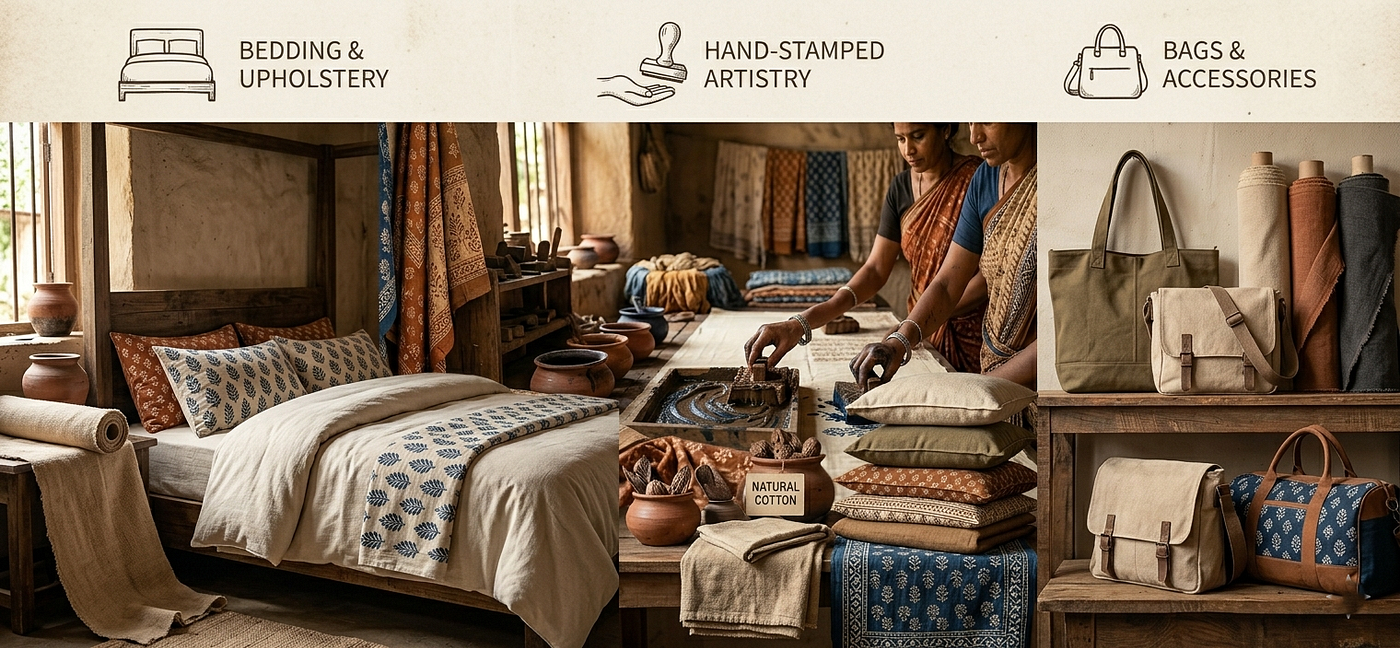
One of the most beautiful applications of cotton textiles is **Block Printed Fabric**. In this traditional printing technique, artisans use carved wooden blocks to stamp patterns onto fabric.
Both Organic Cotton Fabric and regular cotton can be used for block printing. However, organic cotton often absorbs dyes more naturally, producing vibrant and long-lasting prints.
Solid Fabric
Solid Fabric refers to cotton textiles dyed in a single color without printed patterns. Designers frequently use solid cotton fabrics for:
- Minimalist fashion collections
- Tailored garments
- Interior décor products
Organic Cotton Fabric is especially popular for solid fabrics due to its natural softness and eco-friendly appeal.
Indigo Print Fabric
Indigo Print Fabric features beautiful, deep-blue patterns created using traditional dyeing techniques. Indigo dye bonds exceptionally well with cotton fibers, making cotton fabrics ideal for this printing method.
Organic cotton provides a natural base for Indigo Print Fabric, allowing the dye to penetrate evenly and create rich, vibrant tones.
Shibori Fabric
Shibori Fabric is created using a traditional resist-dye technique where the fabric is folded, tied, or stitched before dyeing. This process produces distinctive patterns with organic textures and color variations.
Both organic and conventional cotton fabrics are used for Shibori Fabric, although organic cotton enhances the dyeing process by absorbing colors more effectively.
Advantages of Choosing Organic Cotton Fabric
Consumers and designers increasingly prefer Organic Cotton Fabric for several reasons.
Eco-Friendly Production
Organic cotton cultivation protects soil, water resources, and ecosystems.
Health Benefits
Chemical-free Cotton Organic Fabric reduces exposure to harmful substances, making it ideal for sensitive skin and baby clothing.
Superior Textile Quality
The natural fiber integrity of Organic Cotton Fabric often results in stronger, longer-lasting textiles.
Sustainable Fashion Support
By choosing organic cotton, consumers contribute to environmentally responsible fashion and ethical textile production.
Frequently Asked Questions
What is the main difference between Organic Cotton Fabric and regular cotton?
The main difference lies in farming methods. Organic Cotton Fabric is produced without synthetic pesticides or fertilizers, while regular cotton farming often uses chemical inputs.
Is Organic Cotton Fabric better for the environment?
Yes. Cotton Organic Fabric reduces chemical pollution, conserves water resources, and promotes sustainable agriculture.
Can Organic Cotton Fabric be used for printed textiles?
Absolutely. Organic Cotton Fabric works exceptionally well for Block Printed Fabric, Indigo Print Fabric, and Shibori Fabric because the natural fibers absorb dyes effectively.
Is Organic Cotton Fabric more durable than regular cotton?
Both fabrics can be durable, but Organic Cotton Fabric often maintains stronger natural fibers because it undergoes fewer chemical treatments.
Conclusion
Understanding the differences between Organic Cotton Fabric and conventional Cotton Fabric highlights the importance of sustainable textile production. Organic cotton farming supports healthier ecosystems, cleaner manufacturing processes, and safer materials for consumers.
From Block Printed Fabric and Solid Fabric to Indigo Print Fabric and Shibori Fabric, organic cotton provides a versatile and environmentally responsible foundation for modern textile design.
As awareness of sustainability continues to grow, Cotton Organic Fabric will remain a key material for ethical fashion, eco-conscious home textiles, and artisan-crafted fabrics that combine tradition with responsible innovation.
메타데이터
- post_id
- 333a59569d3b
- slug
- the-difference-between-organic-cotton-fabric-and-regular-cotton-fabric-333a59569d3b
- url
- https://medium.com/@aarohiarora201/the-difference-between-organic-cotton-fabric-and-regular-cotton-fabric-333a59569d3b
- canonical_url
- https://medium.com/@aarohiarora201/the-difference-between-organic-cotton-fabric-and-regular-cotton-fabric-333a59569d3b
- author_url
- https://medium.com/@aarohiarora201
- status
- ok
- fetched_at
- 2026-07-12 00:58:22