Fake Portfolios and Professional Designer Ethics
Why honesty matters more than aesthetics in the creative industry
Fake Portfolios and Professional Designer Ethics
Why honesty matters more than aesthetics in the creative industry
By Achmad Rizky Jaelani and Evan Christ Parapat • February 17, 2026
Chapter I — Introduction
1.1 Background
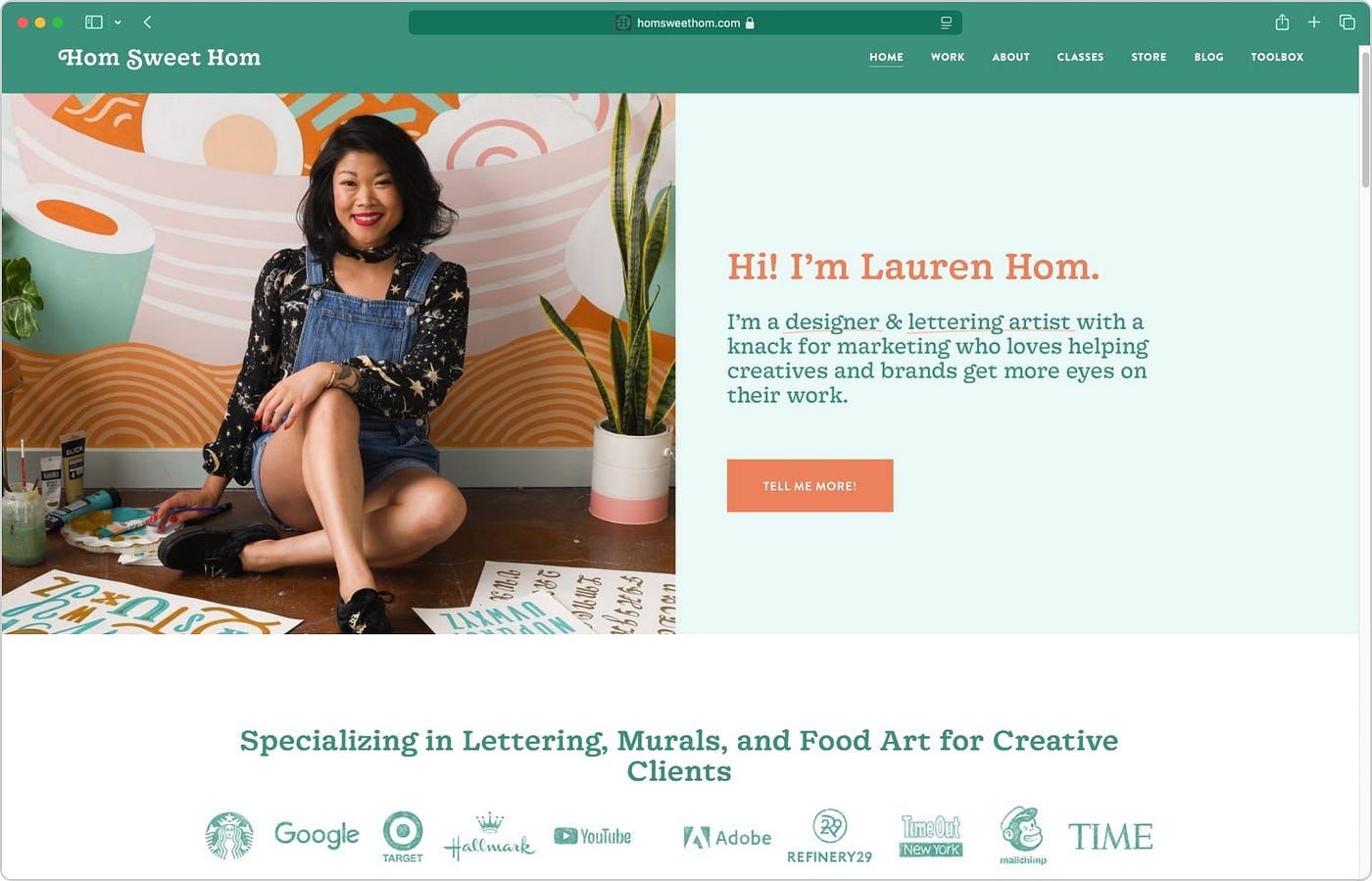
In the creative industry, a portfolio is one of the most important professional assets a designer possesses. It represents not only technical skill and aesthetic sense, but also credibility, experience, and professional identity. Clients and employers often rely on portfolios as the primary basis for evaluating designers.
However, alongside the rapid growth of digital platforms and creative marketplaces, unethical practices have emerged. One of the most concerning is the use of fake portfolios — portfolios that misrepresent authorship, originality, or professional experience. This practice raises serious ethical concerns and threatens the integrity of the design profession.
1.2 Purpose of the Article
This article aims to:
- Explain the concept of fake portfolios in professional design practice
- Discuss professional ethics in the design industry
- Analyze the impacts of fake portfolios on designers, clients, and the industry
- Provide ethical guidelines for building honest and professional portfolios
Chapter II — Understanding Portfolios and Fake Portfolios

2.1 Definition of a Design Portfolio
A design portfolio is a curated collection of works that demonstrates a designer’s skills, creativity, design process, and professional development. According to Meggs and Purvis (2016), portfolios serve as both a professional record and a communication tool between designers and stakeholders.
A legitimate portfolio reflects:
- Original work
- Clear contribution
- Creative and technical growth
- Professional responsibility
2.2 Definition of a Fake Portfolio
A fake portfolio is a portfolio that includes work falsely presented as original or personally created by the designer. This may involve:
- Copying or plagiarizing others’ designs
- Claiming involvement in projects that never existed
- Misrepresenting one’s role in collaborative work
- Using templates or AI-generated content without disclosure
From an ethical standpoint, fake portfolios constitute deliberate deception and violate professional integrity.
Chapter III — Professional Ethics in Design

3.1 Professional Ethics
Professional ethics refer to moral principles and standards that guide behavior within a profession. Beauchamp and Childress (2013) describe ethics as the foundation of trust between professionals and society.
In design, professional ethics emphasize:
- Honesty and transparency
- Respect for intellectual property
- Accountability to clients and users
- Fair competition
3.2 Ethical Responsibilities of Designers
Designers are ethically responsible for:
- Presenting truthful representations of their skills
- Giving credit to collaborators and sources
- Avoiding plagiarism and misrepresentation
- Communicating clearly about tools and processes used
An ethical designer values integrity over short-term personal gain.
Chapter IV — Common Forms of Fake Portfolios

4.1 Plagiarism of Design Work
This involves copying or slightly modifying existing designs and presenting them as original work. This is a direct violation of copyright law and professional ethics.
4.2 Fabricated Client Projects
Some designers list well-known companies or brands as clients without any real collaboration, aiming to increase credibility dishonestly.
4.3 Undisclosed Use of Templates or AI
While templates and AI tools can be legitimate design aids, ethical issues arise when their use is hidden and the work is claimed as fully original.
4.4 Misrepresentation of Team Roles
Claiming full ownership of a design that was produced by a team, without acknowledging collaborators, is another unethical practice.
Chapter V — Impacts of Fake Portfolios

5.1 Impact on Clients
Clients may experience:
- Poor design quality
- Project delays or failures
- Financial and reputational losses
5.2 Impact on Designers
Designers who use fake portfolios risk:
- Loss of professional credibility
- Termination of employment or contracts
- Legal consequences related to intellectual property
5.3 Impact on the Design Industry
At an industry level, fake portfolios:
- Undermine trust in professional designers
- Create unfair competition
- Lower ethical standards across the field
Chapter VI — Ethical Portfolio Practices

6.1 Transparency and Honesty
Designers should clearly explain:
- Their role in each project
- The design process
- Tools, templates, or AI assistance used
6.2 Emphasizing Process Over Perfection
An ethical portfolio does not need to showcase flawless work. Instead, it should demonstrate learning, problem-solving, and creative thinking.
6.3 Use of Personal and Conceptual Projects
Student projects, self-initiated work, and conceptual designs are ethically acceptable as long as they are labeled accurately.
Chapter VII — Case Reflection
7.1 Hypothetical Case
A junior designer copies high-quality designs from online platforms and includes them in a portfolio. After being hired, the designer is unable to perform at the claimed level. The employment contract is terminated, and the designer’s reputation suffers long-term damage.
7.2 Ethical Analysis
This case illustrates that:
- Fake portfolios provide short-term benefits but long-term harm
- Professional trust, once lost, is difficult to restore
- Ethical behavior is essential for sustainable careers
Chapter VIII — Conclusion
Fake portfolios represent a serious ethical violation in the design profession. While they may appear to offer shortcuts to success, they ultimately damage individual careers, client relationships, and the credibility of the creative industry.
True professionalism in design is defined not only by visual skill, but by integrity, honesty, and ethical responsibility. In an increasingly competitive digital environment, authenticity remains the strongest foundation for long-term professional success.
References
Books
- Meggs, P. B., & Purvis, A. W. (2016). History of Graphic Design.
- Wiley.Beauchamp, T. L., & Childress, J. F. (2013). Principles of Biomedical Ethics. Oxford University Press.
- Bower, A., & Wyszomirski, M. J. (2017). Design Business Ethics. Routledge.
Journal Articles 4. Park, J. (2019). Ethics in portfolio practices. International Journal of Design Studies, 14(2), 153–167. 5. Smith, L., & Jones, R. (2021). Professional integrity in creative work. Journal of Design Ethics, 25(4), 205–222.
Professional Guidelines 6. AIGA. Professional Ethical Guidelines. 7. ICOGRADA. Code of Ethics for Designers.
메타데이터
- post_id
- 3344aed4e805
- slug
- fake-portfolios-and-professional-designer-ethics-3344aed4e805
- url
- https://medium.com/@jaelani00778/fake-portfolios-and-professional-designer-ethics-3344aed4e805
- canonical_url
- https://medium.com/@jaelani00778/fake-portfolios-and-professional-designer-ethics-3344aed4e805
- author_url
- https://medium.com/@jaelani00778
- status
- ok
- fetched_at
- 2026-06-29 01:02:39