Civilization. The last page. (246)
Vote
Civilization. The last page. (246)
Vote
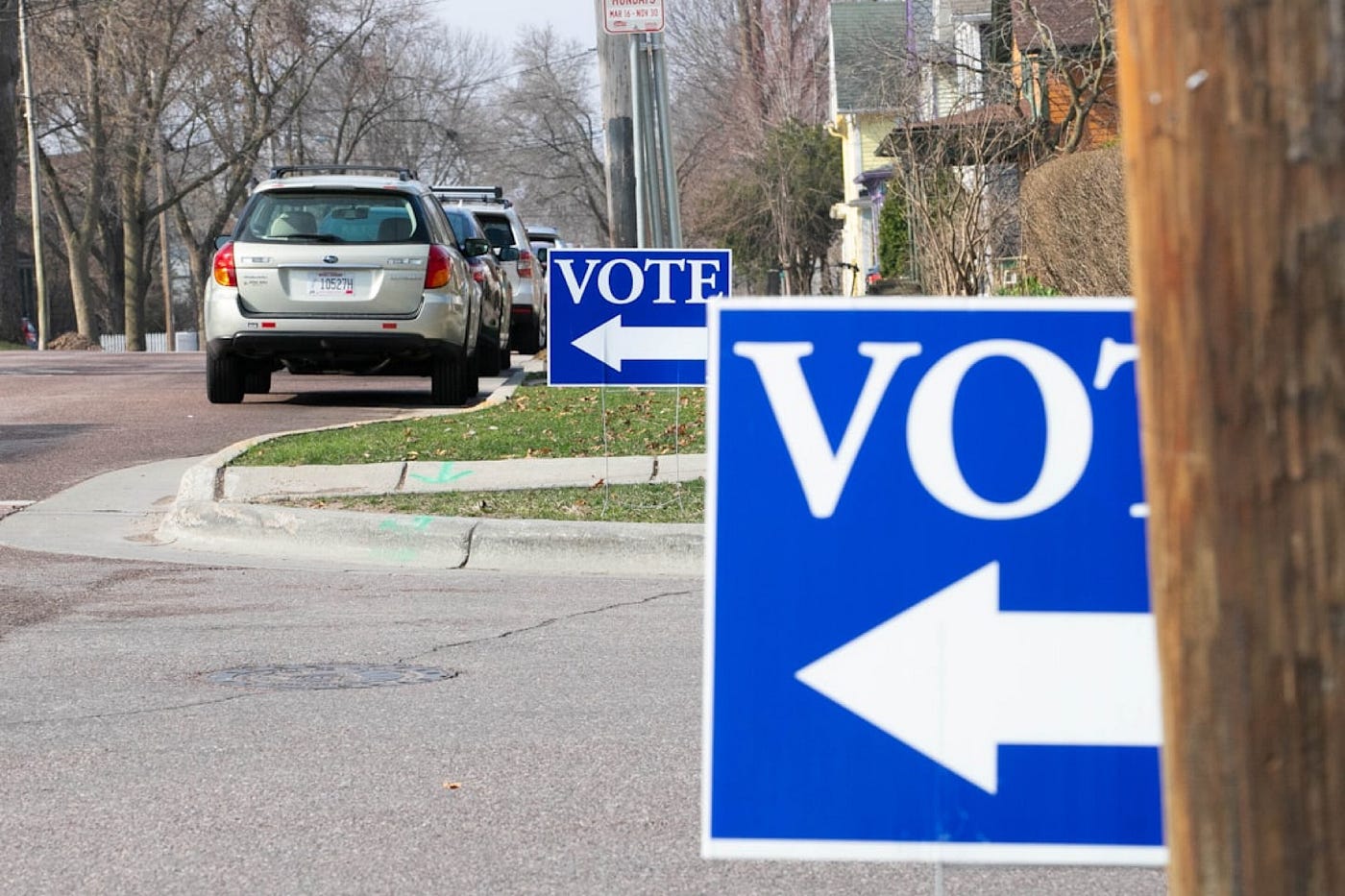
Photo by Mark Riechers on Unsplash
The first recorded election in the 13 colonies took place in 1619, when the Virginia Colony held an election for the House of Burgesses, the first representative legislative assembly in America. In the first recorded elections in the 13 colonies, only free, landowning white men — typically Protestant and over the age of 21 — were allowed to vote. Property ownership was the key requirement and women, enslaved people, indentured servants, and most non-landowners were excluded. The principal reason was they paid the taxes. Citizenship wasn’t a requirement, residency wasn’t, either.
Move 80 years later in time to 1700. The population of white settlers in America grew from an estimated 40,000 in 1650 to 235,000 in 1700. Most of the new immigrants were English. Over the next 70 years, the population was doubling at least every 25 years .
Like the man with the goose that laid the golden eggs, King George became increasingly greedy. In December of 1773, the arrival of the latest flotilla, bearing goods from England bore new, heavier taxes. Especially the shipment of tea, the national beverage. Half of it wound up in the harbor, the rest found refuge in various hiding places around the Boston area. Within two years the discontent had grown to outright rebellion. Excessive taxation was uniting the Dutch, English, French Portuguese and Spanish colonists of the New World, against the British crown. In 1776, they declared their independence.
The first major broadening of voting rights in the United States came in the early 1800s, during the Jacksonian era, when most states eliminated property ownership from the voting requirements for white men. By around 1828, many states allowed all adult, white men to vote regardless of property ownership. Citizenship as a requirement to vote in Federal elections was set by the passage of the 14th Amendment in 1868 and the federal statutes that followed. States gradually imposed citizenship requirements in the 19th century, and by 1928, all states required voters to be U.S. citizens. With the passage of the 19th amendment to the Constitution in 1918, women gained the right to vote.
Black men gained the legal right to vote in the United States with the 15th Amendment in 1870, though many were blocked by discriminatory laws until the Voting Rights Act of 1965 enforced those rights nationwide. Native Americans were granted U.S. citizenship and the right to vote with the Indian Citizenship Act of 1924. However, many states still imposed barriers like poll taxes and literacy tests, so full voting access by Blacks and Indians wasn’t secured nationwide, until the Voting Rights Act of 1965.
Few issues have evoked more vitriol than voting in the national elections, by illegal persons — Vast hordes were suspected in statewide plots, to overwhelm the properly elected representatives of our “Christian nation’s” government.
Since 2016, the validity of our elections has been repeatedly questioned. Some individual states have conducted hand tallies; individual ballots examined for possible substitution with foreign paper content, like Bamboo. Detail voter records were examined to determine if the alleged ballot might have been in name of a deceased. The ballots of millions of voters in virtually every state have been recounted without finding voter fraud.
As of May 2026, Alabama, Arizona, Florida, Georgia, Kansas, Louisiana, Mississippi, New Hampshire, Ohio, South Dakota, Utah, and Wyoming require proof of citizenship to register to vote, like birth certificates or passports, 41 states do not. However, the implementation and enforcement of these laws vary, with some states actively enforcing them and others facing legal challenges.
New York, California and Texas are the most populous states. In New York and California voter eligibility is verified primarily through voter registration. You must register in advance, providing your name, address, date of birth, and ID information such as the last four digits of your Social Security number. The Board of Elections checks this information against state and federal databases to confirm identity and eligibility.
Before each election, they maintain and update voter rolls to remove duplicates, deceased voters, and ineligible entries. In TX, NY and CA, voters must show an approved photo ID at the polls, such as a driver’s license, passport, or military ID. Election officials check the ID against the voter registration list to confirm name and address. If someone doesn’t have an ID, they can cast a provisional ballot and must provide ID within six days for it to count.
The voter rolls in CA were verified in a detailed record interrogation on October 20, 2025, California had 23,093,274 registered voters, 6 were found without proper supporting records. None were found to have voted in the 2024 election.
Undocumented persons in this country face many challenges, risking jail sentences and deportation in order to cast a vote is not likely.
We have state and municipal elections every year. Elections are managed at the state levels by hundreds of officials and dedicated volunteers. National congressional elections and primaries are held every two years. Down ballot state races of judges, and board members are affected in each, while the summary count totals can be off, re-counts are made when it’s close, but the integrity of our elections can be relied upon.
Have a nice day.
메타데이터
- post_id
- 33a9e2097534
- slug
- civilization-the-last-page-246-33a9e2097534
- url
- https://medium.com/@janslort/civilization-the-last-page-246-33a9e2097534
- canonical_url
- https://medium.com/@janslort/civilization-the-last-page-246-33a9e2097534
- author_url
- https://medium.com/@janslort
- status
- ok
- fetched_at
- 2026-06-09 15:37:30