The Hidden Physics of Southern Hemisphere Storms
How an endless loop of open water turned the bottom of the world into a permanent weather machine.
The Hidden Physics of Southern Hemisphere Storms
How an endless loop of open water turned the bottom of the world into a permanent weather machine.
Photo by Clay Banks on Unsplash
A buoy off southwestern Australia recorded a wave 23.8 m high in 2020. That wave didn’t start there. It started days earlier, thousands of kilometers away. In a part of the ocean most people have never thought about. To understand how a wave like that is even possible, you have to understand what’s happening at the bottom of the world.
A lot of places in the world where storms never stop. This cycle is repeated over and over again. Among scientists, it is known as the Roaring Forties. Few areas of the Earth lie south of 40°S. No mountains. No big continents repeated. Just open water around Antarctica in a real circle.
That vast circle of open water is why the storms down there are so different from what you’d see in the northern half of the world.
The physics of those storms remains the same. But the conditions here are unlike anything else on Earth.
Why There Is No Land
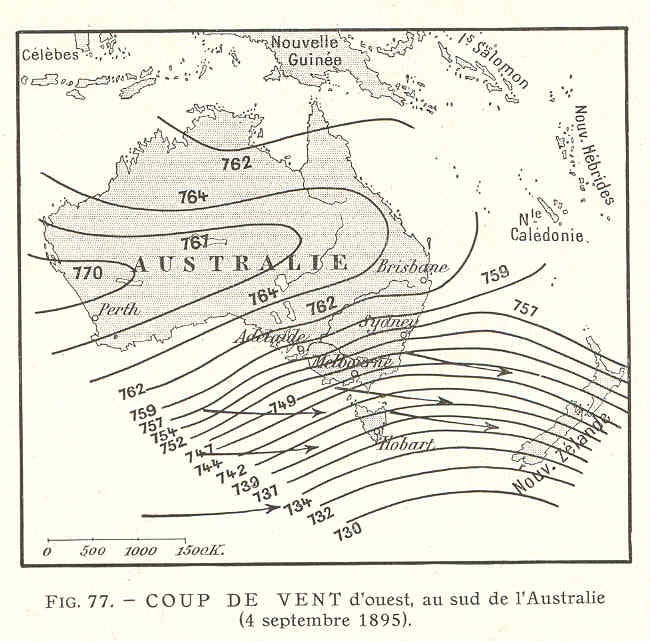
NOAA / Public Domain
Land slows the wind. The Southern Hemisphere, which is below about 40 degrees south is almost completely ocean.
Look at a globe. Spin it until you’re staring at Antarctica. You’ll see a ring in blue with pretty much nothing solid forming in the way.
Land slows the wind down. Mountains break up air masses. Continents cause storms to deviate from course and to alter direction.
In the north are the Himalayas, Rockies and Alps. All resist the atmosphere. Nothing in the south does that.
So wind builds up. It circles Antarctica nonstop. It never gets blocked. It’s been traveling around for millions of years without a single thing pushing it down on its way. The result is the fiercest and most persistent wind belt on Earth.
Clipper ship crews in the 1800s figured this out the hard way. They sailed south to catch these winds because it was the fastest route from Europe to Australia. Faster, yes. But many ships never arrived.
The Westerlies
DWindrim / CC BY-SA 3.0
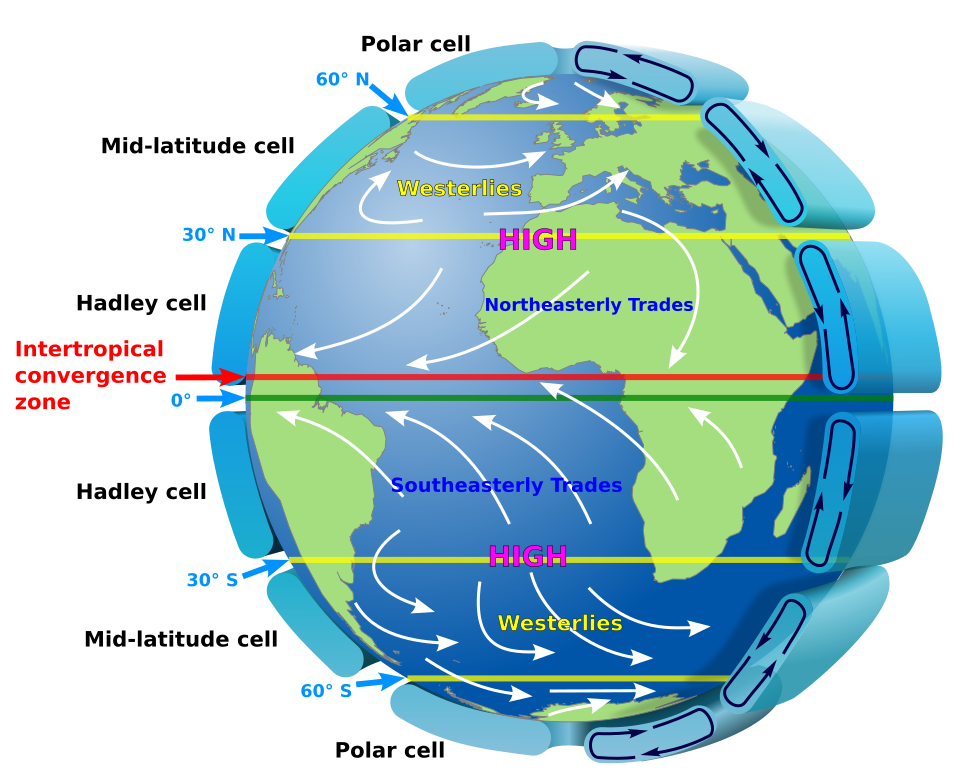
The main winds of the Southern Hemisphere storm belt are known as the westerlies. They blow from west to east. They are formed due to the rotation of the Earth and due to the differential heating of different parts of the Earth by the sun.
Warm air carries an upward flow around the equator. Close to the poles, cool air sinks. This temperature-pressure difference causes a movement in air pressure.
Earth’s twist of the wheel turns that over to the side. In the Southern Hemisphere the twist goes left. It’s called the Coriolis effect.
The result is a wind in the South that moves from west to east across the Southern Ocean. Because there’s no land to break this up, the wind just keeps moving.
A weather system that breaks out at the tip of South America can travel to Australia before it loses strength. Some travel all the way around the world many times.
That’s the same corridor our 2020 wave traveled through. A storm picks up speed off Patagonia and a few days later the ocean is rising on a beach outside Perth.
How Storms Form Down There
NASA / Public Domain
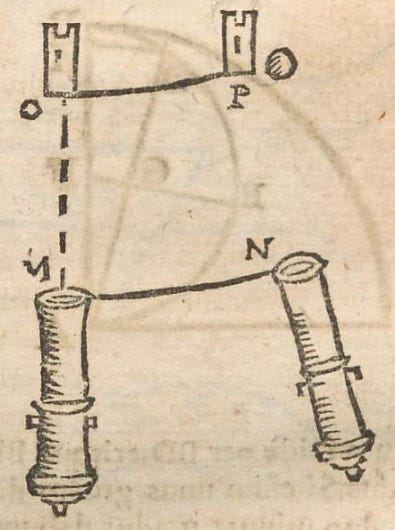
A Southern Hemisphere storm begins the same basic way that any storm begins. Warm air meets cold air. Where they meet, pressure drops. Wind moves in to fill the hole. Things start to spin.
But the spinning does not flow in the same direction as in northern storms. Hurricanes and large low-pressure systems spin counterclockwise in the north. They rotate clockwise around the south.
This is also the Coriolis effect in action. Same force, opposite direction, because you shifted hemispheres.
Southern Ocean storms are also large, fast-moving, and odd. A typical Southern Ocean low-pressure system can be larger than the entire continent of Australia.
The waves they produce can be as high as 15 to 20 metres, about the height of a six-story building. In the 1800s, sailors were warned that waves like that couldn’t happen.
The Polar Vortex Connection
NASA / Public Domain
High above Antarctica, there is a spinning pile of cold air. It lies over the South Pole nearly all year long. This is the Southern Polar Vortex. In winter, it is just very cold. Inside it, air is below -80 degrees Celsius.
The vortex sits there and basically sets the rules for everything around it. Cold air remains fixed near the pole. This pressure delta between the polar region and the middle latitudes also grows stronger. That pressure difference is what drives the Westerlies.
When the polar vortex is strong, the Southern Ocean storms are strong. But when it does weaken, things get strange. Cold air leaks into the lower latitudes in the sky. Patterns of weather collapse and become hard to forecast.
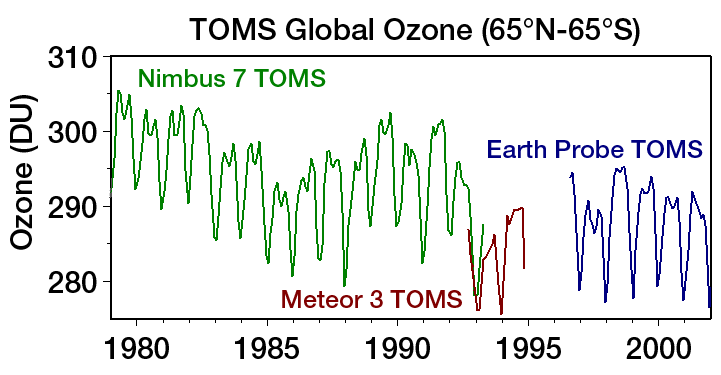
In recent times scientists have known that the Southern Polar Vortex has become stronger. Westerlies have been moving south. And this is most likely related to the hole in the ozone layer above Antarctica, altering how the atmosphere absorbs heat.
The Role of the Antarctic Circumpolar Current
Wikimedia Commons / Public Domain
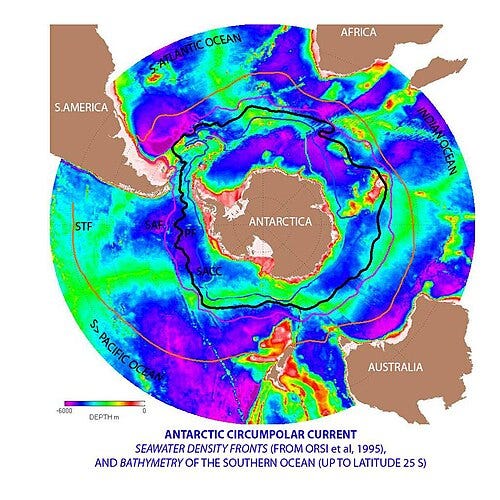
Under this wind, there is a flow of water. The Antarctic circumpolar current is in the direction of the wind. West to east. Around Antarctica. It is, by volume, the largest ocean current on Earth.
Every moment it carries between 165 and 182 million cubic meters of water past any certain point. By comparison, all the rivers on Earth in fact transport approximately 1.3 million cubic meters per second.
This flow and the storms over it mutually supply one another. The wind pushes the water. The difference in temperature between the water and the air in the sky causes more storms. Cold water combined with warmer water further north is adding instability to the atmosphere.
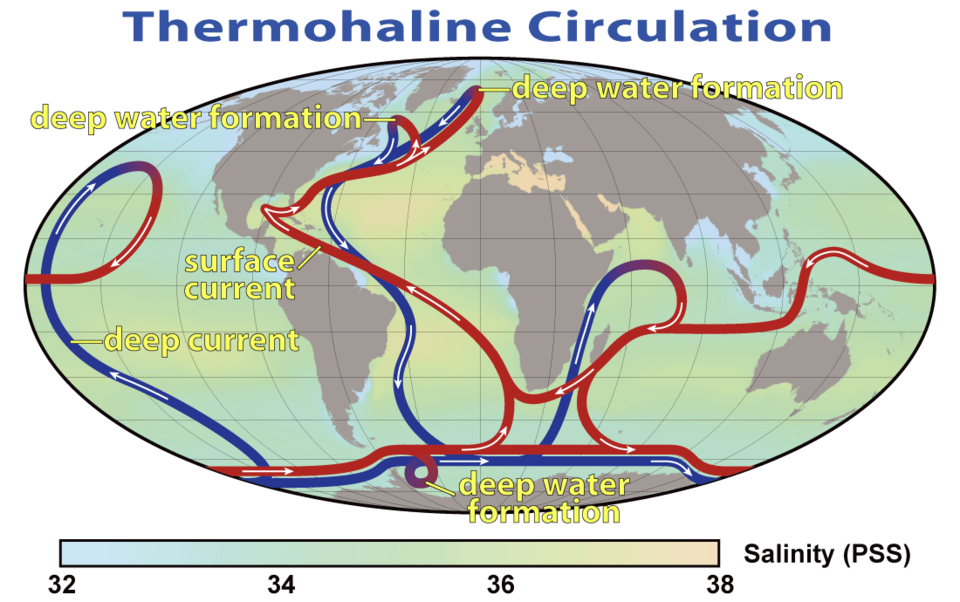
But the current also behaves like a conveyor belt that carries heat and carbon. It links the Pacific, Atlantic and Indian Oceans.
It takes cold, deep water to the surface and shoves warm surface water down into the deep. That circulation has implications for the entire climate of the planet, not just the area where the storms occur.
Why Storm Waves Are Bigger There
NASA / Public Domain
This is where that 23.8 m wave comes back into the picture.
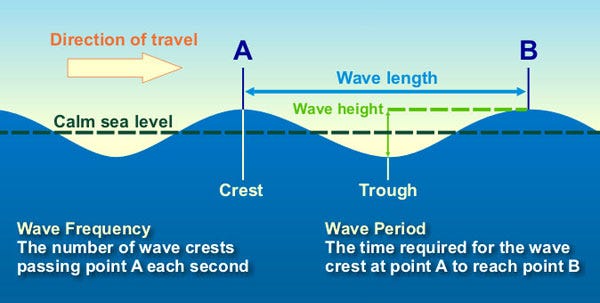
A wave has to absorb the energy and grow because of the wind. The longer the wind blows over water in one direction, the bigger the waves will be and therefore generate bigger waves. A wave grows because of the wind. The longer the wind blows over water in one direction, the bigger the waves get. Scientists call the distance from where the wind acts on water the fetch.
The fetch in the Southern Ocean is pretty much unlimited. The wind moving from west to east has the full circumference of the planet to work with. Nothing interrupts it. So waves keep growing.
They can traverse thousands of kilometers before coming ashore. When a Southern Ocean swell arrives on a New Zealand or South African beach, it has probably originated from somewhere near the tip of South America days earlier.
The largest instrumentally recorded wave was in 2020 in the Southern Ocean. It was 23.8 m high. That record came from southwestern Australia. It was not uncommon for this region as a whole. It was merely the one a buoy happened to catch.
What This Means for the Rest of the World
NASA / Public Domain
But those storms do more than just build waves. They also keep a much bigger system running.
The storms there push the mixing of the ocean. Cold, heavily oxygenated, carbon-absorbing water is pulled up from the deep. Warmer water is pushed down.
This pump operates partly with storm energy. If the storms change, the pump changes. If the pump does, the amount of carbon the oceans can absorb changes.
The Southern Ocean is currently absorbing roughly 40 percent of all ocean carbon dioxide that exits the atmosphere. That number depends on the wind, on the waves and on the stirring storms caused.
Climate scientists have worried that the westerlies are moving further away and storm tides are getting bigger. Carbon absorption capability might be changed in ways that can’t be fixed.
What Scientists Are Still Figuring Out
NOAA / Public Domain
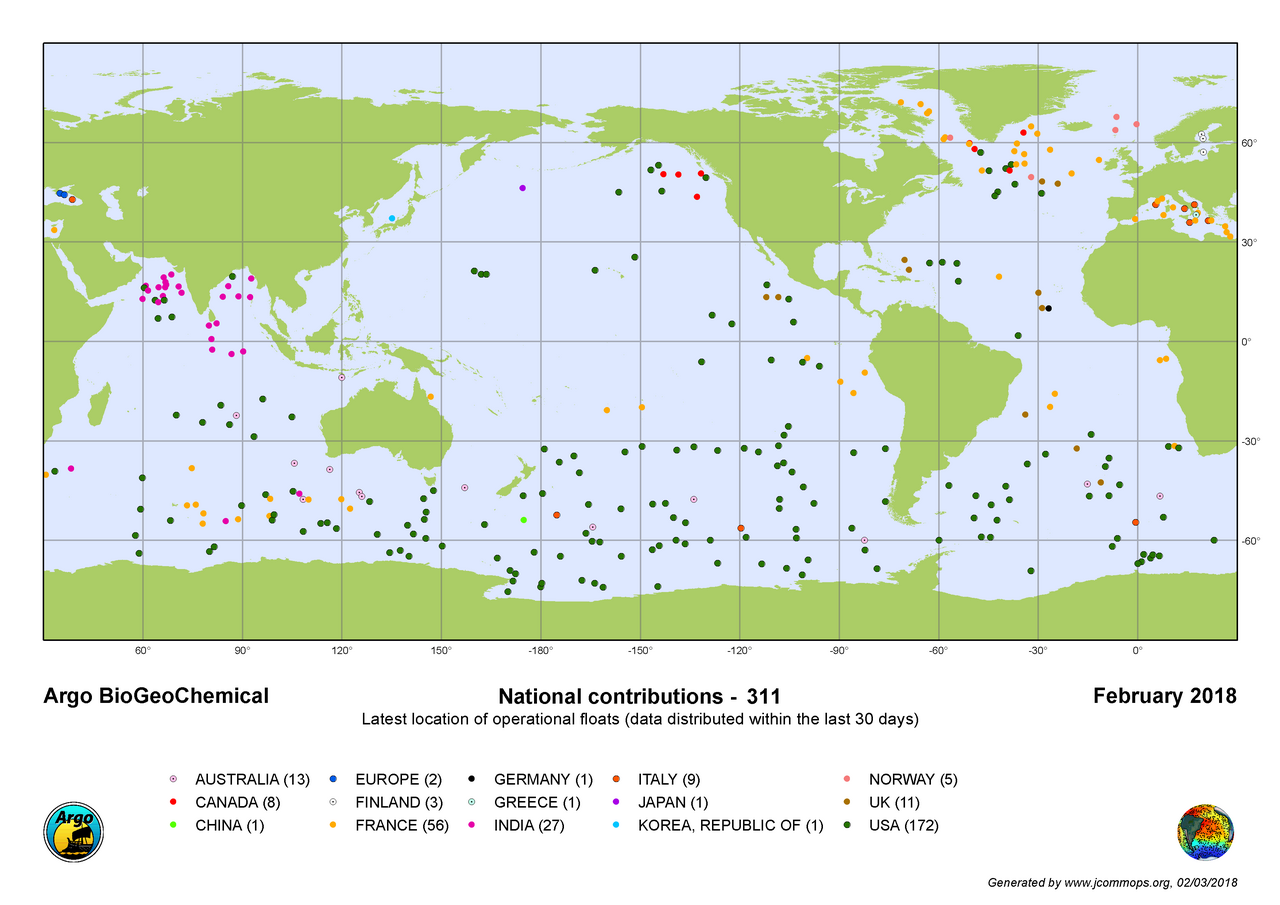
Even after a buoy catches a record wave, there is still a lot that researchers can’t measure. The Southern Ocean is far, by far, one of the least measured sites on Earth.
There were nearly no instruments measuring the area below 40 degrees south before the Argo float program began in the early 2000s. The waves can be detected from satellites. They cannot observe the activity in the water 1,000 m below the surface.
There is a debate going on regarding the amount of carbon absorbed by the Southern Ocean now. Other methods of measurement yield different results.
The storms also make gathering data difficult. You can’t just drop a research ship into 20-meter high seas every month in such a hurry.
The ozone hole is recovering slowly now that some chemicals have been banned. As it recovers, the vortex and the Westerlies may move back towards the north a little again.
That would again alter the storm patterns. Scientists anticipate that but not exactly when nor how much.
The Basic Point
The Roaring Forties and Furious Fifties are named after sailors who crossed them in wooden ships.
They were discussing 20-foot waves and winds that ran without end and storms that spun around the southernmost land without ever landing on the earth.
There’s nothing mysterious about the physics. Wind, pressure and the spin of the Earth. These forces operate in the same way everywhere.
What’s different is the setup. No land. No obstacles. One of the biggest temperature differences on this planet is being driven by a cold pole.
If you combine those ingredients, you end up with storms running laps around Antarctica for weeks.
It has been doing so for millions of years. It will still do so long after the last weather satellite stops transmitting.
메타데이터
- post_id
- 33ee8d5808b8
- slug
- the-hidden-physics-of-southern-hemisphere-storms-33ee8d5808b8
- url
- https://medium.com/southern-winds/the-hidden-physics-of-southern-hemisphere-storms-33ee8d5808b8
- canonical_url
- https://medium.com/southern-winds/the-hidden-physics-of-southern-hemisphere-storms-33ee8d5808b8
- author_url
- https://medium.com/@Navin-pandit
- status
- ok
- fetched_at
- 2026-06-23 03:48:11