Dementia IQ Weekly Digest | June 7, 2026
This Week at a Glance
Dementia IQ Weekly Digest | June 7, 2026
This Week at a Glance
It was a big week for foundational science — the kind of research that doesn’t change what you do tomorrow, but shapes what doctors and researchers will be doing five or ten years from now. From the largest-ever genetic mapping of Alzheimer’s risk to early clues about how brain cells break down and what might fix them, there’s a lot to unpack. Let’s dig in.
🧬 The Week’s Lead Story: Mapping the Genetic Landscape of Alzheimer’s
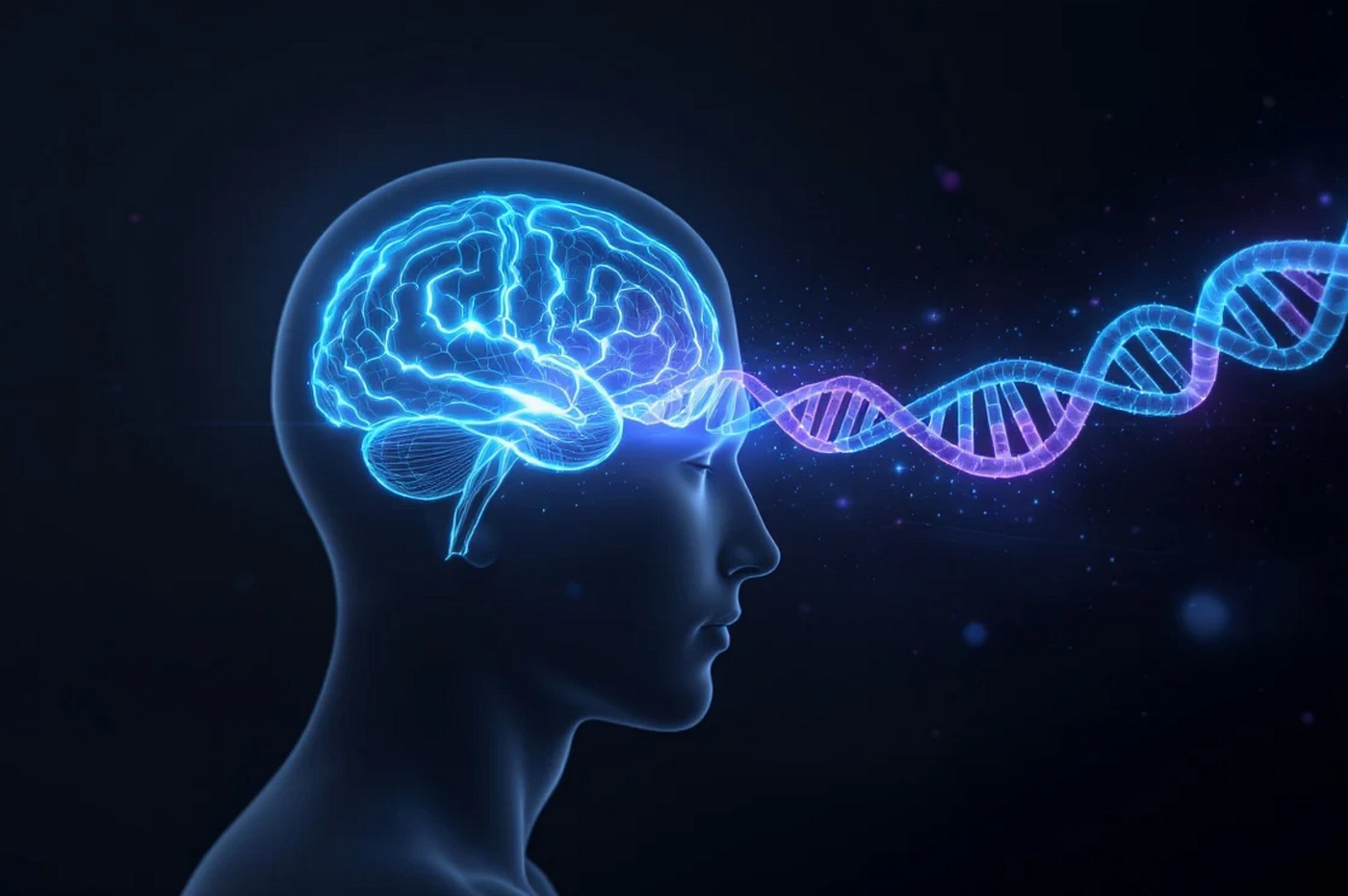
The most talked-about finding this week comes from a landmark consensus meta-analysis published in Nature Dementia — one of the most trusted journals in the field. Researchers pooled data from dozens of genome-wide association studies (GWAS) and identified 91 regions of human DNA associated with Alzheimer’s disease and related dementias, with 56 specifically linked to Alzheimer’s itself.
To put that in perspective: a decade ago, researchers had identified only a handful of these genetic risk regions. This is a significant expansion of the map.
What this means — and what it doesn’t: This is genuinely high-quality, large-scale science. But it’s important to understand what “identified a risk region” actually means. These are associations — areas of DNA that appear more frequently in people who develop Alzheimer’s — not confirmed causes. Think of it like noticing that people who carry umbrellas tend to get wet more often. The umbrella didn’t cause the rain.
There’s also an important limitation worth knowing: these findings are based almost entirely on people of European ancestry. That means the results may not apply equally across all ethnic and racial backgrounds — a gap researchers are actively working to close.
The bigger picture for you: This kind of genetic mapping is the foundation that future treatments get built on. Each risk region is a potential target for drug developers. It won’t change your loved one’s care today, but it’s the kind of science that makes better care possible down the road.
🔬 Understanding How Alzheimer’s Damages the Brain
Two studies this week offered early-stage but intriguing clues about the mechanics of Alzheimer’s — how it actually damages brain cells from the inside.
The brain’s waste disposal system: One preliminary study focused on a protein called ULK1, which plays a key role in a process called autophagy — essentially, the brain’s cellular housekeeping system that clears out damaged components. Researchers found that ULK1 levels are reduced in Alzheimer’s, potentially allowing harmful proteins to accumulate. A related finding looked at tau protein — one of the hallmarks of Alzheimer’s — and showed that abnormal tau disrupts how brain cells transport essential materials along their internal “highways.” Encouragingly, a drug-like compound reversed these transport problems in mice.
What this means: Both of these are very early-stage, preclinical findings — meaning they were studied in cell models or mice, not in people. The jump from “works in a mouse” to “works in a human” is long and uncertain. Many promising preclinical findings don’t survive that translation. But these studies help scientists understand why brain cells fail in Alzheimer’s, which is a necessary step toward stopping it.
🩺 Diagnostics & Biomarkers: The Quest for Earlier Detection
Several studies this week touched on one of the most active areas in dementia research: finding better ways to detect and predict the disease earlier.
- MRI + AI: A study explored whether a single MRI brain scan, analyzed by a machine learning algorithm, could predict both the presence and progression of Alzheimer’s. Results were promising — but this is still observational research that needs to be tested in larger, more diverse real-world populations before it could become a clinical tool. What this could mean for you: If validated, this kind of tool could eventually help families get clearer answers sooner, without needing multiple tests over time.
- Blood proteins as aging clocks: Two studies looked at whether proteins in the blood could serve as markers of biological aging — and whether different organs age at different rates. A third examined how the APOE ε4 gene (the most well-known genetic risk factor for Alzheimer’s) changes protein levels throughout the body in ways that might precede disease. These are all correlational, early-stage findings, but they’re building toward a future where a blood test might flag dementia risk years before symptoms appear.
- Digital cognitive tracking: A study validated a digital platform called Cumulus NeuLogiq for tracking cognitive changes over time in people with ALS and frontotemporal dementia (FTD). This is preliminary work, but digital tools that can sensitively track subtle cognitive changes at home — rather than requiring clinic visits — could be genuinely useful for caregivers managing day-to-day changes.
🥗 Lifestyle & Prevention: Timing Your Meals
Two studies this week examined time-restricted feeding (TRF) — the practice of eating within a defined daily window (say, 8–10 hours) rather than throughout the day. Both found benefits for healthspan and, in male mice, lifespan.
The honest caveat: Both studies were conducted entirely in mice. The leap to human benefit — especially for dementia specifically — is unproven. Mouse metabolism and human metabolism differ in important ways.
That said: Time-restricted eating is already being studied in humans for metabolic health, and it’s a relatively low-risk lifestyle approach for many people. If your loved one’s care team is open to it, it may be worth a conversation — but don’t make changes based on mouse studies alone.
🔭 The Bigger Picture: Aging Science Moves to Center Stage
Several this week’s items reflect a broader shift in dementia research: scientists are increasingly studying aging itself as the root problem, rather than treating each disease separately.
Studies on stem cell dynamics, peroxisomes (tiny cellular energy managers), and organ-specific biological aging clocks all point toward the same idea: that understanding why and how we age at a cellular level may unlock interventions that reduce dementia risk across the board. A conference roundup from the GIMM Festival on aging and longevity research captured this spirit well — highlighting how genes, lifestyle, and environment all interact in the aging process.
These are all early, theoretical, or model-based findings right now. But the convergence of so many researchers toward aging biology as a central target is meaningful. It suggests the field is maturing beyond “find a drug for amyloid” toward a more holistic understanding of brain health over a lifetime.
📅 Looking Ahead
Next week, keep an eye on:
- Clinical trial readouts for tau-targeting therapies, which are moving through the pipeline on the back of mechanistic findings like those highlighted above
- Continued validation of blood-based biomarker panels — several large studies are expected to report results in the coming months
- Diversity in research — there’s growing pressure on the field to replicate genetic and biomarker findings in non-European populations, and new studies are beginning to address this gap
메타데이터
- post_id
- 33facebdbbce
- slug
- dementia-iq-weekly-digest-june-7-2026-33facebdbbce
- url
- https://medium.com/@paulhoke/dementia-iq-weekly-digest-june-7-2026-33facebdbbce
- canonical_url
- https://medium.com/@paulhoke/dementia-iq-weekly-digest-june-7-2026-33facebdbbce
- author_url
- https://medium.com/@paulhoke
- status
- ok
- fetched_at
- 2026-06-24 18:57:25