China’s Artificial Sun: A Leap Towards Clean, Limitless Energy
Photo by NASA on Unsplash
China’s Artificial Sun: A Leap Towards Clean, Limitless Energy
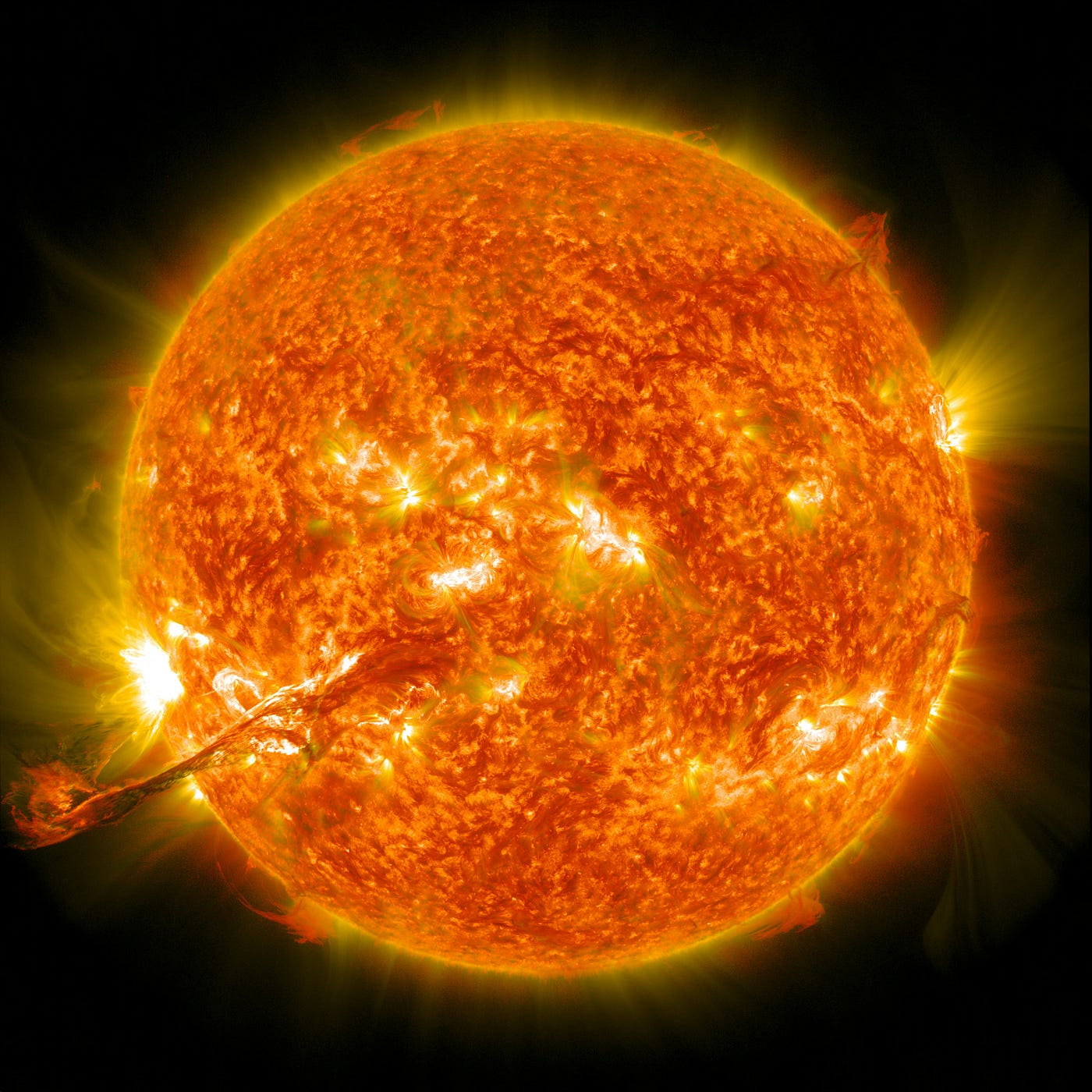
China has been making headlines with its “artificial sun,” a groundbreaking project designed to replicate the Sun’s energy-producing mechanism here on Earth. Known as the Experimental Advanced Superconducting Tokamak (EAST), this nuclear fusion reactor is part of the global effort to create a virtually limitless, clean energy source. If successful, EAST could revolutionize the way we produce energy and combat climate change.
What is the Artificial Sun?
The artificial sun is not an actual celestial body but a nuclear fusion reactor that aims to replicate the Sun’s core process — nuclear fusion. Unlike nuclear fission, which splits heavy atoms to release energy, fusion combines lightweight hydrogen atoms into helium, releasing massive amounts of energy. This process is what powers our Sun, and scientists around the world are working to harness it as a clean and sustainable energy source.
China’s EAST reactor is at the forefront of this research. The reactor uses hydrogen isotopes, such as deuterium and tritium, to generate energy. These isotopes are heated to extreme temperatures to form a plasma state, where fusion can occur under intense pressure and heat.
Record-Breaking Achievements
In December 2021, EAST achieved a major milestone by maintaining a temperature of 70 million degrees Celsius for 1,056 seconds (nearly 18 minutes). This set a new world record for sustained nuclear fusion. Additionally, the reactor’s plasma reached temperatures of 150 million degrees Celsius, which is over ten times hotter than the Sun’s core.
These achievements highlight significant progress in the journey towards stable and continuous nuclear fusion, which is crucial for making this technology viable for commercial energy production.
Why is Nuclear Fusion Important?
Nuclear fusion is often referred to as the “holy grail” of energy production due to its unparalleled benefits:
- Clean Energy: Fusion produces no greenhouse gas emissions, making it an ideal solution for combating climate change.
- Minimal Waste: Unlike nuclear fission, fusion generates minimal radioactive waste.
- Abundant Fuel Supply: Fusion relies on hydrogen isotopes, which are abundant and can be extracted from water.
- Safety: Fusion reactors do not carry the risk of catastrophic meltdowns, unlike fission-based nuclear power plants.
Challenges on the Path to Fusion Energy
While the potential of fusion energy is immense, several challenges remain:
- Plasma Stability: Sustaining the plasma at extremely high temperatures and pressures for extended periods is a complex task.
- Material Durability: The reactor components must withstand extreme heat and radiation without degrading.
- Economic Viability: The cost of developing and operating fusion reactors needs to be reduced for widespread adoption.
A Global Effort
China’s EAST project is part of a broader international initiative to make fusion energy a reality. It contributes to the International Thermonuclear Experimental Reactor (ITER), a collaborative project involving 35 countries, including the United States, India, and the European Union. ITER aims to build the world’s largest fusion reactor and advance the development of commercially viable fusion power.
What’s Next for China’s Artificial Sun?
China is determined to play a leading role in the global fusion race. The insights gained from EAST are paving the way for the development of future reactors, including the planned China Fusion Engineering Test Reactor (CFETR). CFETR aims to bridge the gap between experimental reactors like EAST and commercial fusion power plants.
The Future of Energy
The artificial sun symbolizes humanity’s relentless pursuit of innovation and sustainability. As China continues to push the boundaries of nuclear fusion research, the dream of clean, limitless energy is inching closer to reality. If successful, fusion technology could transform global energy systems, reduce our reliance on fossil fuels, and help mitigate the effects of climate change.
China’s EAST reactor is not just a technological marvel; it is a beacon of hope for a greener, more sustainable future.
메타데이터
- post_id
- 34022ff1e72f
- slug
- chinas-artificial-sun-a-leap-towards-clean-limitless-energy-34022ff1e72f
- url
- https://medium.com/@kootie73/chinas-artificial-sun-a-leap-towards-clean-limitless-energy-34022ff1e72f
- canonical_url
- https://medium.com/@kootie73/chinas-artificial-sun-a-leap-towards-clean-limitless-energy-34022ff1e72f
- author_url
- https://medium.com/@kootie73
- status
- ok
- fetched_at
- 2026-07-15 11:12:35