Digital Refractometer: Revolutionizing Precision in Liquid Analysis
Have you ever wondered how beverage companies ensure your favorite juice has the perfect sweetness or how scientists measure the purity of…
Digital Refractometer: Revolutionizing Precision in Liquid Analysis
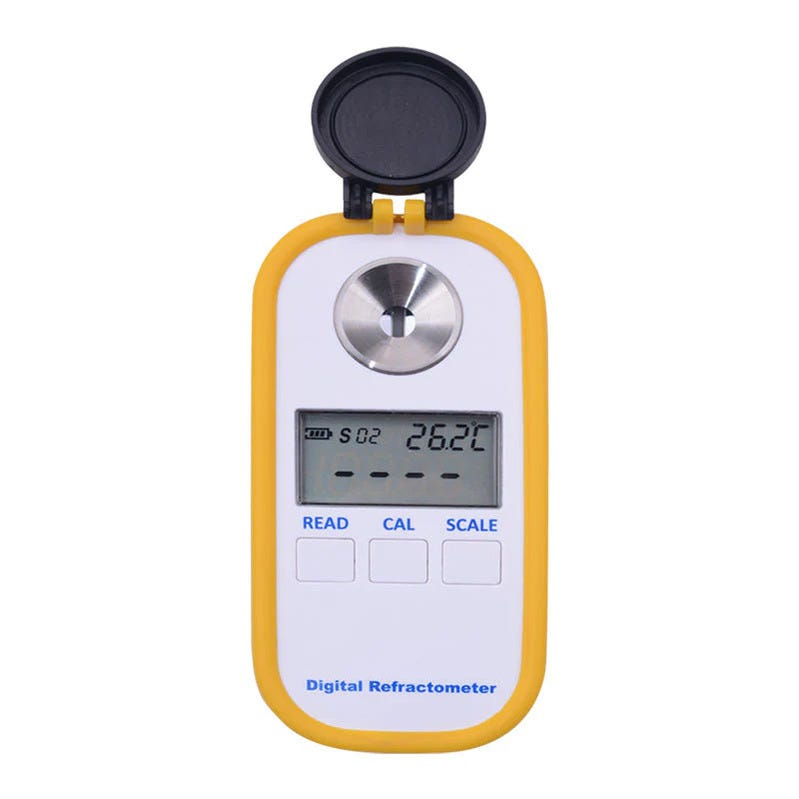
Have you ever wondered how beverage companies ensure your favorite juice has the perfect sweetness or how scientists measure the purity of liquids in a snap? The answer often lies in a compact, high-tech device called the **digital refractometer**. Let’s dive into how this innovative tool works, why it’s a game-changer across industries, and how it might even connect to the world of USB microscopes.
What is a Digital Refractometer?
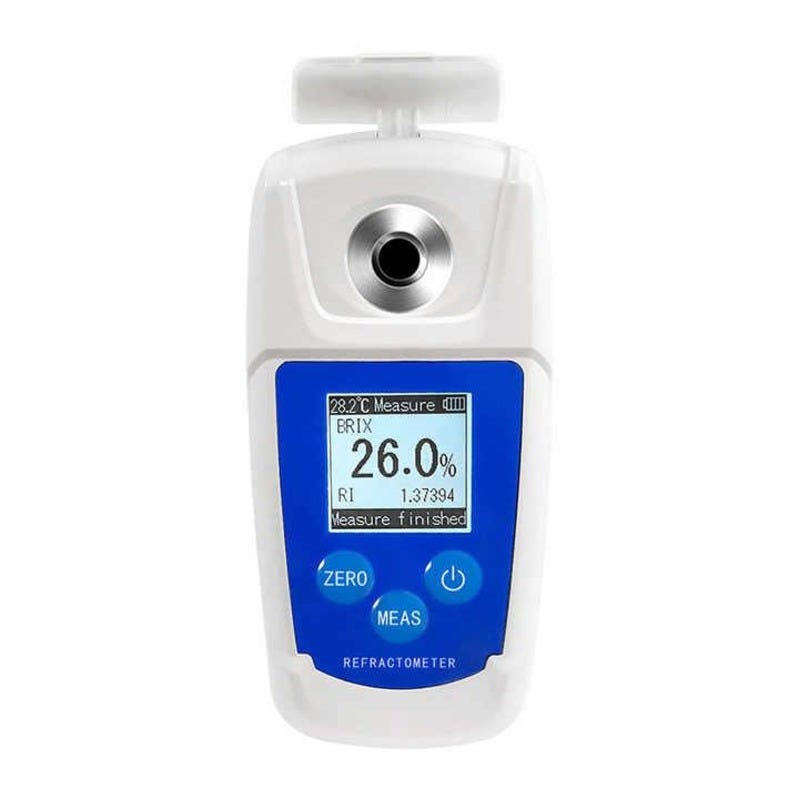
At its core, a digital refractometer is a precision instrument designed to measure the refractive index of a liquid or solution. This measurement helps determine the concentration of substances — most commonly sugars — in that liquid. For example, the Digital Brix Refractometer 0–55 is widely used to test sugar content in juices, beverages, and even in scientific research, offering fast and highly accurate results.
How Does a Digital Refractometer Work?
Digital refractometers operate on the principle of light refraction. When a liquid sample is placed on the device’s prism, light passes through the sample and bends (refracts) at an angle that depends on the sample’s composition. The device then uses sensors to measure this angle and instantly calculates the refractive index, which is displayed on an easy-to-read LCD screen.
Many modern digital refractometers, like the ones found in food and beverage industries, come equipped with features such as:
- LCD digital displays for clear readings of temperature, sugar content, and refractive index.
- High-quality optical sensors for rapid measurements, often within seconds..
- Protective covers to keep the optical prism clean and dust-free, ensuring reliable results.
- Wide applicability, from sugar analysis in juices to quality control in pharmaceuticals and chemicals.
Where Are Digital Refractometers Used?
The applications are as diverse as they are critical:
- Food and Beverage Industry: Measuring sugar content in juices, jams, honey, and energy drinks ensures consistent taste and quality.
- Agriculture: Farmers use refractometers to check the ripeness of fruits and optimize harvest times.
- Scientific Research: Accurate concentration measurements are vital in laboratories for various experiments.
- Industrial Quality Control: Ensuring the purity of solvents and other chemicals is crucial for product safety and compliance.
Digital Refractometer vs. USB Microscope: Is There a Connection?
You might be wondering, “What does a USB microscope have to do with a digital refractometer?” While they serve different primary functions, both devices are essential for modern laboratories and quality control environments.
A USB microscope provides high-resolution imaging and magnification, allowing users to visually inspect samples for impurities, bubbles, or particulates before analysis. Pairing a USB microscope with a digital refractometer can enhance accuracy: first, you visually inspect the sample for contaminants, then you measure its refractive index for precise concentration data. This combination ensures both the visual and chemical integrity of your sample, making it a powerful duo for quality assurance.
Why Choose a Digital Refractometer?
- Speed: Get instant results, often in seconds.
- Accuracy: Digital sensors minimize human error and provide reliable data.
- Ease of Use: Simple interfaces mean anyone can operate them with minimal training.
- Versatility: Suitable for a wide range of liquids — from sugary syrups to industrial solvents.
- Portability: Many models are compact and rugged, ideal for both lab and fieldwork.
Frequently Asked Questions (FAQ)
Q: What is the primary use of a digital refractometer? A: Its main use is to measure the refractive index or concentration of substances in liquids, such as sugar content in beverages or purity in chemicals.
Q: How is a digital refractometer different from an analog one? A: Digital refractometers offer faster, more accurate readings and often display multiple parameters (like temperature and concentration) on a digital screen, while analog models require manual reading and interpretation.
Q: Can I use a USB microscope with a digital refractometer? A: Absolutely! A USB microscope is great for inspecting samples before measurement, ensuring no contaminants interfere with your refractometer’s readings.
Q: What types of samples can I measure? A: You can measure a wide variety of liquids, including juices, honey, wines, chemicals, and even industrial solutions.
Q: How do I clean and maintain my digital refractometer? A: Most models come with a dust-proof protective cover. Simply wipe the prism with a soft, damp cloth after each use to keep it clean and accurate.
Digital refractometers, especially when paired with tools like USB microscopes, are transforming the way we analyze and ensure the quality of liquids. Whether in the lab, on the factory floor, or out in the field, these devices deliver reliability, speed, and precision, making them indispensable in today’s data-driven world.
메타데이터
- post_id
- 34673d58affa
- slug
- digital-refractometer-revolutionizing-precision-in-liquid-analysis-34673d58affa
- url
- https://medium.com/@uniglobalbusinessseo/digital-refractometer-revolutionizing-precision-in-liquid-analysis-34673d58affa
- canonical_url
- https://medium.com/@uniglobalbusinessseo/digital-refractometer-revolutionizing-precision-in-liquid-analysis-34673d58affa
- author_url
- https://medium.com/@uniglobalbusinessseo
- status
- ok
- fetched_at
- 2026-07-26 20:20:34