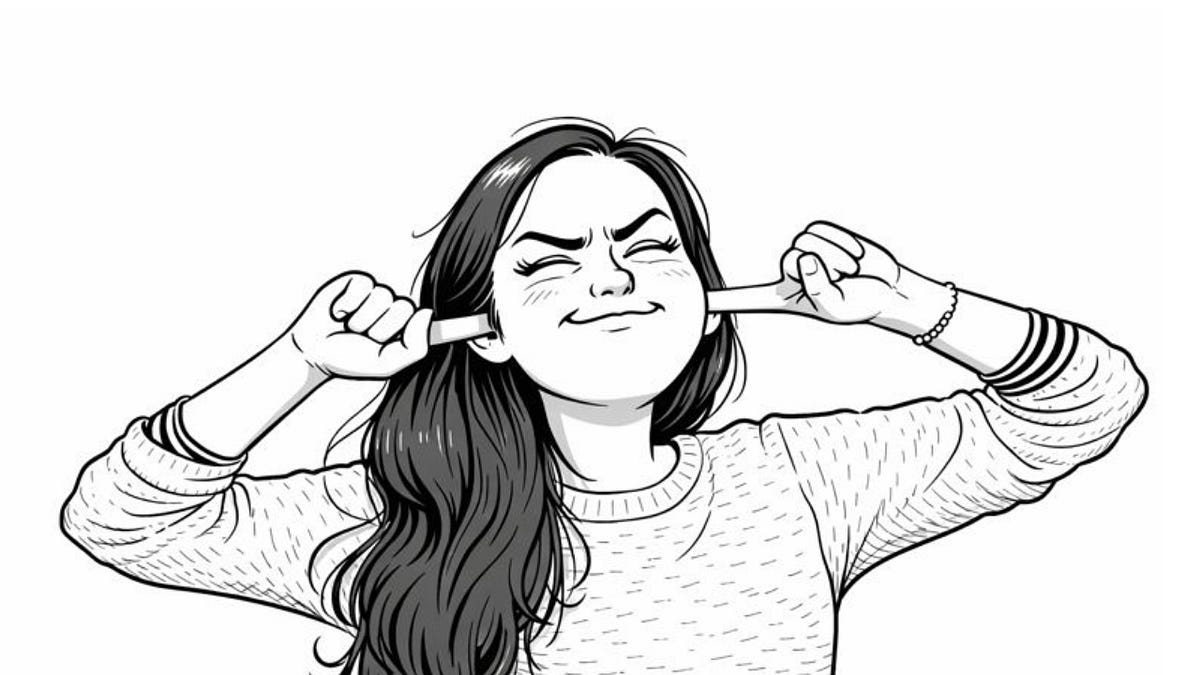
Under the Skin
When the two blind gods of the beginning create this world out of their squabbles, other things come alive in ways they do not expect. Who…
Under the Skin

When the two blind gods of the beginning create this world out of their squabbles, other things come alive in ways they do not expect. Who knew that, after they killed each other, they would refuse to die and instead, become fodder for the new life of this world? That their blood would run clear and full, salted by their sweat as they tussled? Or that their breath would be trapped in a pocket of nothingness, an envelope of hot air to suffocate them or that even their bodies, slumped over in death, would turn to dust, and loam and clay and hard rock? Not the men who crawled out of their blood waters.
So men do not remember the violence that broke this world in their birthing, or the one that drives them. Which is what brings the boy to the girl; or at least to the water.
He comes to her lost, like men are in all their wars. This one starts too late, after too many dead. The man is a boy when the war stitches him into a family of other boys. The war comes at them in surges and what does not kill them, maims them. So that they become a collection of chipped, cracked and broken survivors. There are times when they are unsure what the enemy is, but the boy always guessed it was hunger. And by the time it has driven him to the river, he is the only one without a grave yet.
He slips into the water and watches the soldiers line the banks. A few wade in, firing across the water. He wonders why they just don’t give up and leave. He wonders why he doesn’t just give up and die.
She watches him sink, waits for all the other soldiers to leave and then she goes to him, tearing the Nhkikime leaves that crawl into the water at the edges of the groove. She knows all the stories about men; all the songs of their arrogance and the legacy of their violence. Still, she goes to him and carries him to the rock behind Ikhuli Igig. She feeds him the weed and waits for him to cough. He coughs and she retreats, waiting for more to happen. It does. He sits up in a bolt and turns to look at her under the water. His eyes are the richest brown.
She turns to leave but he reaches into the water and grabs her.
“Mamiwata!” He smiles. He has lost a tooth in a corner of his mouth and the helmet strapped across his face sits crooked on his head but still, he is beautiful.
“Don’t leave me na.”
She doesn’t. Not for many years. Not after she is found out and charged with treason. Not after he is tied off and left to die on this very rock, her punishment to watch him. Instead, she eats the Nhkikime for him and breathes the foul breath of the dead gods for him. She will learn to love it as she loves him.
She doesn’t leave after the violence turns inwards and he chases ghosts down every bottle of gin he can find. When this is not enough, he turns on her. She wonders if he forgets how he wooed her. How she marked her body so that home would not find her, how she grew legs for him. But she knows his story, and how easily men forget.
She doesn’t leave because of the children— and all the other things that die after. She folds them into neat squares of grief. She looks for him in his thrust and hopes to catch his brown eyes looking at her like he had on that rock.
She leaves because of the child. She carries it to the dry places, where the retribution of home cannot find it or its father’s violence touch it. She puts everything in this child so that this one will live in the ways she is now dead. Under the child’s skin, she cuts a map, bleeds it out and then fills it with wood ash so the child can always find it. Here, she hides the secret of travel and hopes that the girl will learn to carry home with her.
The child doesn’t understand what it means, she doesn’t understand why her mother has cut up her skin with the mark of a tortoise or lines into her face so that the other kids meowed when she walked past. She does not understand why she cannot go to the beach even though she is a better swimmer than everyone else.
So this morning, before the mother wakes up with a tightening in her chest, she dreams about the boy again. She wonders if she would eat Nhkikime again for anyone. She would, if all of it would bring her here to the child. But after, when the day has finished breaking and the dream has ended and the tightening in her chest has settled to discomfort, the school bus stops at her gate and the head teacher runs up the stairs to ask her if Ansa had come home on her own. She wonders if this is what the tightening meant. She searches, below her left breast, in the place she cut open as a sacrifice so that this child would live. She sees the child, nestled in the bus and watching the other children run out into the water. She sees the boy that brings her flowers- a water hyacinth. The child has told her about this boy and the mother has seen how the girl’s voice changes when she talks about him, becoming like something that can fly. She watches now, as the boy takes the child’s hand and then they are running towards the water.
She tries to follow the child, but she has marked her body so that home cannot find her.
메타데이터
- post_id
- 348fa90caab6
- slug
- when-the-two-blind-gods-of-the-beginning-create-this-world-out-of-their-squabbles-other-things-348fa90caab6
- url
- https://medium.com/@mojeikpeme/when-the-two-blind-gods-of-the-beginning-create-this-world-out-of-their-squabbles-other-things-348fa90caab6
- canonical_url
- https://medium.com/@mojeikpeme/when-the-two-blind-gods-of-the-beginning-create-this-world-out-of-their-squabbles-other-things-348fa90caab6
- author_url
- https://medium.com/@mojeikpeme
- status
- ok
- fetched_at
- 2026-07-28 02:21:31