Fertility Testing for Women: A Guide to Understanding Your Reproductive Health
Fertility is a significant part of a woman’s overall health and life planning. Whether you’re considering starting a family now or in the…
Fertility Testing for Women: A Guide to Understanding Your Reproductive Health
Fertility is a significant part of a woman’s overall health and life planning. Whether you’re considering starting a family now or in the future, knowing where you stand in terms of fertility can offer clarity and confidence. A fertility test for women is a medical evaluation that provides insight into reproductive potential, identifying possible challenges and helping you make informed decisions about your next steps.
Many women wait until they encounter difficulty conceiving before seeking fertility testing, but it’s becoming more common to proactively check reproductive health earlier in life. With advances in medical science and increased access to testing, fertility awareness is no longer limited to women actively trying to conceive. It is now a proactive health step, much like an annual physical or blood work.
What Is a Fertility Test for Women?
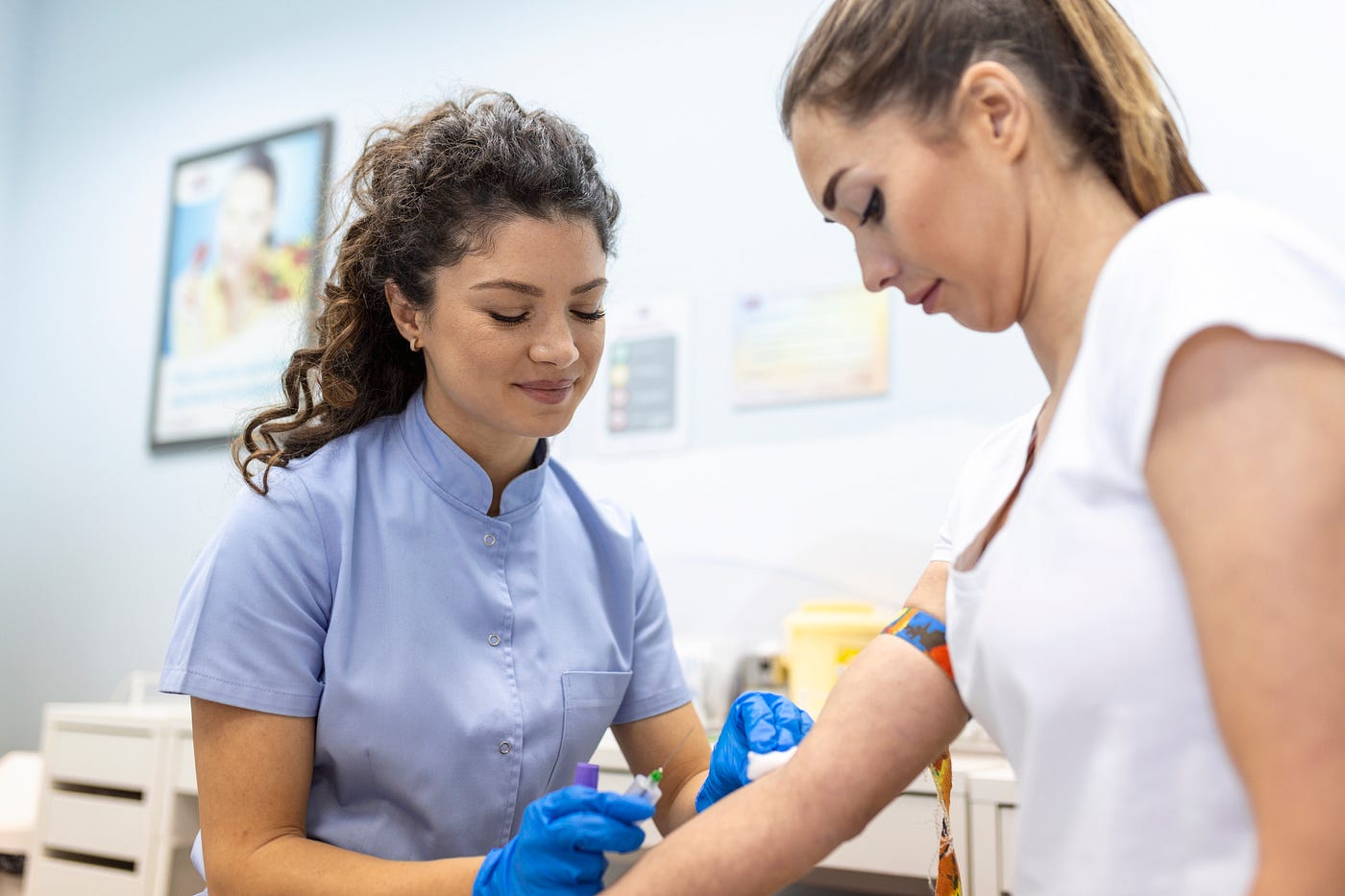
A fertility test for women is not a single test but rather a series of evaluations that assess various aspects of reproductive health. These tests examine hormone levels, egg quantity and quality, ovulation patterns, and the health of the reproductive organs. Together, they provide a comprehensive view of a woman’s ability to conceive naturally or with medical assistance.
Fertility testing can be as simple as a blood test or as detailed as imaging scans and diagnostic procedures. The goal is to pinpoint any underlying medical issues that may interfere with conception or pregnancy.

Who Should Consider Fertility Testing?
While fertility testing is often recommended after a year of trying to conceive (or six months for women over 35), it can also be useful much earlier in certain circumstances. Women with irregular periods, a history of miscarriage, diagnosed conditions like PCOS or endometriosis, or a family history of early menopause may benefit from testing sooner.
Additionally, women who want to delay pregnancy but are curious about their fertility window, or those considering egg freezing, often use testing to help plan accordingly. Understanding your fertility is not just about reproduction — it’s a vital piece of your overall health.
Key Fertility Tests for Women
When you visit a fertility specialist or OB-GYN, the testing process typically starts with a detailed health history and bloodwork. Hormone testing plays a central role in assessing fertility. Follicle-stimulating hormone (FSH), luteinizing hormone (LH), estradiol, and anti-Müllerian hormone (AMH) are among the most commonly measured hormones. FSH and LH help regulate the menstrual cycle and ovulation, while AMH offers a direct indicator of ovarian reserve — the estimated number of eggs remaining in the ovaries.
In addition to bloodwork, many women undergo a pelvic ultrasound. This scan evaluates the uterus and ovaries for abnormalities such as fibroids, cysts, or signs of endometriosis. It also allows doctors to count the number of follicles (small sacs that contain immature eggs) in the ovaries, offering another indicator of egg reserve.
Some tests focus on the fallopian tubes, which are crucial for natural conception. A hysterosalpingogram (HSG) is an X-ray procedure that checks for blocked or damaged fallopian tubes and can also assess the shape of the uterus.
Your doctor may also want to track ovulation over time. This can involve using ovulation predictor kits at home or measuring progesterone levels through blood tests. If you’re not ovulating regularly, that may be the key issue affecting your fertility.
Understanding the Results
Receiving the results of a fertility test for women can be both reassuring and emotional. Normal results indicate that your reproductive system is functioning within expected parameters, which is encouraging. However, it’s important to remember that normal fertility test results do not guarantee pregnancy — it simply means that no major obstacles have been identified.
If a test reveals a potential problem, it opens the door for solutions. For example, hormone imbalances can often be treated with medication. Structural issues in the reproductive tract may be corrected surgically or bypassed through assisted reproductive technologies like IVF. If ovarian reserve is low, you may choose to explore options such as egg freezing or donor eggs, depending on your goals.
Whatever the results, fertility testing gives you the knowledge needed to take action and explore options with a fertility specialist.
The Role of Age in Fertility Testing
Age is one of the most significant factors influencing female fertility. Women are born with all the eggs they will ever have, and both the quantity and quality of those eggs decline over time. By the early 30s, fertility begins to decrease, and by 40, the chance of natural conception drops significantly.
This is why many fertility specialists recommend testing for women in their late 20s or early 30s who are not yet ready for children but want to understand their fertility timeline. With early testing, women can make proactive decisions — whether that means starting a family sooner, freezing eggs, or simply monitoring their fertility over time.
Emotional Considerations of Fertility Testing
Getting a fertility test for women is more than a clinical experience — it often carries deep emotional weight. The process can trigger feelings of anxiety, fear, or disappointment, especially if test results reveal unexpected issues. That’s why it’s essential to work with a healthcare provider who offers compassion and support alongside medical expertise.
Involving your partner in the process can also make a big difference. Fertility challenges often affect both partners, and testing both individuals at the same time can streamline diagnosis and treatment. Remember, fertility is a shared journey, and open communication is vital throughout the process.
Support groups, counseling, or simply talking with others who have gone through similar experiences can also be helpful. No matter the results, you’re not alone — and there are many paths to parenthood, each supported by evolving medical options.
At-Home Fertility Testing Options
In recent years, at-home fertility tests for women have become increasingly popular. These kits typically measure hormone levels, such as AMH, from a small blood or saliva sample. The results are usually delivered through an app or secure portal, offering privacy and convenience.
While at-home testing can be a good starting point, it’s important to remember that these tests are not as comprehensive as those done in a medical setting. If you receive abnormal results or are concerned about your fertility, follow up with a healthcare provider for a full evaluation.
At-home tests may provide insight, but they should be considered a first step rather than a definitive assessment.
Conclusion
A **fertility test for women** is a powerful tool for anyone seeking to understand their reproductive health. Whether you’re trying to conceive, planning for the future, or simply curious about your fertility, these tests offer crucial information that can shape your health journey.
With options ranging from bloodwork to imaging scans and at-home kits, fertility testing is now more accessible than ever. It allows you to identify any underlying issues, explore treatment options if necessary, and take control of your family planning with confidence.
Most importantly, fertility testing opens up possibilities — not just for getting pregnant, but for better understanding your body, your timeline, and your choices. In today’s world, knowledge is power, and a fertility test for women provides exactly that: the knowledge to plan your future with clarity and control.
메타데이터
- post_id
- 34aba3a1899c
- slug
- fertility-testing-for-women-a-guide-to-understanding-your-reproductive-health-34aba3a1899c
- url
- https://medium.com/@kuonhealthcare/fertility-testing-for-women-a-guide-to-understanding-your-reproductive-health-34aba3a1899c
- canonical_url
- https://medium.com/@kuonhealthcare/fertility-testing-for-women-a-guide-to-understanding-your-reproductive-health-34aba3a1899c
- author_url
- https://medium.com/@kuonhealthcare
- status
- ok
- fetched_at
- 2026-06-21 15:33:18