The Crash and Burning of Suits LA
A Case Study in How (Not) to Make a Spin-Off
A Spin-Off So Bad, Even Netflix Couldn’t Save It
The Crash and Burning of Suits LA
A Case Study in How (Not) to Make a Spin-Off
Image Generated in Adobe Firefly | Edited by EKW
There’s an old, wise saying: “Just because you’ve struck gold once doesn’t mean you can strike it again.” In the television industry, where success is often seen as a repeatable formula, this wisdom is frequently ignored. Executives are adept at making money from popular content, even in today’s competitive, streaming-driven market, often by turning popular TV series into spin-offs.
In the entertainment world, spin-offs — defined by Wikipedia as “any narrative work derived from an already existing work that focuses on different aspects from the original work” — have grown in popularity. This strategy is often motivated by a desire to capitalize on the success of established franchises, prolong their existence, and appeal to existing fan bases. Because a recognizable brand ensures a certain level of audience engagement, studios see these stories as a lower-risk investment than creating entirely new intellectual property.
Instead of developing original ideas, many studios are still going all-in on these IPs, placing big bets on well-known properties and hoping to profit from existing fan bases. However, this lack of innovation can quickly lead to franchise fatigue and subpar performance as audiences become more discerning. Sometimes, these spin-offs lack the very charm that made the original “mothership” so beloved. They can even weaken the original’s legacy, leaving viewers wishing the studios had just left well enough alone.
Today, I want to talk about why spinning off a successful show doesn’t always work, using a recent example.
[embed]Video by **NBC** on YouTube
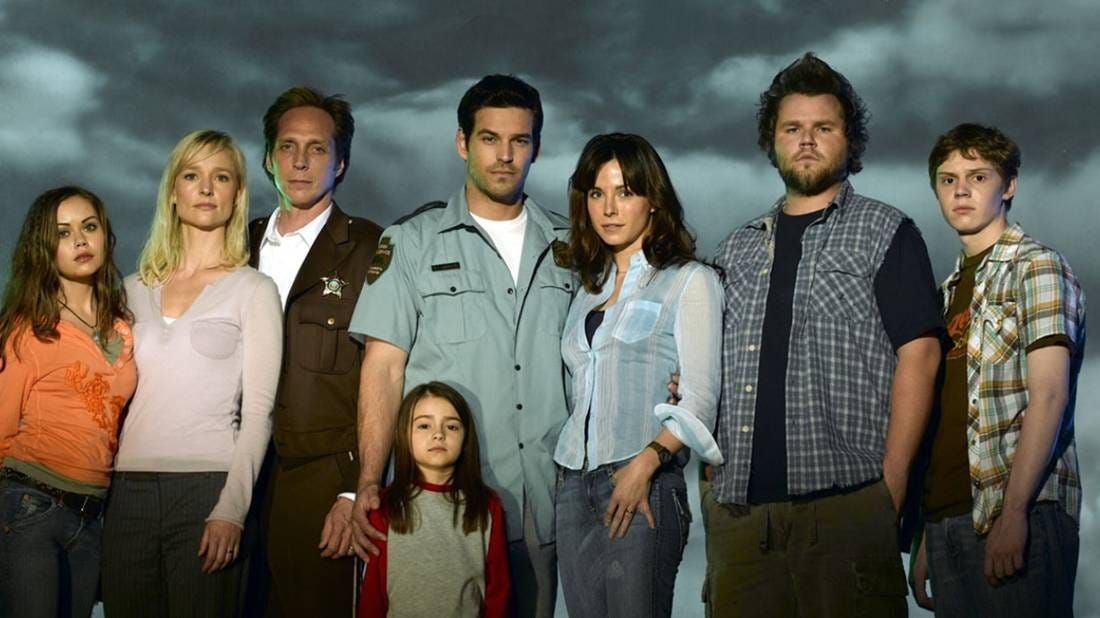
In February, NBC launched Suits LA, a spinoff of USA Network’s hit show Suits. NBC executives had high hopes for the show. While the original was a sleeper hit during its initial run, it got a second life when Netflix acquired it in 2023. At the time, with writers and actors on strike, viewers were hungry for new content and binged the show in droves. That summer, it became the hottest series on the streaming platform, sweeping the top 10 charts. Some people even thought it was a Netflix original, not a cable drama from years past.
Naturally, executives thought a spin-off would be just as successful, attracting both original fans and new viewers who discovered it on Netflix. So, in 2024, NBC gave the offshoot a series order and brought in original creator Aaron Korsh as showrunner. They were off to the races, but they soon realized that banking on an established property and its renewed popularity looks good on paper but doesn’t always translate to success.
I’ll be honest, I’m not a fan of the original show and never even watched it. So, I wasn’t surprised that the spinoff was canceled. I don’t think it was a bad show; it just never interested me. Maybe it was the timing, or maybe I only knew about it because Meghan Markle was in it, but it flew under my radar.
That said, you don’t need to be a die-hard fan to see that the spinoff was dead on arrival. When the pilot premiered, critics panned it, which led to low viewership. While some saw potential, many felt it lacked the spark that made the original a hit. Viewers, especially fans of the original, were split. Some praised certain aspects, while others echoed the same criticisms as the critics. All of this led to its cancellation. The sad part is that NBC likely knew this show wouldn’t be a success but went ahead with it anyway because Suits was a recognizable name.
[embed]Video by **John Campea** on YouTube
Failed TV offshoots are nothing new. For the past decade or so, we’ve seen countless attempts to capitalize on popular series or franchises with varying degrees of success. Can you recall the two-season Criminal Minds offshoot, Beyond Borders? Or the forgotten One Chicago series, Chicago Justice? Or that Sanford and Son spin-off, Grady? I’ll just pretend you actually can.
But Suits LA is an exceptional case in that, again, it was based on a successful cable television series that was a streaming phenomenon. That presents an exceptional challenge: is it possible to get a new version to capture lightning in the bottle, or will it be just one more casualty in the long line of spin-offs that were unable to live up to their predecessors?
Unfortunately, for those who watched it, NBC chose the latter.
So, why did it fail, and what can future offshoots learn from it? A lot of things went wrong, which led to its cancellation. I’ve distilled the major issues the spinoff faced down to three key problems and included some lessons on how to best avoid them.
Palm Trees Don’t Make a Great Legal Drama

Image Generated in Adobe Firefly
Suits LA struggled with a major issue: a lack of a cohesive story. While the premise was intriguing, the plot felt disjointed and failed to develop the characters or the overall narrative.
[embed]Video by **prodka **on YouTube
The original show, Suits, had a somewhat unusual concept for a legal drama. It followed Mike Ross, a talented but unlicensed lawyer, who worked as an associate for “hot shot” attorney Harvey Specter at a New York law firm. The central twist was that Mike had never attended law school. For most of the show, the humor and tension came from Mike trying to hide his secret and the comedic misunderstandings that arose from other characters not knowing he was a fraud. This deception created a unique dynamic, with the audience in on the secret, and provided a strong emotional core as Mike wrestled with his conscience and Harvey risked his career to protect him.
Suits LA took a much different approach. It follows a former federal prosecutor who becomes a lawyer for celebrities in Los Angeles while dealing with personal problems. As I said, this sounds good on paper, but on-screen, there were red flags. I would even argue that the reason the spin-off failed in storytelling is that it didn’t know what it wanted to be.
[embed]Video by **thejasonshowtv **on TikTok
For one thing, the show lacked the strong hook that made the original a classic. The original Suits had a concept that grabbed you immediately: an underdog with a fabricated backstory. That premise instantly established high stakes and a mystery that hooked viewers on Mike Ross’s high-wire act. Suits LA lacks all of this. There was no underdog to root for and no clear tensions. The secrets in the show were mostly reduced to exposition. The lack of a compelling central conflict left Suits LA feeling adrift and unable to replicate the gripping urgency of its predecessor.
And that’s not even getting into the L.A. side of things. While we’ve seen shows spawn spin-offs in different places, it was nothing special. Often, a show’s original setting is deeply interwoven with its identity and narrative, making a geographical shift a huge risk. The original series’ New York City setting created an atmosphere of high stakes for its cases — a mood of urgency and grit common to the high-pressure legal drama of a big city. The distinct cultural and legal flavor of New York contributed immensely to the show’s mood and the types of cases it could believably present.

Image Generated in Adobe Firefly
The move to California completely ruined its credibility. This extreme locale change removed the show’s built-in connection to the East Coast legal landscape, making it hard for viewers to accept the legitimacy of the stories. LA was all about some guy helping out famous people, with no real stakes. It felt like an excuse for celebrity cameos and establishing shots of palm trees and the Hollywood sign. That’s probably what hurt its chances of success; it was just a carbon copy of the original, minus the charm and tension.
Lesson Learned
A successful spin-off must balance innovation with the core appeal of its predecessor. Suits LA failed because it abandoned the fundamental elements that made Suits compelling — an engaging hook, a relatable underdog, and a high-stakes setting. Future showrunners should ensure their offshoots retain the emotional and narrative tension that defined the original while introducing fresh conflicts that feel essential rather than incidental. Without a strong central premise, characters viewers can root for, and a setting that heightens drama, a spin-off risks feeling hollow rather than a worthy continuation of a beloved IP.
Who Are You People and Why Should I Care?

Image Generated in Microsoft Designer | Edited by EKW
The second problem that doomed the spin-off was its colorful cast of characters — or lack thereof. Viewers often tune in for the characters, and if they don’t connect with them, even a familiar premise falls flat. It’s tough to launch a spin-off without flawed, recognizable characters that people can invest in, and Suits LA failed to do this.
[embed]Video by **Suits Official** on YouTube
What was so captivating about Patrick J. Adams’s Mike Ross was his inherent underdog status, paired with an astonishingly sharp mind and a secret that shadowed him every day. He was a college dropout with a photographic memory, hired into an elite law firm that only hired Harvard Law graduates. That central tension — the constant threat of being discovered — was an immediate hook that made viewers care about him. Furthermore, Mike’s genuine desire to succeed, his sincere commitment to Harvey, and his transformation from a wide-eyed prodigy into a sophisticated attorney with a firm moral compass made him heartbreakingly captivating. He wasn’t just a legal wunderkind; he was a character that people could root for, empathize with, and love.
In stark contrast, Stephen Amell’s Ted Black had none of this. He lacked a single overarching threat to hook viewers and was hardly interesting. His past, while mentioned, felt more like a storytelling requirement than an interesting motivation. He was just a generic “straight man with a dark past” you’ve seen in every other show. Some fans even admitted he was woefully miscast as the lead. As Pajiba’s Dustin Rowles so effectively put it, “Watching him is like queso an hour after it’s been eaten: a brick in your stomach.” ¹
Another frequent complaint was the series’ lack of character development. Like the original show, Suits LA introduced a diverse cast but offered little in the way of well-developed characters. Instead, it threw people at the screen with shoehorned exposition that viewers could care less about. This approach gave viewers little reason to believe in the new cast, as their backstories sounded more like plot devices than genuine efforts to flesh out their motivations and inner struggles.
[embed]Video by **Peacock** on YouTube
The biggest buzzkill of all, however, was the lack of good character chemistry. The unadulterated bromance between Mike and Gabriel Macht’s Harvey was what drew viewers to the mothership. Their dynamic was a masterclass in how compelling character relationships can elevate a series, making viewers deeply invested in their journey. The original show, despite being an ensemble, was largely about the duo. Their tough tug-of-war — with Harvey’s cynical cleverness countering Mike’s starry-eyed ambition — and their evolving mentor-student relationship formed the show’s emotional core.
[embed]Video by **Suits Official** on YouTube
The offshoot tried to recreate this dynamic but diffused its energy too widely, and none of the relationships truly engaged the audience. The spin-off’s focus lingered too much on Ted’s troubled past. While he was a fascinating character, his interactions with his colleagues, especially his friend and ex-partner Stuart Lane, lacked the intensity and refined growth that defined Harvey and Mike’s relationship. For example, the pilot episode introduced an internal coup that created tension between Ted and Stuart. This initial, manufactured hostility, rather than the gradual development of their rich past, prevented any true bond or meaningful development from taking place between them.
The series never truly recovered from this foundational misstep, leaving viewers longing for the compelling, evolving partnerships that made the original Suits a hit.
Lesson Learned
Character chemistry is the heart of a successful show, and Suits LA failed to replicate the magic of its predecessor. A spin-off must understand that audiences don’t just connect with individual characters — they invest in relationships. Without well-developed characters and a cast that complements one another, even the strongest premise can fall flat.
Nostalgia Doesn’t Equal Ratings

Image Generated in Microsoft Designer | Edited by EKW
The network’s role in the failure of Suits LA was the final — and possibly biggest — nail in the coffin.
Despite the original Suits finding massive success on Netflix years after its initial run, the network couldn’t capitalize on that renewed interest with the spin-off. When Suits LA was canceled, NBC cited low ratings as the primary factor, adding that the show showed no signs of improvement with each episode.
“There can be many, many reasons why Suits LA hasn’t resonated, but it’s just not showing the potential to grow for us in the future,” said NBC’s President of Programming and Planning Strategy, Jeff Bader. ²
While he’s right that numbers are a factor, they aren’t the only thing that determines a show’s viability. Network managers look at a combination of factors beyond raw ratings, including finances, creativity, and industry changes. They also consider demographics, critical reception, and how a show fits into the overall programming strategy.
Ultimately, what led to the show’s demise is a case far more criminal than even the main duo of the mothership could have closed.
[embed]Video by **Nater Tot** on YouTube
Mismatched Creative Choices
First, as I said before, the spin-off missed what made its predecessor so appealing. Critics and TV experts pointed out that the new show lacked the original’s emotional depth and character development. As entertainment journalist Lauren Piester put it, “Suits LA started by destroying all of the relationships it didn’t have time to build.” She told Yahoo that the show tried to be “four shows at once,” and none of them felt like the flagship series. ³ This was a stark contrast to the original Suits, which invested heavily in its character dynamics and central premise: Mike’s fake credentials. As Daniel Herbert, a University of Michigan professor of Film and TV, told Yahoo, “If that’s the draw and they don’t have that same draw in the reboot, then it’s by comparison not going to work. They changed the wrong thing.” ³
The New Rules of TV Success
Second, executives at the peacock seemed to misunderstand the dynamics of success in the streaming era. While traditional broadcast television once reigned supreme, its dominance declined with the rise of cable networks and streaming services, which transformed viewing habits. This shift splintered the media landscape and changed the definition of a hit show. In the past, networks used a “wait-and-see” approach, giving shows time to grow and find their footing — a stark contrast to today’s trigger-finger trends. This is why shows like Seinfeld and Friends, which could have been ratings disasters, became cultural phenomena over time.
[embed]Video by **Mann of 1000 Thoughts** on YouTube
Streaming has also changed how we watch programs. Viewers now prefer to binge-watch an entire season at once, which has altered the measure of success. The emphasis has shifted from sustained viewership to immediate, high engagement. The problem is that networks and streamers cancel shows too soon, often axing even decent or well-received shows if they aren’t instant blockbuster hits. Streaming services now prioritize metrics like completion rates and cost-per-view ratios, making programs that aren’t watched to the end less viable. Essentially, every show now needs to be an overnight success that grabs viewers’ attention from start to finish.
Simply put, NBC assumed that Suits LA would benefit from the original’s Netflix resurgence and expected it to be an overnight success. In reality, a recognizable name doesn’t guarantee greater success. This approach ignores the time it took for the original Suits to build its devoted audience — a luxury few new programs are currently given. Today’s quick-cancellation culture ultimately stifles creativity and prevents great shows from ever reaching their full potential.
The Numbers Don’t Lie

Image Generated in Microsoft Designer
In the end, the numbers don’t lie. While one million viewers might seem respectable at first glance, context is everything. The show averaged 1.5 million viewers during its run — a great rate for a small broadcaster like The CW or a cable network like USA Network, but catastrophic for a big player like NBC. ³ According to Deadline, NBC evaluates its shows’ performance on both linear and digital platforms, prioritizing growth potential. ² Suits LA barely cracked anything beyond that. In fact, compared to a monster hit like CBS’s Tracker, which averaged around 8 million viewers, Suits LA’s viewership feels like a D-minus on a test — not bad, but not great either. ³
From its first episode, the show started with lukewarm results, but by the time the offshoot reached its swan song, it had experienced a dramatic 65% drop in viewership, leading to its television death sentence. And that’s not the worst part. Looking at other recently canceled NBC shows, The Irrational averaged around 4.4 million viewers (the largest to ever get the axe), while both the Night Court reboot and the recently capped Grosse Pointe Garden Society averaged about 2.2 million and 1.2 million respectively, placing Suits LA dead in the middle. ² Now, compared to Chicago Fire, one of NBC’s highest-rated dramas which averaged about 7.7 million, Suits LA made those other canceled series look like Tubi hits by comparison. ²
Add the fact that the show never broke the Top Ten on Peacock, its streaming service, despite the mothership’s Netflix success. Then, add in that NBC needed to make room for its NBA broadcasts, giving less real estate in the schedule. The spin-off was simply made to fail. Not even efforts like celebrity cameos, guest appearances from some of the original cast, and a huge marketing push — like running a marathon of the series — were enough to save this sinking ship. As the old saying goes, “you can’t fix what was already broken.” Even in today’s penny-pinching industry, numbers still reign supreme, and they spoke loudly: Suits LA simply couldn’t stand on its own two feet.
Lesson Learned
Nostalgia and pedigree by themselves are not going to make a spin-off work — people want authenticity, not merely a familiar title. TV executives today need to understand that audiences today are pickier, streaming has changed the way people watch, and nostalgia needs to be combined with good storytelling to warrant a revival. If a spin-off does not have a good reason to stand on its own apart from the original’s reputation, it can be written off as an empty grab for cashing in on former glory.

Image Generated in Microsoft Designer
In Conclusion
Suits LA is a textbook example of a network prioritizing brand recognition over solid storytelling. It’s not enough to simply slap a popular name on a new project and hope it sticks. Today’s audiences are more discerning, more critical, and less patient with mediocrity disguised as nostalgia. The lesson is clear: spin-offs need purpose, not just pedigree. Without a compelling narrative, standout characters, and a reason to exist beyond corporate convenience, they’ll be forgotten as fast as they’re greenlit. Suits LA didn’t fail because it was a spin-off; it failed because it lost sight of what made the original worth spinning off in the first place.
With some of the new fall shows also being offshoots, many — myself included — are worried they’ll suffer the same fate as Suits LA unless the showrunners have a better game plan. If ABC’s 9–1–1: Nashville, CBS’s untitled Yellowstone spin-off, or something called Law & Order: Toronto Criminal Intent on The CW gets the boot, then maybe it’s time for these executives to get their heads out of their asses and try something different.
Let this be a reminder: just because something was popular doesn’t mean we wanted more of it.
Question: What would you want to see in a spin-off that actually works?
Update (7/12): The Yellowstone spin-off now has a working title, Y: Marshalls. But it’s likely to change.
Articles Referenced
메타데이터
- post_id
- 34ba361c6baf
- slug
- the-crash-and-burning-of-suits-la-34ba361c6baf
- url
- https://medium.com/@ekw_/the-crash-and-burning-of-suits-la-34ba361c6baf
- canonical_url
- https://medium.com/@ekw_/the-crash-and-burning-of-suits-la-34ba361c6baf
- author_url
- https://medium.com/@ekw_
- status
- ok
- fetched_at
- 2026-07-19 03:33:22