Generative design and algorithmic art: when math becomes the artist
Generative Design and Algorithmic Art: when math becomes the artist
What if you never designed the same thing twice? Imagine if your logo were different each time someone opened your app?
What if a building could be designed according to the wind, light, and environment? What if, rather than creating one design, you could create a system to generate thousands — each unique, but consistent?
This isn’t the future. This is Generative Design. In an age obsessed with personalization and dynamic experiences, static design is beginning to feel… restrictive. Generative design turns that process on its head, making designers the rule makers and computers creative collaborators. And at the heart of it all?
Math. Not the kind you learned to memorize in school — but the kind that creates movement, patterns, life, and randomness.
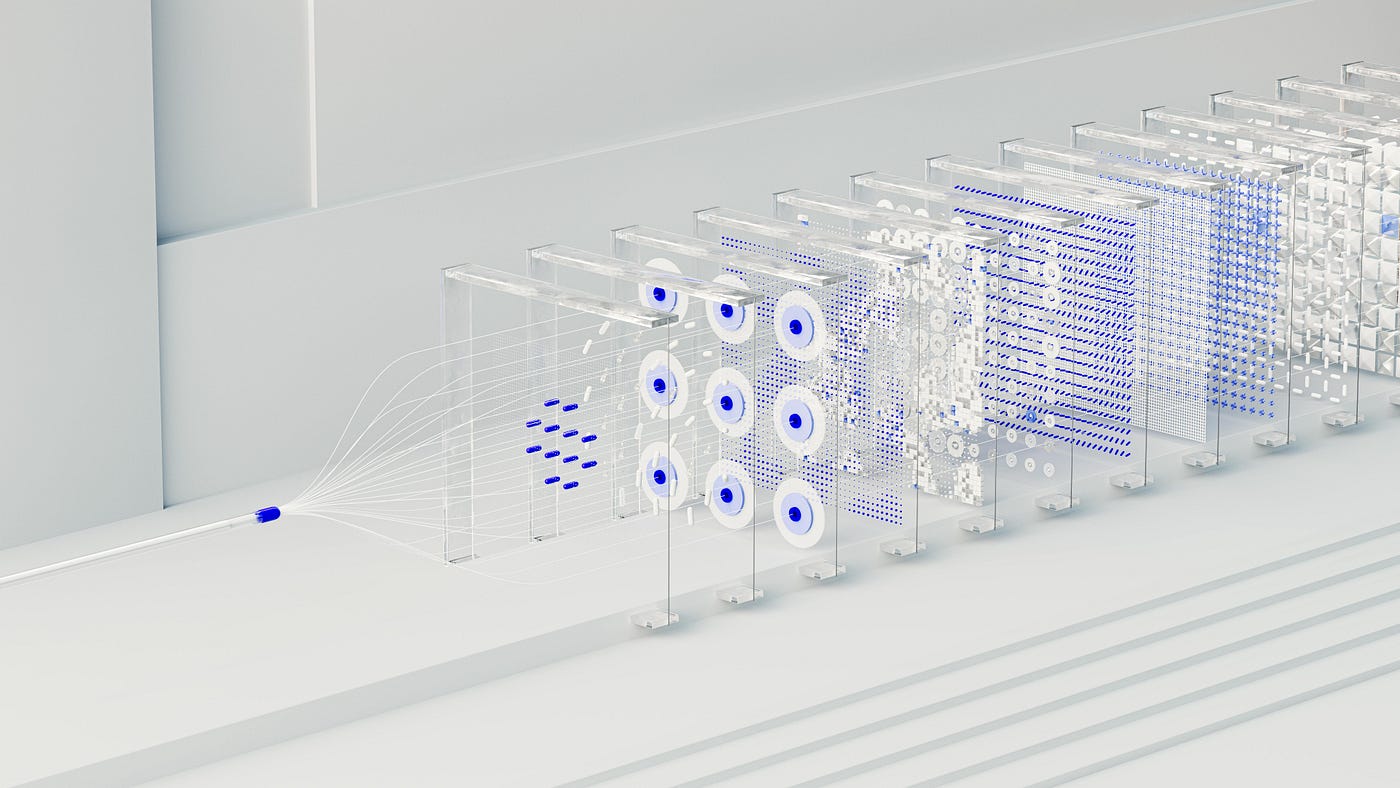
Pexel Image
The common perception of design involves a designer meticulously arranging each element on a canvas. But what if the designer produced the final output indirectly? What if they built a system that generates the design?
Welcome to Generative Design and the world of Algorithmic Art
This is a world where creativity meets code, mathematics becomes a powerful tool! With this approach, designers don’t just design visuals, they design the rules, logic, and behaviors that create those visuals. The result? Tons of variation, organic shapes and designs that feel alive.
What is Generative Design?
Its generative design Process Algorithms generate visual outputs according to the defined parameters and rules. You aren’t designing just one thing but a system that can output many things.
Each output: Follows the same logic, Adapts to inputs or randomness, produces unique variations
Generative design is ideal for a world in which personalization and scalability are king.
The math behind the magic
Generative design is, fundamentally, a process in which mathematics is used to mimic patterns, motion, and natural behavior.
1. Trigonometry: rhythm and motion
Sine and cosine are trigonometric functions that help generate: Smooth animations, Circular and wave-like patterns, oscillating motion
These functions serve to introduce rhythm and flow into digital visuals.
2. Calculus: growth and optimization
Calculus enables designers to simulate: Natural growth patterns, Fluid dynamics, Structural optimization
It is pivotal in designing systems that change or adapt over time.
3. Perlin noise: controlled randomness
Perlin Noise is a function that generates randomness in smooth, natural ways. Unlike clean randomness, it generates continuity, which makes it good for: Organic textures, Landscapes and terrains, Fluid, evolving shapes
That’s why generative art tends to look more natural than mechanistic.
Real-world design applications
1. Living logos (Dynamic branding)
With this knowledge, modern brands are evolving beyond stagnant logos.
Generative systems allow logos to: Change shape and color, Respond to user interaction, Adapt across platforms
And yet they still have a familiar personality.
2. Algorithmic architecture
Architects are using generative design to construct structures that: Optimize for air, sun, and material allocation. Adapt to environmental conditions, both effectiveness and ornamental beauty
The outcome is architecture that appears otherworldly while functioning in an exquisitely clever manner.
3. Interactive digital experiences
Generative design powers: Music visualizations, Interactive installations, Data-driven storytelling
These experiences respond in real time, and users become a part of the design.
4. Procedural design in games
Game designers use algorithms to create: Infinite worlds, Unique levels, Dynamic environments
This means that each player’s experience is fresh and unpredictable.
Why does generative design feel natural?
Generative design resonates because it reflects how nature works.
Nature works by rules and patterns: Fractals in leaves, Waves in oceans, Growth in living organisms
In the same way, generative systems produce outputs that seem: Organic, Dynamic, Alive
Changing role of designers
Generative design is the moment when the designer becomes: Not a visual executor, but more like a system thinker More a creator of rules than a pixel-perfect artist
The focus shifts to: Defining constraints, Designing behaviors, Balancing randomness with control
You’re not designing a single outcome anymore, you’re designing an entire universe of possibilities.
메타데이터
- post_id
- 34f2cc4a6078
- slug
- generative-design-and-algorithmic-art-when-math-becomes-the-artist-34f2cc4a6078
- url
- https://medium.com/illumination/generative-design-and-algorithmic-art-when-math-becomes-the-artist-34f2cc4a6078
- canonical_url
- https://medium.com/illumination/generative-design-and-algorithmic-art-when-math-becomes-the-artist-34f2cc4a6078
- author_url
- https://medium.com/@027
- status
- ok
- fetched_at
- 2026-06-09 15:37:30