How Handbag Factories Evaluate Risk Before Accepting New Brand Orders
What happens behind the scenes before a factory decides to say “yes” to a new project.
How Handbag Factories Evaluate Risk Before Accepting New Brand Orders
What happens behind the scenes before a factory decides to say “yes” to a new project.
Introduction
From a brand’s perspective, submitting a new project to a factory often feels like a simple request for production.
From a factory’s perspective, accepting a new order is a risk decision.
Before confirming production, factories quietly evaluate whether a project — and a brand — can succeed without compromising quality, timelines, or long-term stability.
This article explains how handbag factories assess risk before accepting new brand orders, and why some projects move forward smoothly while others stall or fail.

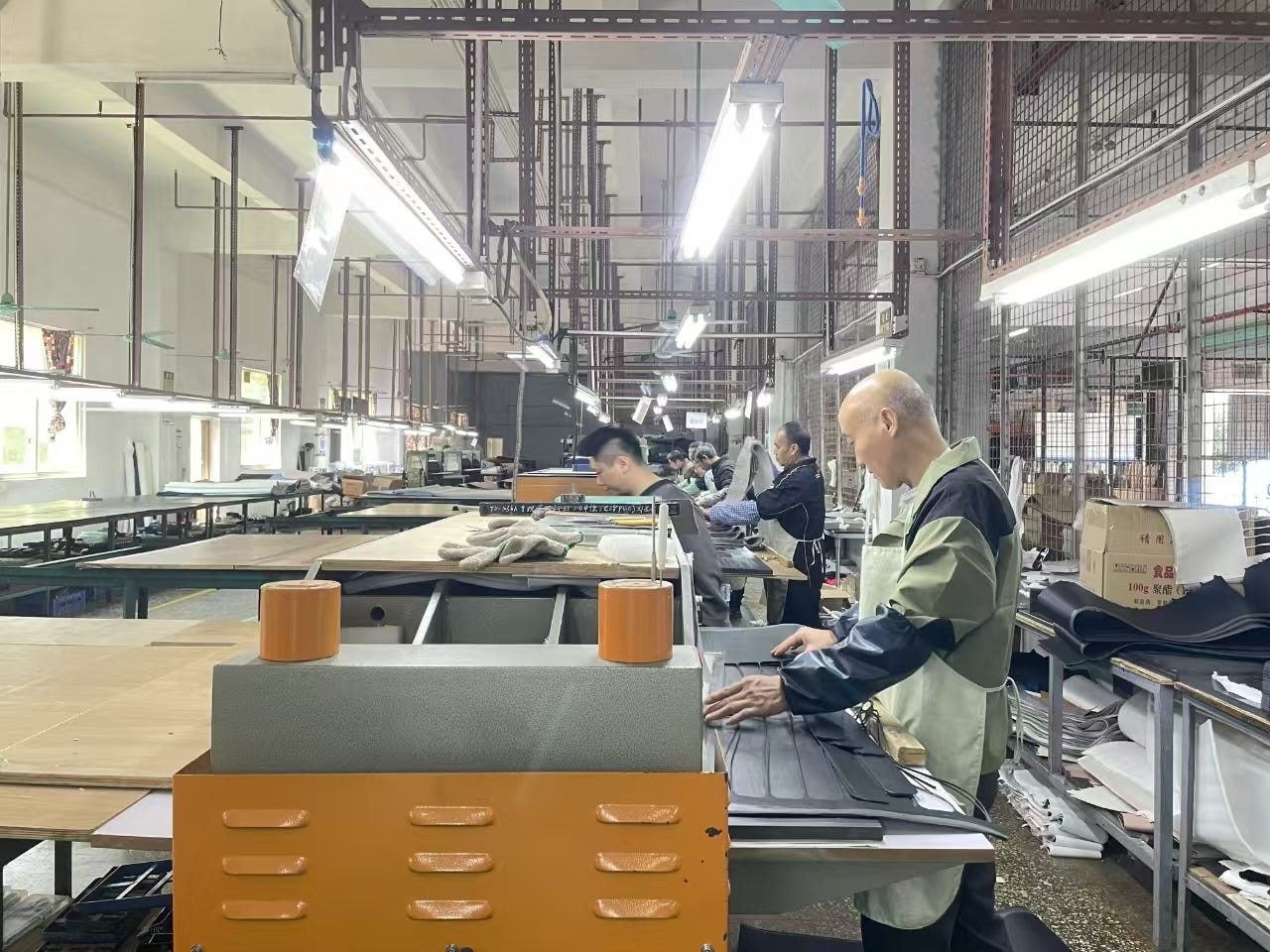
On-location filming
1. Design Feasibility Comes Before Design Appeal
Factories do not evaluate designs emotionally.
They ask practical questions:
- Can this structure be produced consistently?
- Are the materials suitable for scale?
- Does the construction logic match the intended usage?
Visually attractive designs that hide structural challenges often trigger caution.
Factories prefer designs that balance aesthetics with production logic.
2. Cost Expectations Reveal Project Viability
Factories pay close attention to how brands discuss cost.
Warning signs include:
- No target price or unrealistic pricing
- Comparing unrelated reference products
- Expecting luxury construction at mass-market cost
Clear, informed cost expectations signal maturity and reduce perceived risk.
3. Sampling Behavior Predicts Bulk Production Risk
Sampling is where factories observe how brands work.
Key signals include:
- Speed and clarity of feedback
- Consistency in decision-making
- Willingness to resolve issues rather than shift responsibility
Multiple contradictory revisions increase uncertainty — even before bulk production begins.
Factories assess whether sampling indicates a stable working process or future conflict.
4. Order Volume and Reorder Potential Matter
Factories evaluate projects not only by the first order, but by potential continuity.
They consider:
- Whether the initial quantity justifies development effort
- Likelihood of repeat orders
- Seasonal versus long-term demand
Projects with unclear future scale are higher risk, regardless of design quality.
5. Communication Structure Signals Long-Term Compatibility
Factories observe how communication is managed.
Positive indicators include:
- One main decision-maker
- Clear documentation of changes
- Respect for production timelines
Disorganized communication increases error probability — and risk exposure.
6. Timeline Pressure Affects Production Stability
Aggressive timelines increase risk.
Factories assess:
- Whether deadlines are fixed or flexible
- Launch dependency on production timing
- Willingness to adjust design if timelines tighten
Projects that allow realistic development schedules are more likely to be accepted.
7. Brand Mindset Influences Partnership Decisions
Factories evaluate not only the product, but the working mindset.
Brands that:
- Seek long-term collaboration
- Value transparency over negotiation tactics
- Understand production trade-offs
are viewed as lower risk partners.
Trust reduces friction, and friction increases cost.
Final Thoughts
Factories do not reject projects lightly.
When a factory hesitates, it is often due to unresolved risks — not lack of interest.
Understanding how factories evaluate risk allows brands to present projects more clearly, reduce friction, and build stronger production partnerships.
On-location filming
For brands working with manufacturing partners, transparency and clarity often create more value than speed alone.
메타데이터
- post_id
- 34f4c59f6fd3
- slug
- how-handbag-factories-evaluate-risk-before-accepting-new-brand-orders-34f4c59f6fd3
- url
- https://medium.com/@lucy.liu_61556/how-handbag-factories-evaluate-risk-before-accepting-new-brand-orders-34f4c59f6fd3
- canonical_url
- https://medium.com/@lucy.liu_61556/how-handbag-factories-evaluate-risk-before-accepting-new-brand-orders-34f4c59f6fd3
- author_url
- https://medium.com/@lucy.liu_61556
- status
- ok
- fetched_at
- 2026-07-19 00:05:24