Olkhon in September: How I got there, where I stayed, and what I saw in Khuzhir
After the Great Baikal Trail and Bolshije Koty, I went to Olkhon, the largest island on Lake Baikal. Although the high tourist season was…
Olkhon in September: How I got there, where I stayed, and what I saw in Khuzhir
After the Great Baikal Trail and Bolshije Koty, I went to Olkhon, the largest island on Lake Baikal. Although the high tourist season was almost over — it was mid-September — I had to buy a bus ticket a couple of days in advance, as seats were still selling out fast.

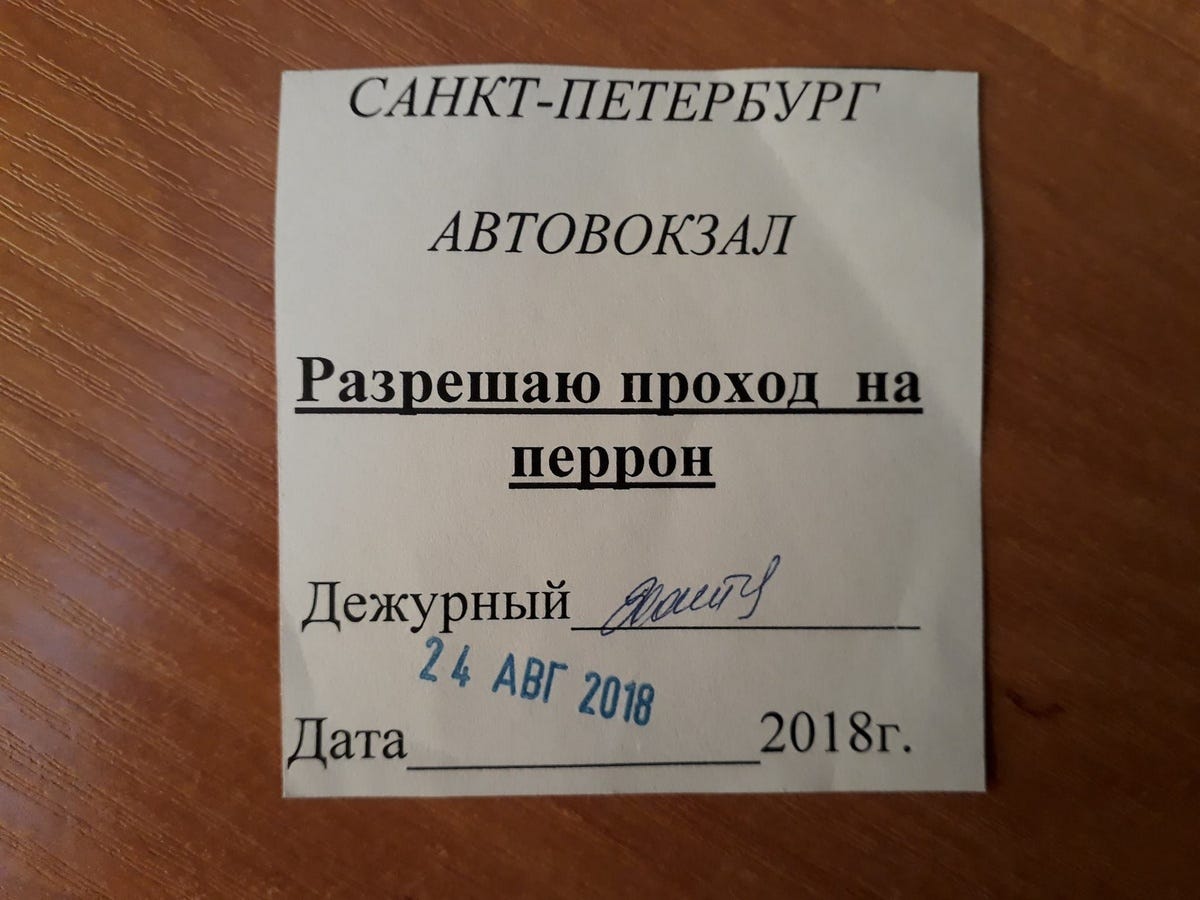
Just like on the railway, you can’t easily get to the bus stations; you have to go through the security gates first. There might be a line, someone might be slow, someone might start a scene, etc. Even if you have tickets, it’s best to arrive early. Also, people seeing you off aren’t allowed past the turnstiles. I don’t know if it is always the case, but in Saint Petersburg I once had to ask for a permit to get onto the platform to see a friend off. The lady in charge was merciful that day and let me in. Well, thanks.
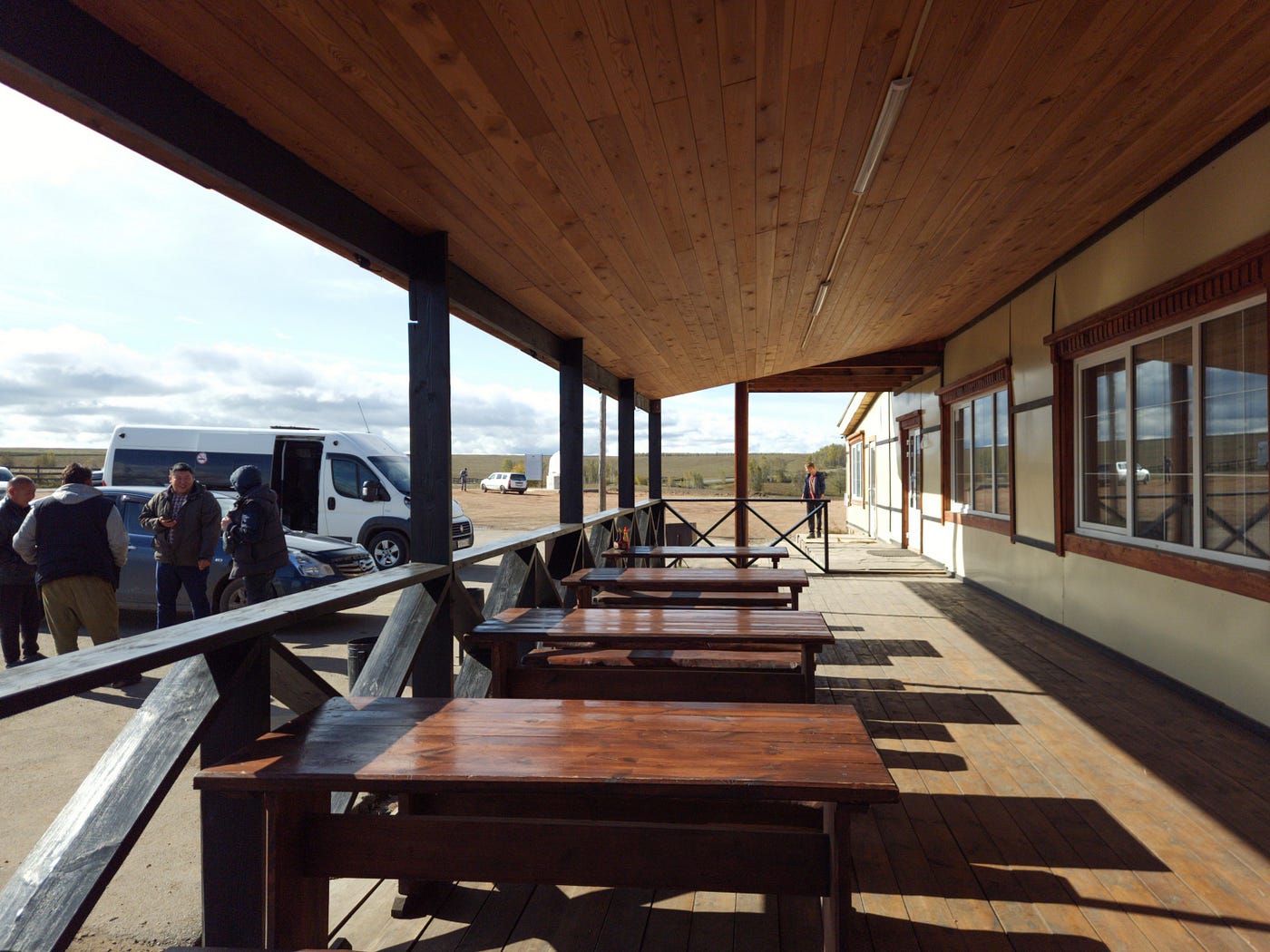
A trip from Irkutsk to Olkhon takes about five hours, and a ticket costs about 15 euros. The road is bad and bumpy even where there’s asphalt, and our bus started to shake and jump on the bumps and holes almost immediately after leaving Irkutsk. In total, my phone counted about 20,000 steps during those five hours. After about two hours on the road, there’s a lunch stop.
The road is terrible, but the views are magnificent the entire way. Taking photos, however, is difficult because of the bumpy ride. My phone couldn’t figure out the right white balance through the tinted window of the bus and made this:

This one is also through the tinted glass, but with the white balance adjusted:

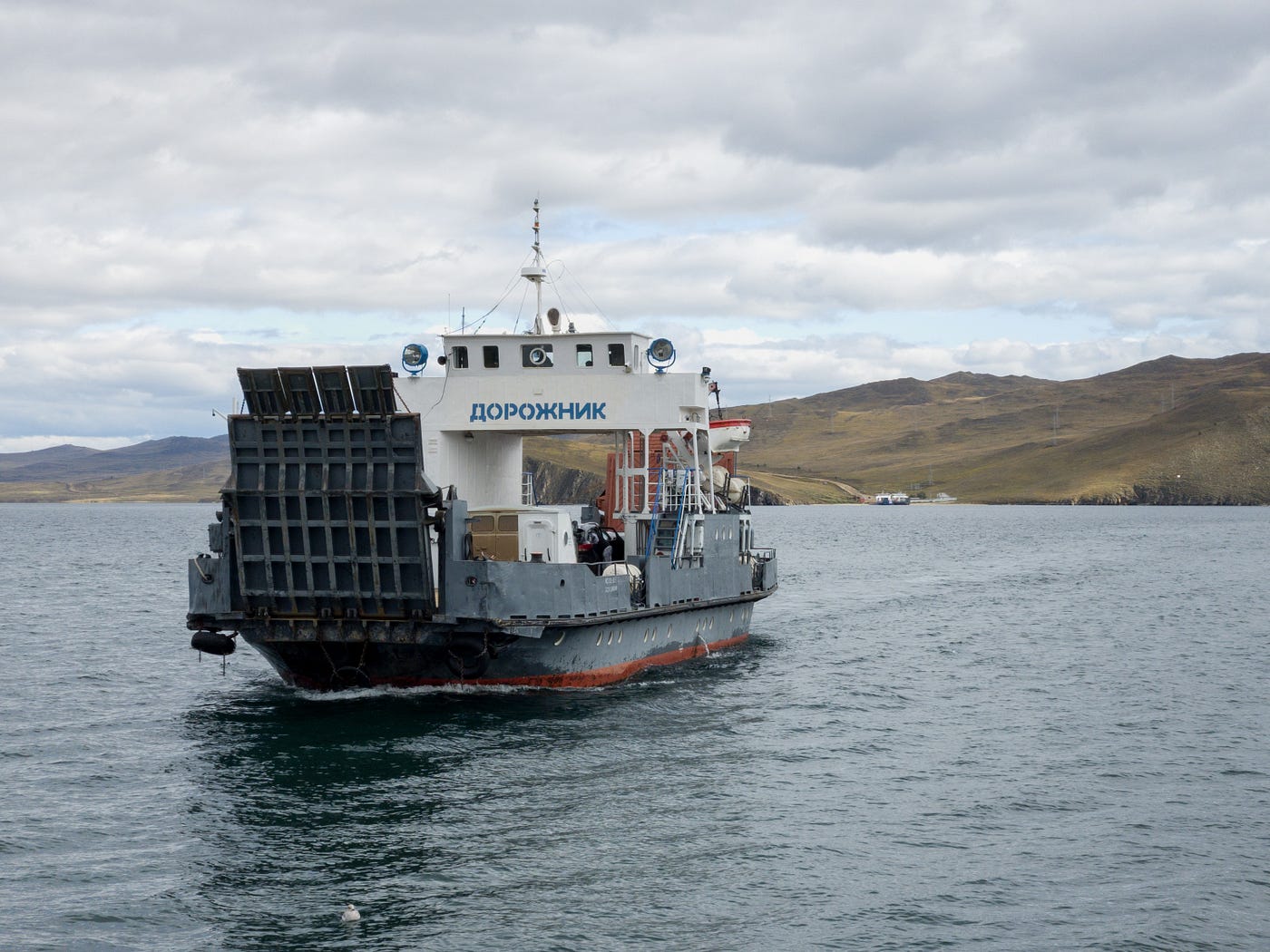
The island is only accessible by water; cars are ferried across. The crossing is free and takes about 20 minutes, and the ferries operate from morning until evening. Passenger buses and minibuses don’t wait in the general queue; they have priority, so I didn’t have to wait long. Private cars can wait for hours during peak season. I’ve even heard of extreme waits of 12 and 15 hours. I think that’s an exception, though, and usually people don’t have to wait more than 2–3 hours. This time, they probably didn’t even wait an hour, as there were literally a couple of cars.
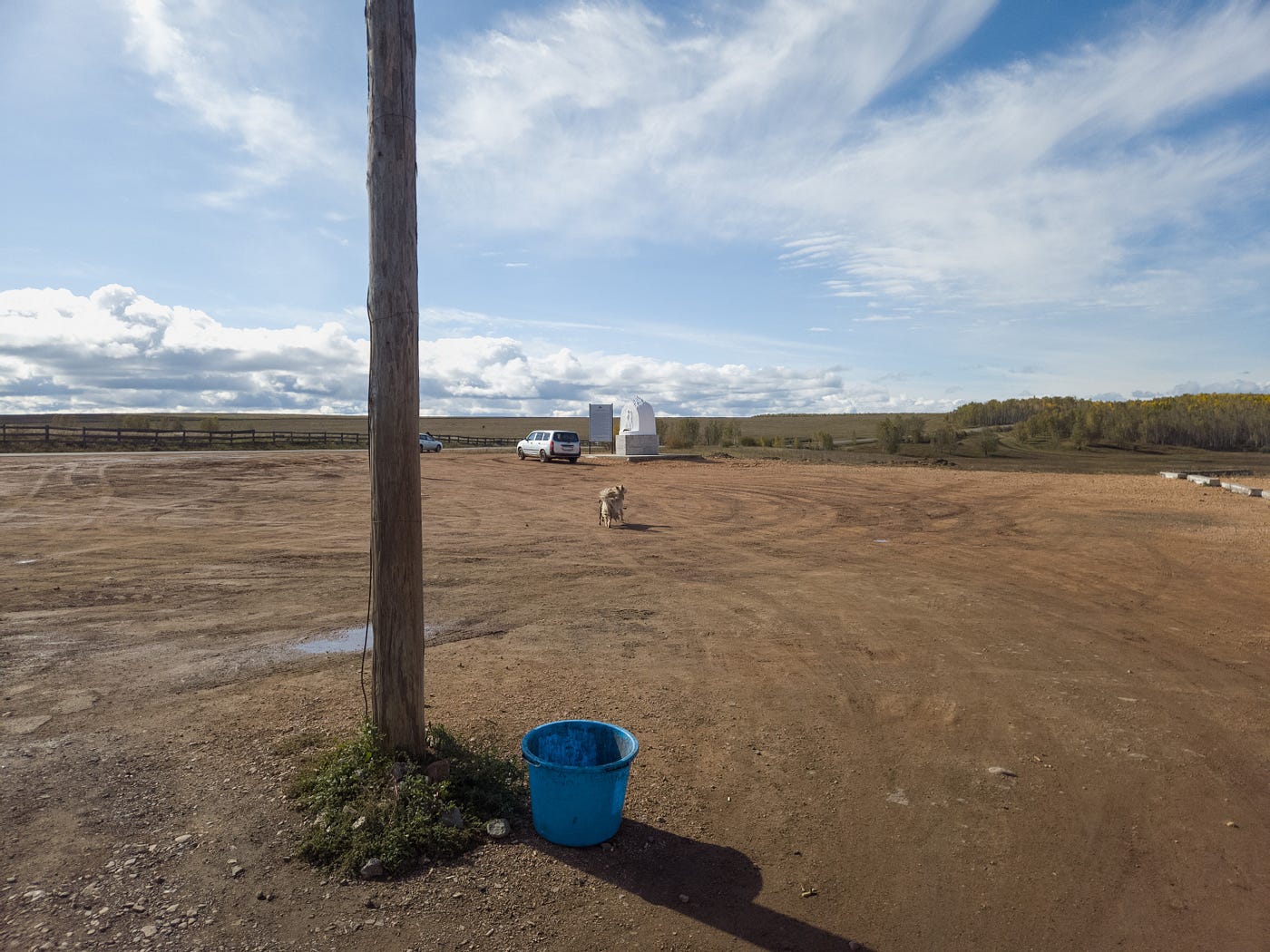
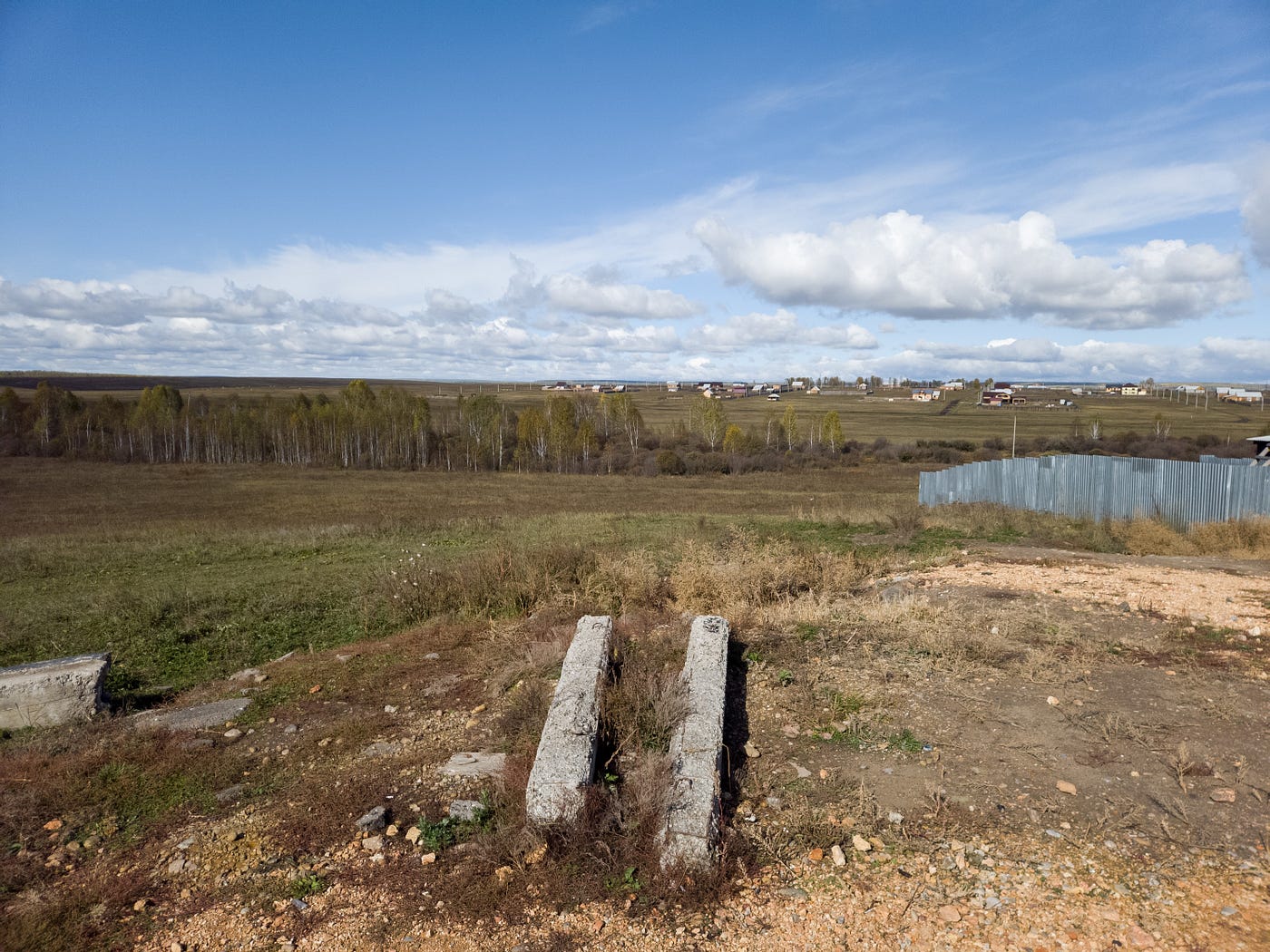
Waiting for the ferry:
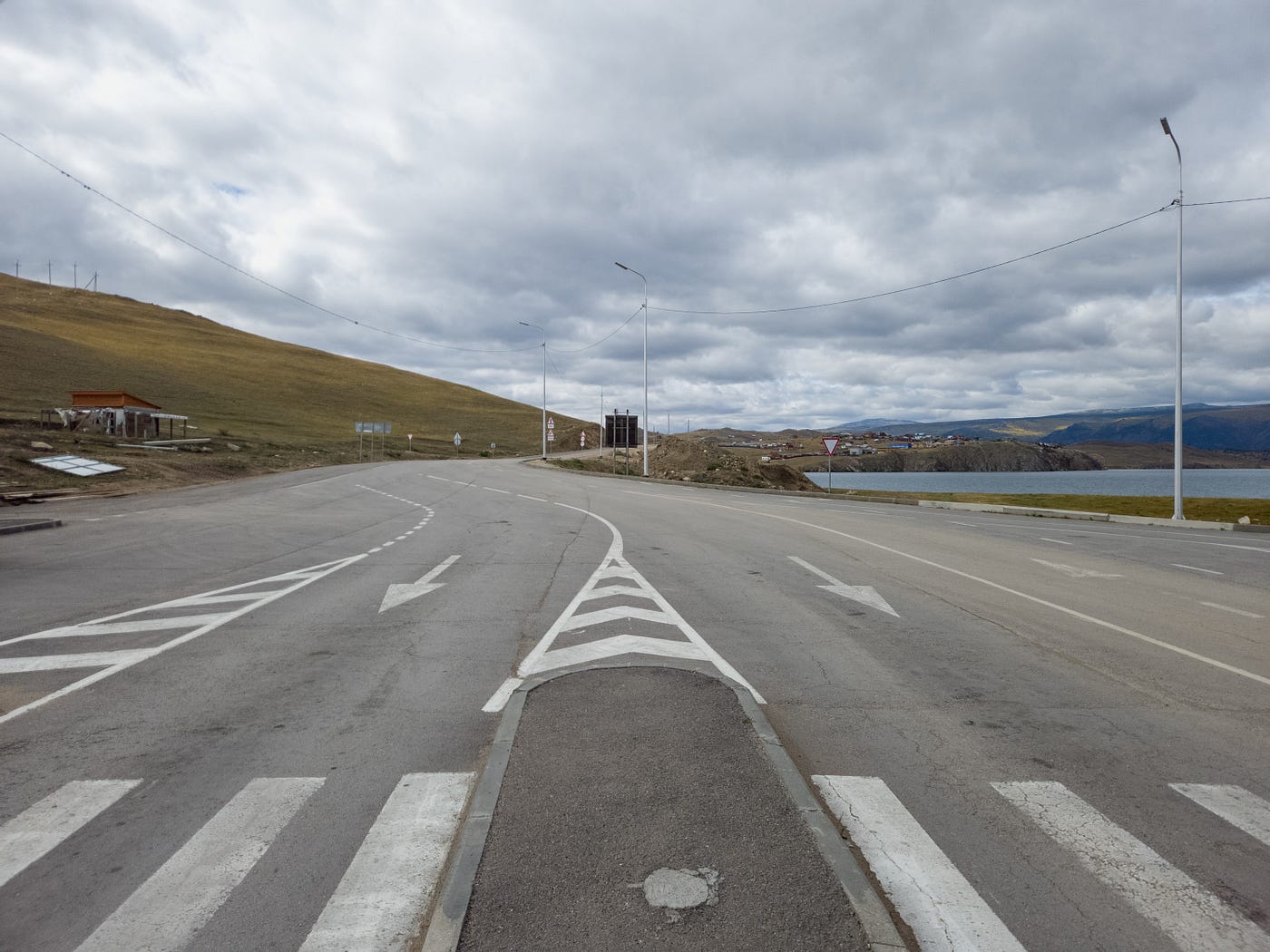
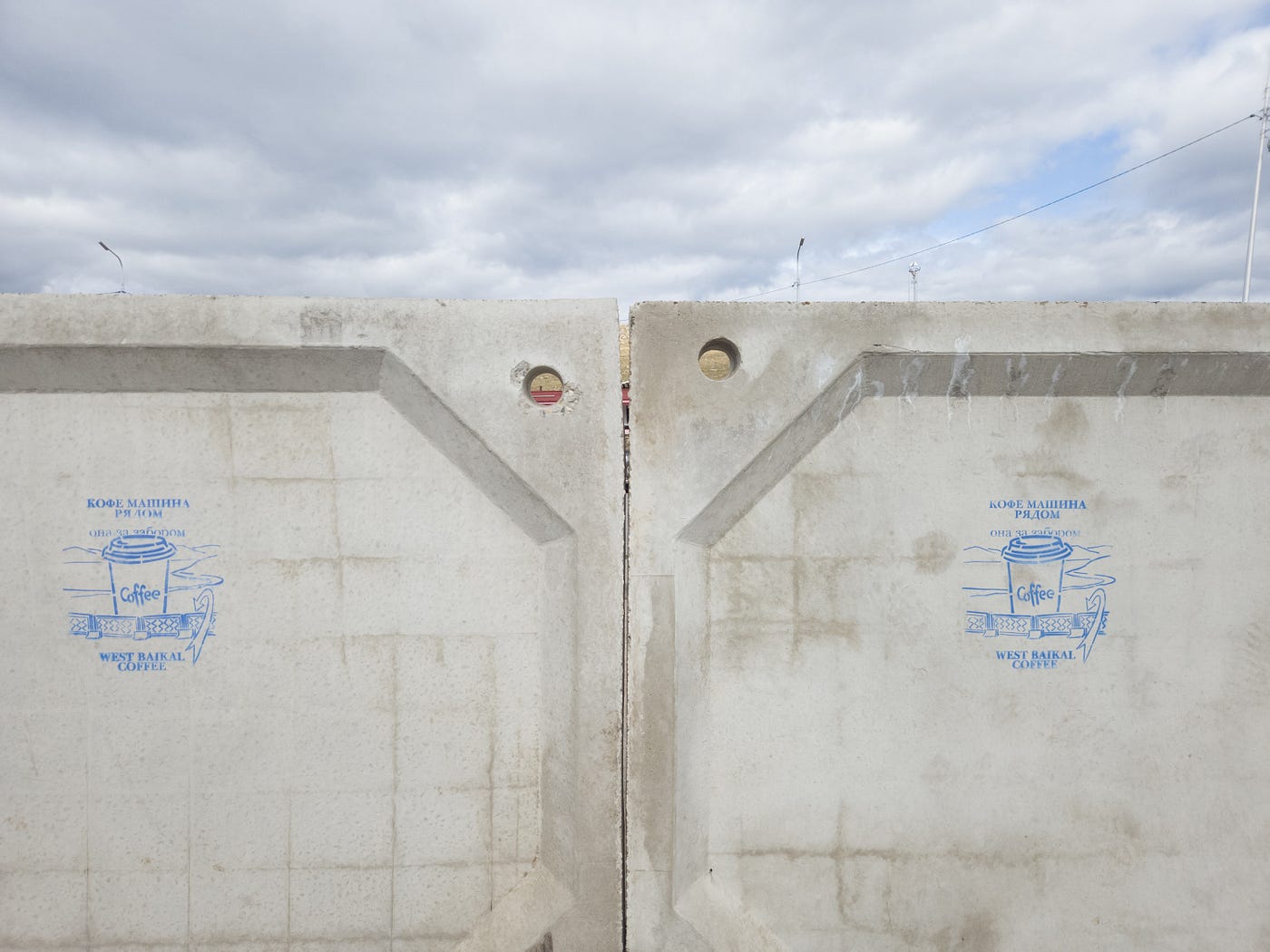
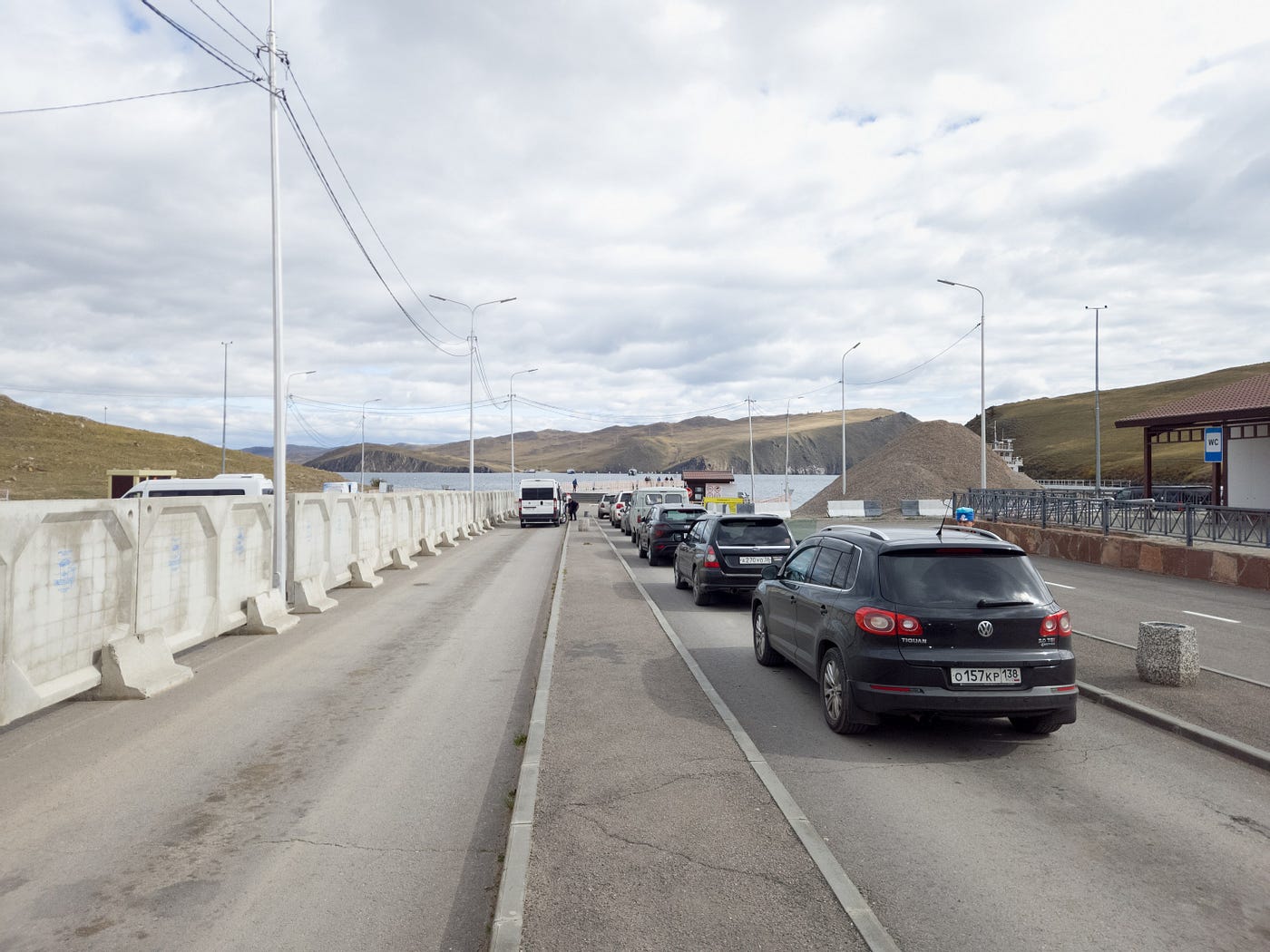

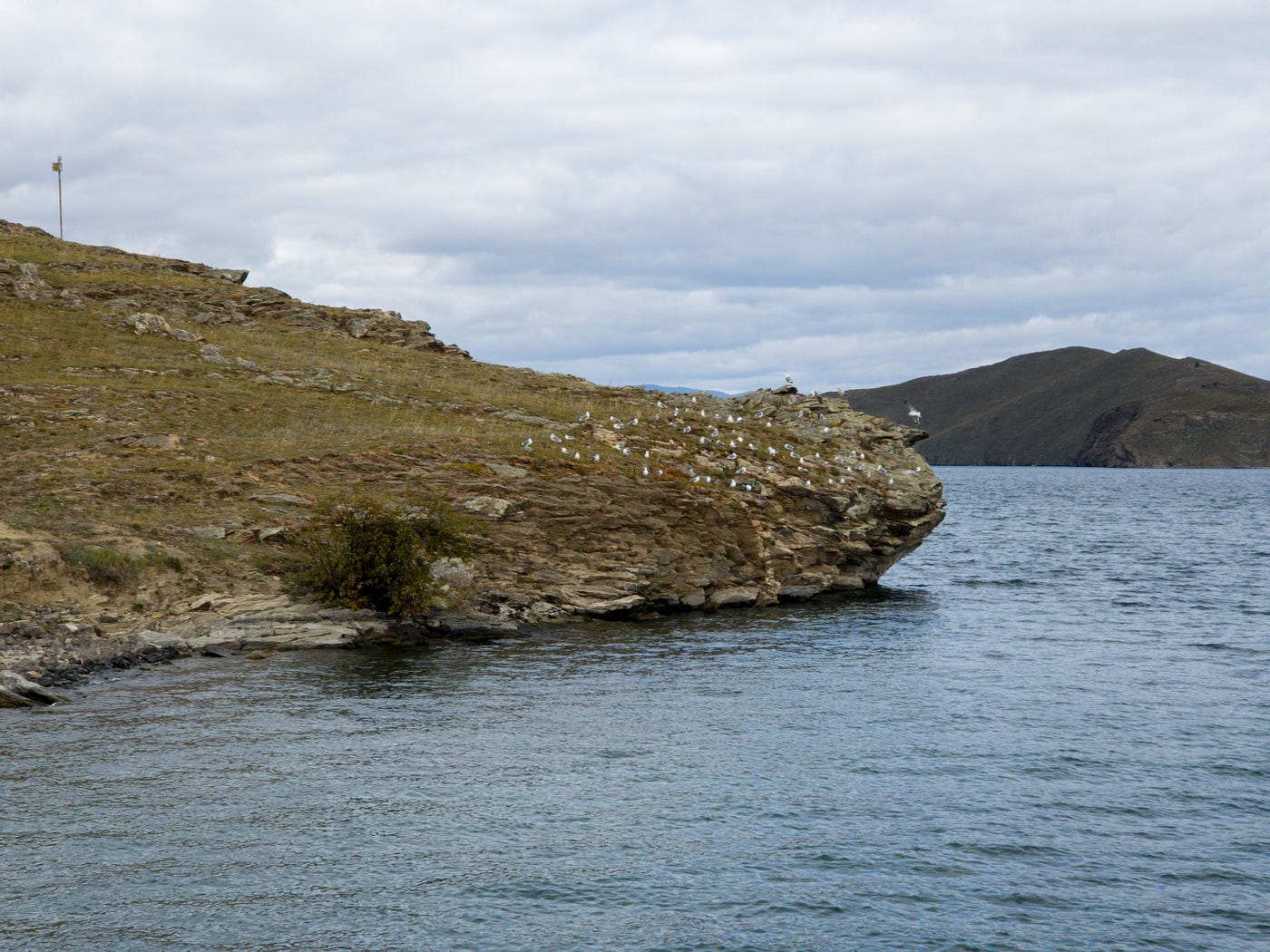
We boarded the ferry and set off to Olkhon. The Olkhon Gate strait is visible to the right. Later, in Khuzhir, someone said that in winter, the winds there are so strong that they flip UAZs driving on the ice. I haven’t verified this information.
“Olkhon Gate”:
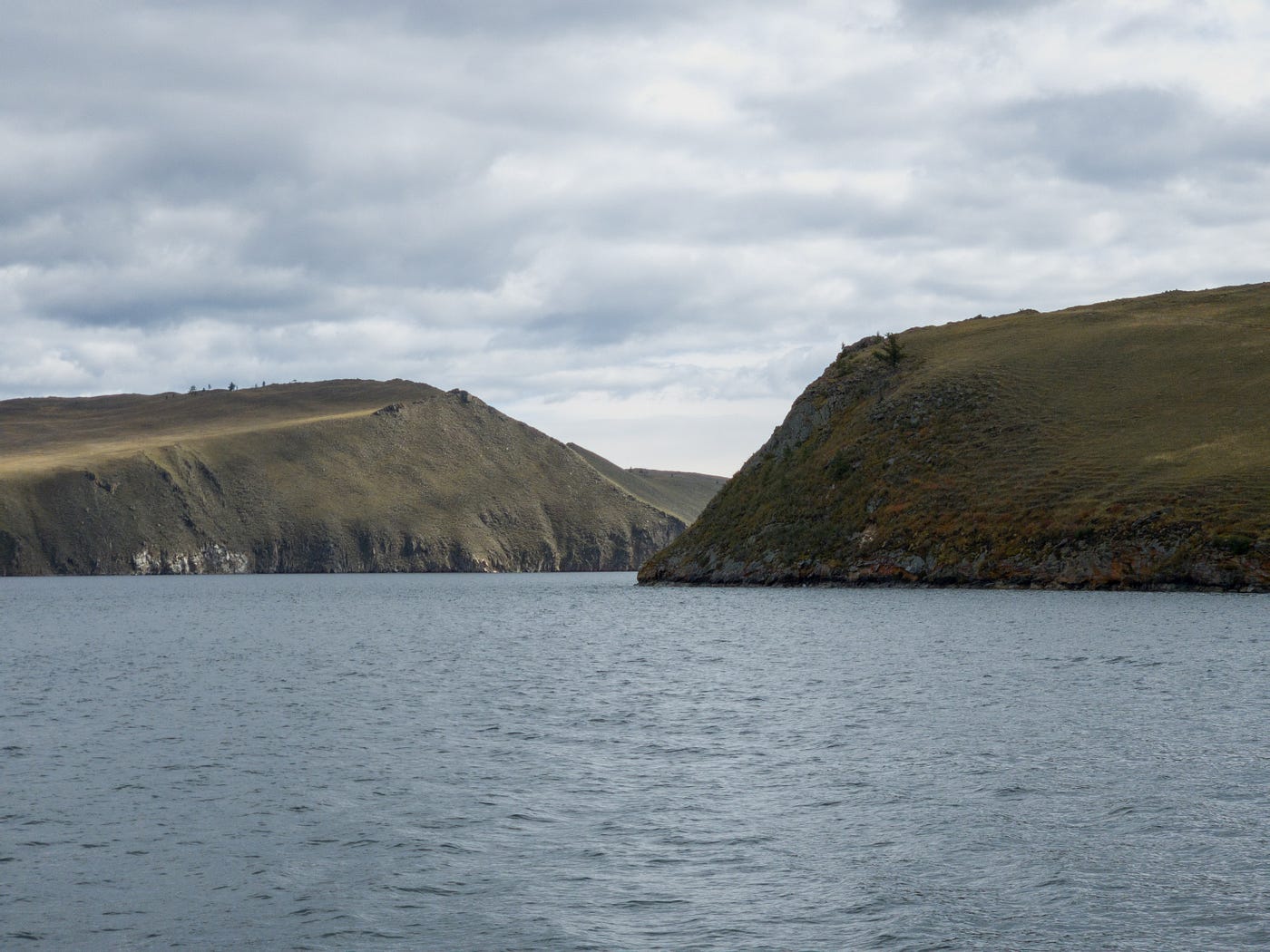
Olkhon is on the left, and the mainland is on the right.
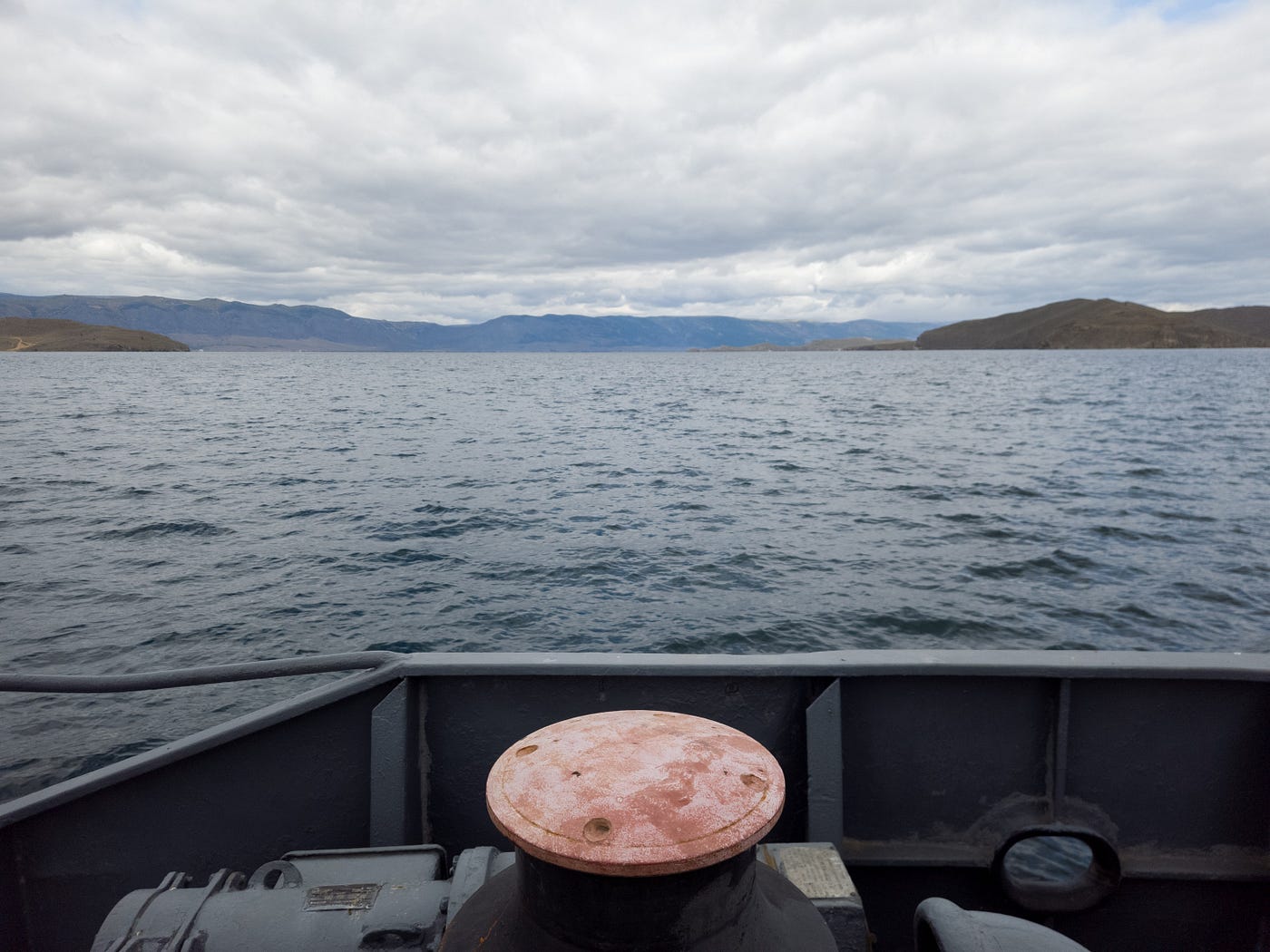
On the ferry:




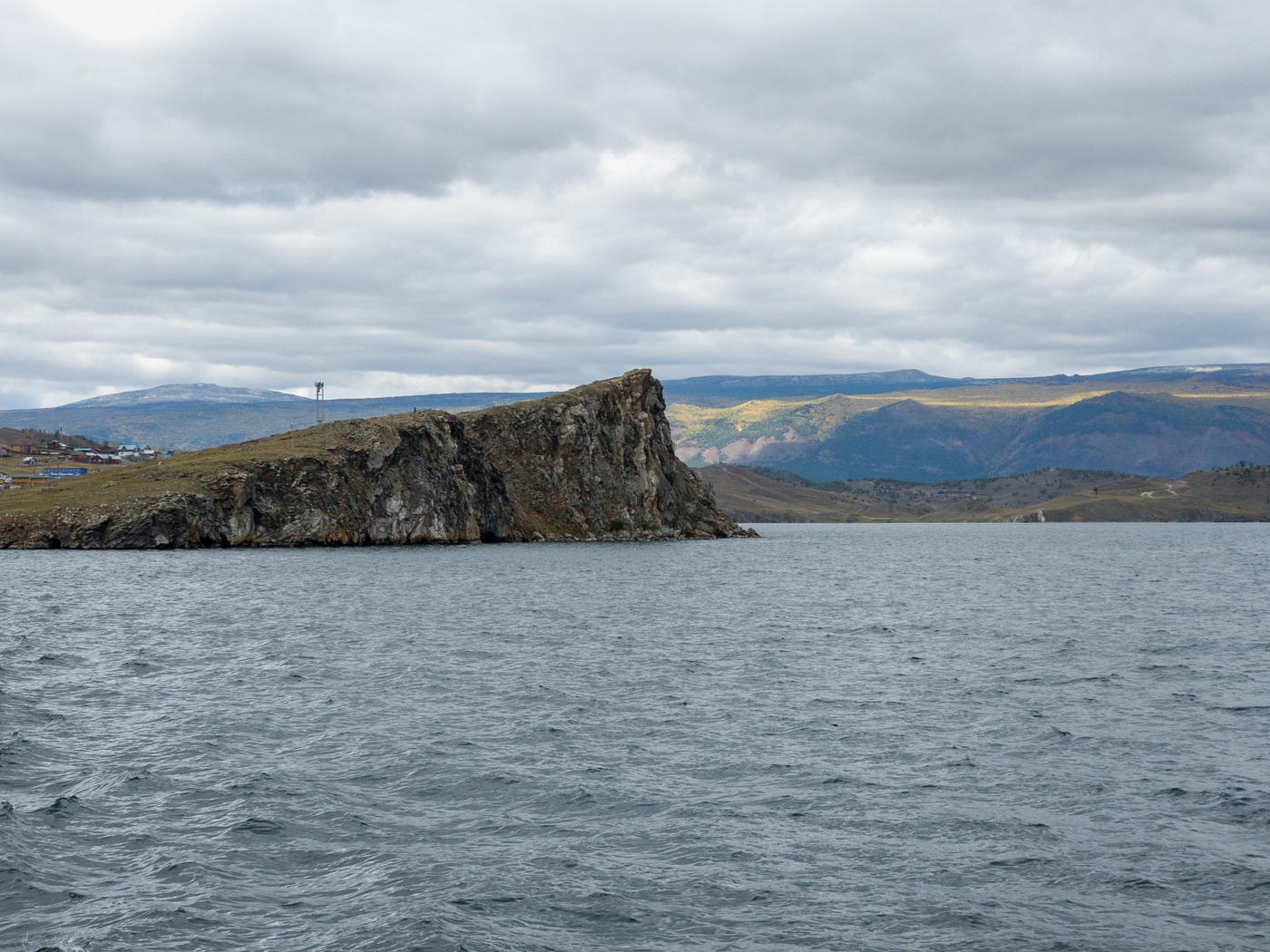

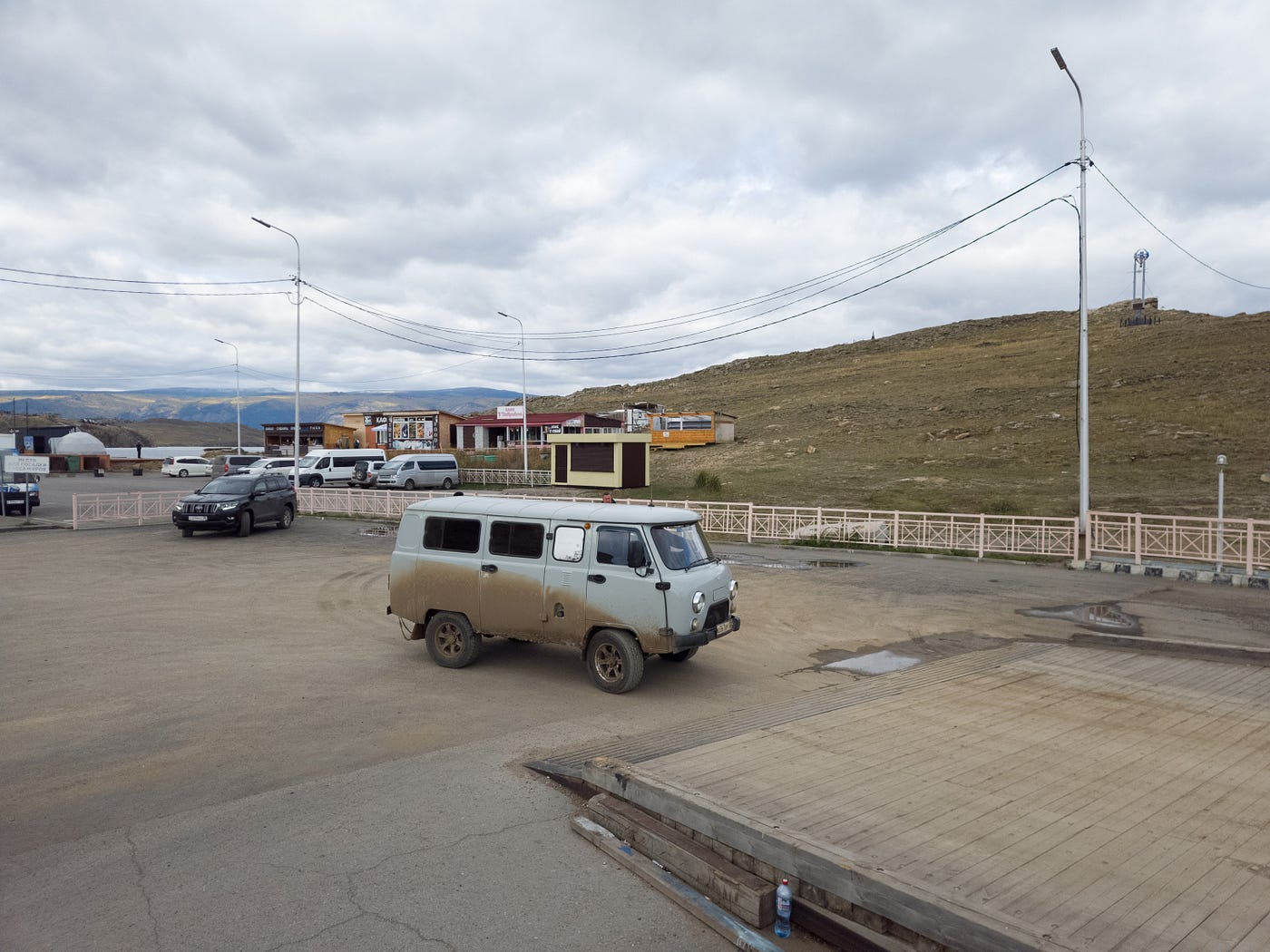
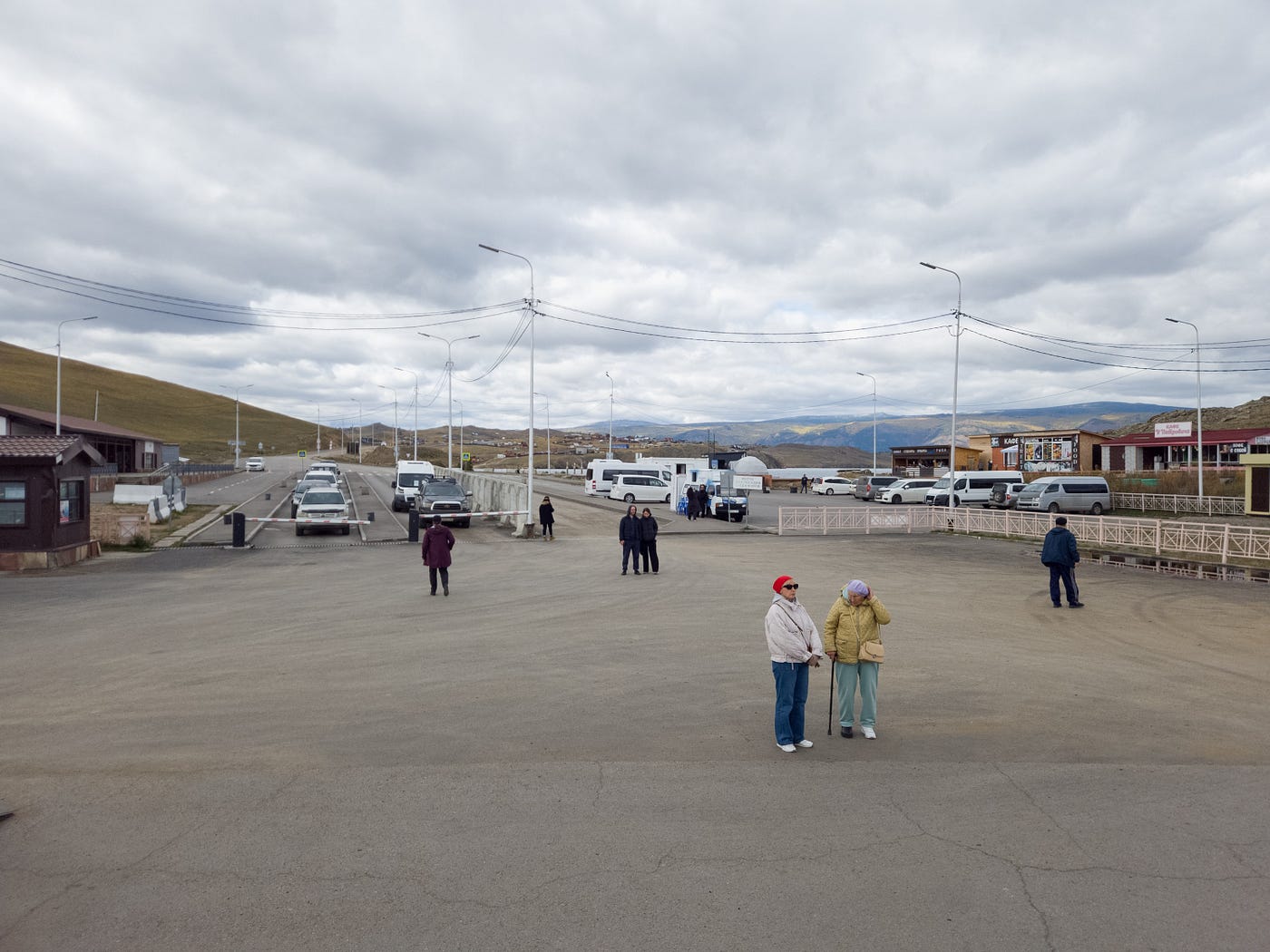
On the other side:

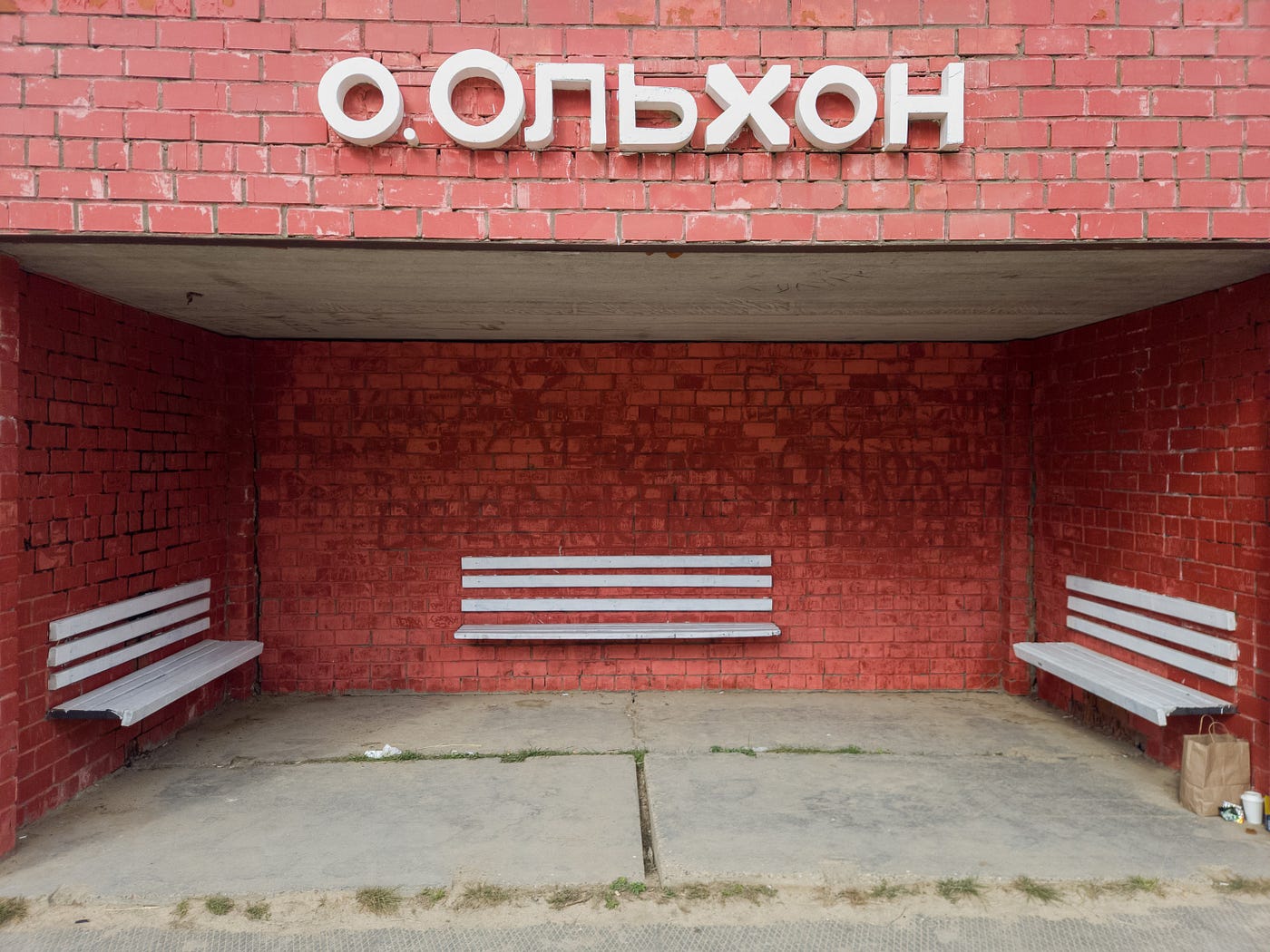

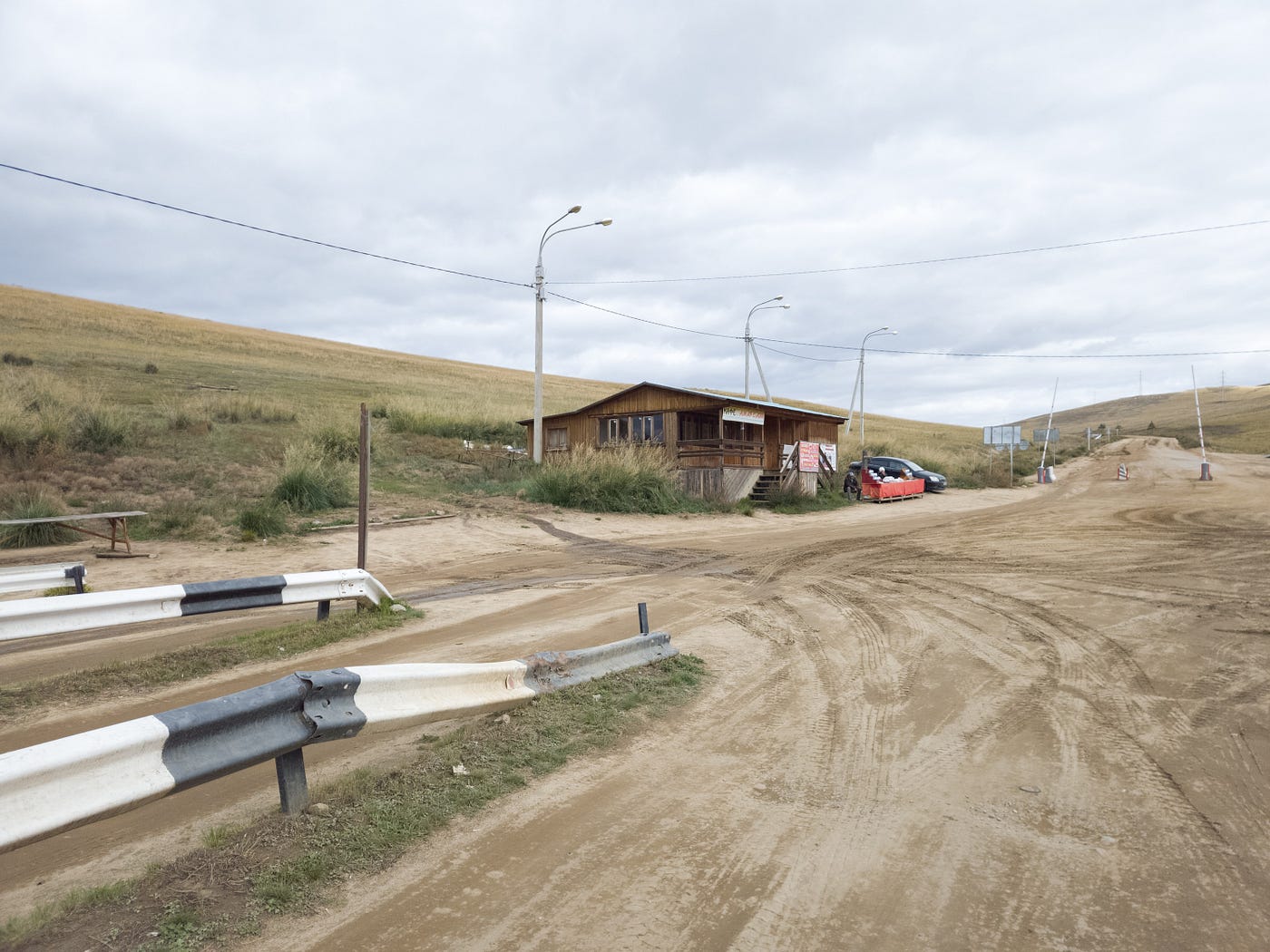

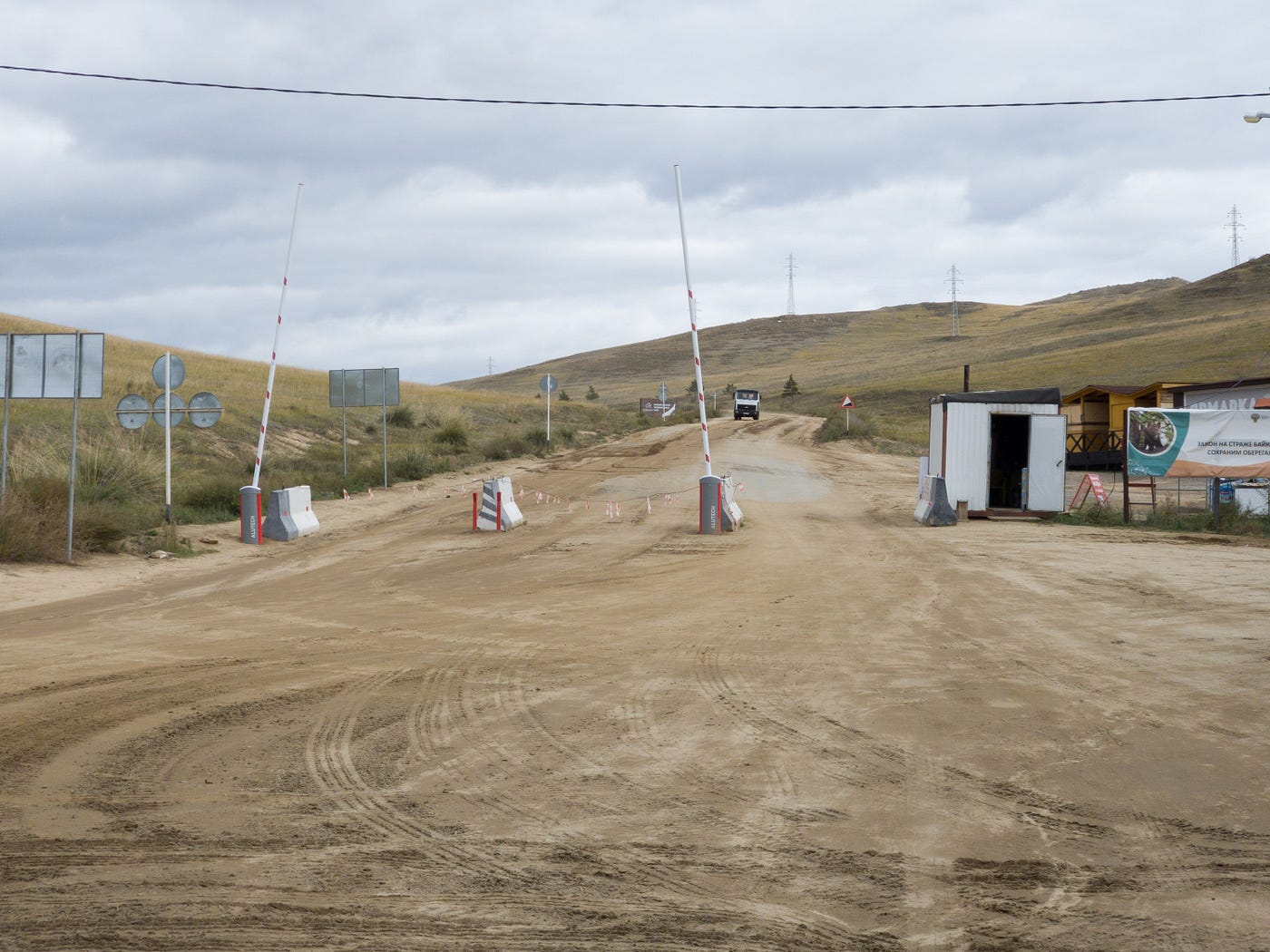

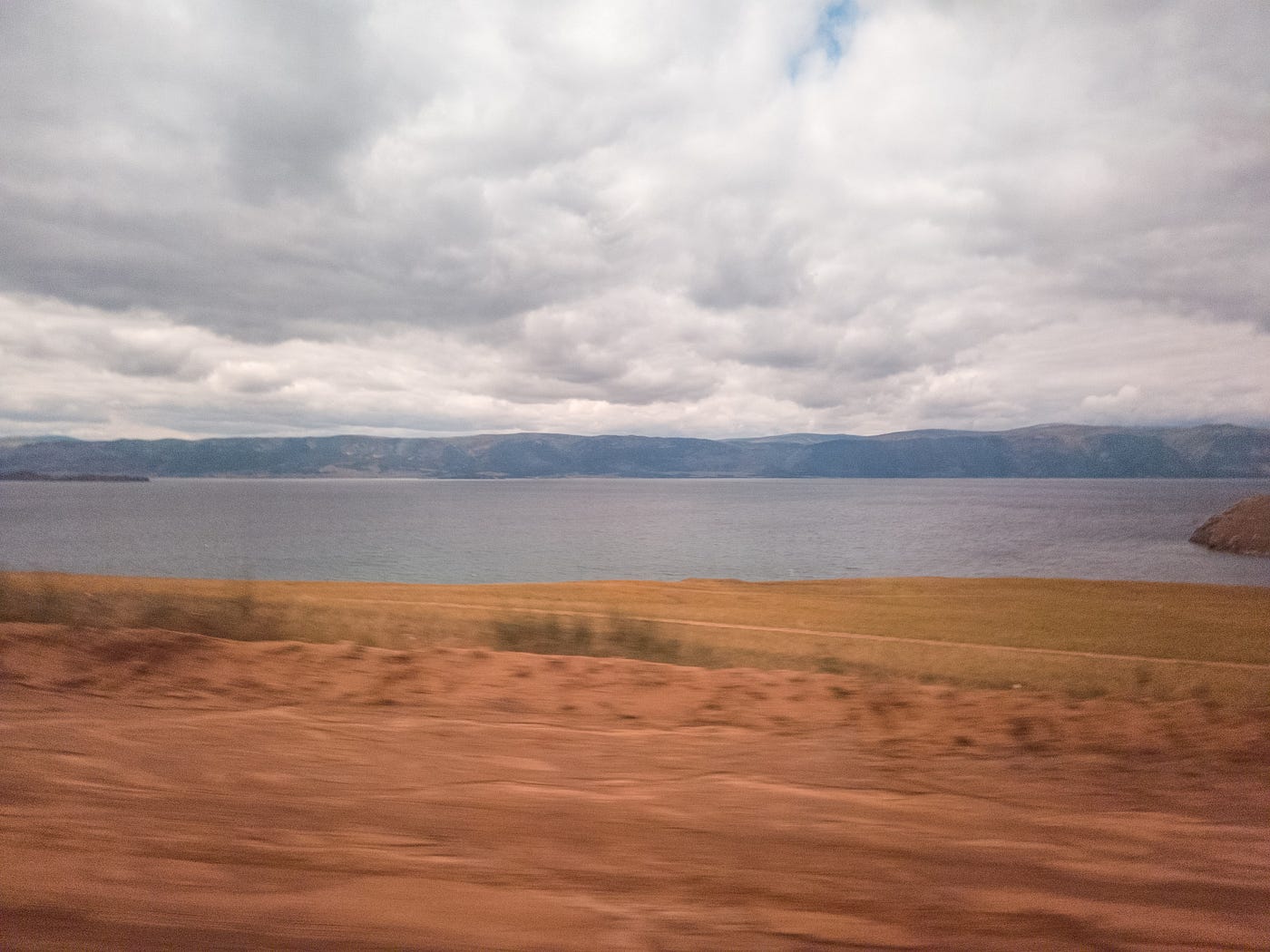
Right after the crossing, the gravel road begins, and it’s even rougher than before. Some roadwork is underway, and perhaps someday there will be asphalt from the crossing to Khuzhir. The views are still stunning, but capturing them is now even more difficult:
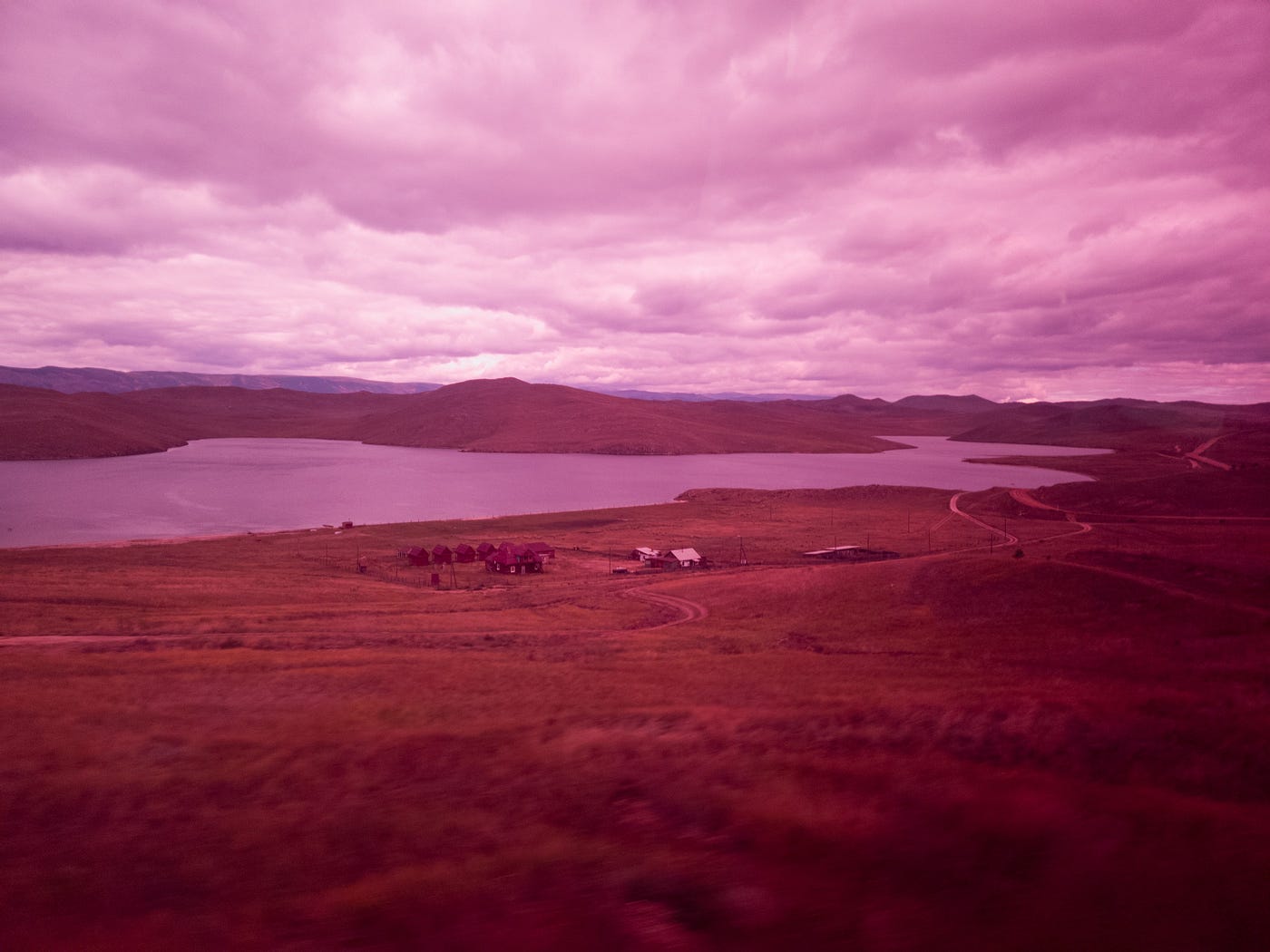
Fewer than 3,000 people live on Olkhon Island itself, most of them in the settlement of Khuzhir. Immediately upon arrival, I went looking for food. I found it about 100 metres from the “bus station”. There, I also ordered my first portion of buuz, which I didn’t photograph. Buuz is a type of Mongolian and Buryatian steamed dumpling filled with meat. In that region you’ll hear them being called buuzy or pozy. In Russian it’s a countable word. There can be “one buuza/poza” (it’s a “she” in Russian), or you can say “we ordered buuzy/pozy” (plural).
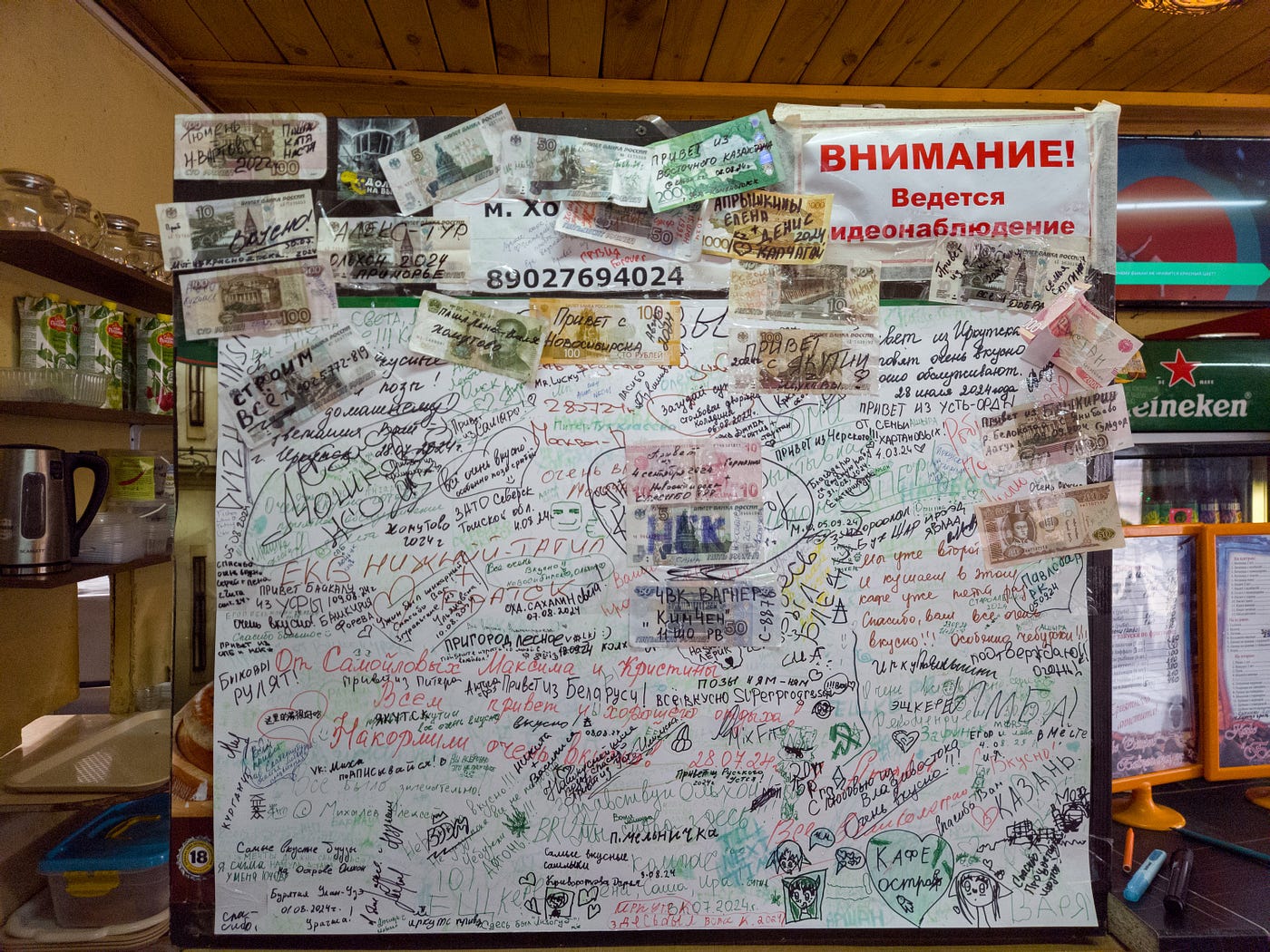
Photos without buuzy, but with money signed by someone from the Russian Wagner Group:



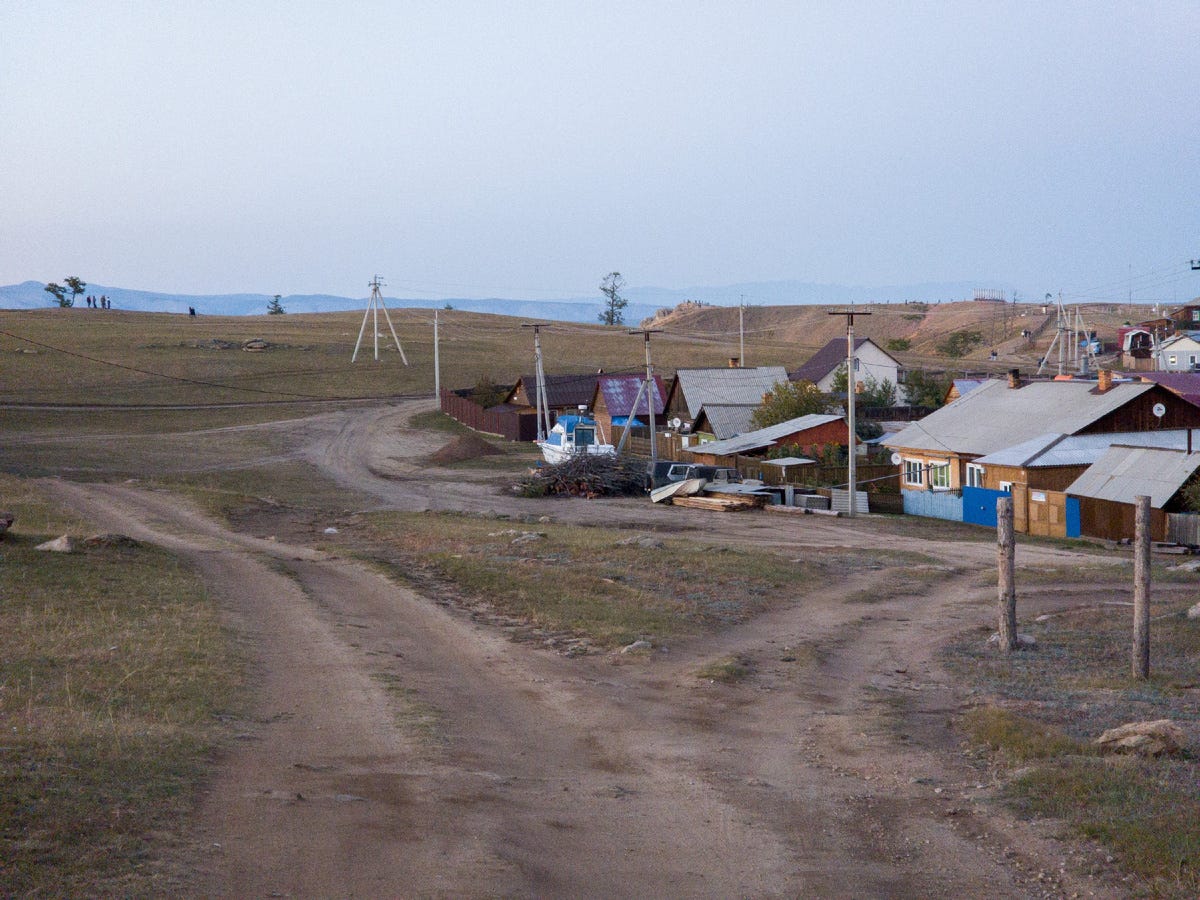
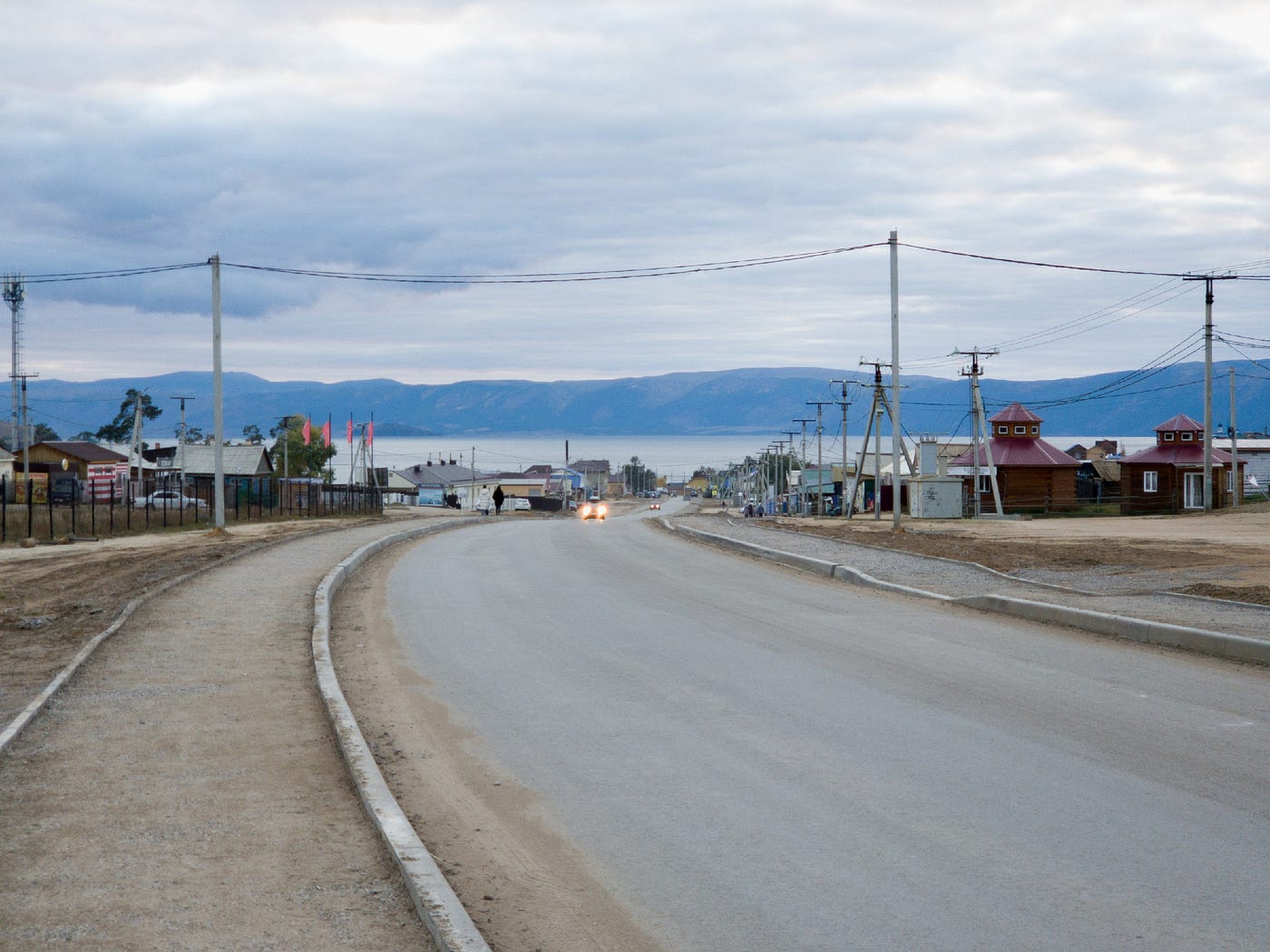
I’ll show the Shaman rock (Shamanka), the Serge pillars, and Lake Baikal in the next post; here, I’ll only write about Khuzhir. Khuzhir is quite unique or even unusual. I immediately noticed that there are almost no trees on the streets or in the courtyards, although there are forests on Olkhon Island itself.
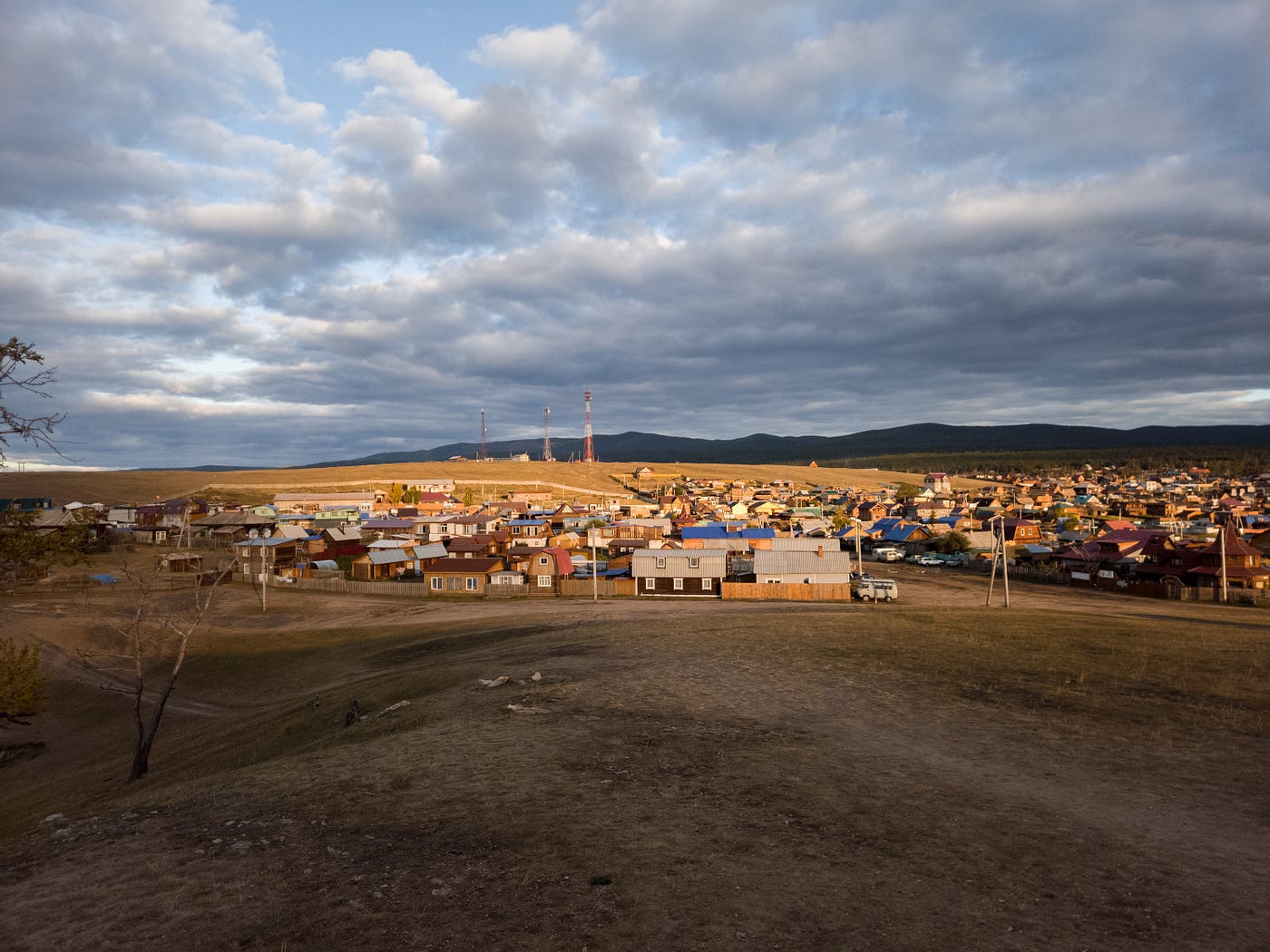
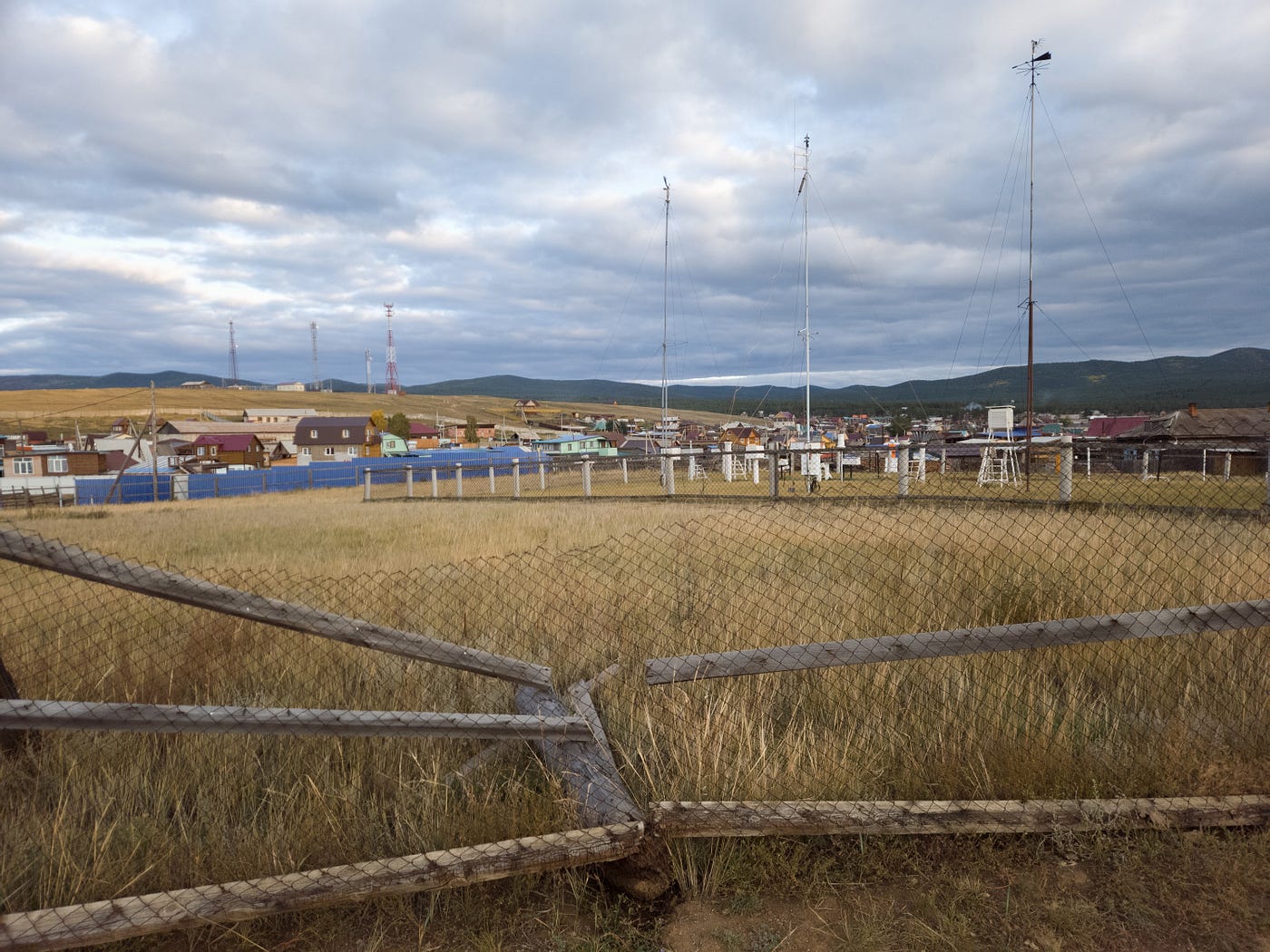
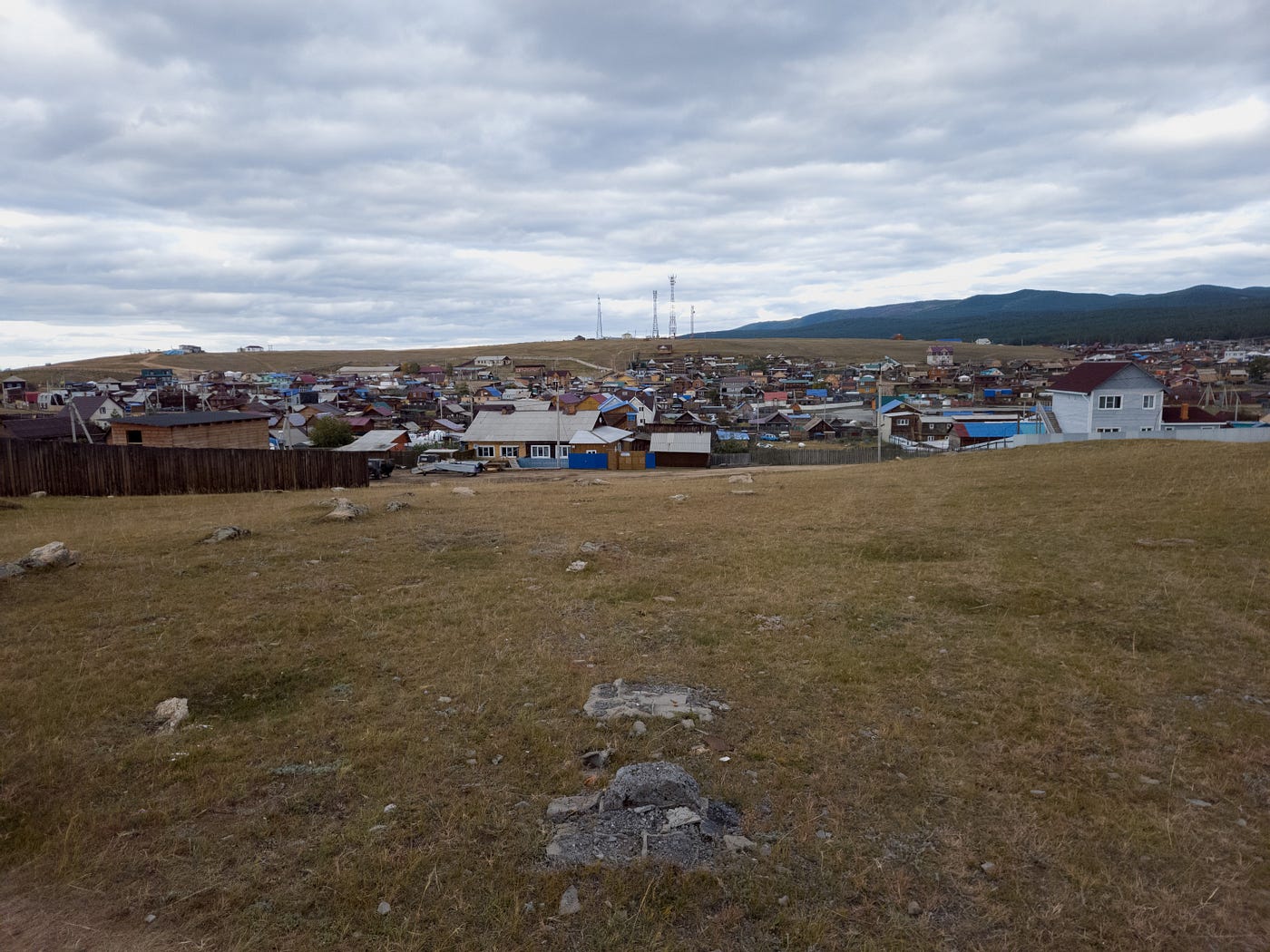
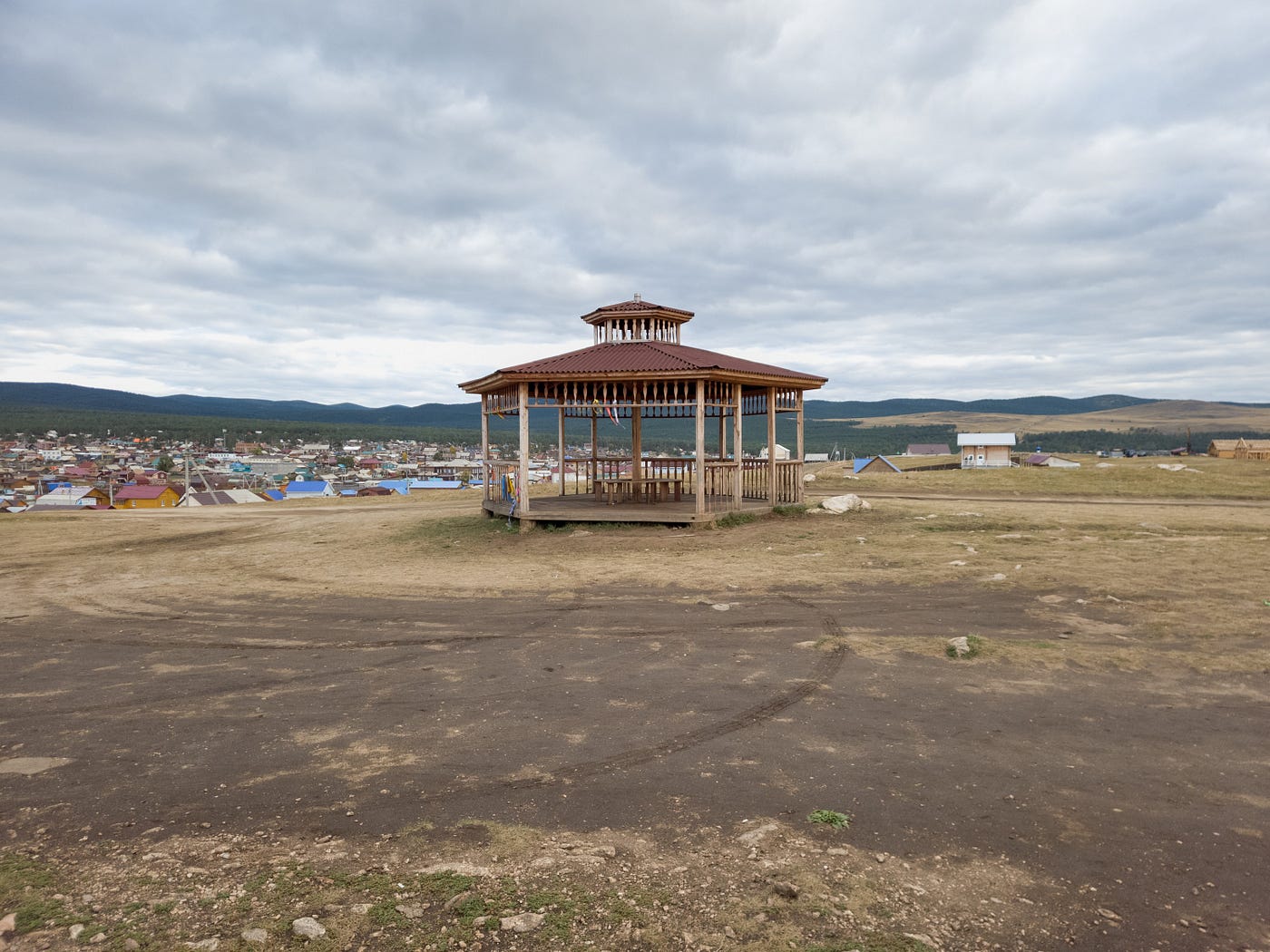
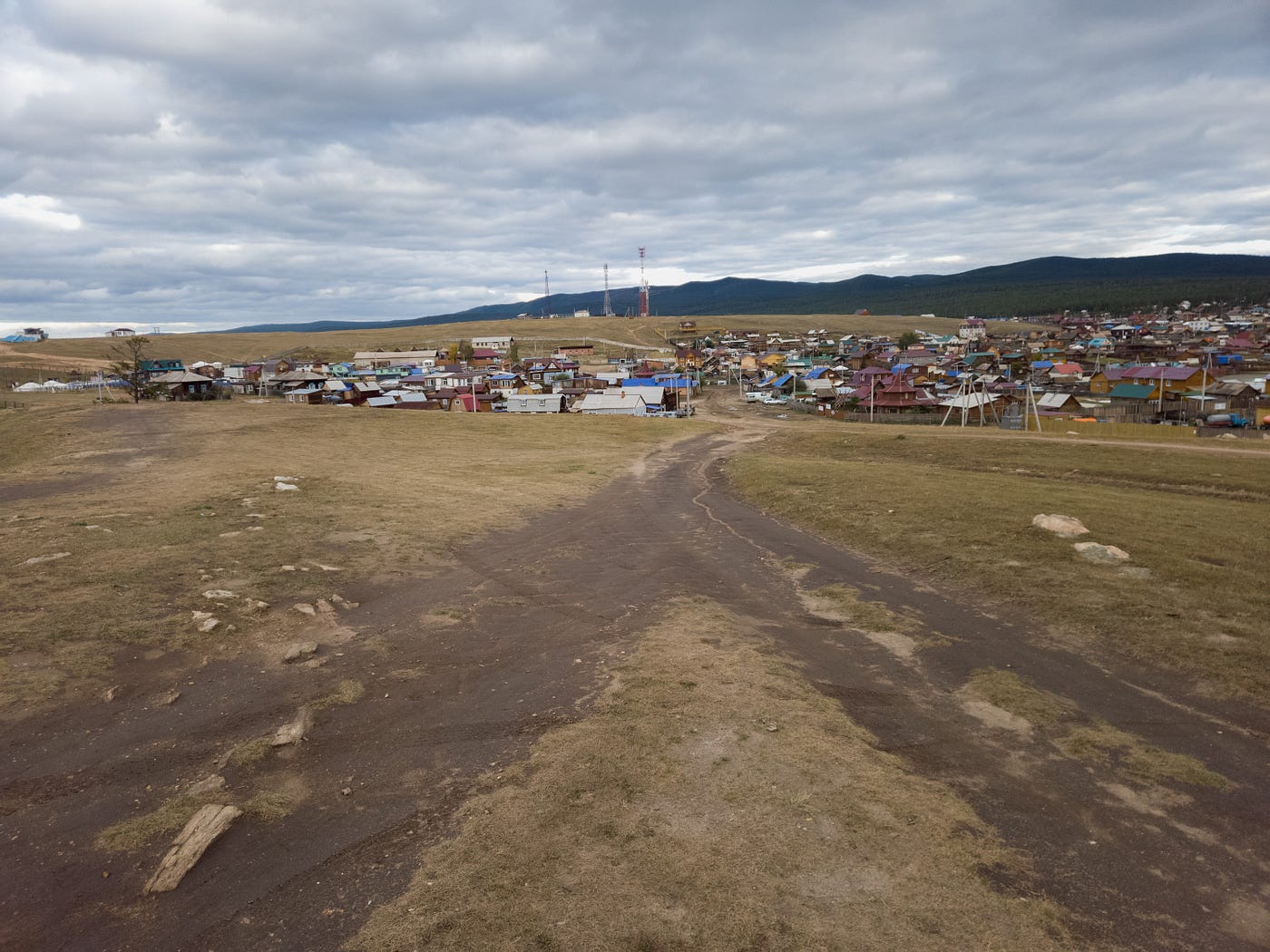
Mass tourism arrived here less than 10 years ago, when the Chinese tourist groups started to invade the world and the Russian Far East in particular. Instagram influencers and YouTubers also helped, posting fantastic photos of incredibly transparent and clean ice during winter tours. But sometimes winters are not cold enough for the lake to freeze. But overall, the tourism industry is just beginning to develop here, and so Khuzhir is currently dominated by dust, construction sites, wild advertising, and often equally wild services and accommodations. Welcome to Russia.
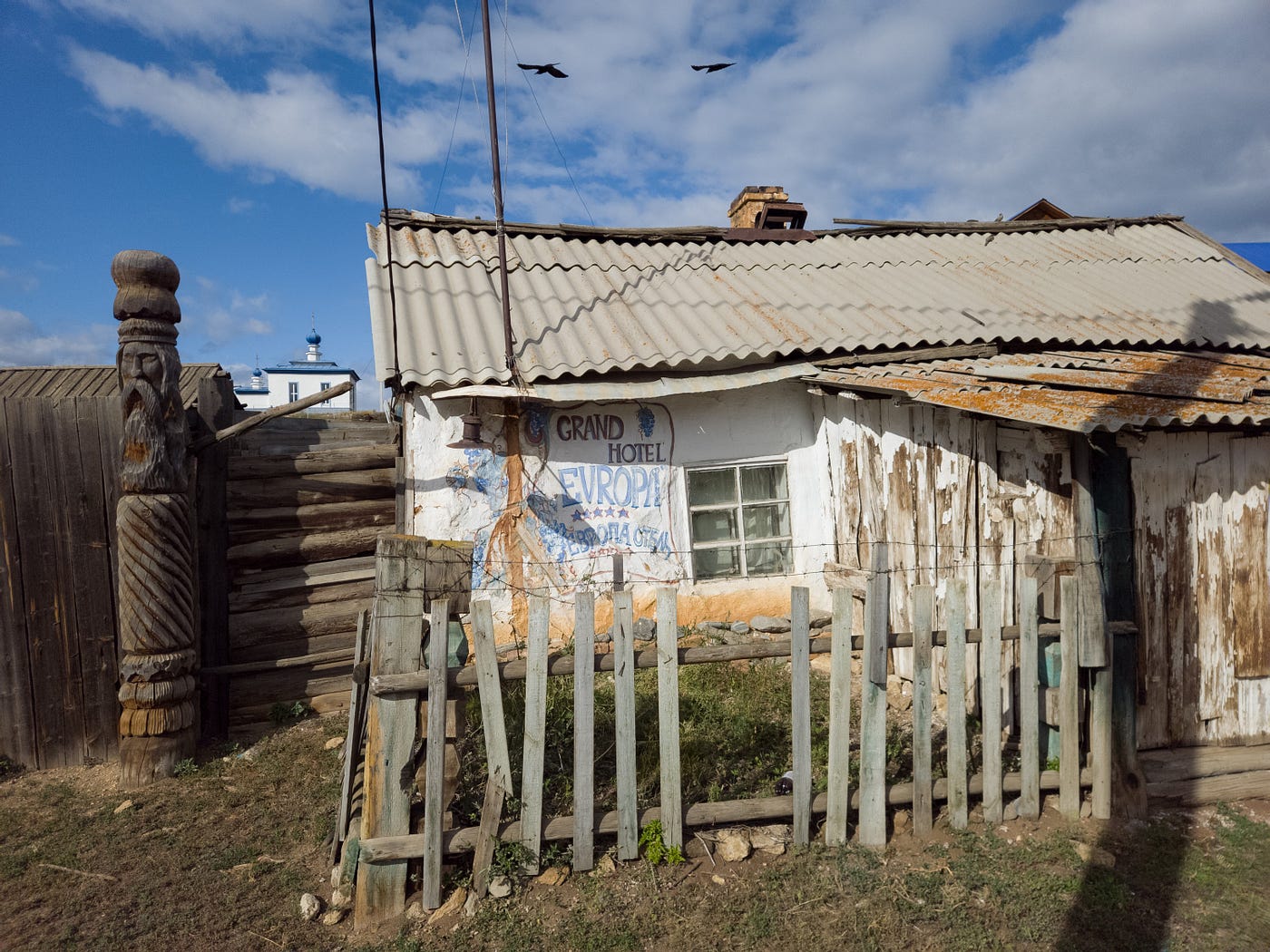
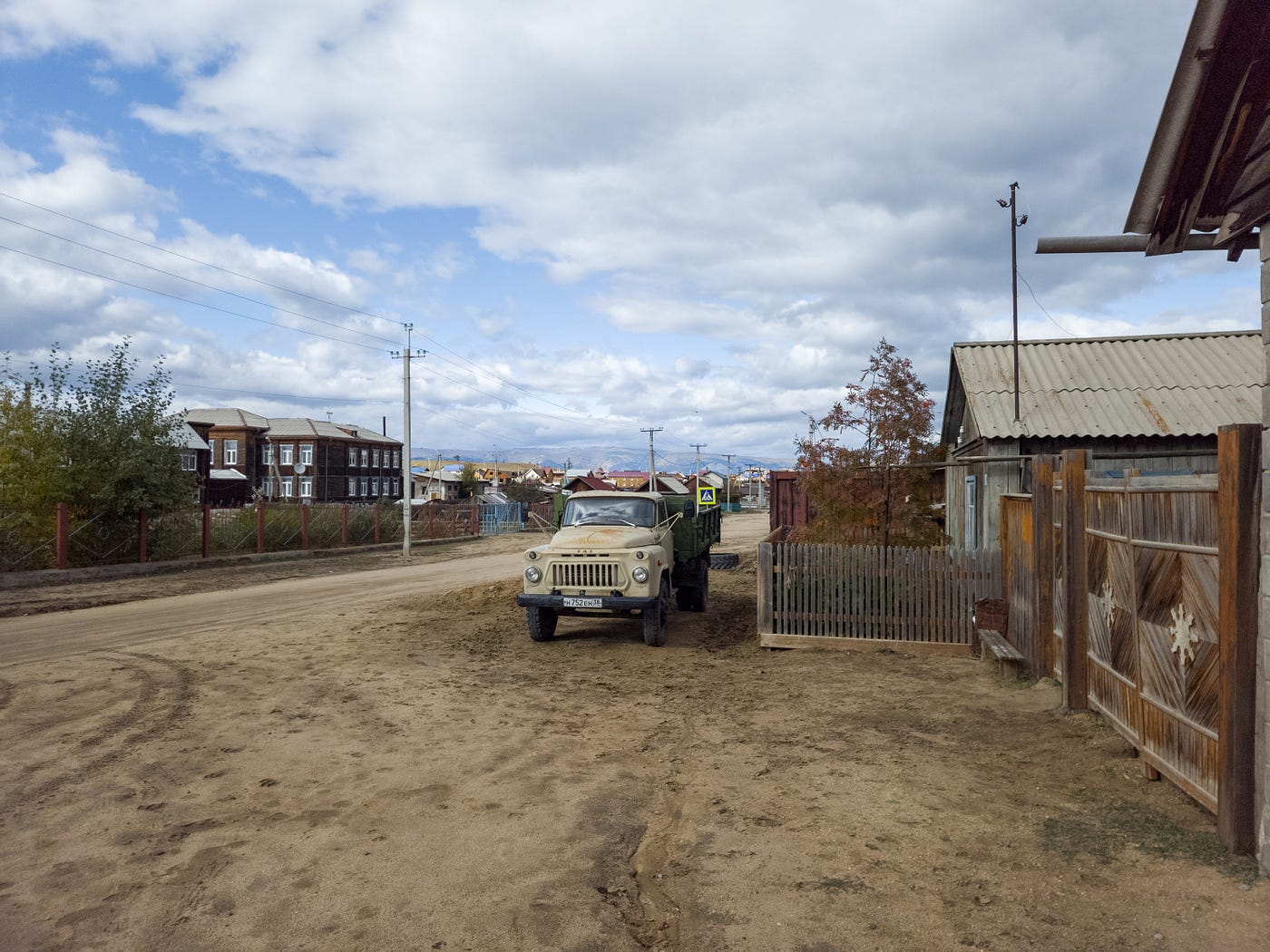
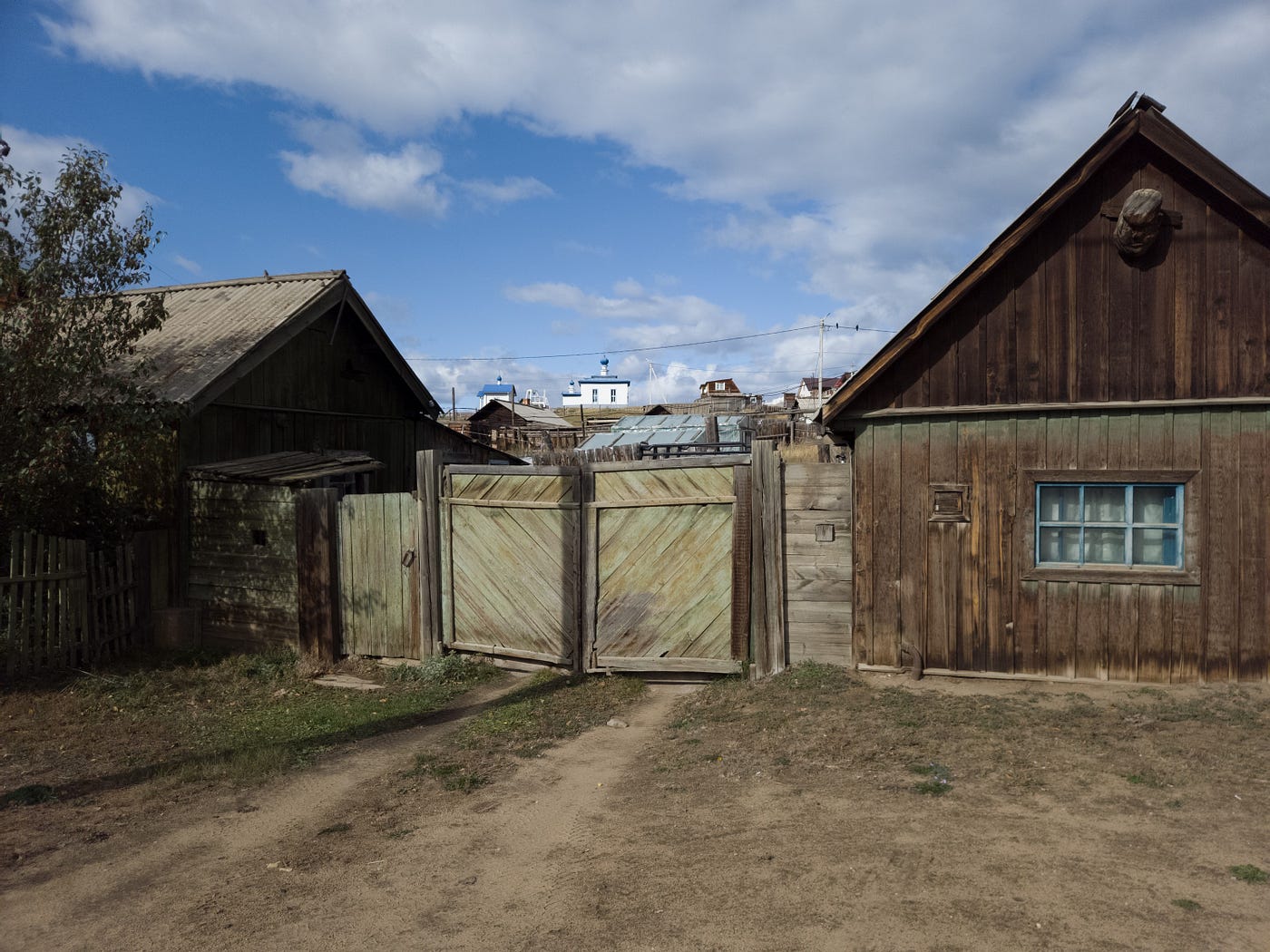

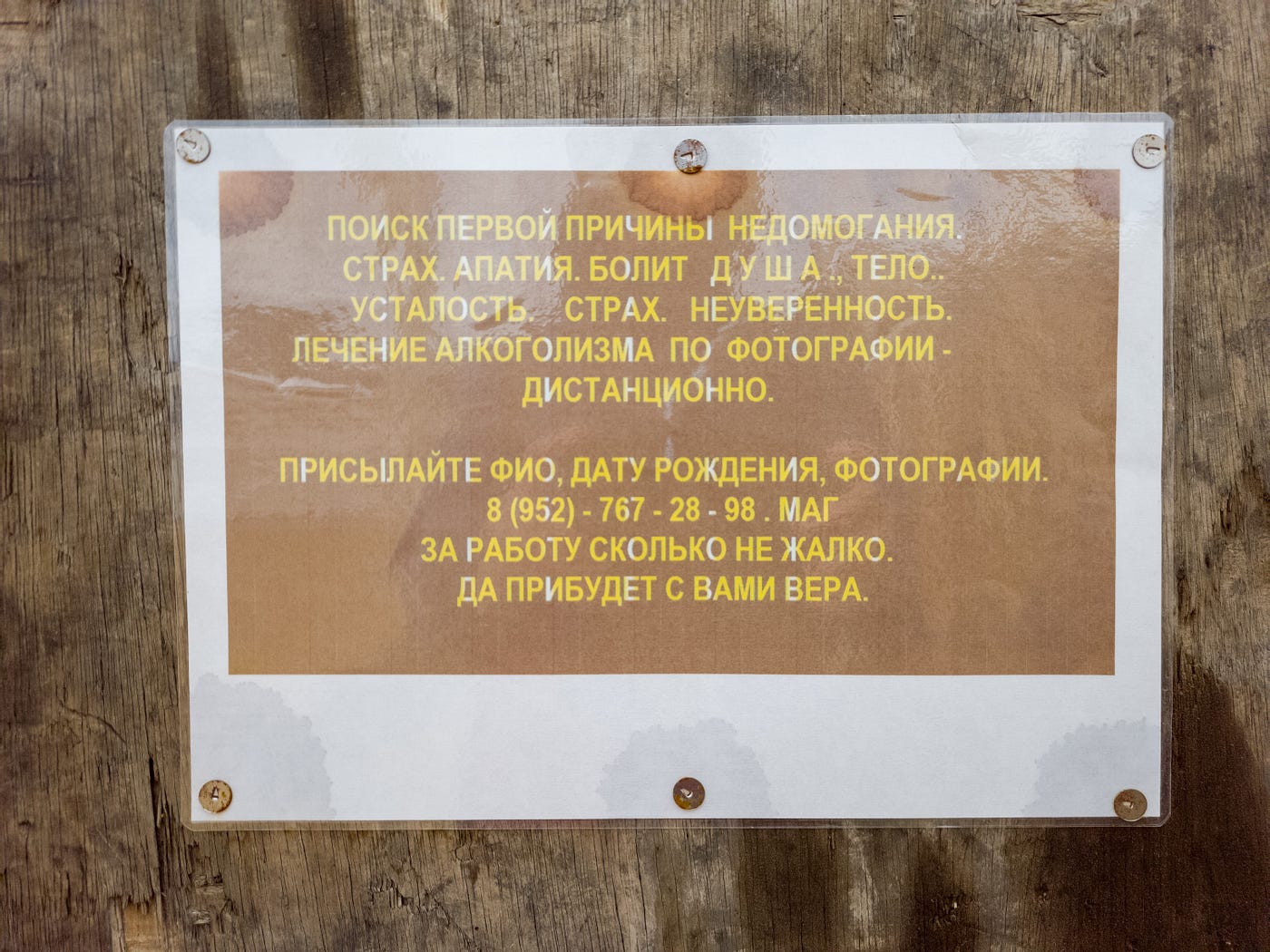


If you leave the main street, it’s difficult to navigate without a UAZ. Auto trails are scattered haphazardly throughout Khuzhir. Here are some pics from different days:

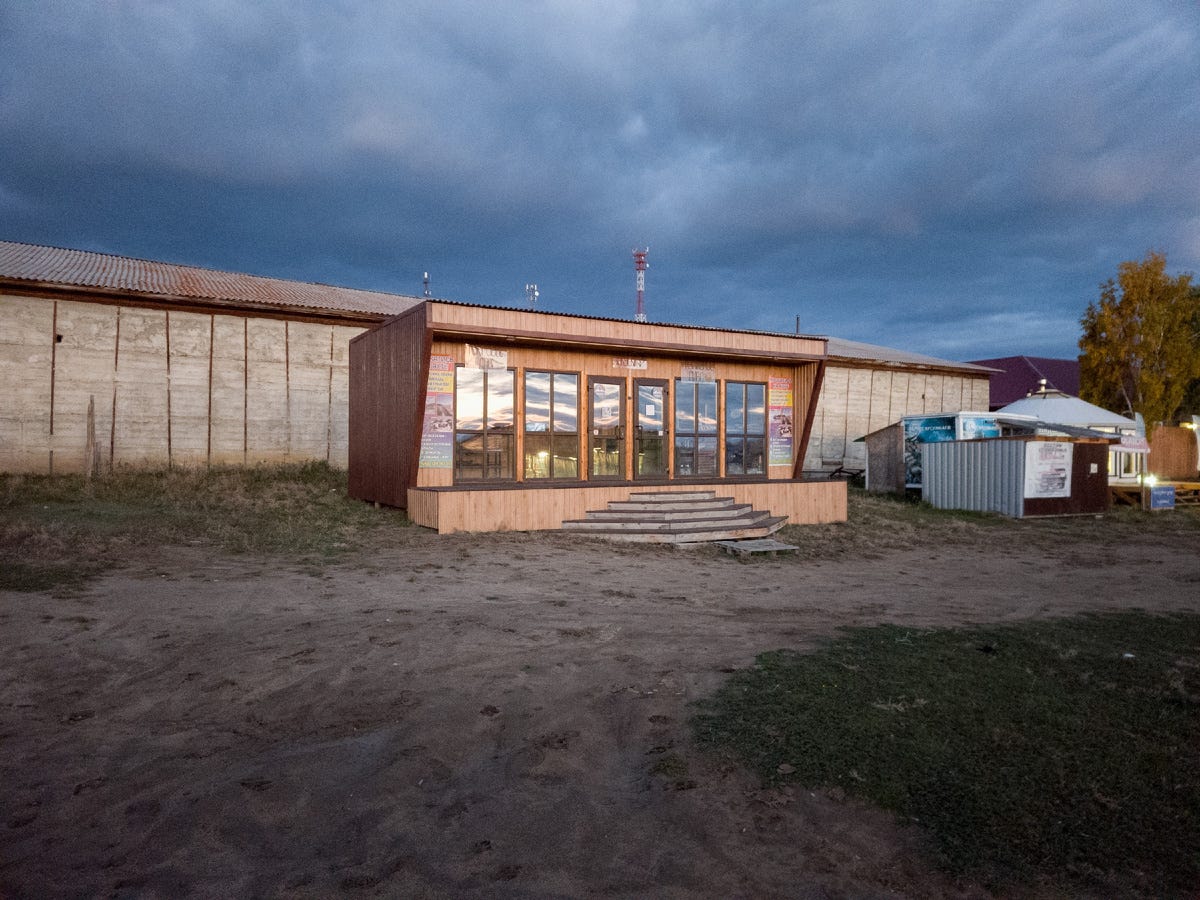
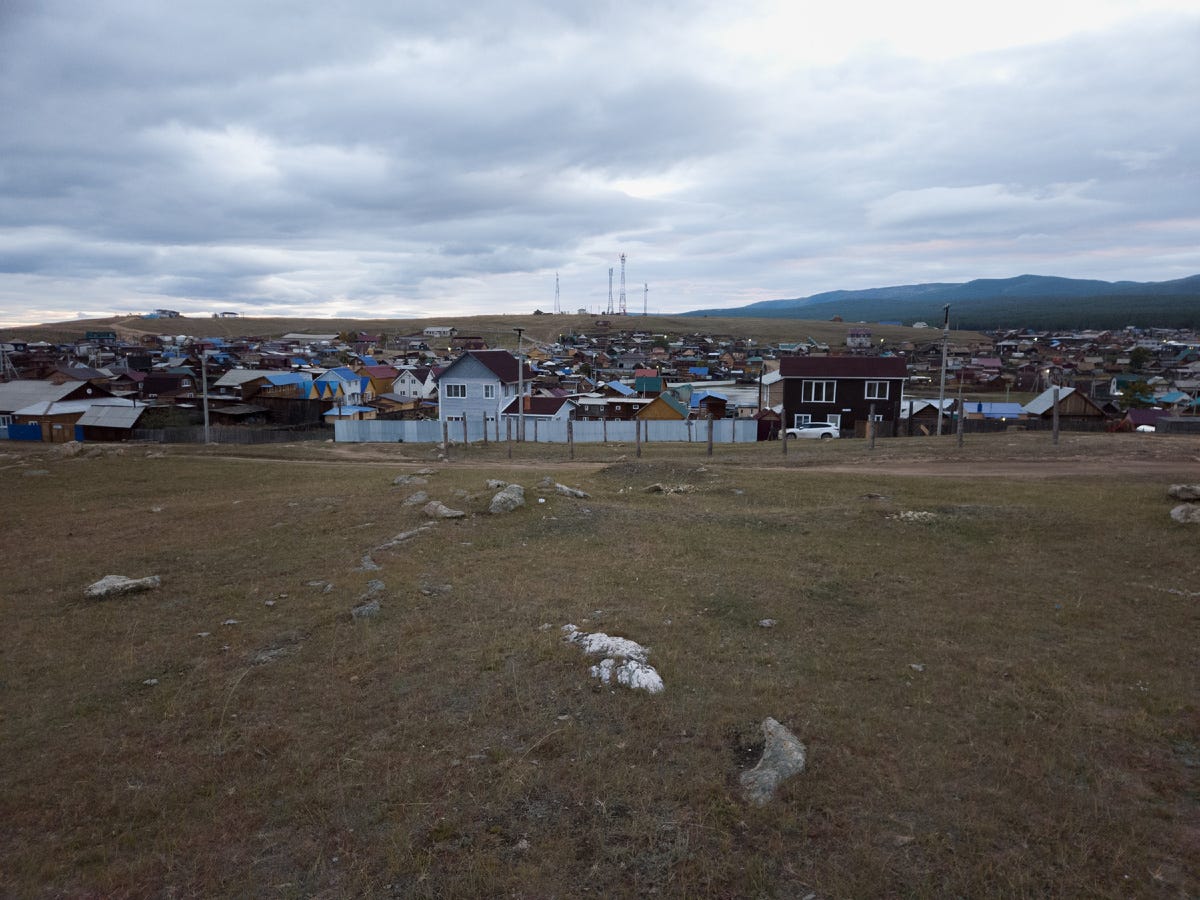


Now there is a Ferris wheel to the left of the yurts in the second image.

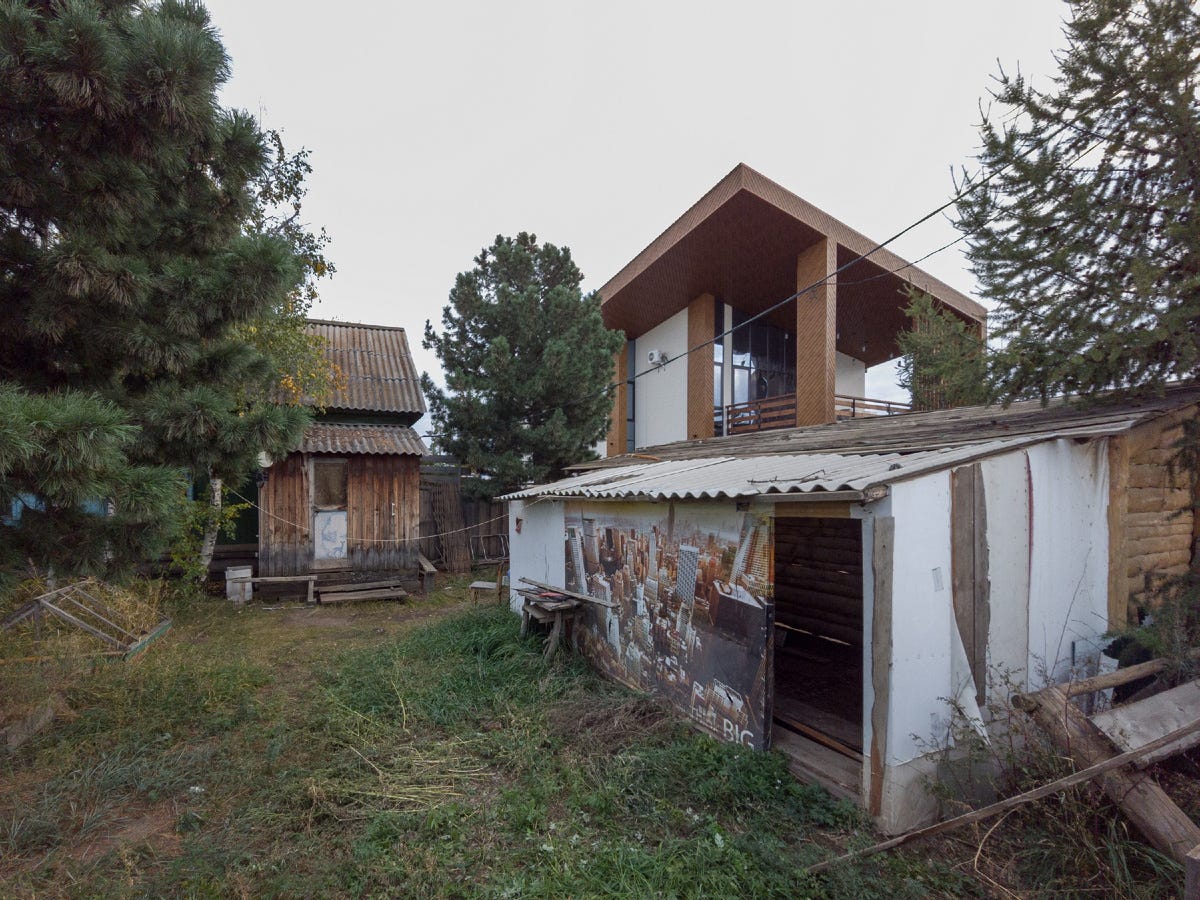
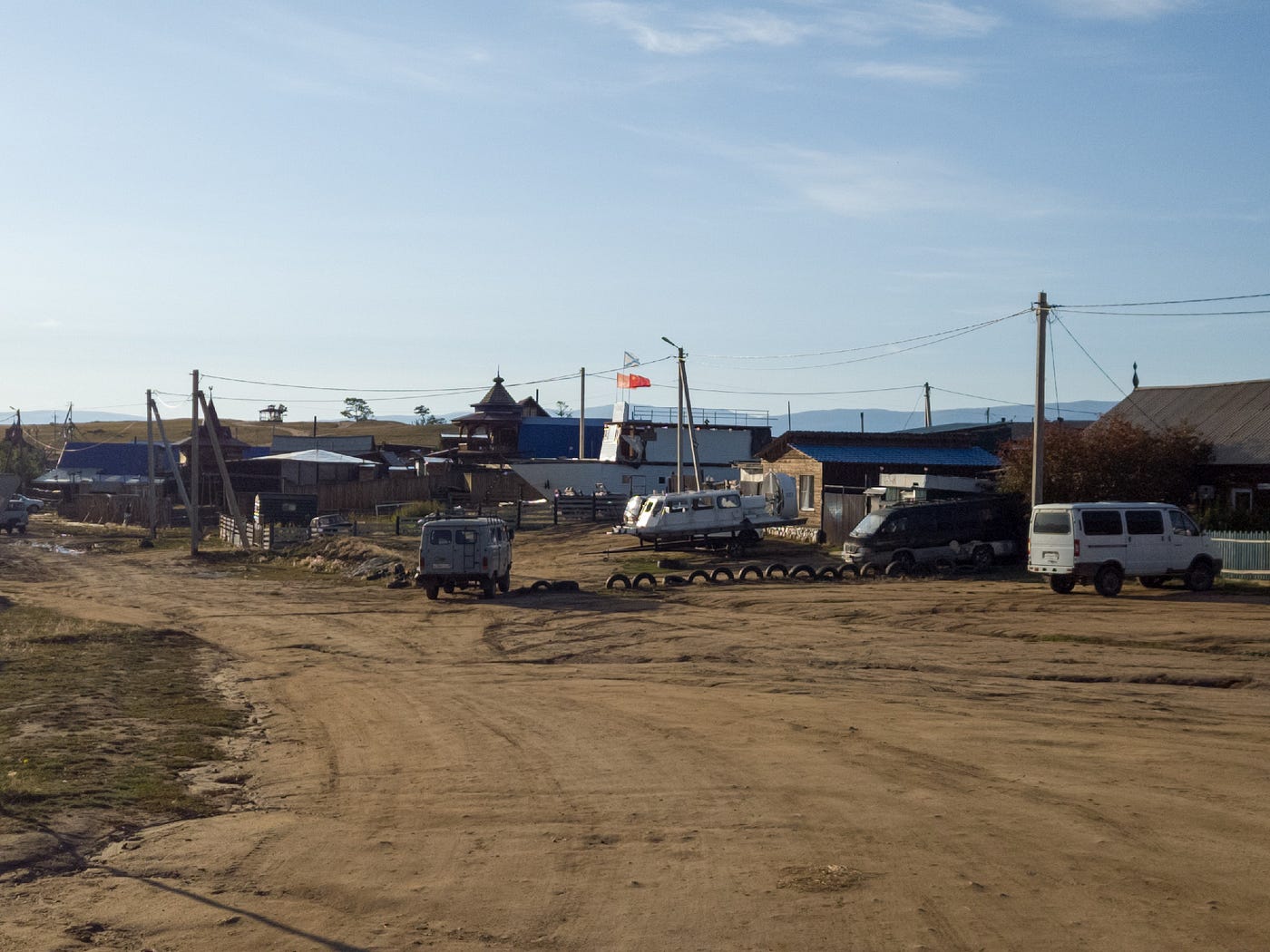

Khuzhir writings on some ruins:


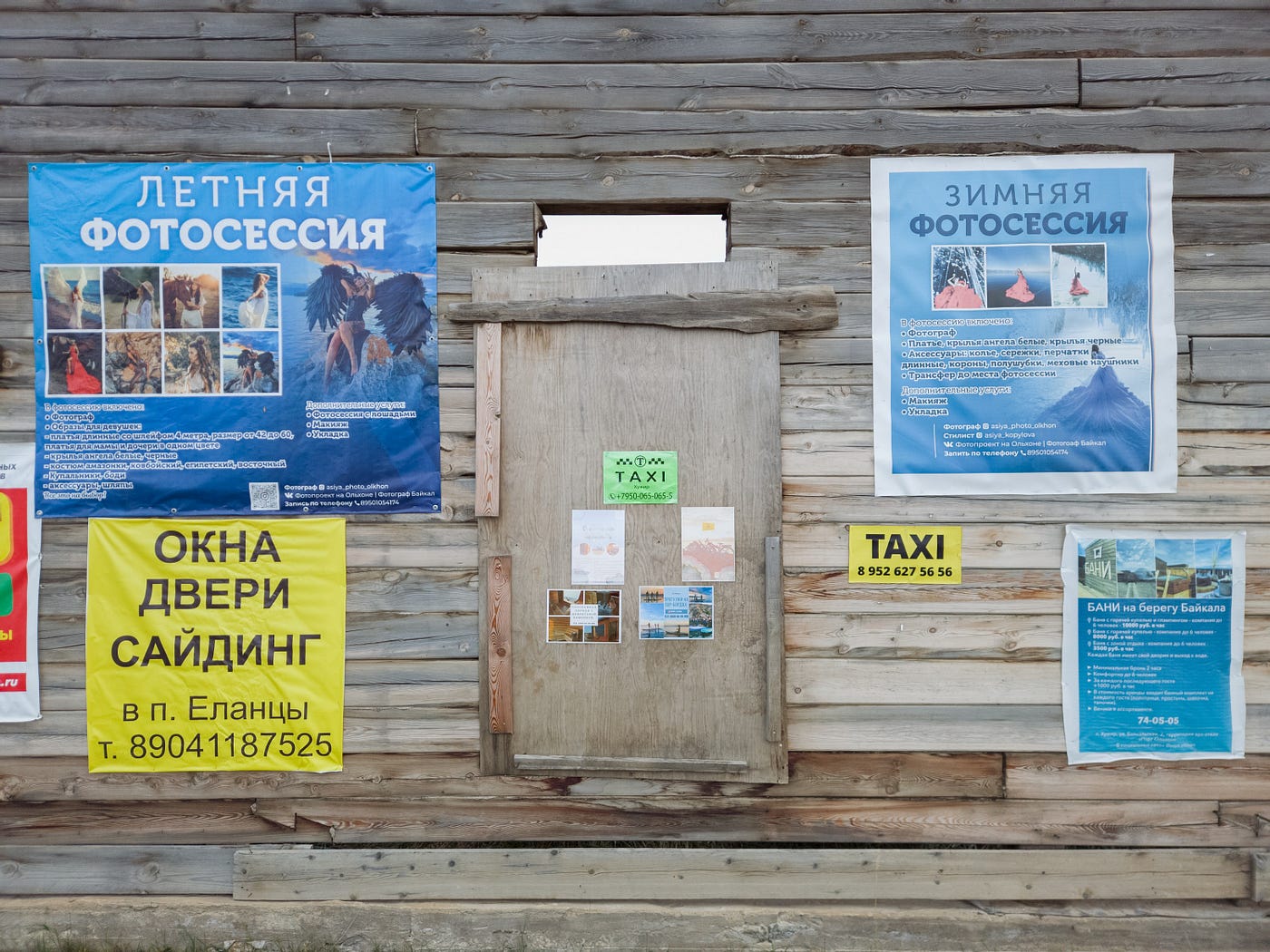
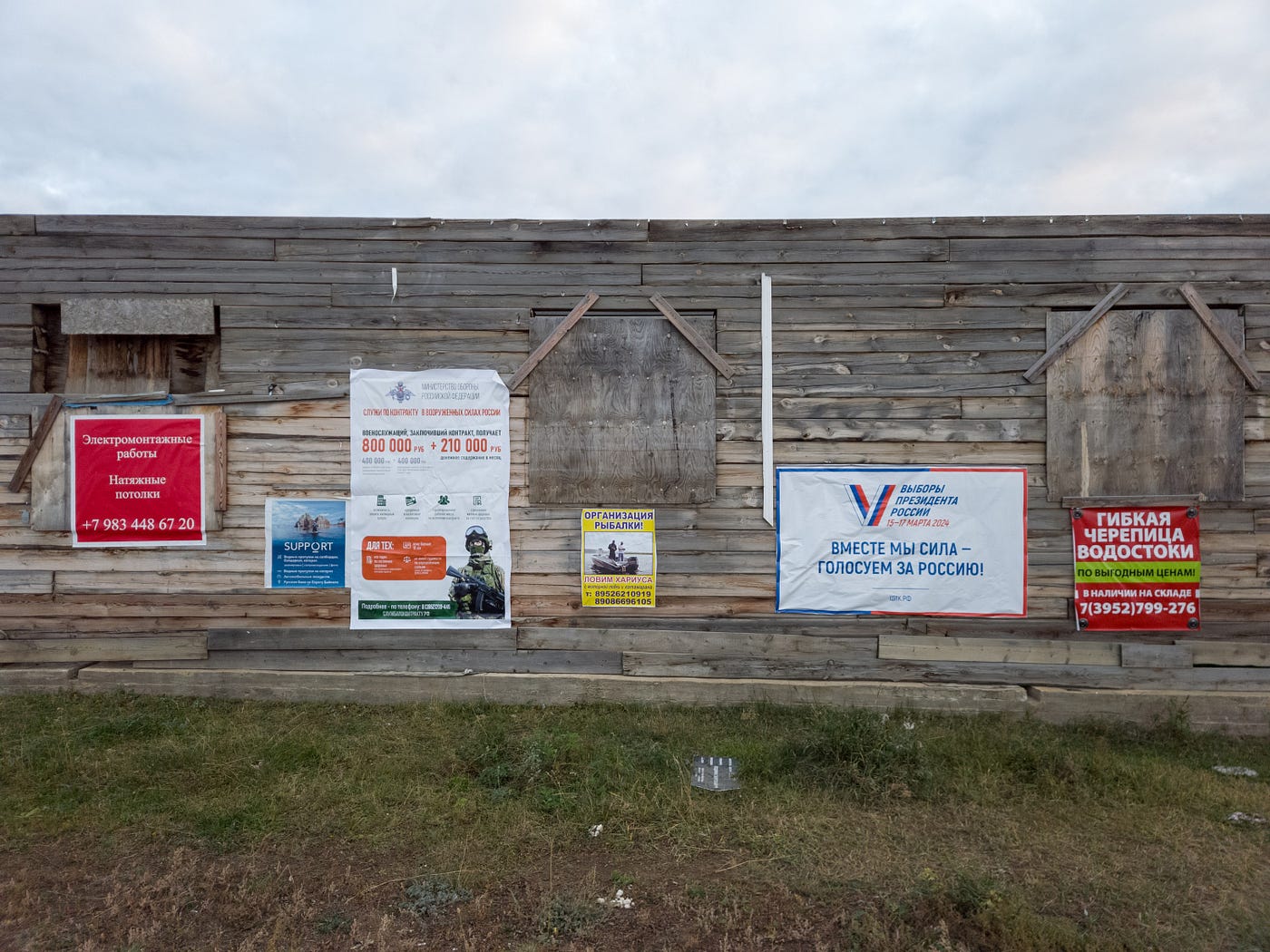

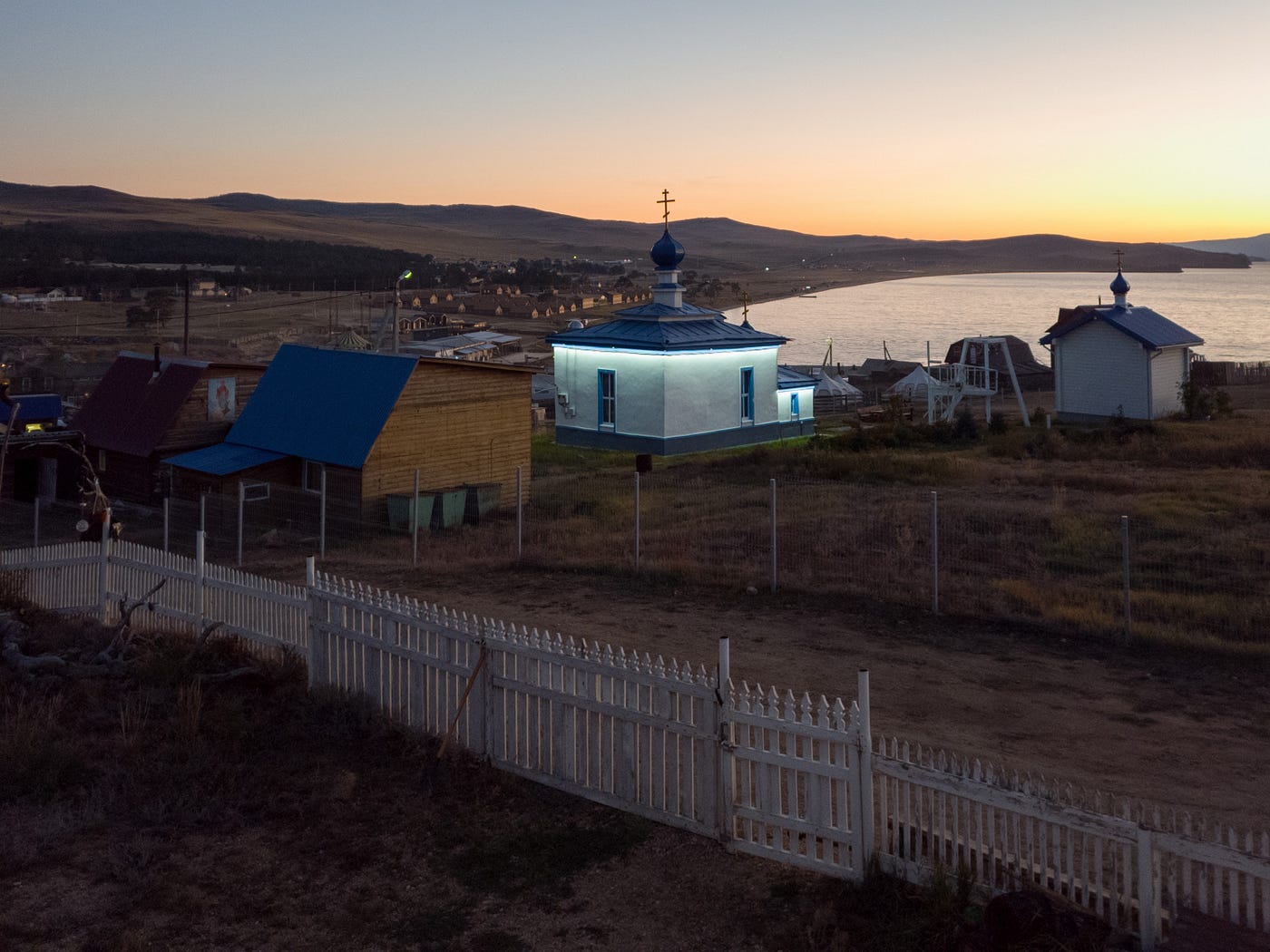
Services available to the public include a school, hospital, paved road, post office, church, cemetery, museum, and library. Naturally, there are also merciless catering establishments and souvenir temptations, along with offers to rent a room, go fishing, take a steam bath, or ride a boat, bike, or scooter.

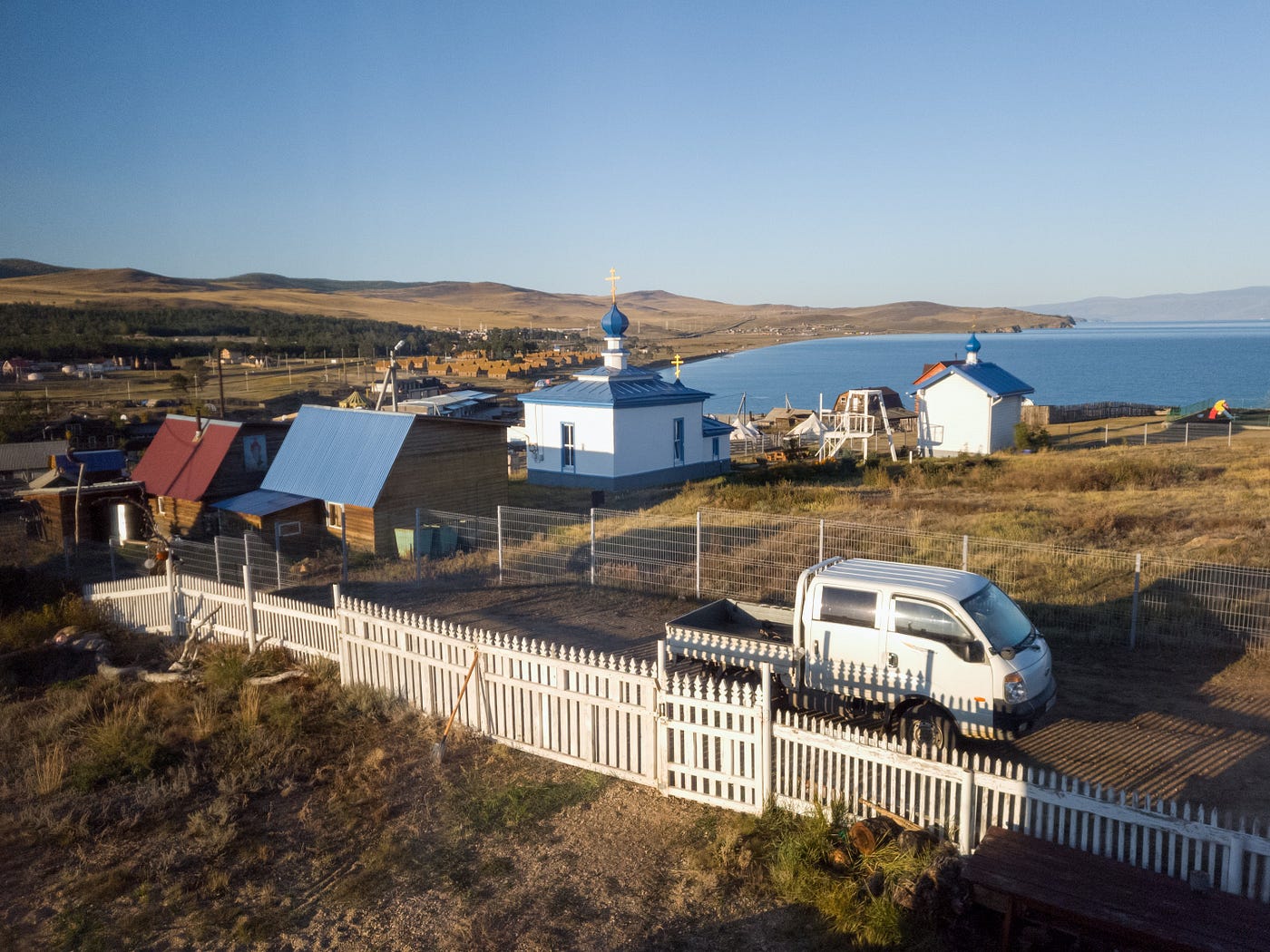
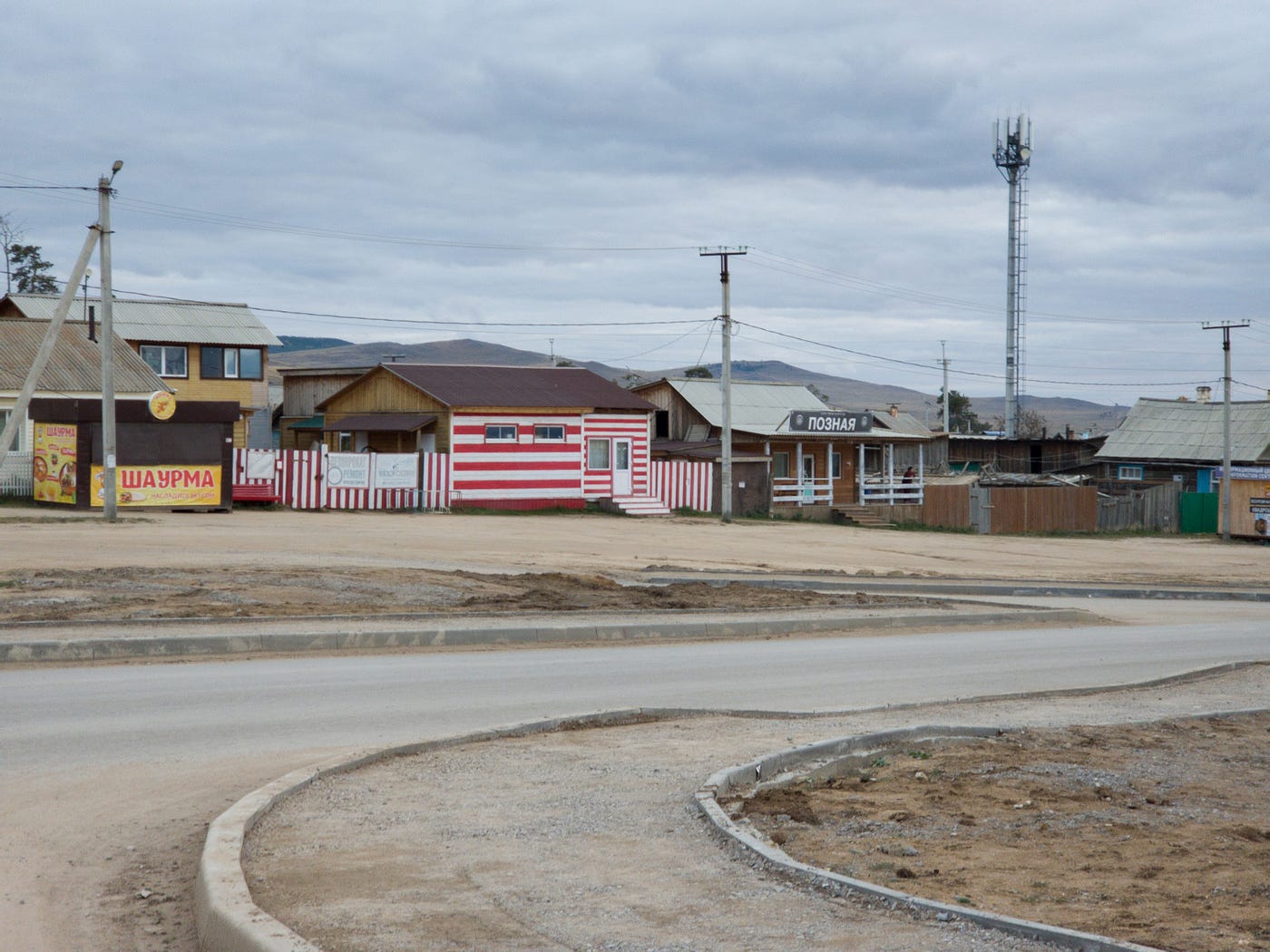

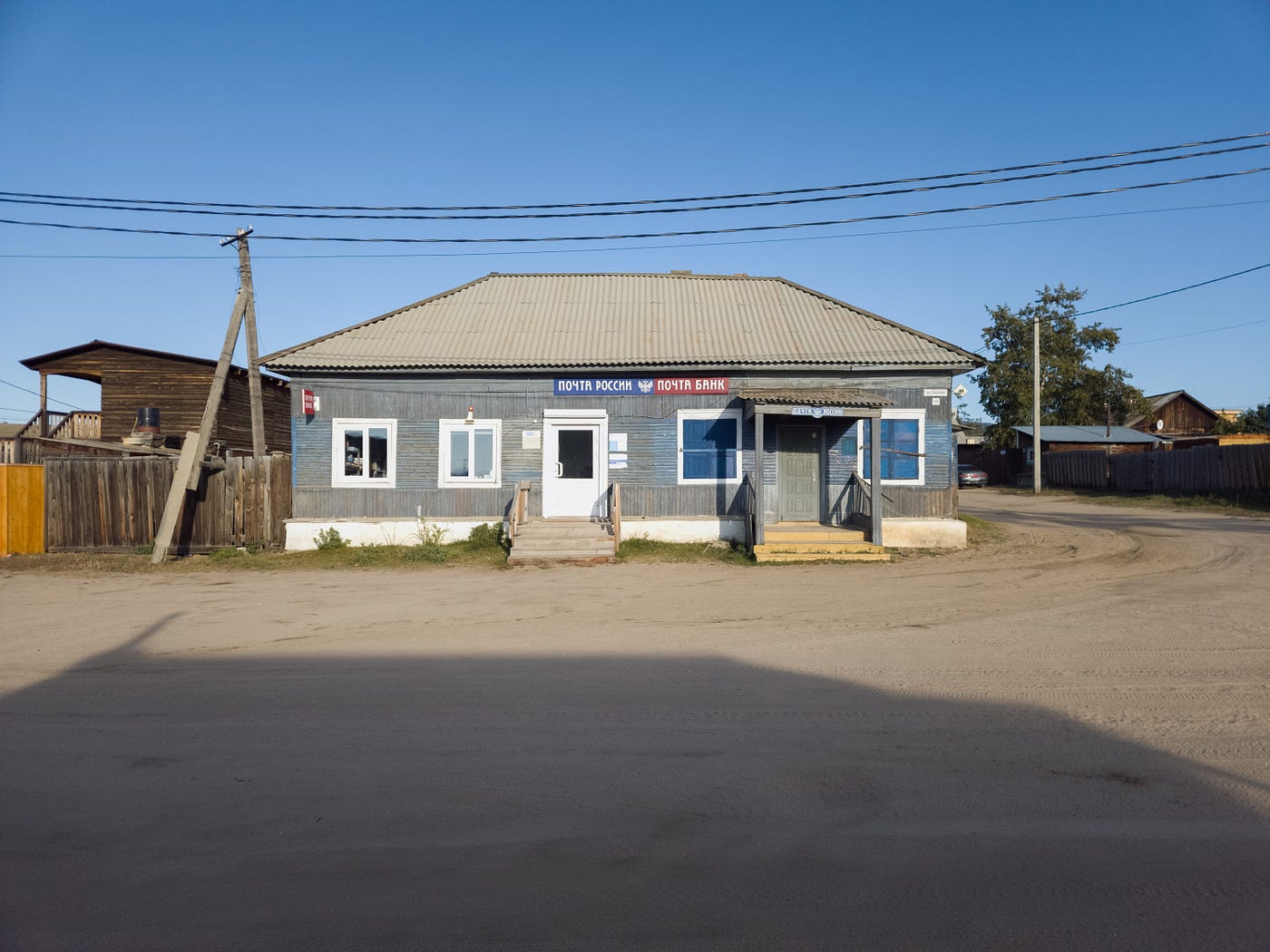
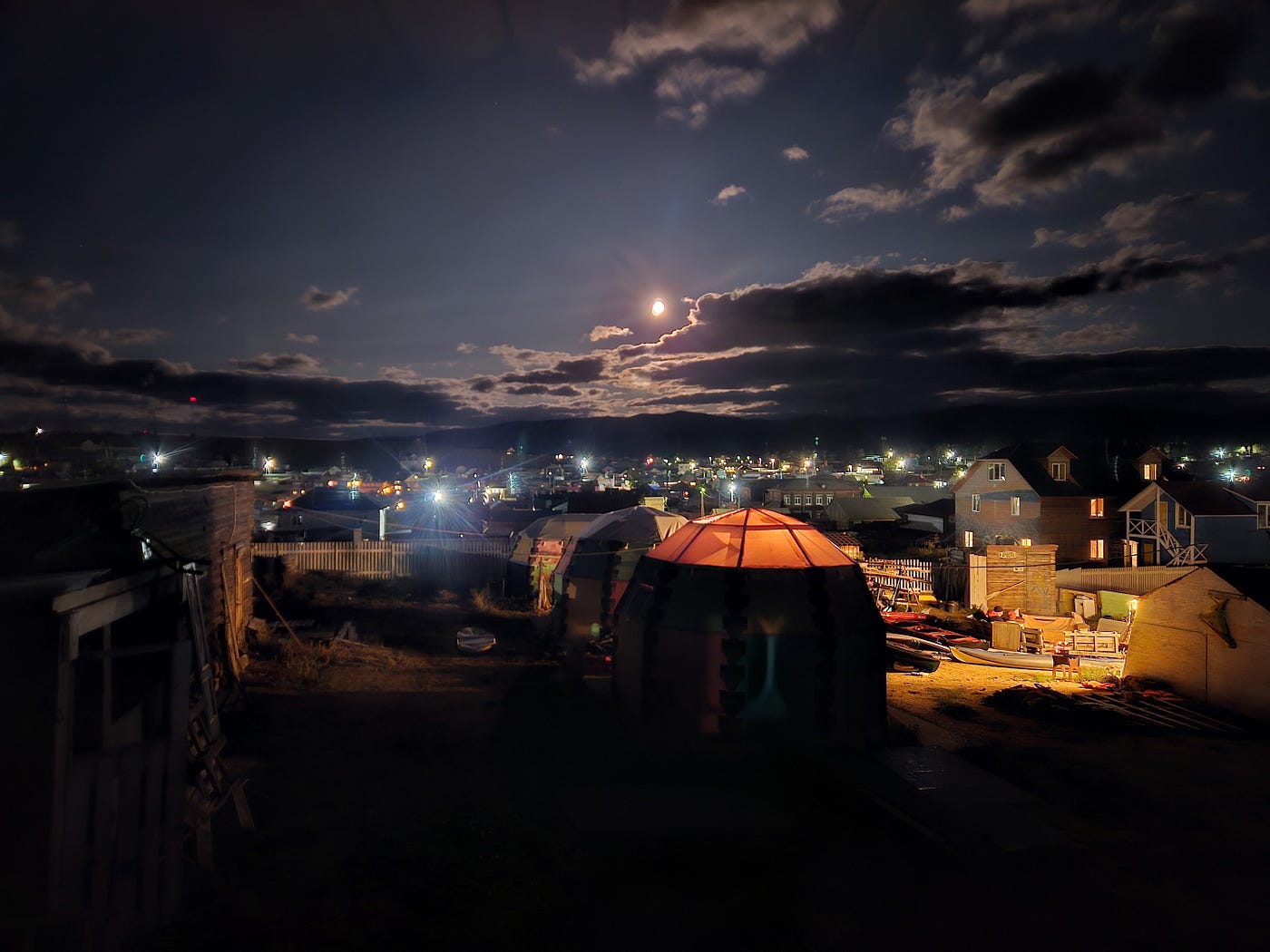


Although I was couchsurfing in Khuzhir for free, I wasn’t sure about my last night on Olkhon, so I looked for a second option, just in case I’d need a backup. I found a bed at some place for 800 rubles per night (about 8 euros). I stopped by to check out the conditions there, and to be honest, it was worth no more than 150 rubles. And I’m not talking about the toilet and water outside; I don’t mind that. I mean basic sanitary standards. There they were really low: the kitchen stank, the bed was terrible, and the yard was a mess. I don’t consider myself particularly fastidious or demanding: barracks at the construction sites, the army, the cheapest hostels — I’ve seen it all. But even for me, that place was too much. Nevertheless, I’m sure that during peak season it would be hard to find a spare bed even at such places, and there are plenty of them in Khuzir.
I didn’t take a photo of that place, but here’s a photo of one of the local cafes:
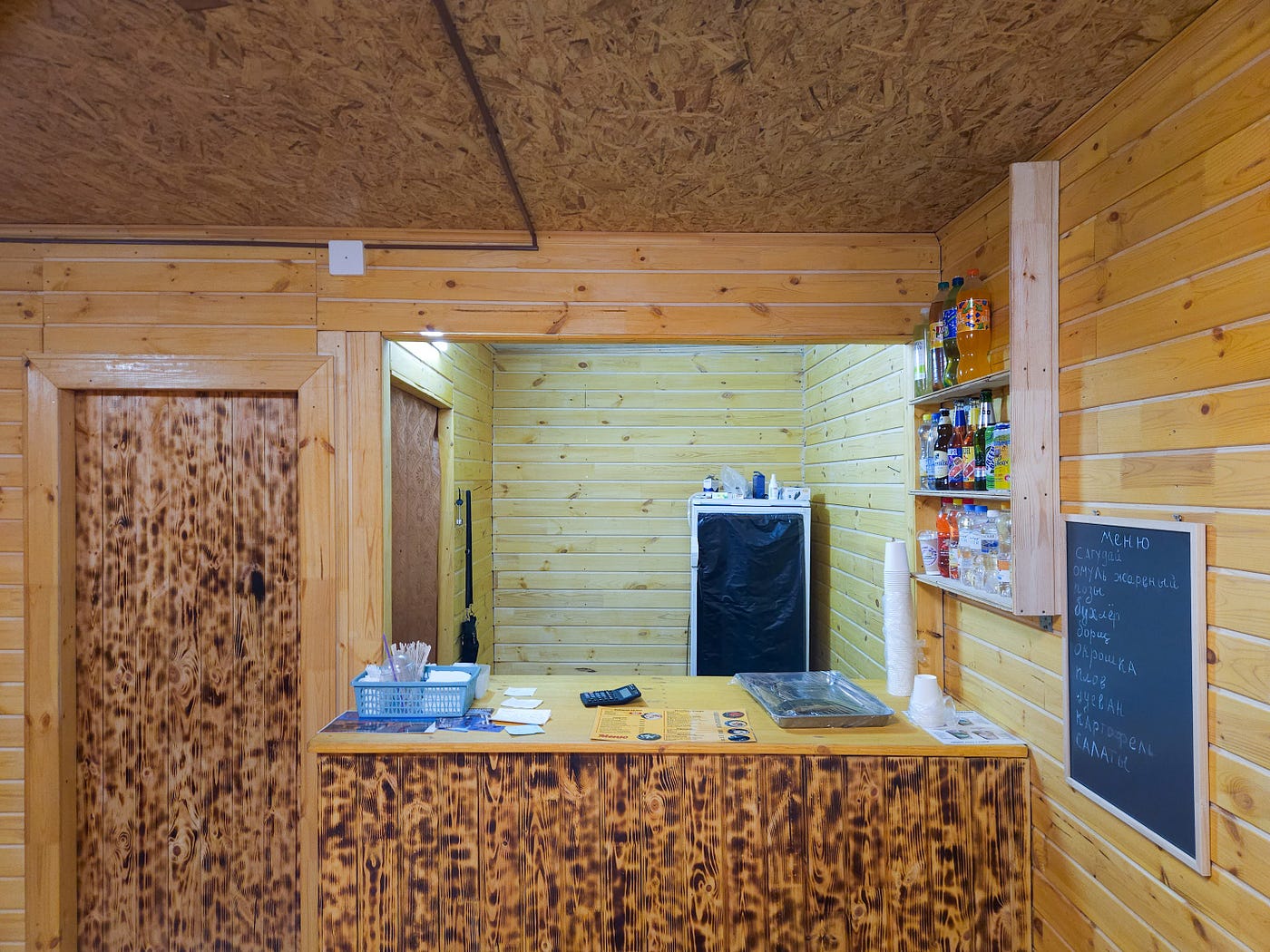
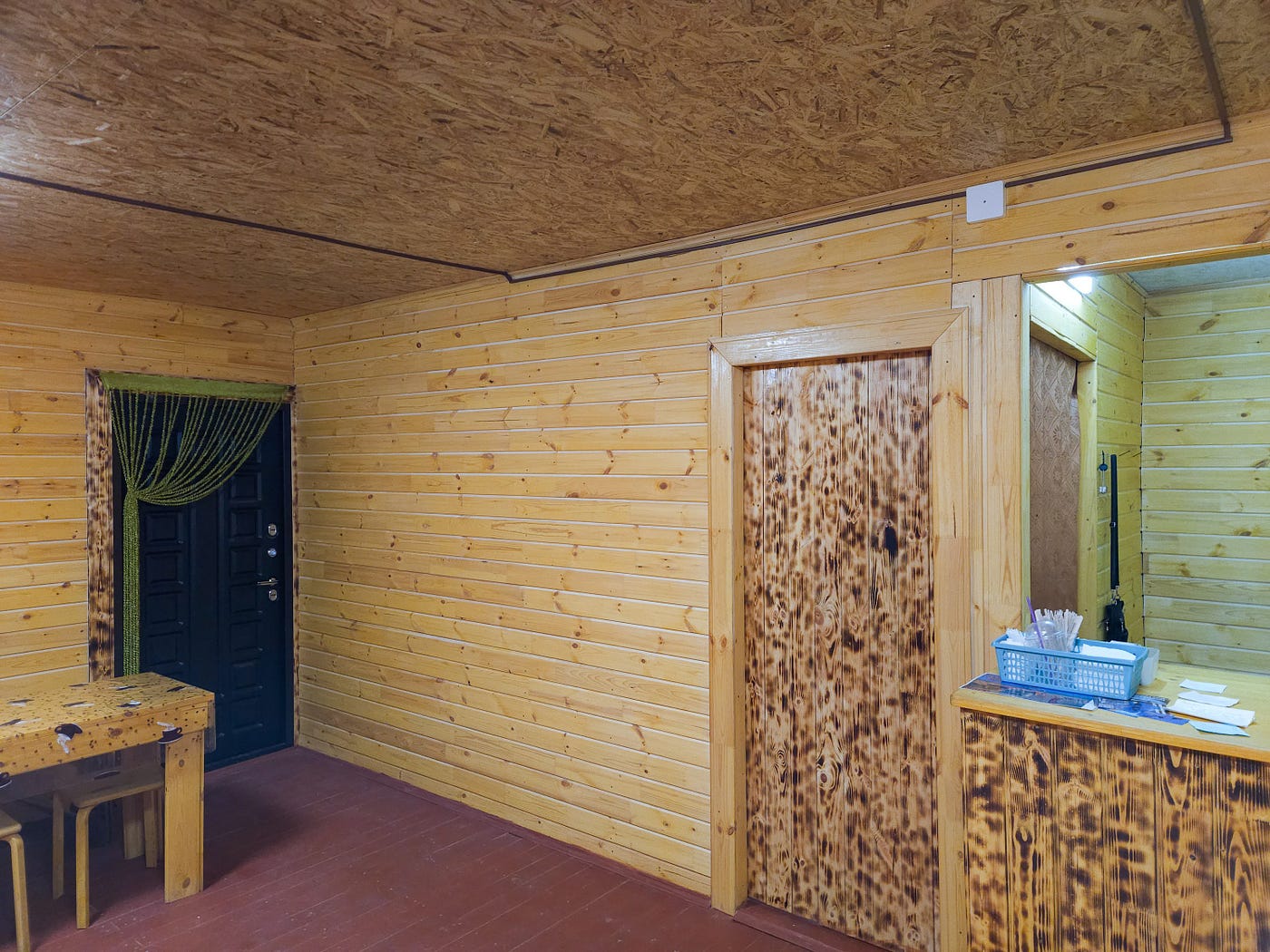

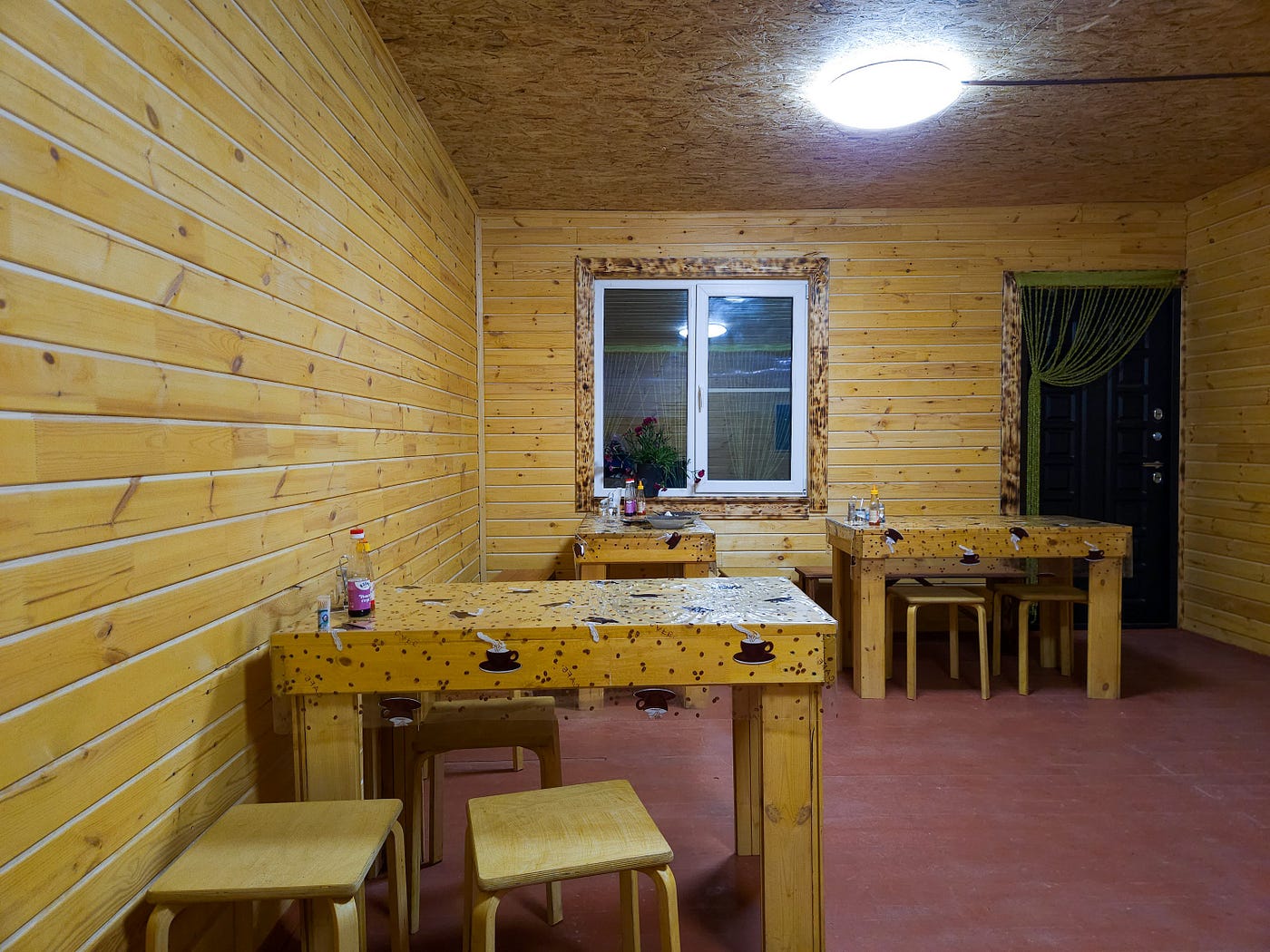
There are plenty of different kinds of eateries in Khuzhir, and the prices are average. There are also plenty of shops, but the prices there are a bit higher than on the mainland, and the choice is somewhat limited. Perhaps everything is more expensive in the summer. There are plenty of price tags too:
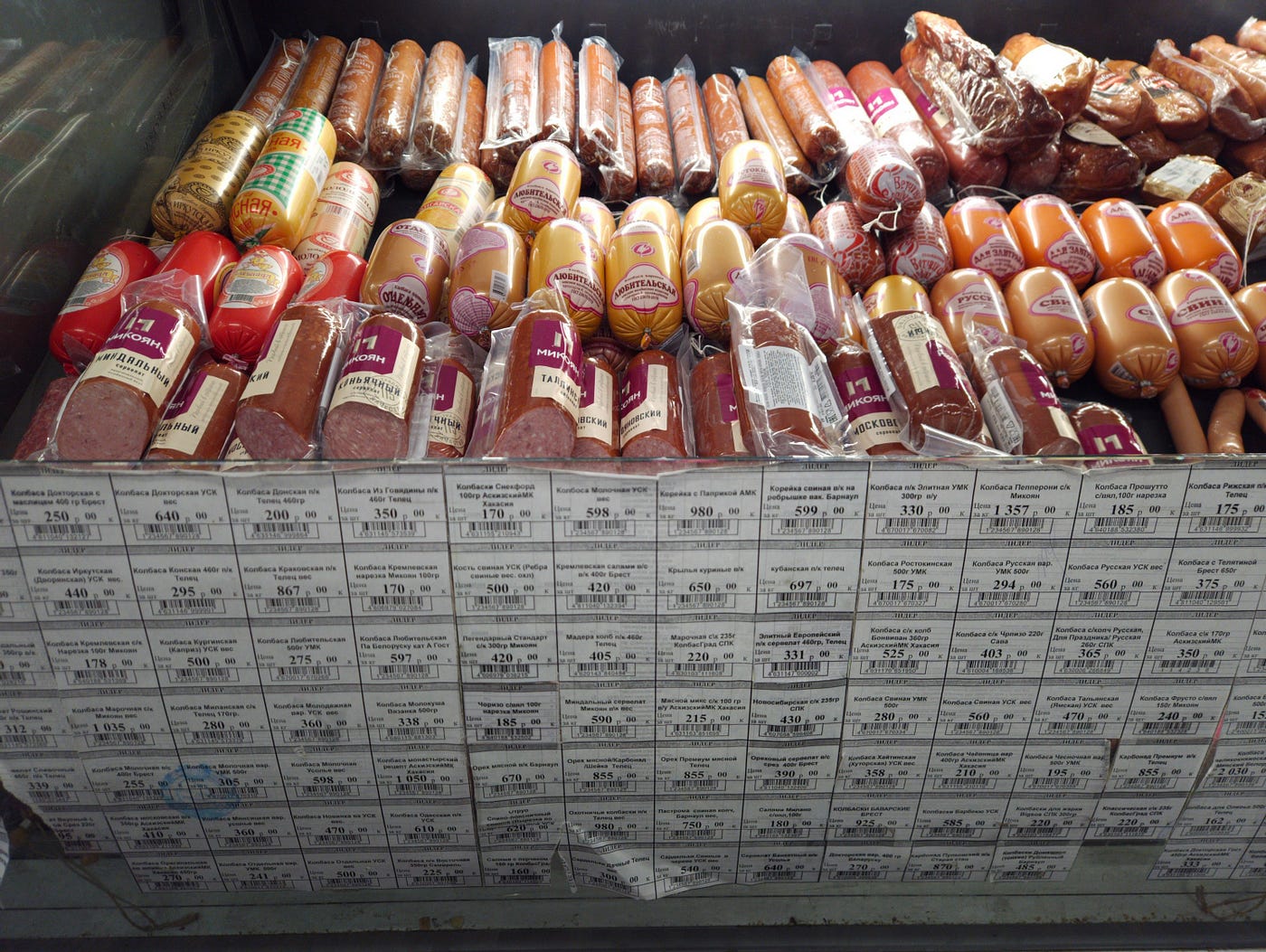


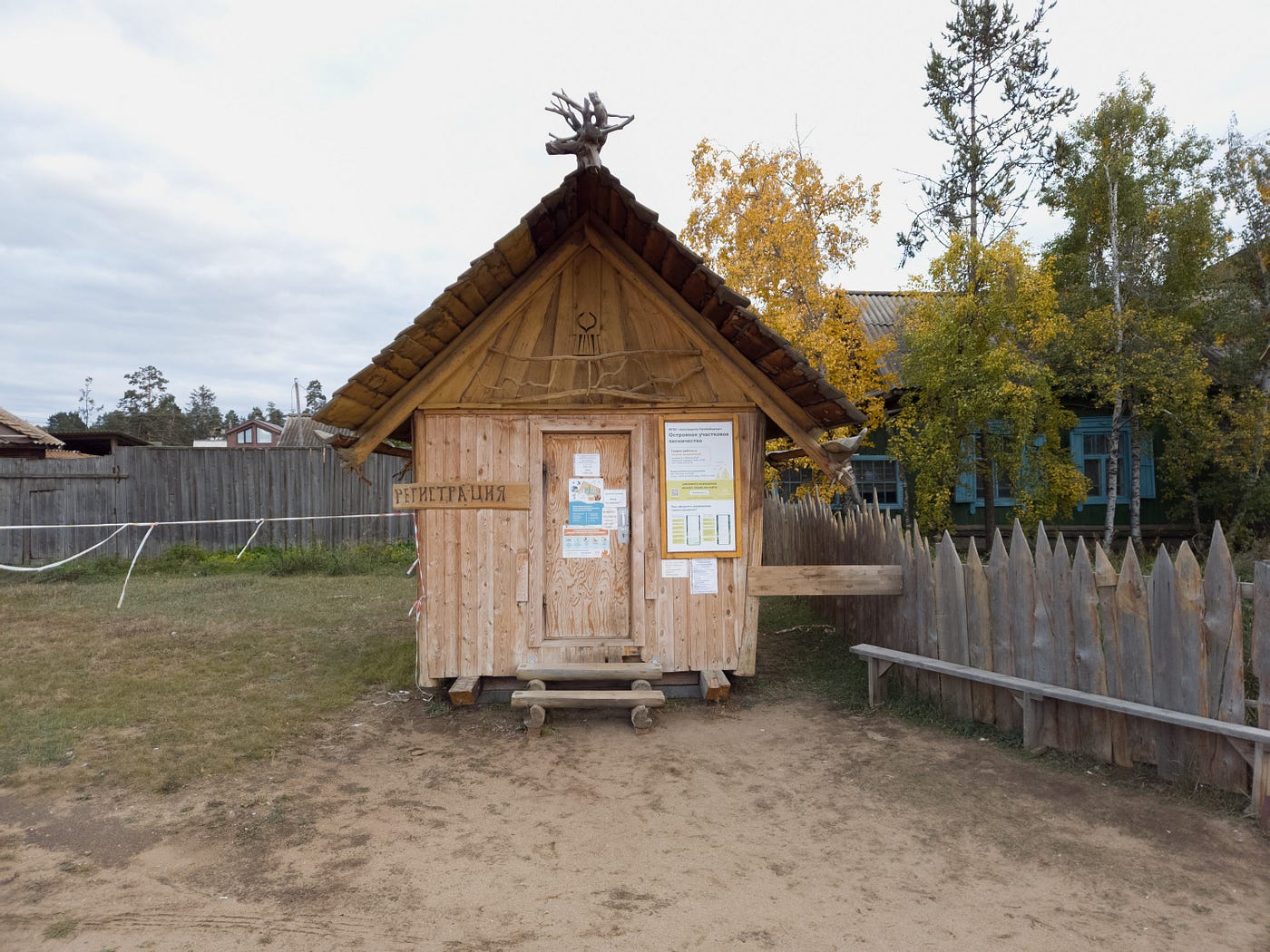
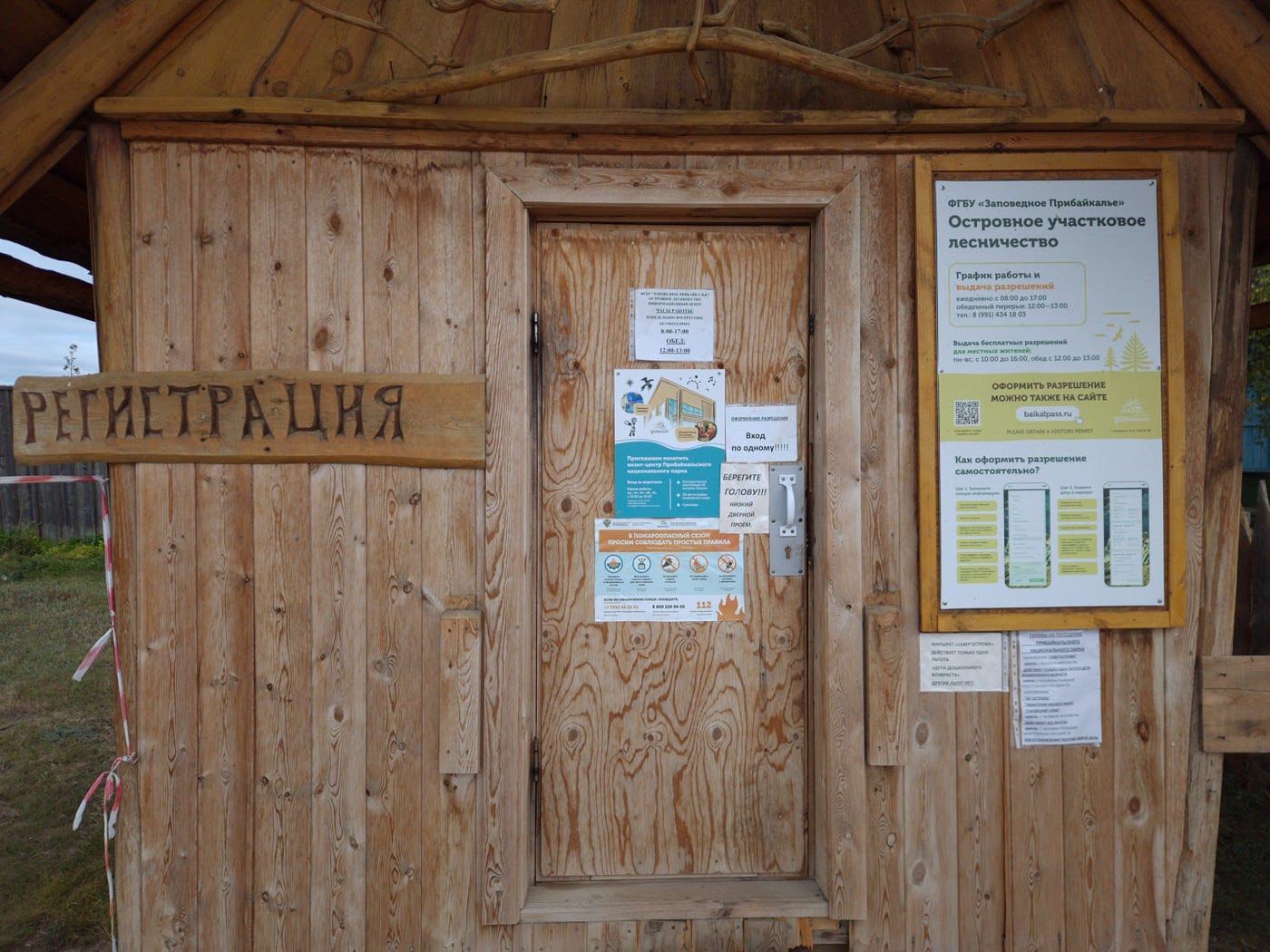
You can get a permit to visit the national park in Khuzhir too:
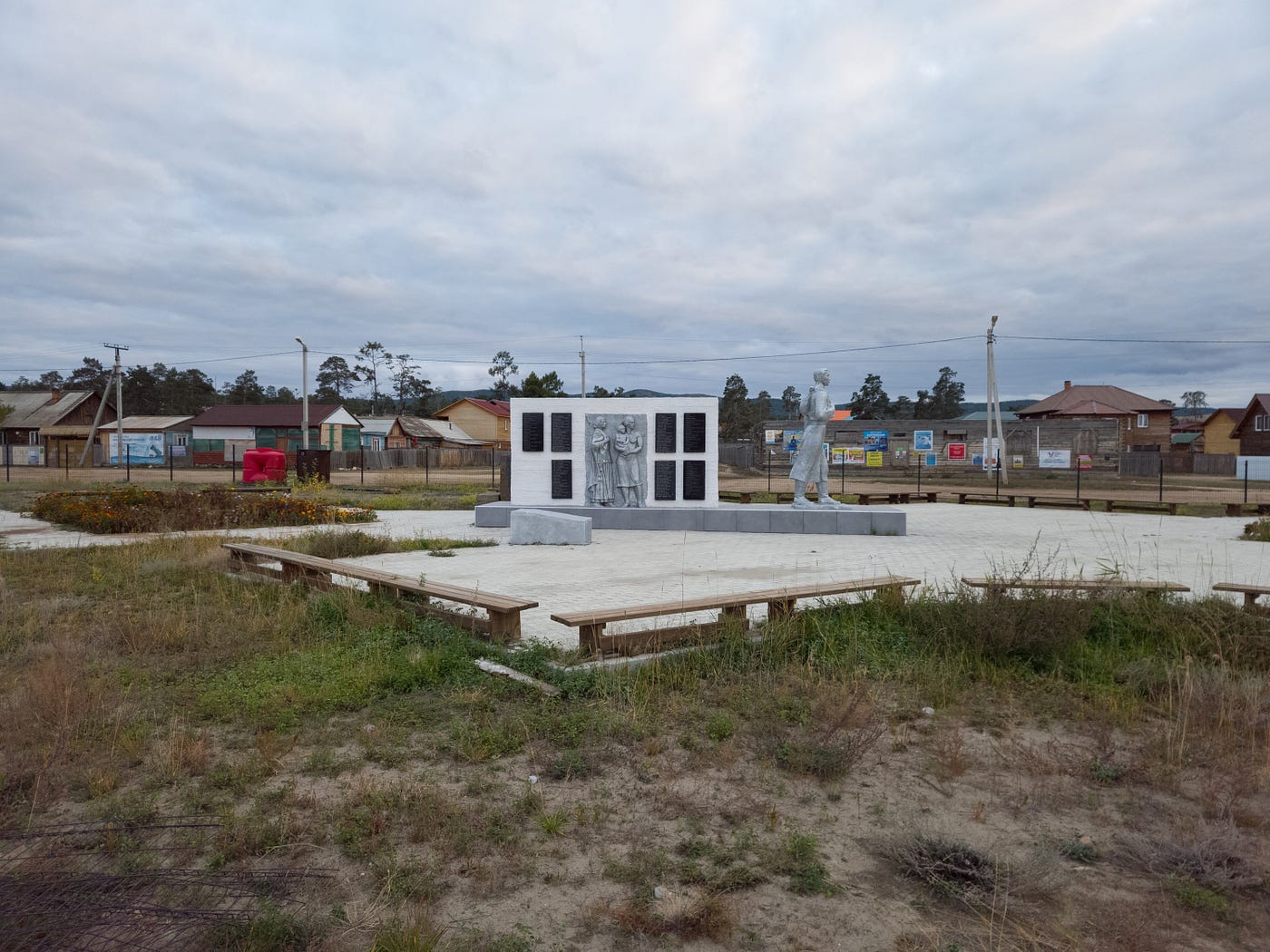
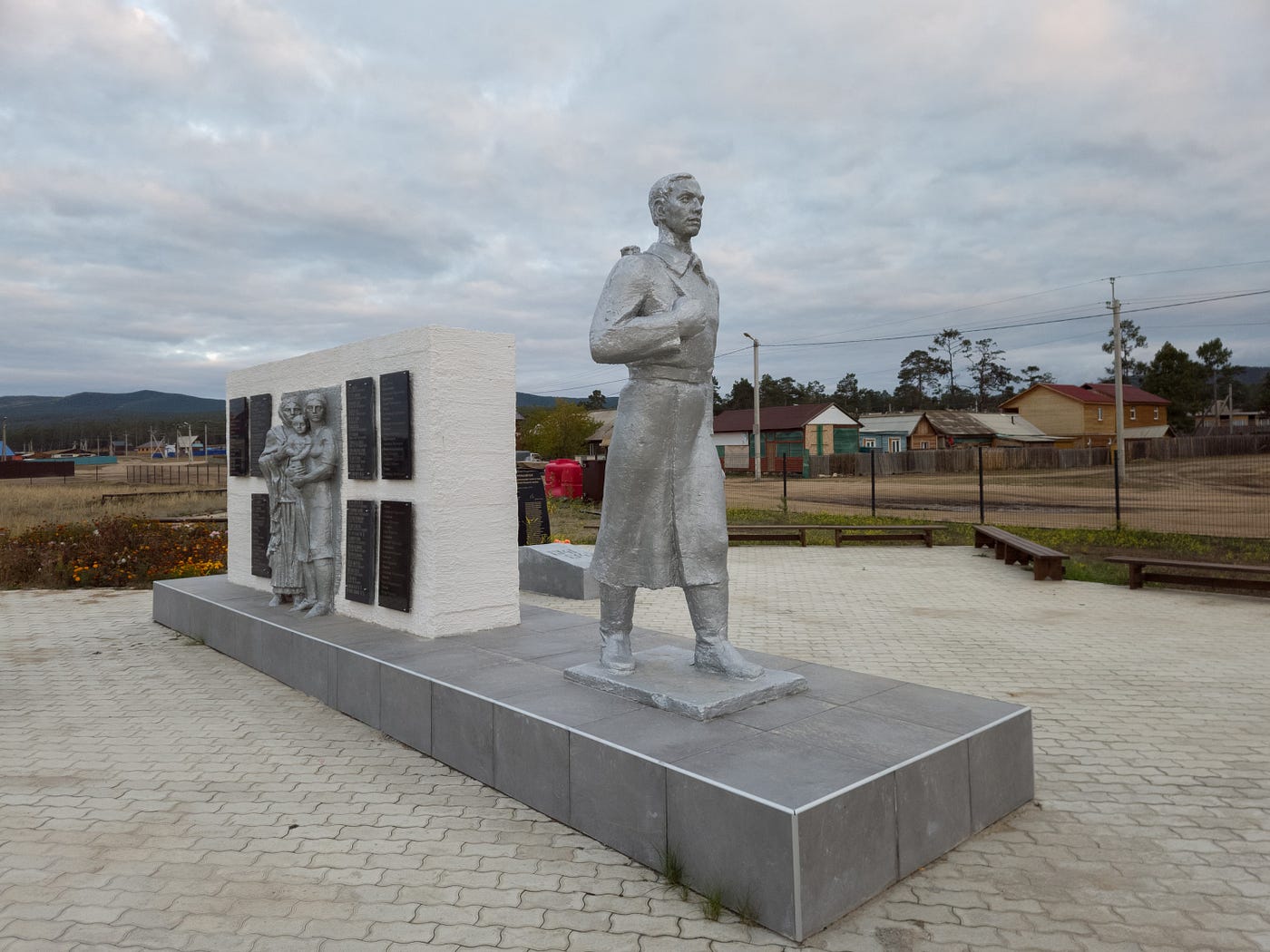
There’s a monument to the women fishermen in the centre of Khuzhir and a monument to the fallen residents of Khuzhir, if I remember correctly:
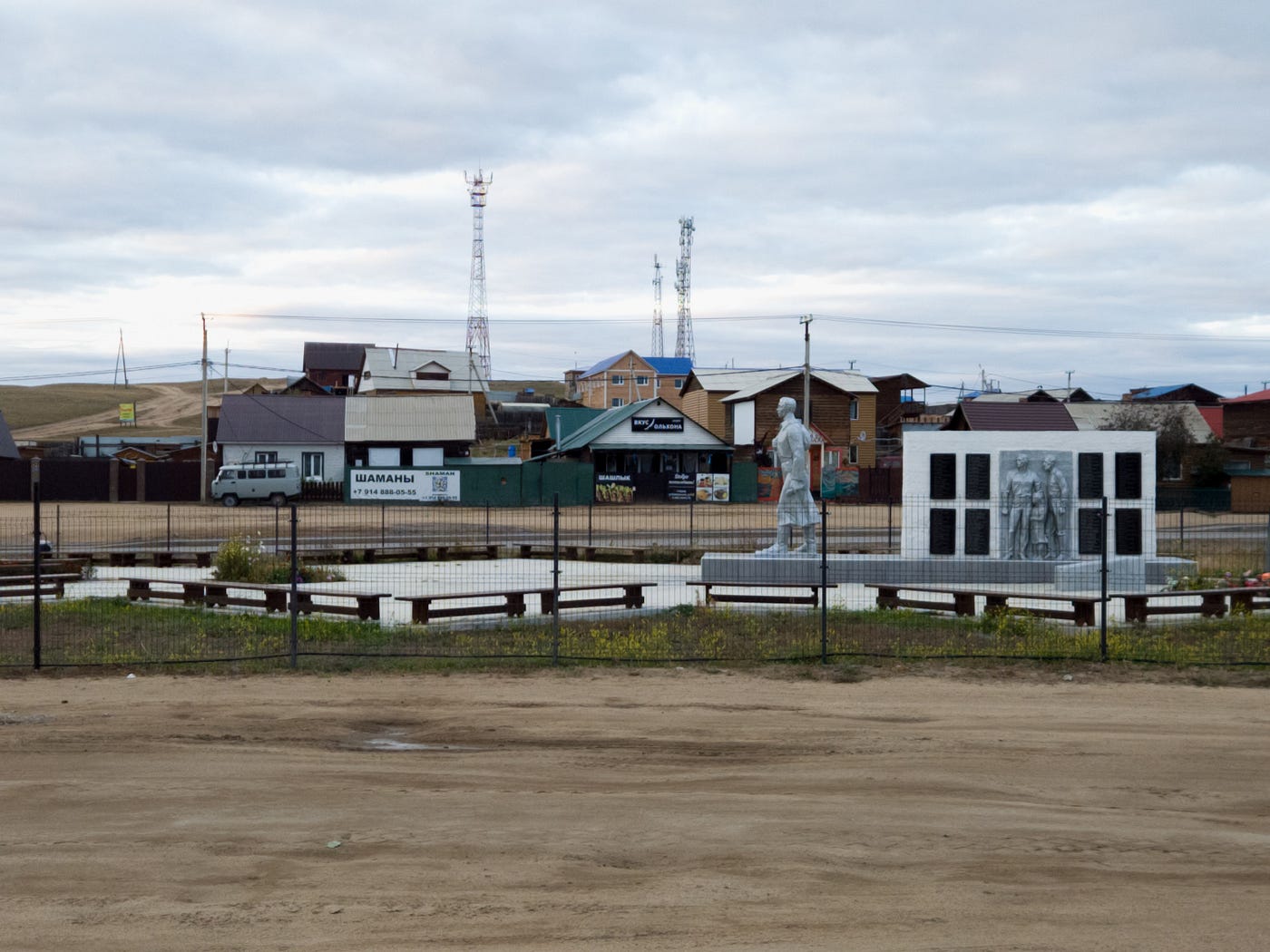
They also have mobile internet on the island. Perhaps these things are to blame for that:


Perhaps, one day, the island will become a more accessible and attractive destination with a developed tourist infrastructure, but it’s better to see Olkhon sooner, because the Russian understanding of a good tourist attraction is often quite weird.

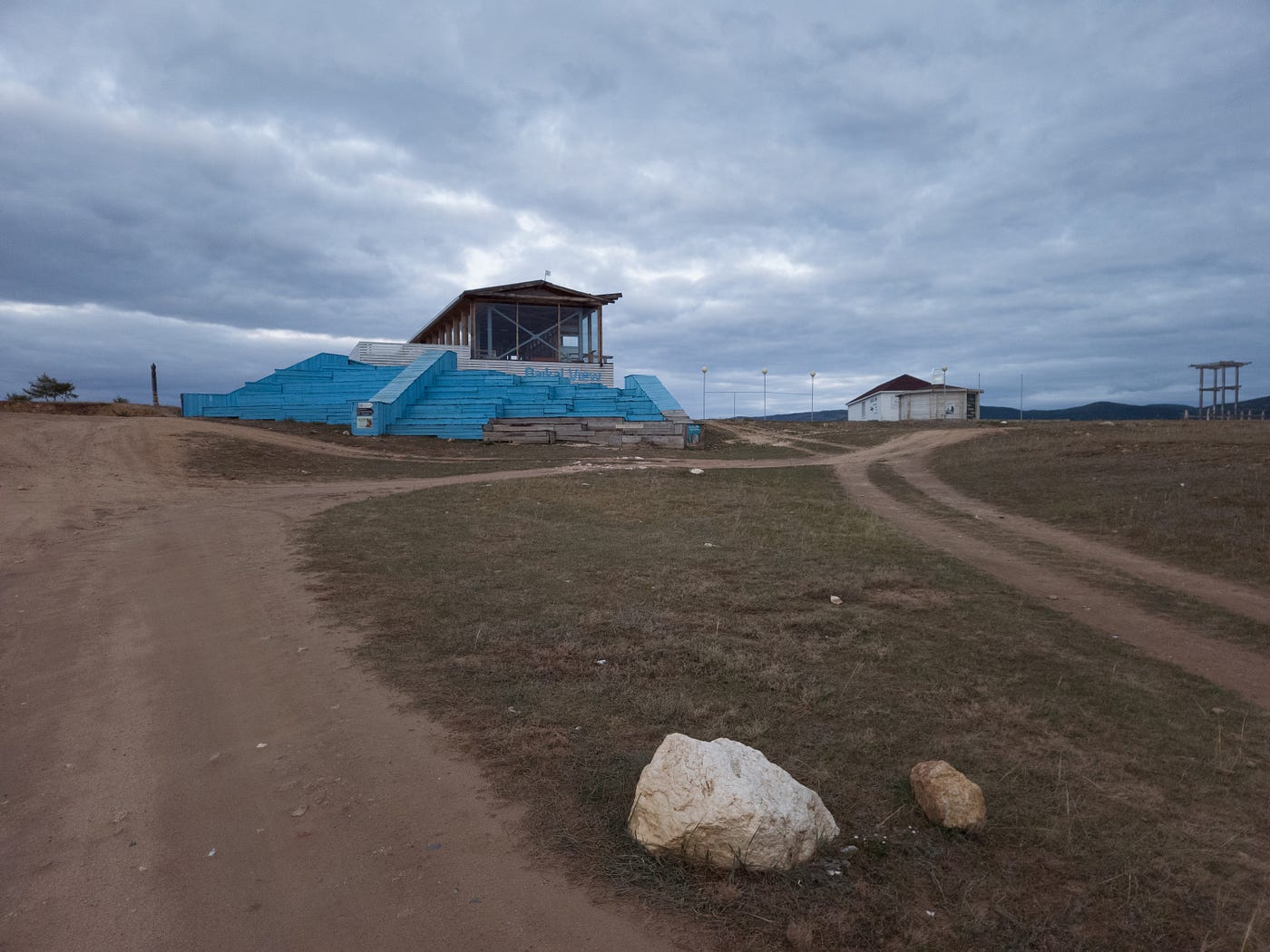
Nest time I’ll show you the Shamanka rock.
Go travel somewhere, it’s fun!
메타데이터
- post_id
- 35394a1a6c01
- slug
- olkhon-in-september-how-i-got-there-where-i-stayed-and-what-i-saw-in-khuzhir-35394a1a6c01
- url
- https://medium.com/@ihancharuk86/olkhon-in-september-how-i-got-there-where-i-stayed-and-what-i-saw-in-khuzhir-35394a1a6c01
- canonical_url
- https://medium.com/@ihancharuk86/olkhon-in-september-how-i-got-there-where-i-stayed-and-what-i-saw-in-khuzhir-35394a1a6c01
- author_url
- https://medium.com/@ihancharuk86
- status
- ok
- fetched_at
- 2026-06-27 08:54:08