The pandemic has hurt drowning prevention efforts. But it’s not too late to act.
By Karen Cohn and Bill Ramos, Chicago Tribune
The pandemic has hurt drowning prevention efforts. But it’s not too late to act.
By Karen Cohn and Bill Ramos, Chicago Tribune
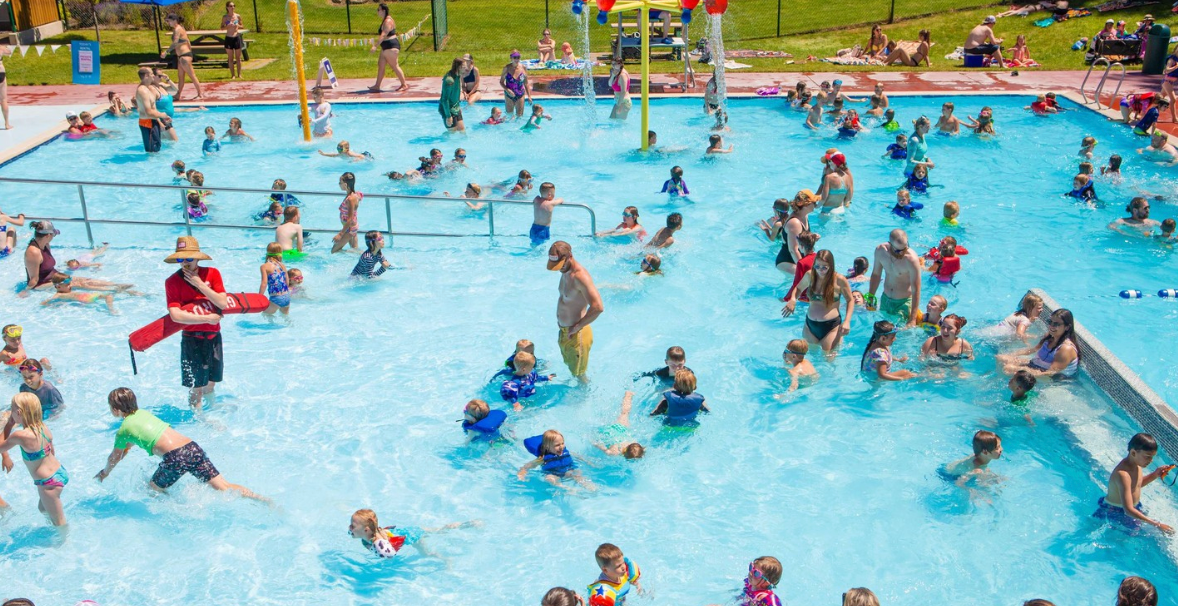
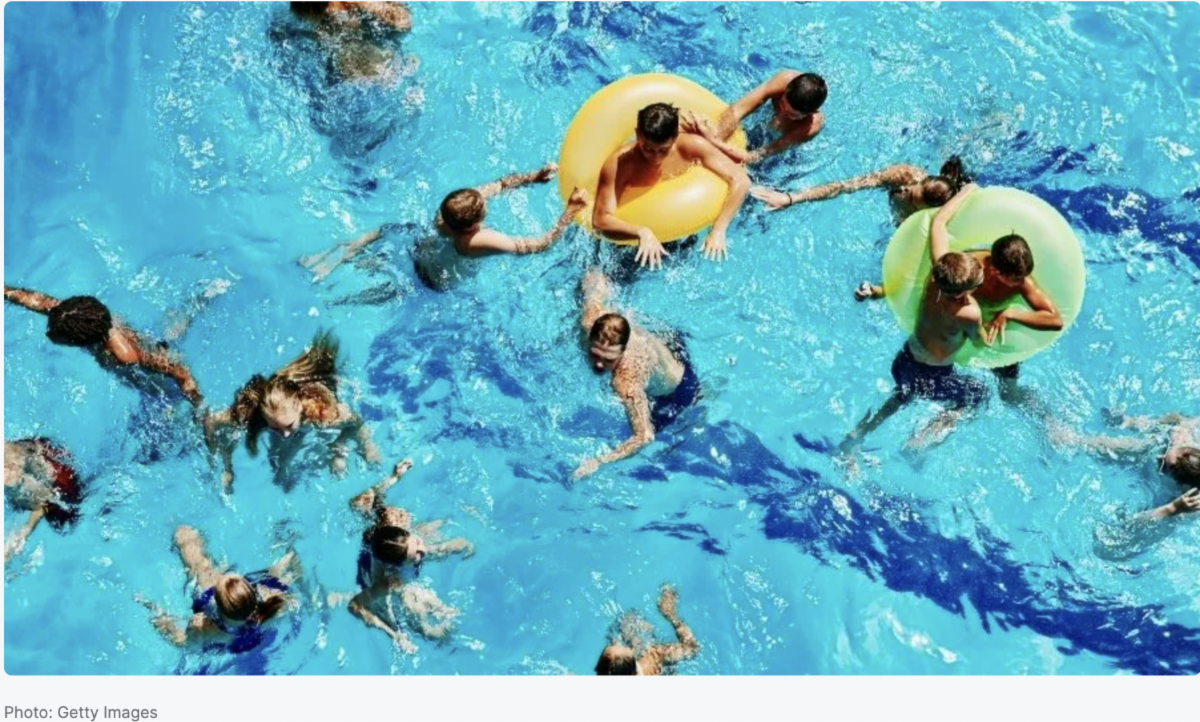
Amid the third summer of the pandemic, extensive and alarming evidence has surfaced indicating that families may be less prepared to keep their children safe in the water. The closing of many public pools at the onset of COVID-19 resulted in fewer opportunities for swimming lessons and the exacerbation of our nation’s lifeguard shortage.
During the pandemic, there has been exponential growth in sales of home pools and hot tubs, the setting where 87% of drowning fatalities for children younger than 5 occur. With limited or no access to a public aquatic facility with safeguards, more and more people are turning to home pools or lakes, ponds and ocean fronts, which often present conditions that are new and unfamiliar to caregivers.
All of this means that too many children will step into the water without basic water safety measures and swimming skills.
Drowning is the leading cause of unintentional injury-related death for children ages 1 to 4 and the second leading cause of unintentional death for children ages 1 to 14, according to the Centers for Disease Control and Prevention.
This is no time for complacency. Urgent steps should be taken as we are already seeing an uptick in drownings nationwide this summer, including in areas where high numbers of drownings don’t usually occur. Leaders in communities across the nation should take bold steps to address the lingering impacts of the pandemic on water safety education and drowning prevention.
Of paramount concern is addressing the lifeguard shortage. We are now confronting a different kind of supply chain issue. According to the American Lifeguard Association, up to half of the nation’s public pools will be affected by a lack of certified lifeguards. Coast to coast, cities are struggling to recruit lifeguards to keep their public pools open, as well as to provide lifeguards at beaches and lakefronts. This is notably true in at-risk, lower-income communities, where there were already fewer options for safe swimming.
Cities and states should significantly increase funding to allow lifeguarding to be treated as a serious career opportunity through more attractive pay for lifeguards, significant initial and ongoing training, and efficient recertification processes.
Read full story: Chicago Tribune
Chicago Tribune Gideon M-K; Health Nerd Amnesty International USA USA Healthy Men
메타데이터
- post_id
- 358f39d29aa
- slug
- the-pandemic-has-hurt-drowning-prevention-efforts-but-its-not-too-late-to-act-358f39d29aa
- url
- https://medium.com/@americanlifeguardva/the-pandemic-has-hurt-drowning-prevention-efforts-but-its-not-too-late-to-act-358f39d29aa
- canonical_url
- https://medium.com/@americanlifeguardva/the-pandemic-has-hurt-drowning-prevention-efforts-but-its-not-too-late-to-act-358f39d29aa
- author_url
- https://medium.com/@americanlifeguardva
- status
- ok
- fetched_at
- 2026-08-15 10:10:47