Why Hanuman Chalisa remains one of the most recited hymns
In the vast treasury of Hindu devotional literature, the Hanuman Chalisa holds a special and enduring place. Revered by millions across the…
Why Hanuman Chalisa remains one of the most recited hymns
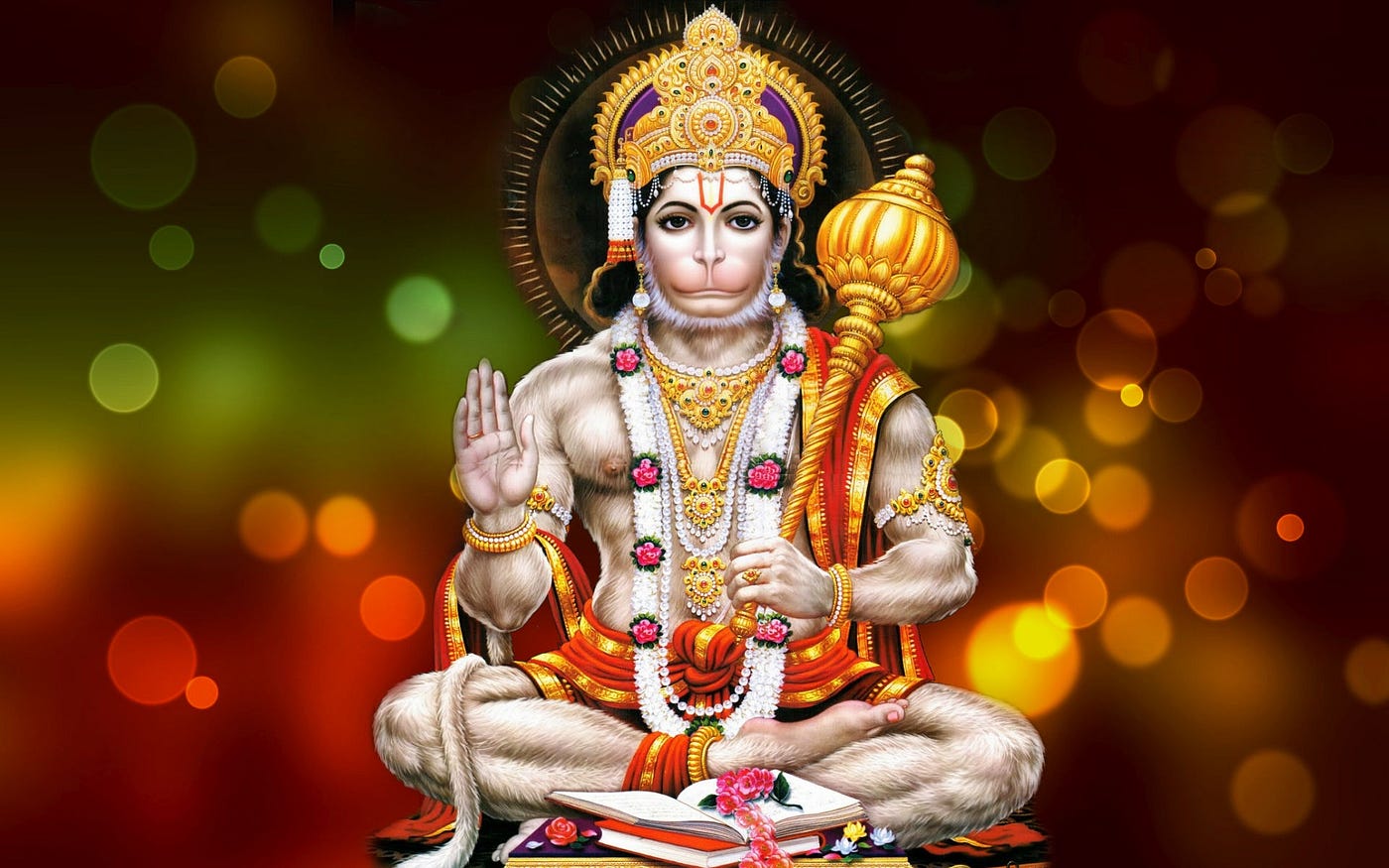
In the vast treasury of Hindu devotional literature, the Hanuman Chalisa holds a special and enduring place. Revered by millions across the world, this hymn dedicated to Lord Hanuman transcends regional and cultural boundaries. Whether recited in temples, homes, or in moments of personal need, the Hanuman Chalisa continues to offer spiritual solace, courage, and faith. But what makes this composition unique? To understand its timeless appeal, one must explore its history, poetic beauty, and the spiritual significance of its verses.
Historical background of Hanuman Chalisa
The Hanuman Chalisa was composed in the 16th century by the saint-poet Tulsidas, who also authored the Ramcharitmanas, a retelling of the Ramayana in Awadhi. Born in 1532 CE in Uttar Pradesh, Tulsidas lived during a period of great social and political upheaval in India, marked by Mughal rule and widespread unrest. His works brought spiritual unity and hope to common people by making sacred stories accessible in vernacular language, rather than Sanskrit alone.
The poet composed forty verses — or Chalisa (from chalis, meaning forty) — praising Hanuman’s strength, devotion, and service to Lord Rama.
The Hanuman Chalisa is written in Awadhi, a dialect of Hindi, ensuring it resonated with ordinary people rather than being restricted to scholars. Over centuries, it has been passed down orally, sung in congregations, and printed in countless editions, embedding itself deeply into Hindu cultural consciousness.
Structure and verses
The Hanuman Chalisa consists of forty verses, framed by an opening (doha) and a concluding doha (couplet). Each verse succinctly glorifies Hanuman’s attributes, deeds, and his unwavering devotion to Lord Rama.
Opening invocation: The hymn begins by seeking the blessings of Guru (spiritual teacher) and invoking Hanuman’s grace for wisdom and strength.
Verses 1–10: These verses describe Hanuman’s physical form, valor, knowledge, and divine birth. He is praised as “the ocean of wisdom and virtue” and “the messenger of Rama.”
Verses 11–20: Highlight Hanuman’s deeds in the Ramayana, from crossing the ocean to Lanka, discovering Sita, burning Lanka, and bringing the Sanjeevani herb to revive Lakshmana.
Verses 21–30: Emphasize his devotion, humility, and extraordinary powers granted by Lord Rama. They also affirm Hanuman’s role as protector from evil influences, ghosts, and fears.
Verses 31–40: Focus on the benefits of chanting the Chalisa — freedom from sorrow, attainment of strength, fulfillment of desires, and divine blessings.
Closing doha: Ends with a prayer to Lord Rama, affirming Hanuman as the greatest devotee and protector.
Despite its brevity, the Hanuman Chalisa is a compact spiritual guide, blending devotion, philosophy, and practical assurances of protection.
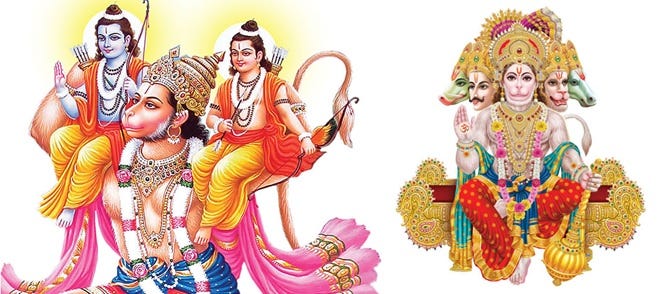
Symbolism and spiritual meaning
Each verse of the Hanuman Chalisa conveys layers of meaning that extend beyond literal praise.
Strength and fearlessness: Hanuman embodies courage, reminding devotees to rise above fear, obstacles, and negative influences. His name itself is considered a shield against evil.
Wisdom and knowledge: Unlike brute strength, Hanuman’s power is balanced with deep wisdom, symbolizing the importance of intellect guided by devotion.
Devotion and service: His unwavering dedication to Lord Rama epitomizes bhakti (devotion), inspiring individuals to serve selflessly in their own lives.
Humility in power: Despite his immense strength, Hanuman remains humble, teaching that true greatness lies in surrender to the divine.
Spiritual protection: The Chalisa assures readers that chanting it will dispel fear, grant courage, and bring peace of mind — making it accessible to anyone, regardless of spiritual depth.
Why the Hanuman Chalisa remains widely recited
Accessibility and simplicity: Written in Awadhi, the Chalisa is easy to understand and memorize. Its rhythmic verses lend themselves to collective singing, recitation in daily prayers, and musical renditions.
Universal appeal of Hanuman: Hanuman transcends sectarian boundaries within Hinduism. Vaishnavites, Shaivites, Shaktas, and even Buddhists in Southeast Asia honor him as a symbol of loyalty and strength. His universal qualities make the Chalisa relevant across cultures.
Psychological and emotional strength: For centuries, people have turned to the Hanuman Chalisa in times of fear, illness, exams, or personal struggles. Reciting the hymn creates a sense of protection and inner resilience, functioning like a mantra for mental fortitude.
Association with remedies and rituals: Tradition holds that reciting the Chalisa 108 times brings divine intervention. Many devotees also observe Tuesday and Saturday fasts, days associated with Hanuman, and integrate the Chalisa into their rituals.
Enduring cultural presence: The Chalisa is woven into Indian culture — sung in temples, featured in films, and broadcast on television and radio. Even contemporary musicians and spiritual leaders use it in devotional gatherings, keeping its relevance alive for younger generations.
Influence beyond India
The Hanuman Chalisa is not limited to Indian soil. In countries with significant Hindu populations — Nepal, Sri Lanka, Mauritius, Trinidad, Fiji, and Suriname — it is a regular feature of temple worship. In Indonesia, particularly in Bali, Hanuman is revered, and the Chalisa is chanted during performances of the Ramayana.
In the diaspora, the hymn often acts as a cultural anchor, connecting generations of Hindus abroad to their roots. For many, the Chalisa is their first introduction to structured prayer, ensuring its continuity across time and geography.
Modern-day relevance
In the modern world, with its challenges of stress, uncertainty, and material distractions, the Hanuman Chalisa remains profoundly relevant. Psychologists have noted that reciting or listening to repetitive chants can calm the nervous system, lower stress, and create focus. The Chalisa, with its powerful imagery of protection and strength, adds a spiritual dimension to these benefits.
Moreover, Hanuman is increasingly seen as a symbol of discipline and energy for young aspirants — students, athletes, and professionals — seeking inspiration in their pursuits. Stories abound of individuals finding confidence, clarity, and resilience through the daily recitation of the Chalisa.
메타데이터
- post_id
- 359eee12655f
- slug
- why-hanuman-chalisa-remains-one-of-the-most-recited-hymns-359eee12655f
- url
- https://medium.com/@dilipkp/why-hanuman-chalisa-remains-one-of-the-most-recited-hymns-359eee12655f
- canonical_url
- https://medium.com/@dilipkp/why-hanuman-chalisa-remains-one-of-the-most-recited-hymns-359eee12655f
- author_url
- https://medium.com/@dilipkp
- status
- ok
- fetched_at
- 2026-06-13 07:35:29