The Growing Importance of Chronic Care Management for Aging Populations
As the world’s population continues to age, the demand for comprehensive healthcare services is reaching unprecedented levels. Among the…
The Growing Importance of Chronic Care Management for Aging Populations
As the world’s population continues to age, the demand for comprehensive healthcare services is reaching unprecedented levels. Among the most pressing needs for older adults is the effective management of chronic conditions, such as diabetes, hypertension, heart disease, and arthritis. Chronic care management is emerging as a vital solution, providing coordinated, proactive, and patient-centered care that addresses the unique challenges faced by aging populations. In this article, we’ll explore why chronic care management is becoming increasingly essential, its benefits, and how it is transforming healthcare for seniors.
Understanding Chronic Care Management
Chronic care management refers to the organized and systematic approach to caring for individuals with multiple or complex chronic health conditions. This includes ongoing monitoring, medication management, lifestyle support, and regular communication between patients and healthcare providers. **Chronic care management** goes beyond treating individual symptoms; it emphasizes prevention, education, and the integration of care across various specialties.
Why Aging Populations Need Chronic Care Management
The global demographic shift is clear: people are living longer, but not always healthier. According to the World Health Organization, by 2050, the number of people aged 60 and older will double, reaching 2.1 billion. With age comes an increased risk of chronic diseases, and most seniors will experience at least one chronic condition in their lifetime. Here’s why chronic care management is crucial for this population:
- Multiple Comorbidities: Seniors often have more than one chronic illness, making their healthcare needs complex and interconnected.
- Frequent Hospitalizations: Poorly managed chronic conditions can lead to emergency visits and hospital admissions, which can be costly and detrimental to health.
- Medication Challenges: Managing multiple medications can be confusing and dangerous without proper oversight.
- Decreased Mobility: Physical limitations can make it harder for seniors to access care, increasing the need for coordinated support.
Benefits of Chronic Care Management for Seniors
Implementing chronic care management offers numerous advantages, both for patients and the healthcare system as a whole. Some of the key benefits include:
Improved Health Outcomes
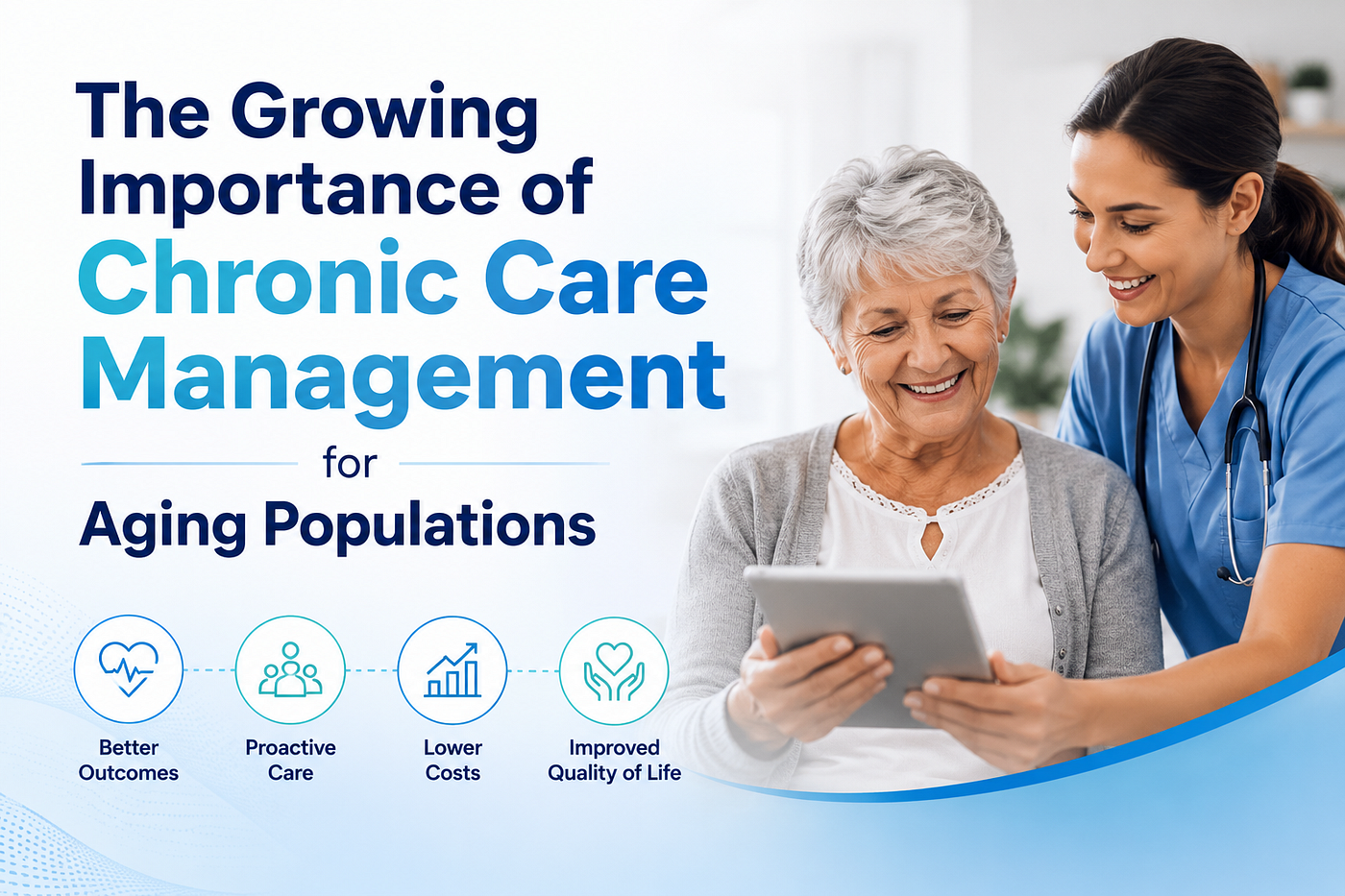
Chronic care management focuses on regular check-ins, personalized care plans, and early detection of potential issues. This proactive approach leads to better disease control, fewer complications, and an enhanced quality of life.
Reduced Healthcare Costs
By preventing hospital admissions and minimizing emergency room visits, chronic care management helps reduce overall healthcare spending. Early intervention and consistent monitoring lead to fewer health crises and more efficient use of resources.
Better Medication Adherence
With chronic care management, patients receive education about their medications and support in adhering to their prescribed regimens. This reduces the risk of adverse drug interactions and improves overall treatment effectiveness.
Enhanced Patient Engagement
Seniors benefit from increased involvement in their own healthcare. Chronic care management encourages patients to set goals, track progress, and communicate openly with their care teams, fostering a sense of empowerment and control.
Streamlined Care Coordination
Chronic care management brings together primary care providers, specialists, nurses, and other healthcare professionals. This team-based approach ensures that everyone is informed about the patient’s needs, reducing the risk of errors and duplicative services.
How Chronic Care Management Works
Effective chronic care management involves several key components:
- Comprehensive Assessment: A detailed evaluation of the patient’s medical history, lifestyle, and preferences.
- Individualized Care Plans: Customized plans that address each patient’s specific conditions and goals.
- Regular Monitoring: Ongoing check-ins, either in person or remotely, to track health status and adjust treatment as needed.
- Care Coordination: Seamless communication between healthcare providers, caregivers, and patients.
- Patient Education: Teaching patients about their conditions, healthy habits, and warning signs to watch for.
- Use of Technology: Tools like telehealth, remote monitoring devices, and patient portals enhance accessibility and engagement.
The Role of Technology in Chronic Care Management
Technology is revolutionizing the way chronic care management is delivered, particularly for aging populations who may face barriers to traditional in-person care. Here are a few ways technology is making a difference:
Telehealth Services
Virtual visits allow seniors to consult with healthcare providers from the comfort of their homes, reducing travel burdens and increasing access to care.
Remote Monitoring
Devices that track vital signs, glucose levels, and other health indicators enable real-time monitoring and early intervention if problems arise.
Digital Health Records
Electronic health records ensure that all members of the care team have up-to-date information, improving coordination and decision-making.
Mobile Apps and Wearables
User-friendly apps and wearable devices help seniors manage medications, track physical activity, and receive reminders for appointments or health checks.
Challenges in Implementing Chronic Care Management
Despite its advantages, chronic care management faces several challenges, including:
- Limited Awareness: Many patients and providers are unaware of the availability or benefits of chronic care management programs.
- Reimbursement Issues: Not all insurance plans cover chronic care management services, creating financial barriers.
- Technological Literacy: Some seniors may struggle with using new technologies required for effective remote monitoring or telehealth.
- Staffing Shortages: The growing demand for chronic care management can strain healthcare systems that are already understaffed.
Strategies to Enhance Chronic Care Management for Seniors
To overcome these challenges and ensure the success of chronic care management initiatives for aging populations, healthcare organizations should consider the following strategies:
- Increase Education and Outreach: Inform patients, families, and providers about the benefits and availability of chronic care management.
- Simplify Technology: Choose user-friendly platforms and provide training for seniors to boost confidence and adoption.
- Advocate for Policy Changes: Work to expand insurance coverage and reimbursement for chronic care management services.
- Invest in Workforce Development: Train more healthcare professionals in chronic care management best practices and team-based care
The Future of Chronic Care Management for Aging Populations
As the proportion of older adults continues to grow, the importance of chronic care management will only increase. Innovative care models, advancements in technology, and a greater focus on personalized, patient-centered care are transforming how chronic diseases are managed. By embracing chronic care management, healthcare systems can help seniors maintain their independence, improve their quality of life, and reduce the burden of chronic diseases on individuals and society as a whole.
Conclusion
Chronic care management is no longer a luxury — it’s a necessity for today’s aging populations. By providing coordinated, proactive, and comprehensive care, chronic care management helps seniors manage their health more effectively, reduces healthcare costs, and supports better outcomes. As awareness grows and technology advances, chronic care management will play an even more vital role in supporting the health and well-being of our aging society. If you or a loved one are living with chronic health conditions, consider reaching out to your healthcare provider to learn more about chronic care management and how it can make a positive difference in your life.
메타데이터
- post_id
- 35bd7a239245
- slug
- the-growing-importance-of-chronic-care-management-for-aging-populations-35bd7a239245
- url
- https://medium.com/@healtharc/the-growing-importance-of-chronic-care-management-for-aging-populations-35bd7a239245
- canonical_url
- https://medium.com/@healtharc/the-growing-importance-of-chronic-care-management-for-aging-populations-35bd7a239245
- author_url
- https://medium.com/@healtharc
- status
- ok
- fetched_at
- 2026-06-18 00:10:23