How B2B Micro-Fleets Make Turo-Like Car Sharing Safer and More Scalable
Peer-to-peer car sharing looks simple from the outside. A vehicle owner lists a car, a renter books it, the platform handles payments, and…
How B2B Micro-Fleets Make Turo-Like Car Sharing Safer and More Scalable
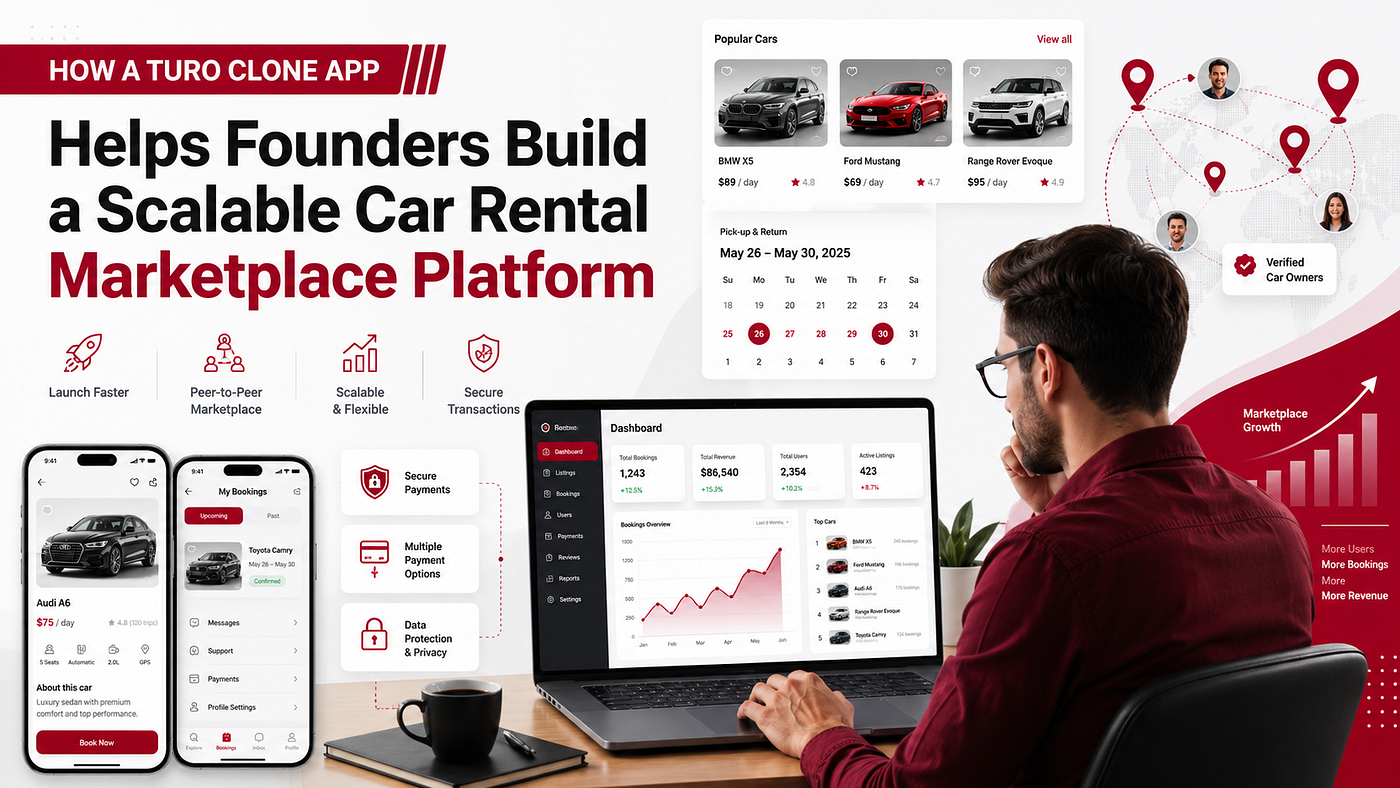
Peer-to-peer car sharing looks simple from the outside. A vehicle owner lists a car, a renter books it, the platform handles payments, and both sides complete the trip through an app. This model helped platforms like Turo prove that people are willing to rent vehicles outside traditional rental counters.
But when founders try to build a Turo-like car sharing platform from scratch, they quickly discover the harder truth: the biggest problem is not building the app. The bigger challenge is building a safe, reliable, and scalable supply network.
A marketplace cannot grow if vehicles are unavailable, poorly maintained, uninsured, badly photographed, or managed by owners who respond slowly. It also cannot build trust if every booking depends on random individual owners with different standards, different vehicle conditions, and different levels of responsibility.
This is where the B2B micro-fleet model becomes powerful.
Instead of depending only on individual car owners, a **Turo-like platform **can work with small fleet operators, rental agencies, local mobility entrepreneurs, dealerships, and vehicle owners who already manage multiple cars. These operators may own 5, 10, 25, or 50 vehicles. They already understand vehicle maintenance, documents, cleaning, handoffs, insurance, and customer expectations.
For founders, this changes the entire business model. A B2B micro-fleet strategy makes the platform safer because vehicles are managed professionally. It makes the marketplace more scalable because supply can be onboarded in batches instead of one car at a time. It also improves the user experience because renters get more reliable cars, clearer policies, faster responses, and better availability.
In short, micro-fleets turn a Turo-like car sharing platform from a random peer-to-peer marketplace into a structured mobility network.

What Is a B2B Micro-Fleet in Car Sharing?
A B2B micro-fleet is a small commercial vehicle group managed by a business owner, agency, dealership, rental operator, or local fleet entrepreneur. These are not large enterprise rental companies with thousands of vehicles. They are smaller, more flexible operators who may own or manage a focused group of vehicles in one city, airport zone, tourism area, university area, or business district.
For example, a local entrepreneur may own 12 economy cars near an airport. A dealership may want to monetize idle test-drive vehicles. A small rental agency may have 30 cars but no modern mobile booking system. A tourism operator may manage SUVs and premium cars for weekend travelers. A corporate travel provider may manage cars for business visitors.
All of these operators can become supply partners inside a Turo-like car sharing platform.
The key difference is that they are not casual car owners. They already think like operators. They understand asset value, downtime, cleaning, damage inspection, availability, insurance documents, and repeat customer service. That makes them more dependable than a marketplace built only around individual vehicle owners.
A micro-fleet model gives the platform owner more control over quality without needing to own the vehicles directly.
Why Pure P2P Car Sharing Becomes Difficult to Scale

The classic peer-to-peer model depends on thousands of individual car owners joining the platform, uploading their vehicles, responding to renter requests, keeping calendars updated, handling pickup instructions, maintaining their cars, and managing post-trip inspections. This looks attractive because the platform does not need to purchase inventory.
But in reality, supply-side growth is expensive.
Convincing random individuals to list their personal vehicles is not easy. Many owners worry about damage, theft, late returns, insurance confusion, cleaning issues, and stranger access. Even after they join, many remain inactive or inconsistent. Some do not respond fast enough. Some forget to block unavailable dates. Some upload poor vehicle images. Some cancel bookings at the last moment.
For renters, this creates uncertainty. A renter does not only want a car listed on the platform. They want a car that is available, clean, verified, insured, easy to pick up, and backed by clear support.
When a platform has too many inconsistent owners, trust starts breaking down. Search results may show cars that are technically listed but not operationally reliable. This hurts conversion, repeat bookings, reviews, and platform reputation.
A Turo-like platform built only on scattered individual owners can grow slowly because every new car requires separate trust-building, onboarding, education, and quality control.
Micro-fleets solve this problem by adding structured supply.
Why B2B Micro-Fleets Make the Platform Safer
Safety in car sharing is not only about renter verification. It is also about vehicle readiness, owner reliability, insurance alignment, maintenance discipline, handoff control, and post-trip accountability.
A micro-fleet operator usually has stronger operational habits than a casual owner. Their vehicles are business assets, not personal cars used occasionally. That means they are more likely to follow maintenance schedules, update vehicle documents, clean cars regularly, inspect damage, and respond quickly when an issue appears.
This improves safety across the full booking lifecycle.
Before the trip, the platform can verify the fleet operator as a business partner. Their documents, vehicle ownership records, insurance policies, business registration, payout details, and operational responsibilities can be checked during onboarding. This is much easier than validating thousands of individual owners one by one.
During the trip, renters benefit from cleaner handoff instructions, better vehicle availability, and faster support. If one vehicle has an issue, a micro-fleet operator may even provide an alternative car from the same fleet. That is much harder in a pure peer-to-peer model.
After the trip, damage review, cleaning checks, fuel or charging status, late return handling, and dispute resolution become more structured. Micro-fleet operators are more likely to document the vehicle condition properly because their business depends on repeat rentals.
This does not mean individual owners cannot be safe. Many can be excellent partners. But from a platform design perspective, micro-fleets reduce randomness. They give the marketplace a more professional supply layer.
Micro-Fleets Improve Vehicle Quality and Availability
One of the biggest problems in car sharing is supply reliability. A marketplace may have many listed vehicles, but that does not mean renters can actually book the right car at the right time.
Casual owners may block availability unpredictably. They may use the car personally. They may forget to update calendars. They may pause listings for weeks. They may cancel bookings because the vehicle is suddenly unavailable.
Micro-fleet operators behave differently because vehicle utilization is their business goal. They want cars booked. They want calendars updated. They want faster turnover between trips. They want predictable income from each asset.
This creates a healthier marketplace.
A platform with micro-fleets can offer better coverage in high-demand zones such as airports, metro stations, tourist locations, business hubs, and residential clusters. It can also create category depth by onboarding economy cars, SUVs, electric vehicles, premium cars, vans, or delivery-use vehicles through selected partners.
For renters, this means they see more bookable vehicles, not just more listings. For the platform owner, it means higher conversion because supply is more dependable.
A Turo-like app does not win only by showing many cars. It wins by showing available cars that renters trust enough to book.
Micro-Fleets Make Insurance and Compliance Easier to Manage
Insurance is one of the most sensitive parts of a car sharing marketplace. If the insurance logic is unclear, the platform carries serious operational and legal risk. This becomes even more complex when thousands of individual owners bring different policies, vehicle documents, and local requirements.
Micro-fleet partnerships make this easier to structure.
A B2B fleet operator can be onboarded with defined insurance requirements, document verification, renewal checks, vehicle eligibility rules, and trip-level coverage logic. The platform can set clear rules before allowing vehicles to go live. This may include policy upload, expiry tracking, registration validation, inspection records, and required coverage standards.
For a Turo-like platform, this creates a cleaner compliance workflow. Instead of chasing individual owners one by one, the platform can manage policy standards at the fleet level and apply vehicle-level checks under each fleet account.
This also helps with admin controls. The backend can show which fleet vehicles are verified, which documents are expiring, which cars need review, and which operators are temporarily restricted. Admins can pause a full fleet, a single vehicle, or specific booking permissions depending on risk.
The result is a marketplace that is easier to govern.
Compliance does not become an afterthought. It becomes part of the operating system.
Micro-Fleets Help Build Trust with Renters
Renters care about price, location, and vehicle type. But trust often decides whether they complete the booking.
A renter may hesitate if the vehicle listing looks incomplete, the owner has few reviews, pickup instructions are unclear, or the car condition is uncertain. In car sharing, the asset is physical, expensive, and time-sensitive. A failed booking can ruin a trip, meeting, vacation, or workday.
Micro-fleet operators can create a more professional renter experience. Their listings can follow consistent photo guidelines, vehicle descriptions, pickup rules, cancellation policies, cleaning standards, and support processes. They are more likely to understand that every booking is part of a business operation.
This gives renters more confidence.
A platform can also highlight verified fleet partners with badges such as “Verified Fleet,” “Business Managed,” “Professionally Maintained,” or “Fast Response Partner.” These trust signals should be used carefully and only when backed by actual verification. But when done correctly, they help renters understand that the vehicle is managed by a serious operator.
Trust grows when the renter knows the car is not just listed, but actively managed.
Micro-Fleets Improve Owner-Side Economics
For individual owners, car sharing may feel uncertain. They may earn from some bookings, but they also worry about wear and tear, cleaning, damage, and scheduling. Many may test the platform once and then stop.
Micro-fleet operators are different because they already think in terms of utilization, revenue per vehicle, downtime, and operating margin.
A Turo-like platform can give them tools to run their fleet better. They need dashboards for bookings, pricing, vehicle availability, earnings, payout history, damage reports, maintenance reminders, driver verification status, and dispute management. When the software supports these workflows, micro-fleet operators can scale inside the platform.
This creates stronger supply retention.
Instead of constantly acquiring new individual owners, the platform can help existing fleet partners grow from 5 vehicles to 15 vehicles, or from one city zone to multiple pickup locations. That is a much better growth path.
The marketplace earns more because each partner can bring multiple cars. The operator earns more because the platform increases bookings. Renters benefit because supply becomes more reliable.
This is why micro-fleets are not just a supply strategy. They are a partner growth strategy.
Why Micro-Fleets Make the Marketplace More Scalable
Scalability in car sharing depends on repeatable systems. If every owner behaves differently, the platform needs more manual support, more onboarding effort, more dispute handling, and more trust management.
Micro-fleets make growth more repeatable.
A platform can create a standard onboarding process for fleet partners. It can define required documents, service areas, insurance rules, vehicle inspection standards, pricing guidelines, handoff processes, and support expectations. Once this model works for one micro-fleet, it can be repeated across other operators.
This is much more scalable than educating every casual owner from zero.
Micro-fleets also make city expansion easier. When launching in a new city, the platform does not need to wait for hundreds of individual owners. It can onboard a few strong fleet partners first and create immediate vehicle availability in key locations. Once demand grows, individual owners can be added later.
This hybrid model is often stronger than choosing only one side.
The platform can start with B2B micro-fleets for dependable supply, then gradually open peer-to-peer listings after trust systems, renter verification, admin controls, and support processes are mature.
That gives founders a safer launch path.
The Role of Technology in a Micro-Fleet Car Sharing Platform
A micro-fleet strategy needs more than a basic Turo clone script. The software must support real operational control.
The platform should allow different account types for renters, individual owners, fleet managers, sub-admins, and platform admins. A fleet manager should be able to add multiple vehicles, assign locations, update availability, monitor bookings, manage pricing, upload documents, and track earnings from one dashboard.
The renter app should make booking simple. Users should be able to search by location, date, vehicle type, price, rating, transmission, fuel type, EV availability, delivery option, or pickup zone. Once they choose a vehicle, the system should guide them through identity verification, payment, booking confirmation, pickup instructions, trip start, trip extension, and return.
The admin panel should give the platform owner strong control. Admins need to monitor renters, fleet partners, vehicles, documents, bookings, payments, commissions, disputes, cancellations, reports, and risk signals. Without this backend visibility, the marketplace becomes difficult to manage as bookings increase.
For safety, the platform should also support biometric KYC, license verification, document expiry alerts, trip-based insurance logic, GPS or telematics integration, damage photo uploads, late return alerts, and suspicious booking detection.
For scalability, the system should include commission settings, subscription options, dynamic pricing rules, promo codes, fleet-level reports, city-based controls, and role-based permissions.
A real car sharing platform is not just a booking app. It is a trust, asset, payment, and operations system.
How Micro-Fleets Support Better Pricing Strategy
Pricing is another area where micro-fleets create an advantage.
Individual owners may not understand demand-based pricing. Some may price too high and get no bookings. Others may price too low and create poor economics. Some may forget to adjust prices for weekends, holidays, airport demand, or seasonal travel.
Micro-fleet operators are more likely to treat pricing strategically. They understand daily rates, utilization, depreciation, cleaning cost, maintenance cost, and peak demand.
A Turo-like platform can support this with smart pricing tools. Fleet partners can receive pricing suggestions based on demand, location, vehicle category, booking duration, and availability. The platform can also allow special rates for weekly bookings, long-term rentals, corporate use, airport pickup, or premium vehicles.
This helps the marketplace avoid chaotic pricing.
For renters, pricing becomes more predictable. For fleet operators, margins become easier to manage. For the platform, commission revenue becomes more stable.
Micro-Fleets Reduce Support and Dispute Pressure
In car sharing, disputes are common when expectations are unclear. Renters may complain about car condition, pickup delays, cleaning issues, fuel level, charging status, damage claims, cancellation penalties, or late return charges. Owners may complain about misuse, scratches, tolls, fines, or policy violations.
A random owner may not document everything properly. A professional micro-fleet operator is more likely to follow a process.
The platform can require pre-trip and post-trip photos, odometer readings, fuel or battery level records, damage notes, and digital checklists. Fleet partners can train their staff or use standardized handoff steps. This creates better evidence if a dispute appears.
Better documentation means faster resolution.
It also reduces pressure on the support team because many issues can be handled through structured workflows instead of messy manual conversations.
A scalable marketplace needs fewer emotional disputes and more process-based decisions. Micro-fleets help make that possible.
Why Founders Should Not Treat Micro-Fleets as a Side Feature
Many founders think of fleet management as an optional add-on. They start with a basic peer-to-peer vehicle listing system and plan to add fleet controls later.
That is a mistake.
If the platform wants to attract serious B2B operators, fleet workflows must be built into the foundation. A business operator will not manage 20 vehicles through a simple individual-owner dashboard. They need bulk vehicle control, team access, reporting, document tracking, earnings visibility, booking calendars, and operational alerts.
If the system feels too basic, strong fleet partners will not stay.
A Turo-like platform should be designed from the beginning with both individual owners and fleet operators in mind. This gives the founder flexibility. They can launch with micro-fleets, add individual owners later, or run a hybrid model depending on the market.
The best platform architecture does not force one model. It supports multiple supply strategies from one backend.
The Best Launch Strategy: Start with Controlled Supply
For a new **car sharing platform**, controlled supply is usually safer than open supply.
Instead of allowing anyone to list any vehicle immediately, the platform can begin with selected micro-fleet partners. These partners can be verified, trained, and monitored closely. Their vehicles can be inspected, photographed, and categorized properly. Their pickup zones can be chosen based on demand.
This helps the platform launch with quality instead of chaos.
Once the first city or region has stable bookings, the marketplace can expand. More micro-fleets can be added. Then, trusted individual owners can be invited under stricter verification rules. Over time, the platform can open more supply while still maintaining quality standards.
This staged approach protects the brand.
A founder should not chase vehicle count only. A marketplace with 200 unreliable cars is weaker than a marketplace with 40 reliable, well-managed vehicles in the right locations.
Quality supply creates better early reviews. Better reviews create renter trust. Renter trust creates repeat bookings. Repeat bookings attract more fleet partners.
That is how the growth loop starts.
How Miracuves Helps Build Micro-Fleet Ready Car Sharing Platforms
Miracuves helps founders launch Turo-like car sharing platforms with the operational features needed for both renters and fleet operators. Instead of treating the platform as a simple listing app, Miracuves focuses on the full marketplace workflow: vehicle onboarding, renter verification, booking management, payments, commissions, admin controls, fleet dashboards, and trust layers.
For a B2B micro-fleet model, the platform can be customized around fleet partner accounts, multi-vehicle management, document verification, availability calendars, booking reports, payout tracking, and role-based access. This allows small rental agencies, local fleet owners, and mobility entrepreneurs to manage their vehicles professionally from one dashboard.
Miracuves can also support safety-focused workflows such as biometric KYC, license verification, trip status tracking, damage photo uploads, late return alerts, and admin risk monitoring. These features help reduce avoidable risk before the renter gets access to the vehicle.
For founders, the goal is not only to launch a Turo clone app. The goal is to launch a safer and more scalable car sharing business with the right supply strategy from day one.
Final Thoughts
B2B micro-fleets make Turo-like car sharing safer because they bring structure to vehicle supply. They make the platform more scalable because one partner can add multiple cars, follow defined processes, and grow with the marketplace. They also improve renter trust because professionally managed vehicles are usually more reliable than random, inconsistent listings.
The future of car sharing will not be built only on casual peer-to-peer supply. The stronger model is likely hybrid: verified micro-fleets for dependable supply, individual owners for long-tail coverage, and strong platform technology connecting both sides.
For founders, this means the real opportunity is not just copying Turo’s interface. It is building a marketplace engine that supports trust, fleet operations, renter verification, insurance logic, payments, and scalable city expansion.
A Turo-like platform becomes stronger when the supply side is not random. B2B micro-fleets give founders that control.
메타데이터
- post_id
- 35d53bf4fe65
- slug
- how-b2b-micro-fleets-make-turo-like-car-sharing-safer-and-more-scalable-35d53bf4fe65
- url
- https://medium.com/@sieyara12/how-b2b-micro-fleets-make-turo-like-car-sharing-safer-and-more-scalable-35d53bf4fe65
- canonical_url
- https://medium.com/@sieyara12/how-b2b-micro-fleets-make-turo-like-car-sharing-safer-and-more-scalable-35d53bf4fe65
- author_url
- https://medium.com/@sieyara12
- status
- ok
- fetched_at
- 2026-07-10 06:10:56