A Designer’s Perspective: Re-Onboarding Myself After a Year Away
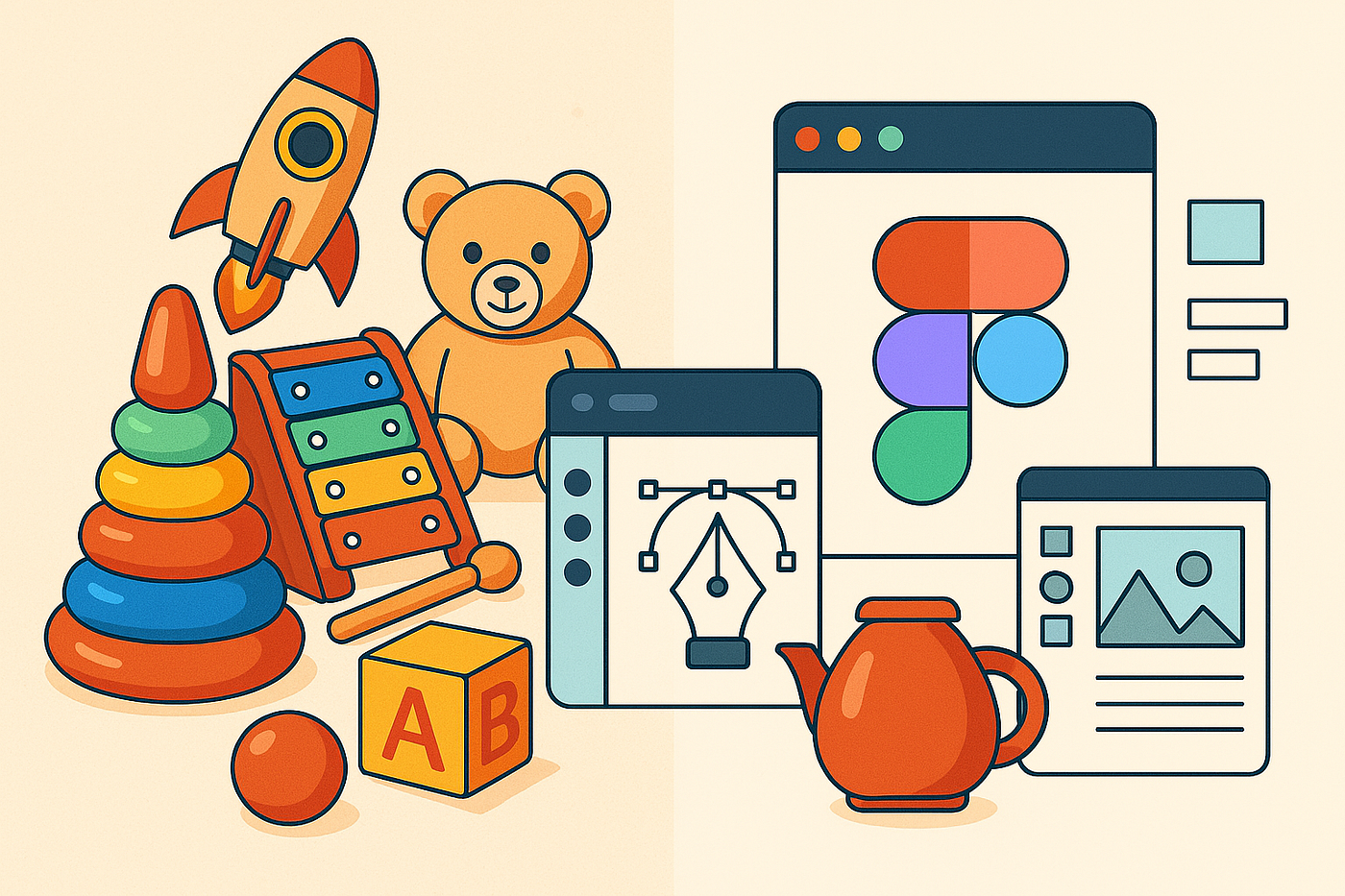
A year ago, I stepped away from the Figma files, slack threads and design rituals to take on a different kind of challenge and a new role…
A Designer’s Perspective: Re-Onboarding Myself After a Year Away
A year ago, I stepped away from the Figma files, slack threads and design rituals to take on a different kind of challenge and a new role as a parent. No retros, no sprint boards — just diapers, sleepless nights and the daily practice of not knowing what I was doing.
Now I’m back at work. Re-entering after time away isn’t just about catching up on tools and workflows, it’s about finding your rhythm again. And like any good product process, it’s messier than it looks on a roadmap.
Re-Onboarding Is a Process, Not a Switch
Whether you’ve taken time off for parenting, caregiving, sabbatical or burnout recovery, the return isn’t a single moment, it’s a phase.
It’s less like pushing a feature live and more like entering a new sprint cycle: new roadmap, new backlog and reevaluated success metrics.
I began to think of my own return through the lens of the Double Diamond, not just as a framework for product design, but as a way to navigate this transition. I even mapped out blockers like a user journey to surface what needed redesigning.
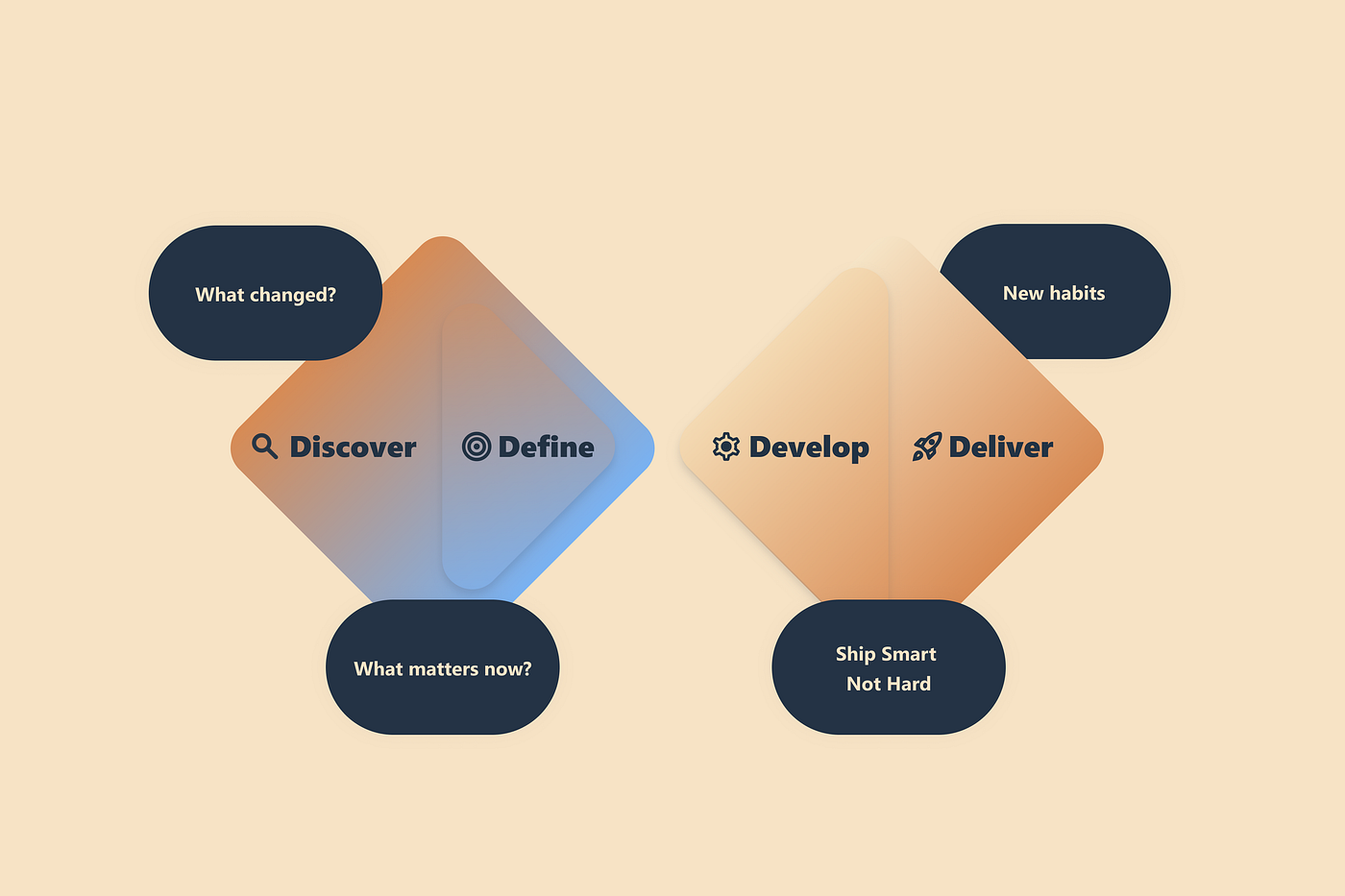
Created by the author
🔍 Discover what’s Changed? Start with observation. What shifted while you were away, tools, rituals, team dynamics? Ask questions early and often. This phase isn’t about proving anything, it’s about re-orienting with intention.
🧭 Define what matters now? This is the moment for alignment. What problems are worth solving now, given the team’s goals, capacity and evolving priorities? Collaborate with your product trio (PM, design, engineering) to clarify what success actually looks like in this chapter.
🛠️ Develop new rhythms, new habits You’re not restoring a backup, you’re configuring a more current version of how you work. Test new routines, adapt your boundaries and iterate on energy rhythms the way you would a feature set.
🚀 Deliver smart, Not Hard The pressure to prove yourself is real. But re-onboarding isn’t about output for output’s sake. Focus on meaningful impact. Ask where you can unblock your team, improve a flow or add clarity. Your comeback doesn’t need to be loud. It needs to be intentional.
Why Breaks Don’t Set You Back
Time away from work doesn’t erase your experience, it reshapes how you apply it. Research on deliberate rest and neuroplasticity (like Rest by Alex Pang) supports what many feel:
🧠 Breaks can improve long-term clarity, resilience and problem-solving. Still, even with structure and design thinking in place, the learning curve is real.

Generated by the author with AI
These were the things I wish I knew before returning:
😌 You won’t feel 100% confident right away and that’s okay Like user research, it’s messy at first > Clarity comes through immersion so this process requires comfort with ambiguity.
🎯 **You might care about your work differently and that’s not a downgrade **Evolving the product strategy as context changes > The same applies to your work. Shifting focus doesn’t mean less engagement, it means better alignment.
🌱 **Small wins matter more than fast progress **Minimum viable progress & flashy relaunches > Understanding tools again, contributing to a meeting, asking a useful question is more valuable than you think.
❓ **It’s okay to ask “basic” questions **Beginner questions uncover hidden complexity > We ask “why” in product all the time. Your questions might seem simple but they might reveal overlooked gaps.
📣 **People won’t know what you need unless you say it **Stakeholders need clear specs, not assumptions > Like in any project, expectations should be explicit and since most teams are willing to support, offer the brief.
What teams can do to support returners
While many organizations have strong onboarding practices, the return experience after extended leave can sometimes lack structure.
According to McKinsey, 43% of women in tech consider leaving after maternity leave due to lack of support. The issue isn’t capability, it’s the re-entry environment (source).
Thoughtful re-onboarding, through buddy systems, async catch-ups and daily check-ins can make a difference. These systems don’t just benefit parents or caregivers, but they can help anyone re-entering the organization and offer more clarity and less friction.
A Personal Paradigm That Helped
When I started re-onboarding, I kept thinking about how we approach design critique sessions, where every designer shares feedback in a weekly collaboration meeting.
At first, I didn’t have full context, so I stepped back, listened closely and took detailed notes. Instead of rushing to contribute, I focused on observing how the team worked: what had changed, what patterns were emerging and how designers were framing problems and solutions.
The lesson was, that you don’t go in expecting to catch up right away, you go in expecting signals, iteration and feedback loops. Notes and to-do lists become your tools for navigating the noise.
That mindset helped me resist the urge to “perform” on day one. I wasn’t there to prove I was up to speed, I was there to learn the new landscape. Listening first helped me understand the landscape more clearly, so when I did contribute, it was with context and not guesswork.

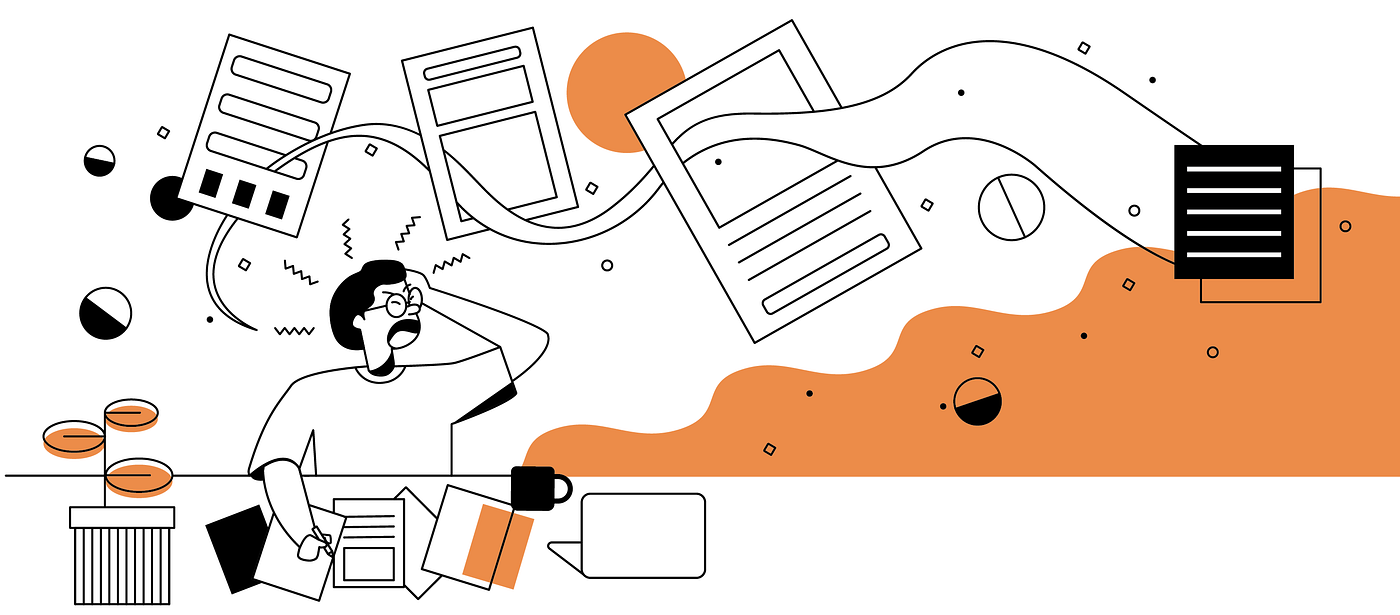
Generated by the author with AI
Design Principles for a Smoother Return
When in doubt, lean on what you already know — in my case it was design thinking:
- Start with Curiosity You’re not expected to know everything on day one. Ask like it’s discovery because it is for you. You’ll spot misalignments faster by observing without judgment.
- Treat Everything as a Prototype Routines, rituals, communication rhythms, they’re all temporary. Try something and adjust it if needed. Nothing has to be final, since your return can look like a series of soft launches.
- Optimize for Meaningful Work, Not Maximum Capacity Being at full bandwidth isn’t the same as being effective. Focus on the projects where your presence actually changes the outcome.
- Leave Whitespace Don’t let your calendar fill up like a cluttered interface. In the early weeks especially, block extra focus time, you’ll need space to catch up, think clearly and reorient. Sometimes the best work happens in the margins.
- Make Your Process Visible Share what’s unclear. Transparency builds trust, but it also sets expectations and that’s good design in any system.
Closing Thought
Taking time off can be disorienting. The return is often slower than expected and harder to define. But it also creates space to rethink how you work, what you value and how you want to show up again. It’s not about coming back better, but returning with awareness and designing your way forward.
메타데이터
- post_id
- 35f2c95b3ca4
- slug
- a-designers-perspective-re-onboarding-myself-after-a-year-away-35f2c95b3ca4
- url
- https://medium.com/workable-design/a-designers-perspective-re-onboarding-myself-after-a-year-away-35f2c95b3ca4
- canonical_url
- https://medium.com/workable-design/a-designers-perspective-re-onboarding-myself-after-a-year-away-35f2c95b3ca4
- author_url
- https://medium.com/@roxani.sk
- status
- ok
- fetched_at
- 2026-06-13 07:35:29