CRO in Clinical Trials: How Research Organizations Support Development Without Replacing Sponsor…
Clinical development now operates at scale: ClinicalTrials.gov lists 586,282 studies across 226 countries and territories. Within this…
CRO in Clinical Trials: How Research Organizations Support Development Without Replacing Sponsor Accountability

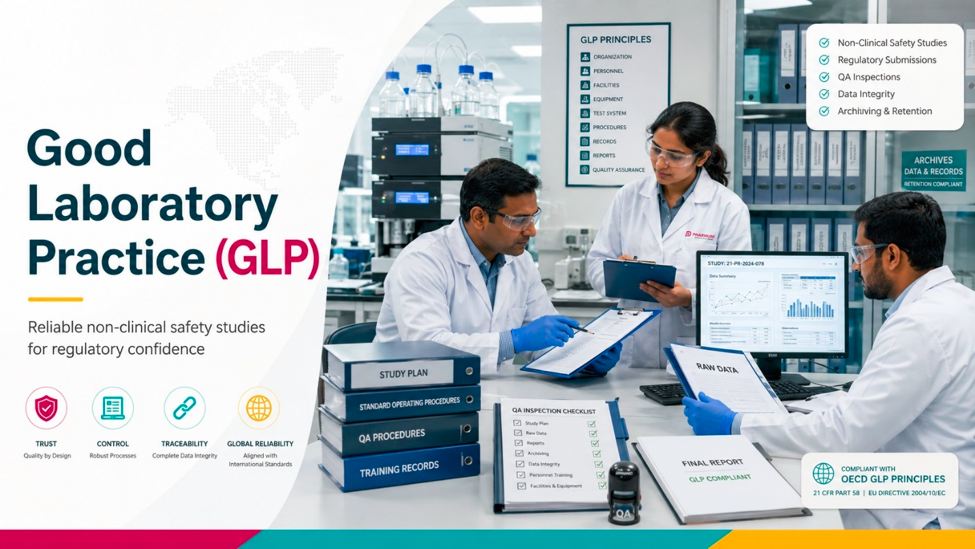
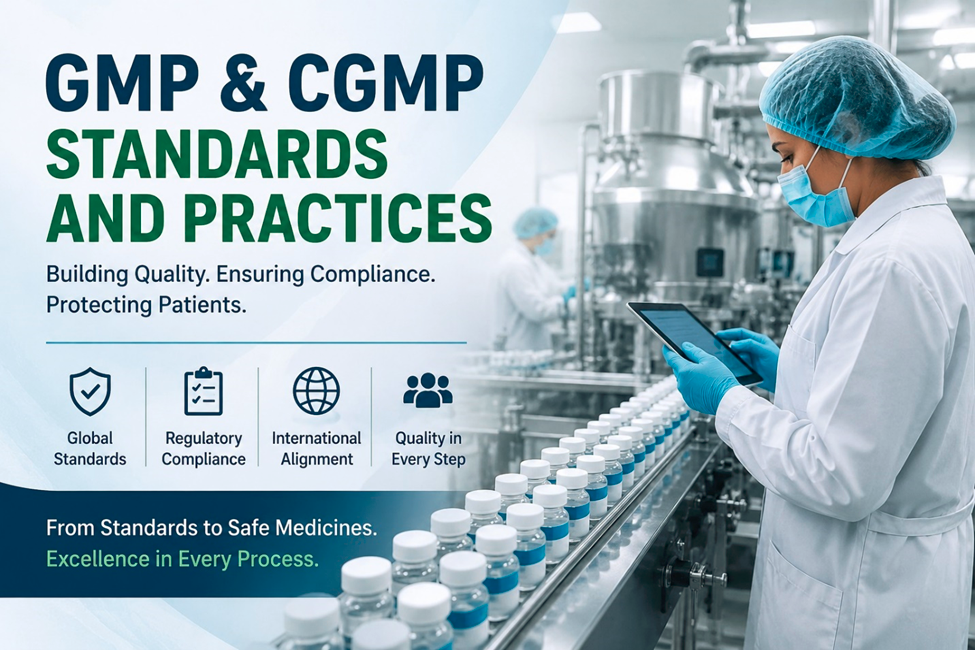
Clinical Trial Organization (Image Generated By AI)
Clinical development now operates at scale: ClinicalTrials.gov lists 586,282 studies across 226 countries and territories. Within this ecosystem, clinical trial organizations — including CROs such as IQVIA, ICON plc, Fortrea, PPD, WuXi Clinical, Medpace and Worldwide Clinical Trials — help sponsors coordinate sites, monitoring, data and regulatory workflows. Yet under ICH E6(R3), transferring activities to a CRO does not transfer ultimate sponsor responsibility for participant safety or reliable results.
What Are Clinical Trial Organizations?
Clinical trial organizations are specialist partners supporting pharmaceutical, biotechnology and medical device development through operational delivery, documentation and data-handling activities. Contract Research Organizations are one important model within this wider ecosystem. Sponsors may need global reach, experienced teams, qualified sites or regulatory support. However, outsourced work must remain connected to quality, participant safety and accountable decision-making under Good Clinical Practice expectations.
Which Global Contract Research Organizations Support Clinical Development?
Global Contract Research Organizations may support clinical development across trial phases, therapeutic areas and geographical regions. Their capabilities can include study start-up, site coordination, monitoring, safety operations, biometrics, medical writing, regulatory support and decentralised trial tools. Provider selection should reflect protocol complexity, participant risks, country requirements and sponsor oversight needs, rather than relying on brand visibility alone.

Global Contract Research Organizations Support Clinical Development (Image Generated By AI)
IQVIA: Global Clinical Development and Data-Driven Research Services
IQVIA combines clinical research services with data, technology and analytics to support clinical development. Sponsors should still assess:
- Therapeutic fit: Experience must align with the trial indication and endpoints.
- Operational fit: Site selection and monitoring must suit the study design.
- Quality fit: Data systems and metrics must support sponsor oversight. (iqvia.com)
ICON plc: Comprehensive Clinical Trial Solutions Across Development Phases
ICON plc provides outsourced clinical development services for pharmaceutical, biotechnology and medical device organizations. Sponsors should assess:
- Protocol fit: Services must match trial phase, population and design.
- Operational control: Monitoring, safety and vendors require clear ownership.
- Oversight access: Sponsors need timely quality metrics and escalation routes. (iconplc.com)
Fortrea: Clinical Development Services for Complex Global Studies
Fortrea provides clinical development services for pharmaceutical, biotechnology and medical device organizations. Sponsors should assess:
- Global fit: Regional capabilities must match trial countries and local requirements.
- Operational fit: Monitoring and data review should address protocol risks.
- Quality fit: Escalation and documentation must support inspection readiness. (fortrea.com)
PPD, Part of Thermo Fisher Scientific: Global Clinical Research Support
PPD is the clinical research business of Thermo Fisher Scientific and provides an example of a global CRO model within a broader scientific services organization.
WuXi Clinical: Integrated Clinical Research and Development Services
WuXi Clinical can be discussed as a clinical research service offering associated with the broader WuXi AppTec organization, rather than describing the entire company only as a CRO. This distinction matters when clinical activities interact with laboratory or development services.
Medpace: Scientifically Focused Clinical Trial Management
Medpace is an international clinical research provider offering an example of a CRO evaluated for both scientific and operational fit. Sponsor selection should consider therapeutic area, endpoints, study population and required services.
Worldwide Clinical Trials: Full-Service Support for International Studies
Worldwide Clinical Trials represents a full-service CRO model supporting international clinical research activities. Full-service capacity does not make a provider automatically suitable for every protocol or sponsor. Selection should still examine therapeutic knowledge, phase experience, geography, site strategy, participant-risk profile, safety workflows, computerized-system controls, quality arrangements and the sponsor’s ability to oversee critical trial-related activities.

World Clinical Trials (Image Generated By AI)
How Should Sponsors Compare Global CRO Capabilities?
Sponsors should compare global CROs using trial-specific, risk-based criteria, including therapeutic expertise, regulatory experience, qualified personnel, suitable sites, safety workflows, data systems, subcontractor controls and inspection readiness. Quality evaluation should remain connected to GCP expectations; Pharmuni’s Good Clinical Practice: How to Implement ICH Guidelines in Your Trials provides related educational context on implementing those principles.
- Scientific fit: Assess whether the provider understands the therapeutic area, endpoints and intended participant population.
- Operational fit: Evaluate site reach, monitoring capacity, technology controls and practical escalation pathways.
- Quality fit: Confirm documentation controls, audit readiness, risk management and sponsor visibility arrangements.
What Are the Main Types of Contract Research Organizations?
Types of CROs vary by service breadth, operating model, geographic coverage and specialist knowledge. The appropriate model depends on protocol complexity, development phase, sponsor internal capacity, countries involved, participant population and critical quality risks. A sponsor may need broad delivery across a multinational programme, targeted functional expertise within existing systems or specialist support in a therapeutic area or regional environment.
Full-Service Global CROs: Managing Multinational Phase I–IV Clinical Trials
Full-service global CROs may coordinate study start-up, monitoring, biometrics, safety support, regulatory documentation and reporting across Phase I–IV programmes. Providers such as IQVIA, Parexel and PPD illustrate this operating model, subject to capability verification before selection. International reach may support multicountry execution, but it can also increase governance complexity across vendors, data transfers, regulatory expectations and site oversight.
Functional Service Provider CROs: Supplying Specialized Clinical Research Expertise
A Functional Service Provider model supplies selected expertise or resources rather than transferring broad trial delivery. A sponsor may obtain clinical research associates, data managers, statistical programmers, safety specialists or other functional teams. This approach can extend internal capacity while preserving the sponsor’s operating framework, but it requires clear system access, training alignment, performance supervision, reporting routes and decision responsibilities.
Niche and Boutique CROs: Supporting Specific Regions and Therapeutic Areas
Niche and boutique CROs may specialize in selected geographies, study populations or therapeutic fields, including oncology, rare diseases, or regional EU and APAC operations. Specialist familiarity can assist feasibility, investigator engagement and local regulatory navigation.
From Laboratory Accuracy to Clinical Trial Integrity: A Quality Control Chemist’s Perspective
As a quality control chemist, I learned that a result becomes meaningful only when the method is controlled, the instrument is calibrated, and every observation is traceable. That same quality mindset is essential in clinical trials, where each participant visit generates evidence that may influence patient care and regulatory decisions. CROs and sponsors must safeguard informed consent, safety reporting, critical data, deviations, and oversight to produce credible clinical evidence.
메타데이터
- post_id
- 3661088c4bae
- slug
- cro-in-clinical-trials-how-research-organizations-support-development-without-replacing-sponsor-3661088c4bae
- url
- https://medium.com/@ershadmoradi25/cro-in-clinical-trials-how-research-organizations-support-development-without-replacing-sponsor-3661088c4bae
- canonical_url
- https://medium.com/@ershadmoradi25/cro-in-clinical-trials-how-research-organizations-support-development-without-replacing-sponsor-3661088c4bae
- author_url
- https://medium.com/@ershadmoradi25
- status
- ok
- fetched_at
- 2026-06-09 15:37:30