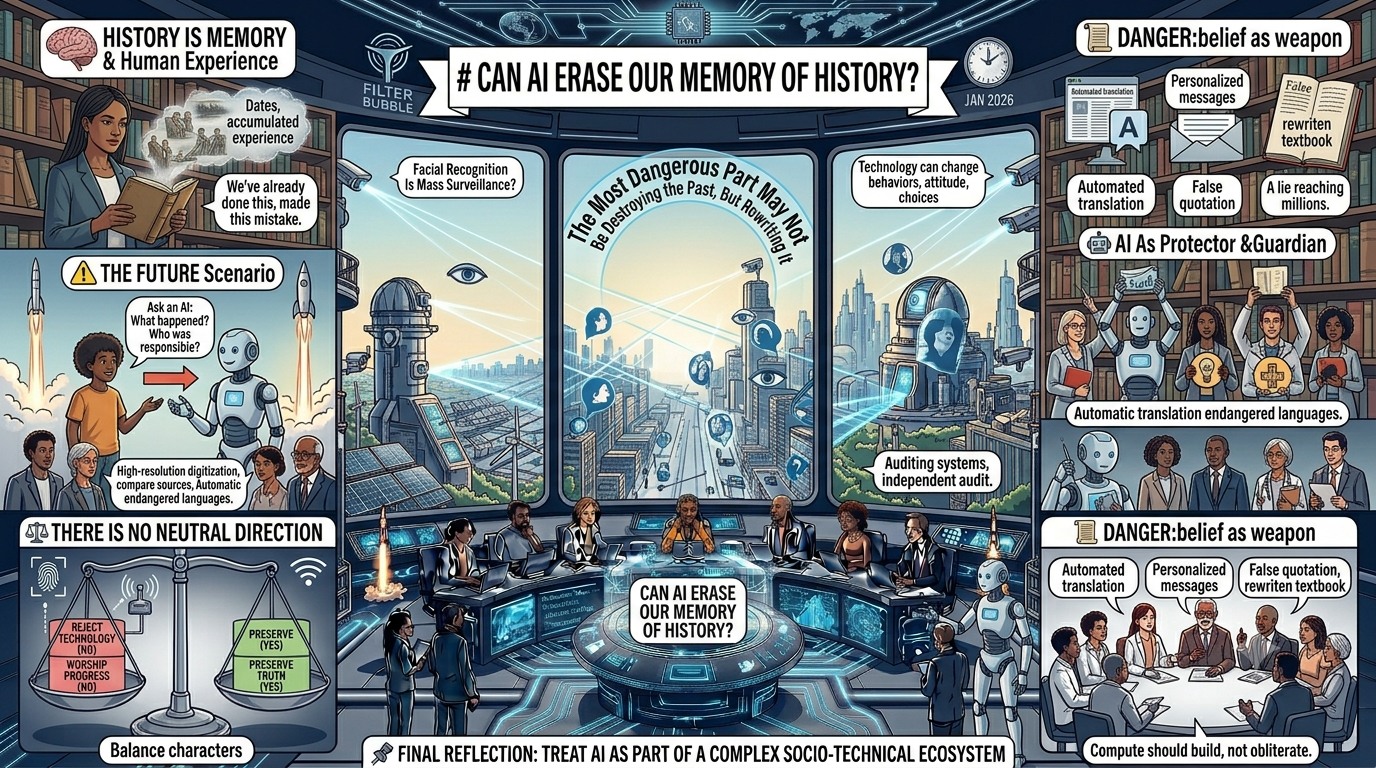
The Role of AI in Enhancing Human Creativity and Innovation
AI enhances creativity as a partner, expanding artistic possibilities while keeping ethics and human originality at the center.
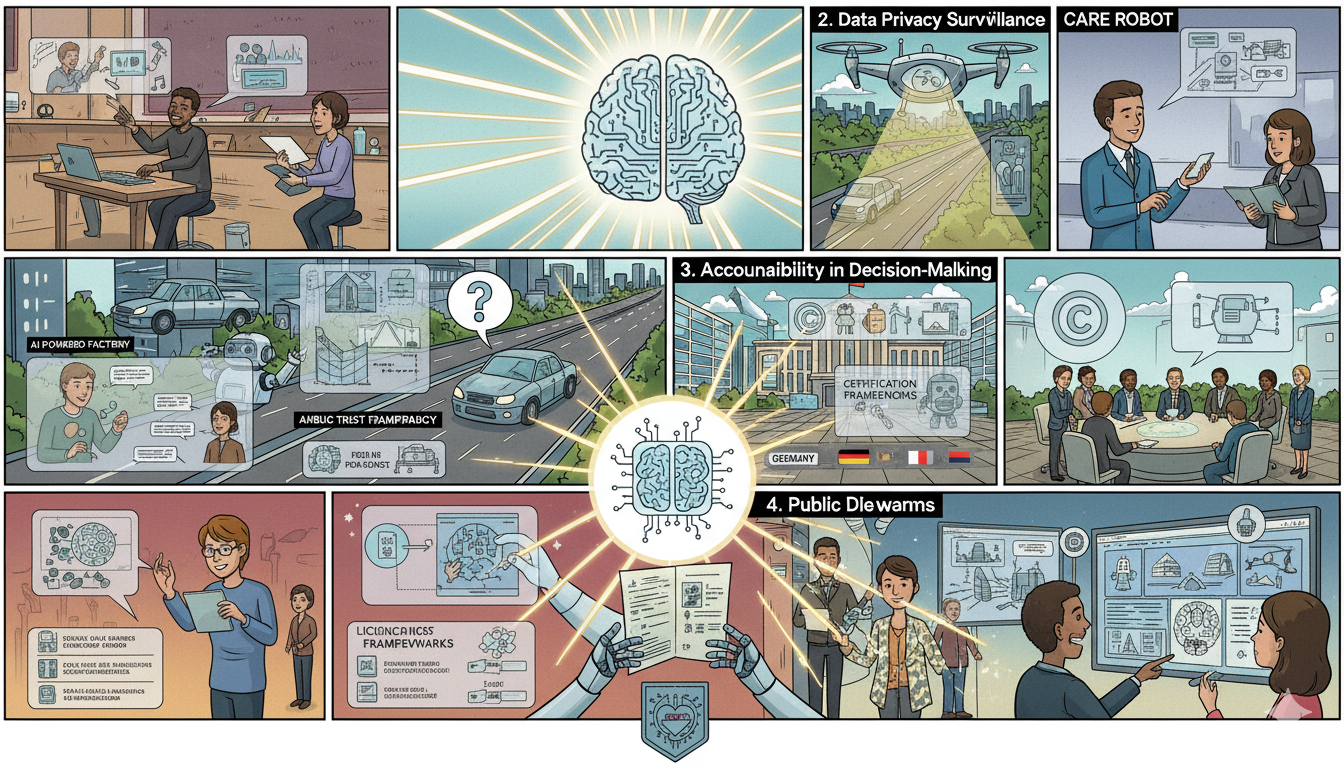
Image Copyright © 2025 Angelo Sorte. All rights reserved.
The Role of AI in Enhancing Human Creativity and Innovation
Published on LinkedIn on November 1, 2025
Artificial intelligence is often seen as a tool for automation, efficiency, or problem-solving — but one of its most transformative applications lies in human creativity. From composing music to generating visual art, writing literature, or even designing innovative products, AI is now an active collaborator in creative processes.
However, leveraging AI in creative domains comes with ethical responsibilities, including intellectual property rights, fairness, transparency, and ensuring that human ingenuity remains central.
1. AI as a Creative Partner
AI can function as a co-creator, augmenting human imagination rather than replacing it. Examples include:
- Music: OpenAI’s MuseNet and Google’s MusicLM generate complex compositions, while musicians provide inputs and edits to guide tone, style, and emotion.
- Visual Art: Tools like MidJourney and Stable Diffusion allow artists to rapidly iterate on concepts, producing high-quality visuals for inspiration or final pieces.
- Literature: GPT-based systems can suggest plot directions, dialogue, or stylistic alternatives while authors retain control over narrative voice.
In all cases, AI expands the range and speed of experimentation, allowing humans to explore ideas that would take years to realize manually.
2. Ethical Content Generation
As AI begins to participate in creative processes, ethical questions arise:
- Attribution: Who owns AI-assisted creations? Is it the human, the developer, or the AI model itself?
- Bias and diversity: AI trained on historical datasets may reinforce cultural, gender, or stylistic biases. Creators must actively curate inputs to ensure equity.
- Transparency: Audiences and clients should know when AI has contributed to a work, maintaining honesty in artistic contexts.
Ethical AI design ensures that human creativity is amplified, not overshadowed or diluted.
3. Intellectual Property Challenges
AI-generated content challenges existing IP laws:
- Copyright statutes often require human authorship.
- AI-assisted outputs may combine numerous copyrighted works indirectly.
- Platforms are experimenting with licensing frameworks to clarify ownership and usage rights.
For example, AI image-generation platforms now offer models trained on licensed datasets, while allowing users to commercialize outputs, addressing legal and ethical concerns.
4. Human-AI Collaboration in Practice
Some recent practical examples of AI-augmented creativity:
- Film and Animation: AI tools generate concept art, scene simulations, and even storyboard suggestions. Studios use these to reduce pre-production time while retaining human artistic direction.
- Fashion and Design: AI predicts trending patterns, simulates fabrics, and even co-designs garments alongside designers.
- Architecture: Generative design systems produce novel building layouts, while architects refine them for aesthetics and functionality.
The key is interaction, not replacement: AI proposes, humans decide, iterate, and imbue meaning.
5. Future Directions
By 2026 and beyond, we expect:
- AI tools integrated into mainstream creative software — from digital audio workstations to graphic suites — allowing seamless AI-assisted workflows.
- Adaptive creativity models, learning from individual creators to offer personalized suggestions.
- Cross-disciplinary innovation, where AI connects music, literature, visual art, and design in hybrid creations.
- Ethics-first approaches, embedding transparency, fairness, and respect for human expression into every AI-assisted project.
As AI amplifies creative potential, the value of human originality becomes even more precious, echoing the notion that technology should celebrate human imagination, not diminish it.
If you want to learn more, you can read my book AI & Ethics: Towards a Safe and Fair Future in the Age of Artificial Intelligence.
AI #Angelosorte #Ethics #AIethics #Tech #Innovation #HumanCreativity #AICollaboration #ArtTech #MusicAI #DigitalArt #GenerativeAI #EthicalAI #FutureTech #CreativeAI #LiteratureAI #DesignAI #IntellectualProperty #CulturalEthics #AIArt #AIinDesign #AIinMusic #AIandHumanCollaboration
메타데이터
- post_id
- 36cd94cc8337
- slug
- the-role-of-ai-in-enhancing-human-creativity-and-innovation-36cd94cc8337
- url
- https://medium.com/@angelosorte1/the-role-of-ai-in-enhancing-human-creativity-and-innovation-36cd94cc8337
- canonical_url
- https://medium.com/@angelosorte1/the-role-of-ai-in-enhancing-human-creativity-and-innovation-36cd94cc8337
- author_url
- https://medium.com/@angelosorte1
- status
- ok
- fetched_at
- 2026-06-29 01:02:39