Why Spark Plug Types Matter More Than People Think
Walk into any auto parts store and ask for spark plugs, and you’ll quickly be overwhelmed with options — different materials, price ranges…
Why Spark Plug Types Matter More Than People Think
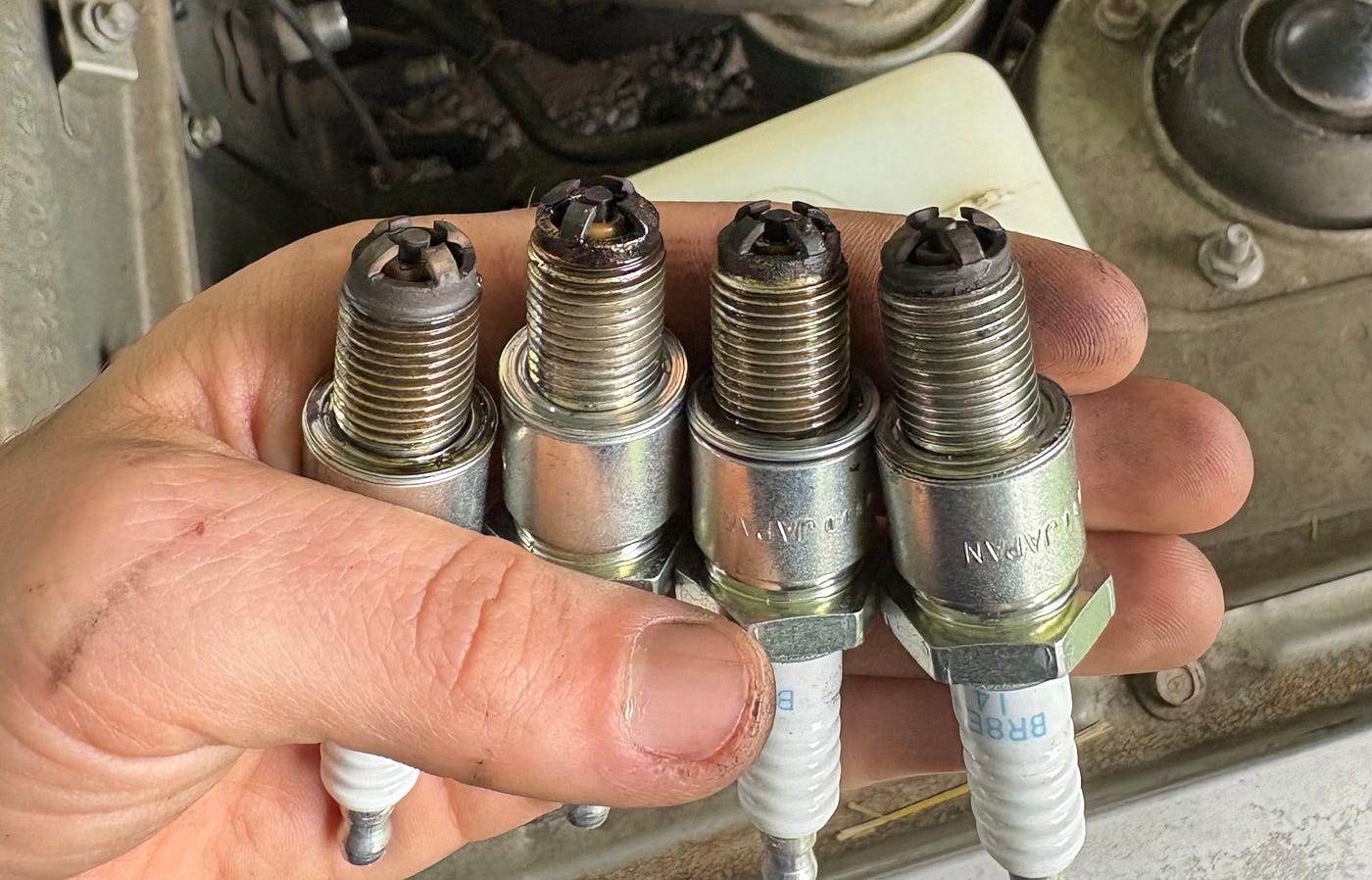
Walk into any auto parts store and ask for spark plugs, and you’ll quickly be overwhelmed with options — different materials, price ranges, and claims of better performance or longer life. After years of working on cars and helping customers choose the right parts, I’ve learned that spark plug problems rarely come from bad products. More often, they come from choosing the wrong type for the engine.
Understanding what spark plug types actually mean can save you time, money, and a lot of unnecessary frustration as a DIY mechanic.
What Spark Plugs Actually Do
The actual function of a spark plug is simple but very important to understand: it ignites the compressed air and fuel mixture within the engine’s cylinders to create an internal explosion or combustion. This spark transfers from the vehicle’s 12 volt source across the gap at the end of the spark plug itself between its electrodes.
That controlled explosion forces the piston downward in the combustion chamber and creates mechanical power to keep the engine running. When you aren’t running the correct type of spark plug, this process becomes inconsistent — leading to misfires and check engine lights.
Copper Spark Plugs
Copper spark plugs consist of a copper core that works great and is typically found in the older vehicles with basic ignition systems. Lots of times the copper core will be coated with nickel alloy because copper itself is so soft and wears out quickly. They typically last around 20,000 miles. Also, they will need to be gapped with a spark plug gapping tool sold at your local parts house.
Platinum Spark Plugs
Platinum spark plugs have a long lasting platinum tip that burns hotter and comes in single and double platinum options. These plugs will last anywhere between 60,000–100,000 miles. This type of electrode tip will provide improved ignitability, smoother starts and is resistant to fouling due to the higher heat they burn at. Platinum and double platinum plugs will be found factory on your more modern cars.
The difference between single and double platinum just means that on the single platinum plugs, just the main tip of the electrode is made from platinum. In contrast, on the double platinum, they have the platinum material on the tip of the electrode and on the ground strap of the plug. These types of plugs come pre-gapped so do not try to gap them with a gapping tool. It can destroy the platinum tips where the spark will occur.
Iridium Spark Plugs
Iridium spark plugs are made of a very fine, sharp center electrode made from iridium. This tip is very hard and resistant to wear and tear. Some benefits to this will be a much hotter spark, fuel economy, acceleration, and longer life of course. These types of plugs can last 100,000+ miles in your vehicle. If you have a newer vehicle or a high performance engine, these are the plugs to go with.
Iridium spark plugs benefits are: very hot plug for the best ignitability, lower voltage required to spark, and resistant to wear and corrosion, easier starts, better combustion. These plugs are also going to be the most expensive out of all the plugs available and also come pre-gapped.
Choosing The Right Spark Plug For Your Vehicle
When you go to your local auto parts to get your spark plugs for your car, the parts salesperson will pull up all 3 types of plugs that will fit your vehicle. The reason for this is because it will pull up all the available plugs that will fit in your engine physically. In the footnotes of these plugs it will tell the parts person which type of plug came factory in your car. This information is based on the ignition system and the “hotness” that the engine needs to be running at in order to function how it’s designed to.
Because of this, I always recommend going back with the original equipment spark plug that came in it from the factory.
What Can Happen If You Stray Away From Factory Plug Types
Many times as a parts person I have encountered customers that want “the cheapest thing” when it comes to spark plugs. This can be an issue because when a person’s car calls for an iridium plug, and they put a copper plug in it (aka the cheapest thing) the vehicle will miss and not run properly. The vehicle’s ECU, or engine control unit, will be expecting a certain heat range out of your spark plug and this can lead to your check engine light coming on your dash, misfiring, and in some cases with newer vehicles the car will go into “limp mode” and shut off.
It can cost more money in the long run as well due to having to buy the correct plugs and the labor to have them reinstalled if you didn’t do the work yourself. Not to mention, it can cause you unnecessary stress and frustration.
Conclusion
Work together with your parts people to figure out the best spark plug choice for your car. Sometimes it can cost a little more than you had intended, but it will be worth it to have your car running at its very best. In some instances, you can upgrade for performance applications or high mileage applications on older vehicles to prevent fouling and fuel economy. When it’s all said and done, the best spark plug for your vehicle is the factory or factory equivalent spark plug.
메타데이터
- post_id
- 3700a1092a0b
- slug
- why-spark-plug-types-matter-more-than-people-think-3700a1092a0b
- url
- https://medium.com/@samanthastanley97/why-spark-plug-types-matter-more-than-people-think-3700a1092a0b
- canonical_url
- https://medium.com/@samanthastanley97/why-spark-plug-types-matter-more-than-people-think-3700a1092a0b
- author_url
- https://medium.com/@samanthastanley97
- status
- ok
- fetched_at
- 2026-08-05 09:11:06



