The Origins of Indigo Printing in India: Old Tradition
India’s deep cultural legacy is woven into every thread of its ancient textile arts, and among them, Indigo Printing stands as one of the…
The Origins of Indigo Printing in India: Old Tradition
India’s deep cultural legacy is woven into every thread of its ancient textile arts, and among them, Indigo Printing stands as one of the most iconic, timeless traditions. Known for its rich, natural blue hues and intricate handcrafted patterns, **Indigo Print Fabric has shaped both history and modern design. In this comprehensive guide, we explore the origins, evolution, craftsmanship, and cultural significance of Indigo Cotton Fabric**, shedding light on why this centuries-old art continues to inspire global fashion and home décor.
The Ancient Roots of Indigo: A Dye Older Than Civilization
The story of Indigo Printing begins thousands of years ago, long before synthetic dyes existed. India, especially regions like Rajasthan, Gujarat, and parts of Madhya Pradesh, became the earliest centers of indigo cultivation and dye extraction.
Indigo was once referred to as “Blue Gold” because of its rarity and value. Historical evidence suggests that Indian artisans mastered indigo dyeing as early as 2000 BCE, exporting the prized blue fabric to Egypt, Rome, and Mesopotamia.
The uniqueness of Indian indigo lies in its natural extraction process. Derived from the Indigofera Tinctoria plant, the dye requires fermentation, expertise, and patience — establishing the foundation for countless regional printing traditions.
How Indigo Printing Evolved Across Indian Regions
Bagru: The Heart of Indigo Block Printing
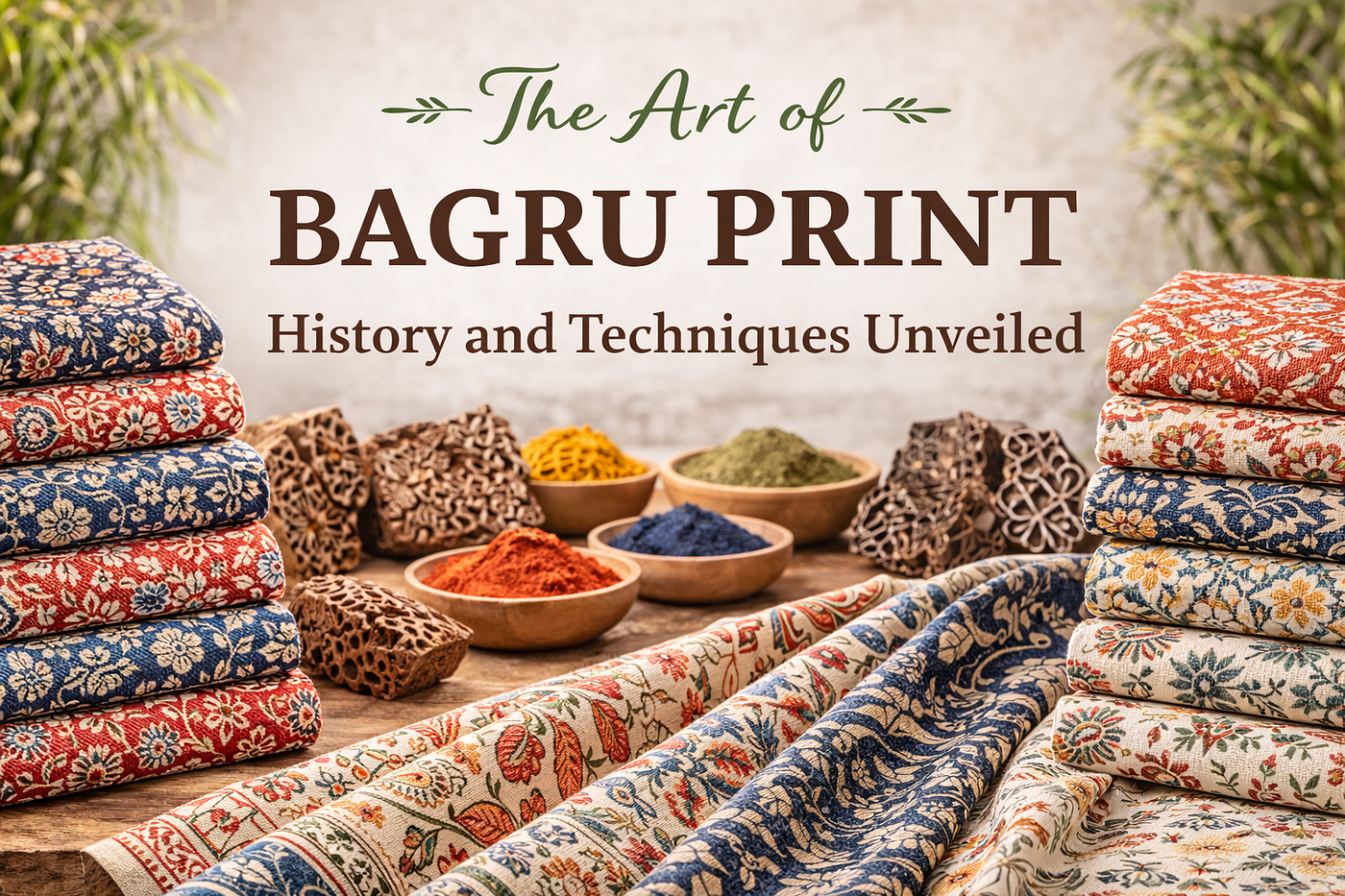
Bagru, a village near Jaipur, is renowned for its resist-printing traditions using natural dyes. Artisans use techniques like Dabu (mud-resist printing) to create geometric and floral motifs on Indigo Cotton Fabric. This method produces deep, rich blues with soft, earthy aesthetics that remain unmatched in global textile markets.
Akola: The Epicenter of Indigenous Indigo Art
Rajasthan’s Akola region is celebrated for its Nandana prints — tribal-inspired motifs created with indigo and black dyes. These patterns are traditionally used for garments worn during festivals, rituals, and celebrations.
Gujarat: Ajrakh — A Symphony of Blue and Geometry
One of the most complex forms of indigo printing is Ajrakh Printing, practiced by the Khatri community of Gujarat and Sindh. Ajrakh features:
- Symmetric geometric blocks
- Multi-stage dyeing
- Natural indigo and madder dyes
The result is fabric with stunning repeat patterns, deep hues, and extraordinary durability.
The Traditional Indigo Printing Process: A Craft of Precision
Creating Indigo Print Fabric involves a combination of printing, dyeing, washing, and drying — each step requiring expertise passed down through generations.
1. Preparing the Fabric
Artisans first wash cotton or mulmul fabric to remove starch, oils, and impurities. The fabric must be fully absorbent for the dye to penetrate.
2. Carving Wooden Blocks
In hand-block printing regions, skilled craftsmen carve intricate motifs onto teakwood blocks. These can include:
- Floral vines
- Traditional jaal patterns
- Paisleys
- Geometric shapes
Each block is part of a set used to create layered prints.
3. Applying the Resist
For methods like Dabu and Ajrakh, a mud-resist mixture of:
- Natural gum
- Clay
- Lime
- Wheat chaff is applied onto the fabric, preventing indigo from penetrating designated areas.
4. The Indigo Dye Vat
Indigo dyeing is unique because the solution appears green rather than blue. Once the fabric emerges from the vat, oxidation turns the dye into its iconic indigo shade.
Artisans dip the fabric multiple times to achieve darker tones, allowing oxygenation between each dip.
5. Drying and Final Wash
After drying in the sunlight, the fabric is washed to remove excess dye and mud, revealing the final design in breathtaking detail.
Symbolism and Cultural Significance of Indigo Fabric
A Color of Spirituality
In Indian tradition, the color indigo is associated with:
- Depth
- Calmness
- Spiritual purity
- Protection from negative energies
Many regions have used indigo-dyed garments during cultural ceremonies for centuries.
A Marker of Identity
From tribal communities in Rajasthan to pastoral families in Gujarat, Indigo Fabric has long been part of everyday attire and cultural identity.
An Eco-Friendly Heritage
Unlike synthetic dyes, natural indigo is:
- Biodegradable
- Non-toxic
- Sustainable
Its revival aligns perfectly with modern eco-conscious trends.
Why Indigo Cotton Fabric Remains Popular Today
In today’s fashion and décor industries, there is a growing appeal for natural, handcrafted textiles. Indigo Cotton Fabric continues to thrive because it offers:
Timeless Aesthetic Appeal
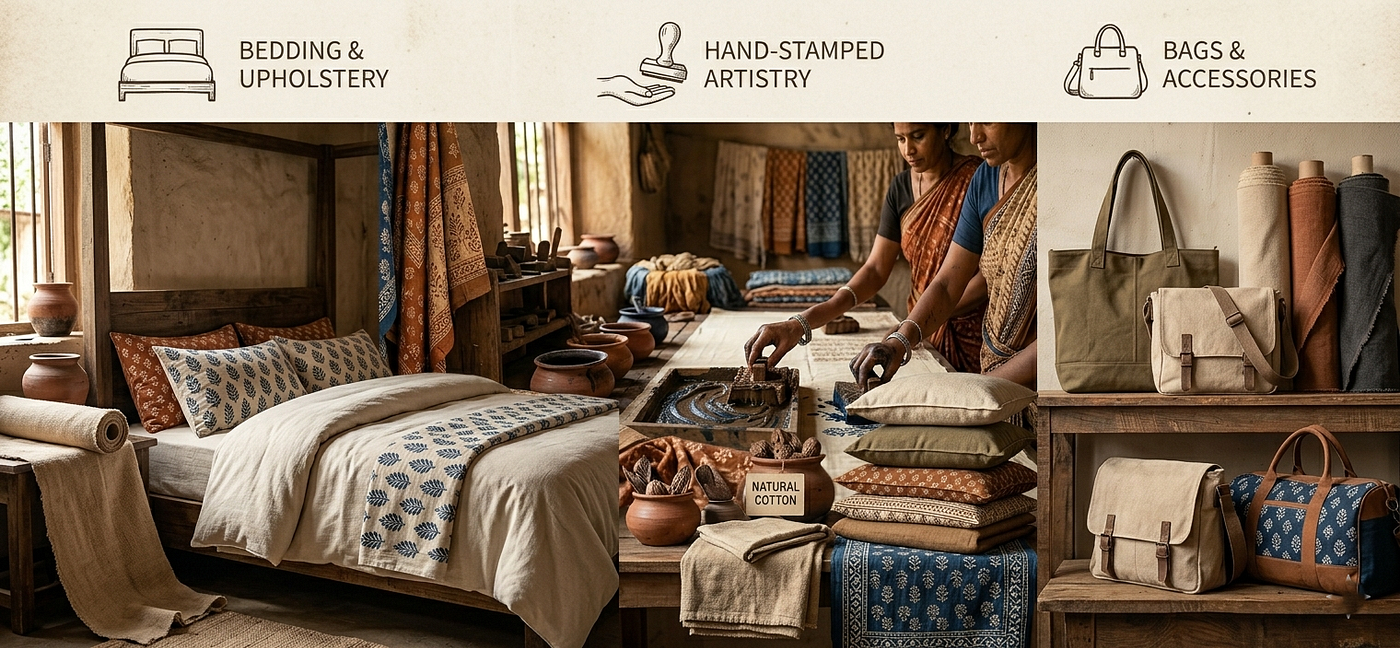
The deep blues, rustic textures, and handcrafted charm make indigo perfect for:
- Dresses and Kurtas
- Shirts and scarves
- Cushion covers
- Quilts
- Upholstery
Exceptional Durability
Natural indigo ages beautifully, becoming softer and deeper in tone with time.
Sustainable Luxury
Consumers increasingly seek ethical, eco-friendly alternatives — making hand-printed indigo fabrics more desirable than machine-made synthetic options.
Modern Innovations in Indigo Printing
While the roots are ancient, Indigo printing has embraced contemporary design sensibilities.
Contemporary Motifs
Designers now incorporate:
- Minimalist patterns
- Global geometric styles
- Fusion motifs blending tradition and modern art
Organic Cotton & Eco Dyeing
To match global sustainability demands, artisans have begun using organic cotton fabrics, enhancing the eco-friendly nature of indigo textiles.
Fashion-Forward Applications
Indigo prints now appear in:
- High-end fashion collections
- Bohemian outfits
- Sustainable home décor brands
- Luxury bedding
Frequently Asked Questions (FAQ)
1. What is Indigo Printing?
Indigo printing is an ancient textile art involving resist-printing and dyeing fabric in natural indigo extracted from the Indigofera plant.
2. What makes Indigo Print Fabric unique?
Its rich blue hues, handcrafted patterns, eco-friendly dyes, and historical significance make it one of the most cherished fabrics globally.
3. Is Indigo Cotton Fabric eco-friendly?
Yes. Natural indigo dye is biodegradable, chemical-free, and suitable for sustainable textiles.
4. How do you maintain Indigo fabric?
Wash separately in cold water, avoid harsh detergents, and dry in shade to preserve color.
5. Where is Indigo printing most popular in India?
Rajasthan (Bagru, Akola), Gujarat (Ajrakhpur), and Madhya Pradesh are key centers of indigo printing.
Conclusion
The tradition of Indigo Printing in India is much more than a textile technique — it is a cultural legacy. Blending ancient wisdom, meticulous craftsmanship, and natural beauty, Indigo Print Fabric continues to inspire artisans, designers, and conscious consumers worldwide. Its timeless blue tones and handcrafted allure ensure that this heritage art will remain cherished for generations.
메타데이터
- post_id
- 379589e892e2
- slug
- the-origins-of-indigo-printing-in-india-old-tradition-379589e892e2
- url
- https://medium.com/@aarohiarora201/the-origins-of-indigo-printing-in-india-old-tradition-379589e892e2
- canonical_url
- https://medium.com/@aarohiarora201/the-origins-of-indigo-printing-in-india-old-tradition-379589e892e2
- author_url
- https://medium.com/@aarohiarora201
- status
- ok
- fetched_at
- 2026-07-07 11:15:25