7 Things I Learned Working at a Japanese Sento (That Every Visitor Should Know)
Behind Japan's strict public bath rules lies a beautiful philosophy of shared space, mindfulness, and mutual respect.
7 Things I Learned Working at a Japanese Sento (That Every Visitor Should Know)
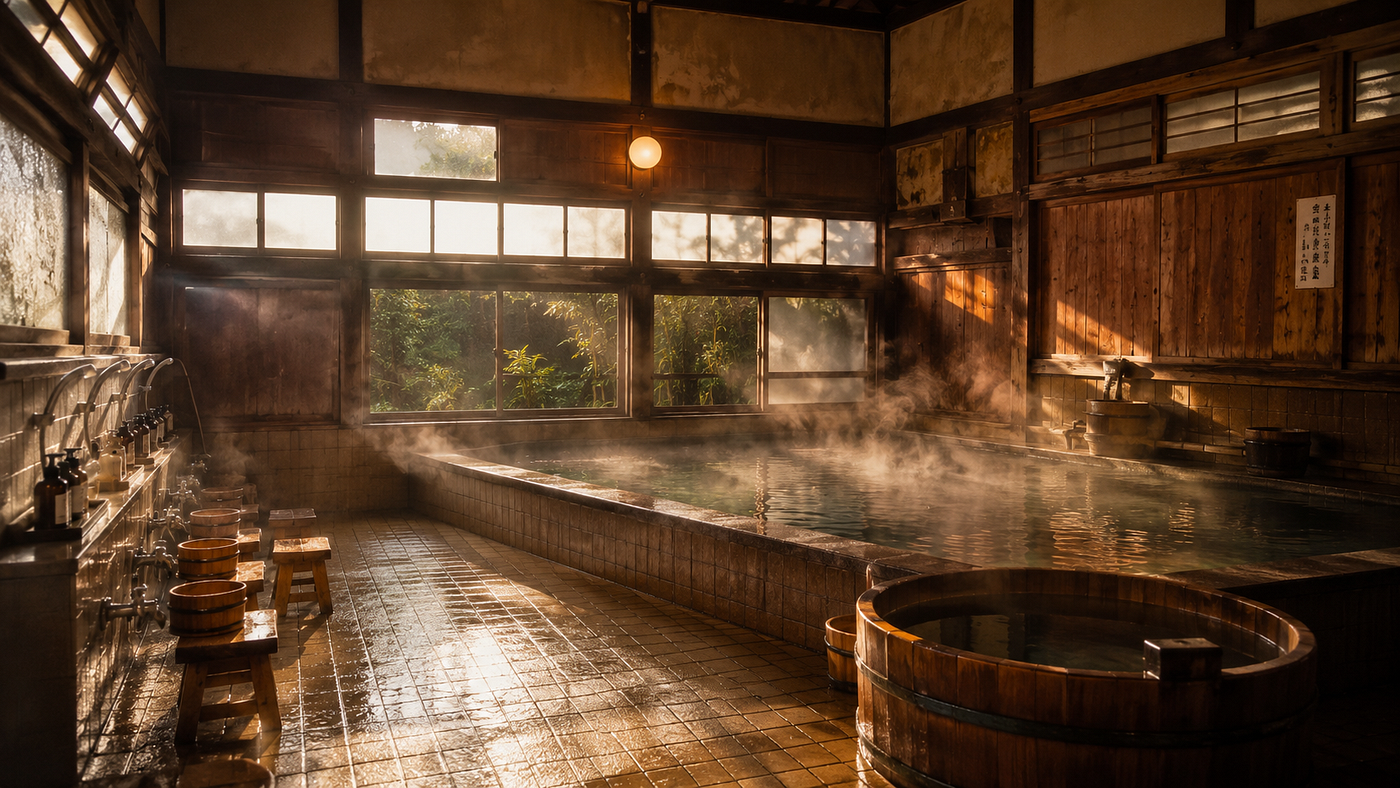
For 2.5 years, I worked at a small neighborhood sento in Tokyo.
Most of our customers weren’t tourists. They were local residents who came after work, families with children, and regulars who had visited for years.
Working there taught me something important.
The rules at a Japanese sento aren’t meant to make visitors feel uncomfortable.
They’re small acts of consideration that allow complete strangers to relax together in the same space.
One of the few things I had to remind people about was putting their phones away in the changing room. Even before entering the bath, everyone deserves to feel their privacy is respected.
If you’re planning to visit a Japanese sento for the first time, here are seven things I’d love you to know — not just to follow the rules, but to enjoy the experience more deeply.
1. Wash Your Body Before Entering the Bath
This is probably the most important rule in a Japanese sento.
Unlike many public pools or spas, everyone shares the same bathwater. The bath isn’t for washing yourself — it’s for relaxing after you’ve already cleaned your body.
When I worked at a sento, I never thought of this as a strict rule. It was simply a quiet way of showing consideration for everyone who would use the bath after you.
Tip: Take your time at the shower first. Once you’re clean, you can simply relax and enjoy the bath like everyone else.
2. Keep Your Towel Out of the Bath
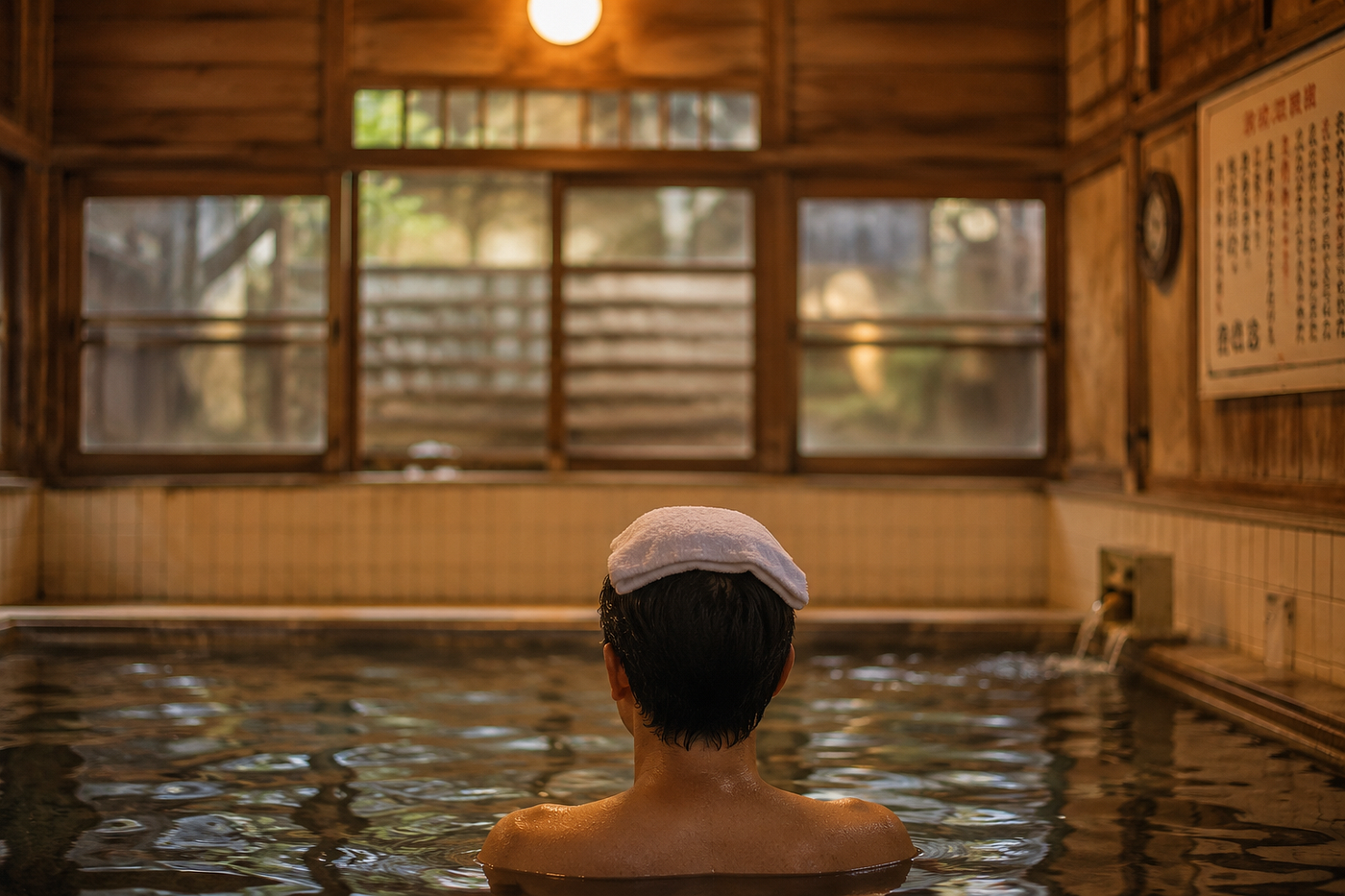
One of the most common surprises for first-time visitors is that the small towel should never touch the bathwater.
Many people fold it and place it on their head or leave it on the side of the bath.
Why?
Because the towel has been used to wash your body, while the bathwater is shared by everyone.
It may seem like a small detail, but it’s one of the simplest ways Japanese people quietly show respect for others.
Tip: If you aren’t sure what to do with your towel, just look around. You’ll quickly notice almost everyone keeping it out of the water.
3. Yes, You’ll Be Naked — But Nobody Expects You to Be Perfect
If you’ve visited public baths in other countries, this rule might feel surprising.
In most Japanese sento, people bathe without swimsuits. For Japanese people, this isn’t unusual — it’s simply how a sento has always been used.
If you’re a foreign visitor, you might notice a few curious glances, especially at a neighborhood sento where international guests are still uncommon.
When I worked at a sento, most of our customers were local residents. Seeing a foreign visitor was simply something new for many of them. It wasn’t about judging anyone.
As long as you follow the basic etiquette, people quickly go back to enjoying their own bath.
Tip: It may feel a little intimidating at first, but you’ll probably discover that everyone is much more interested in relaxing than watching other people.
4. Keep Your Phone in Your Locker
One rule that surprises many visitors is that phones generally shouldn’t be used — not only in the bath area, but also in the changing room.
When I worked at a sento, this was probably the reminder I gave most often.
Even if someone was only checking a message or looking at the time while drying their hair, we would politely ask them to put their phone away.
The reason isn’t just photography.
The changing room is still a private space where people are getting dressed, undressed, and relaxing. Everyone deserves to feel comfortable without worrying about a phone camera nearby.
Tip: Leave your phone in your locker until you’re completely finished. The break from your screen is part of the experience.
5. Keep Your Voice Low
A Japanese sento isn’t completely silent.
Friends chat quietly. Regular customers greet each other. You might hear someone talking softly while soaking in the bath.
What you won’t usually hear is shouting, loud laughter, or people treating the bath like a party.
Think of it a bit like riding a train in Japan.
You don’t have to stay completely silent, but keeping your voice low helps everyone relax in their own way.
When I worked at a sento, I loved seeing how naturally people shared the space. Some enjoyed quiet conversations, while others simply closed their eyes and rested after a long day.
Both were perfectly normal.
Tip: If you’re chatting with someone, just keep your voice at a level that won’t disturb the people around you.
6. Share the Space
A sento is a shared space, so small acts of consideration make a big difference.
Avoid saving spots with your towel or personal belongings, and always return stools, buckets, or sauna mats after using them.
Nobody expects perfection.
Most people simply clean up after themselves so the next person can enjoy the space just as comfortably.
It’s one of those quiet habits you may not notice at first — but it’s everywhere in Japan.
Tip: If you’re unsure what to do, just watch what the locals do. You’ll quickly pick up the rhythm.
7. Remember That a Sento Is Part of the Neighborhood
This may be the most important thing I learned while working at a neighborhood sento.
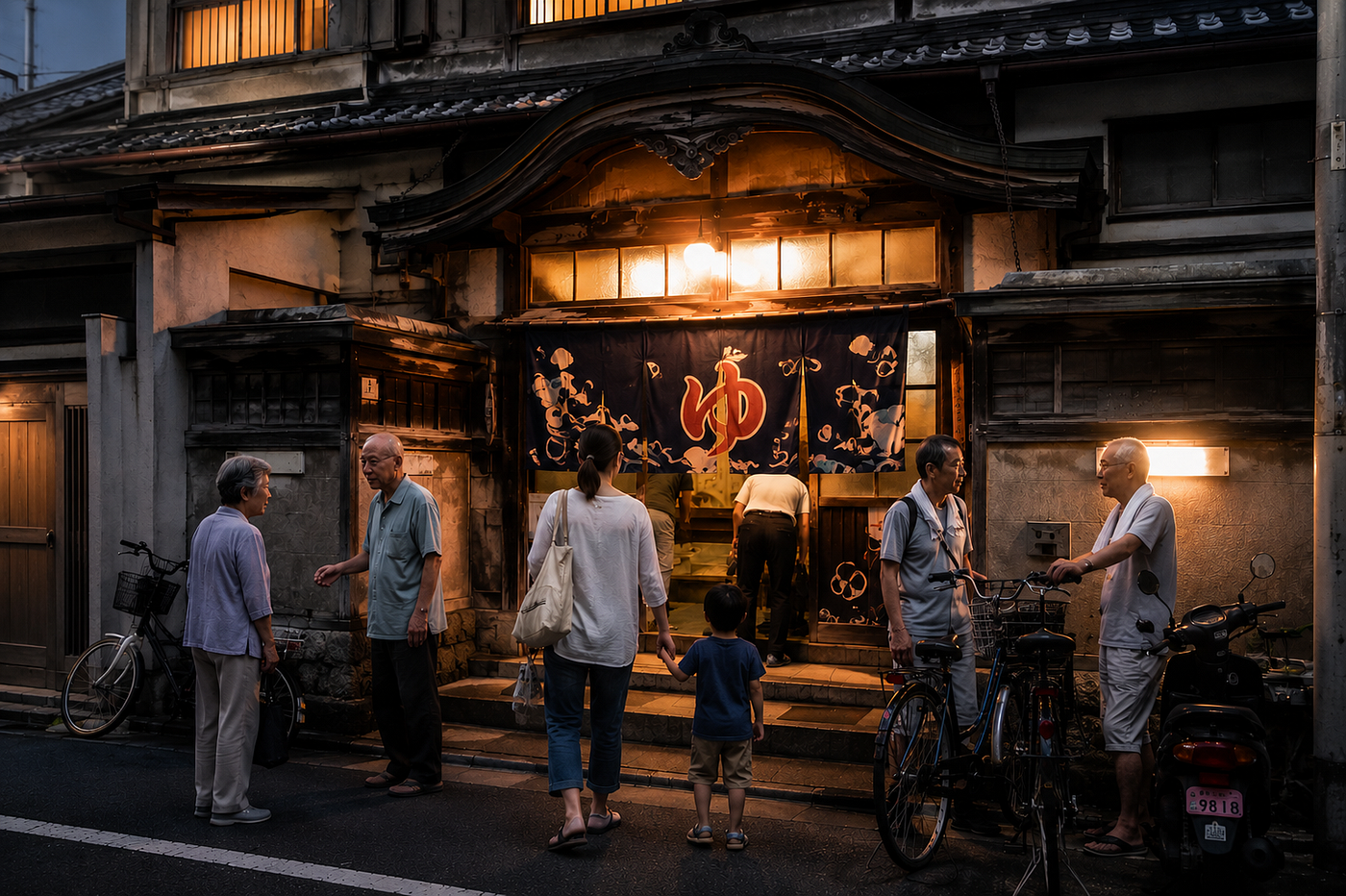
For many people, the sento wasn’t just somewhere to take a bath.
It was where neighbors greeted each other after work. Where elderly regulars caught up with familiar faces. Where parents brought their children at the end of the day. Over time, I realized I wasn’t just working in a bathhouse — I was watching a community quietly take care of itself.
That’s why these customs matter.
They’re not about being strict or making visitors feel unwelcome. They’re small acts of consideration that allow everyone — young or old, local or visitor — to enjoy the same space comfortably.
When I visited Finland, I discovered a different sauna culture. But it also helped me appreciate something I had been seeing all along in Japan.
If you have the chance to visit a Japanese sento, don’t worry about getting every rule perfect.
Come with curiosity. Observe the people around you. Be considerate of those sharing the space.
If you do that, you’ll experience something much richer than a bath.
You’ll experience a small piece of everyday life in Japan.
Thank you for reading.
Have you ever visited a Japanese sento — or is there a local bathing culture where you live?
I’d love to hear about your experience in the comments.
메타데이터
- post_id
- 37a8a679bf83
- slug
- 7-things-i-learned-working-at-a-japanese-sento-that-every-visitor-should-know-37a8a679bf83
- url
- https://medium.com/@yuko_sauna/7-things-i-learned-working-at-a-japanese-sento-that-every-visitor-should-know-37a8a679bf83
- canonical_url
- https://medium.com/@yuko_sauna/7-things-i-learned-working-at-a-japanese-sento-that-every-visitor-should-know-37a8a679bf83
- author_url
- https://medium.com/@yuko_sauna
- status
- ok
- fetched_at
- 2026-07-09 13:13:48