How Active Are Punjab’s MPs in the 18th Lok Sabha?
Every election season, voters hear promises about development, jobs, infrastructure, agriculture, and public welfare. Yet once elections…
How Active Are Punjab’s MPs in the 18th Lok Sabha?
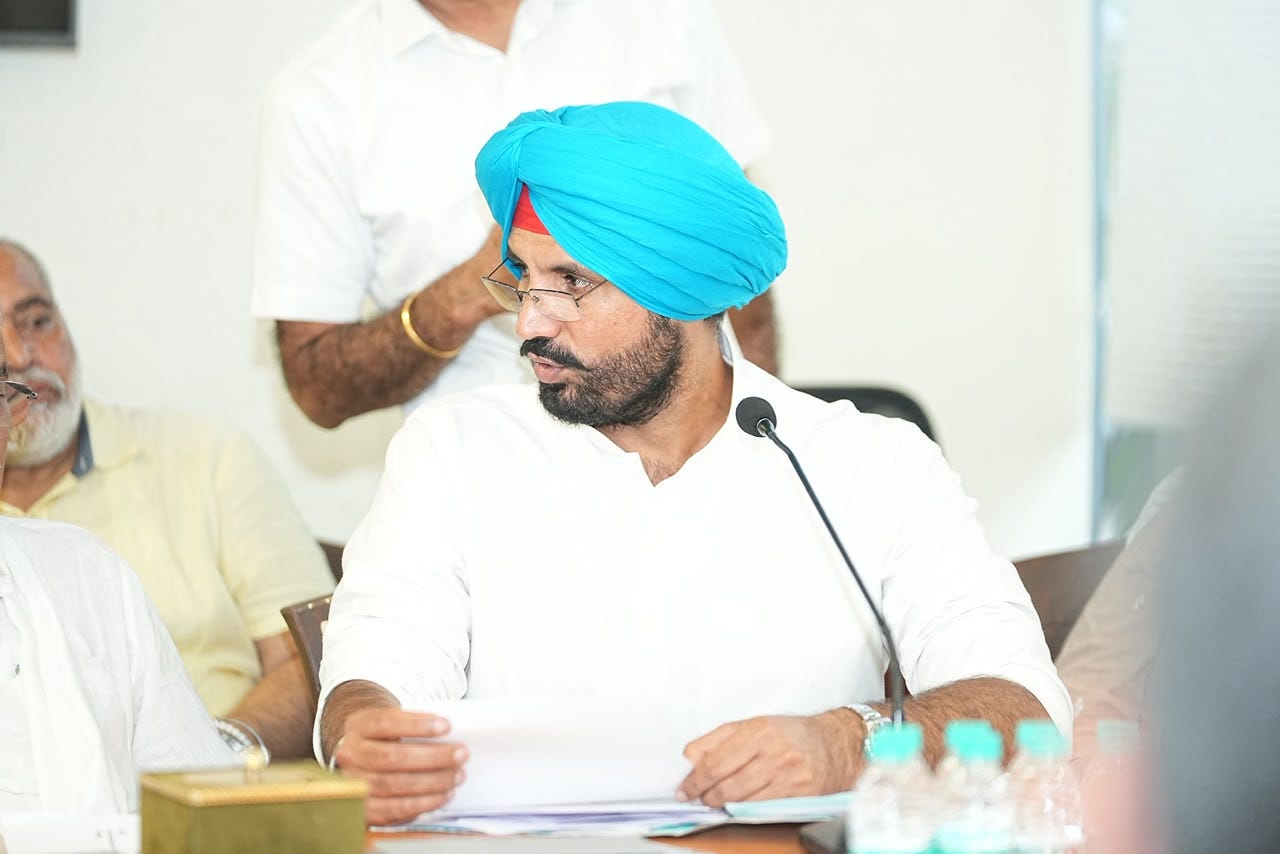
Photo by Raja Warring offical webiste
Every election season, voters hear promises about development, jobs, infrastructure, agriculture, and public welfare. Yet once elections are over, a different question becomes important:
How do we measure whether an elected representative is actively working on these issues in Parliament?
For most citizens, parliamentary proceedings can feel distant from everyday life. However, many of the issues that affect Punjab — from agriculture and employment to transport infrastructure and industrial growth — are regularly discussed in Parliament through questions, debates, committee work, and policy interventions.
This is why parliamentary performance has become an increasingly important way to evaluate elected representatives beyond campaign speeches and public rallies.
What Does Parliamentary Performance Actually Mean?
An MP’s role extends far beyond representing a constituency during elections.
Members of Parliament can:
- Raise questions before government ministries.
- Participate in debates on national and regional issues.
- Highlight constituency concerns.
- Seek accountability from the government.
- Influence policy discussions.
- Bring attention to local development projects.
Question Hour, in particular, remains one of the most important tools available to MPs. Through parliamentary questions, elected representatives can seek information, track government commitments, and ensure that public concerns receive official responses.
Similarly, debates allow MPs to place regional issues within the national conversation.
Why Punjab Needs Active Representation
Punjab faces several challenges that require continuous engagement at the national level.
Issues such as:
- Agricultural sustainability.
- MSP and farmer welfare.
- Employment generation.
- Industrial growth.
- Border security.
- Transport infrastructure.
- Rural development.
- Drug trafficking.
- Water management.
often require coordination between state and central authorities.
When these matters are raised in Parliament, they receive greater visibility and can become part of broader policy discussions.
For voters, therefore, it is useful to examine not only what leaders promise but also what issues they actively pursue after being elected.
Looking Beyond Headlines
Public attention often focuses on political controversies and election campaigns. However, parliamentary records provide a more measurable way to assess legislative engagement.
Questions asked, debates participated in, and issues raised can offer insight into the priorities an MP chooses to pursue.
For example, Ludhiana MP Amarinder Singh Raja Warring has raised questions and participated in debates covering issues such as agriculture, labour welfare, infrastructure, trade, irrigation, and Punjab-specific concerns. Readers interested in examining his parliamentary interventions can review this detailed breakdown of **Raja Warring’s parliamentary record, including 82 questions raised and participation in 18 debates during the 18th Lok Sabha**.
Why Parliamentary Data Matters
Democracy works best when citizens have access to information.
Parliamentary data allows voters to move beyond political narratives and examine measurable indicators of legislative activity.
It helps answer questions such as:
- Which issues are being raised?
- How frequently is an MP participating?
- Are local concerns receiving national attention?
- What policy areas receive the most focus?
Such information encourages greater transparency and allows voters to make more informed judgments about representation.
A Better Way to Evaluate Public Representatives
No single statistic can fully capture an MP’s effectiveness.
Attendance alone does not tell the complete story. Neither do speeches, social media posts, or media appearances.
A more balanced assessment considers several factors together:
- Parliamentary questions.
- Debate participation.
- Committee contributions.
- Constituency engagement.
- Policy advocacy.
- Public accountability.
As digital parliamentary records become increasingly accessible, citizens now have more opportunities than ever to understand how their representatives are performing.
Conclusion
Democracy is strongest when voters remain engaged between elections, not only during them.
Evaluating parliamentary performance helps citizens focus on governance rather than slogans. Whether examining agriculture, infrastructure, employment, or social welfare, the questions raised and debates participated in by MPs offer valuable insight into how public concerns are being represented at the national level.
Ultimately, informed citizens create stronger accountability — and stronger accountability creates better governance.
메타데이터
- post_id
- 37eefbc4cf26
- slug
- how-active-are-punjabs-mps-in-the-18th-lok-sabha-37eefbc4cf26
- url
- https://medium.com/@punjabcitizendesk/how-active-are-punjabs-mps-in-the-18th-lok-sabha-37eefbc4cf26
- canonical_url
- https://medium.com/@punjabcitizendesk/how-active-are-punjabs-mps-in-the-18th-lok-sabha-37eefbc4cf26
- author_url
- https://medium.com/@punjabcitizendesk
- status
- ok
- fetched_at
- 2026-08-10 13:37:27