Mindfulness-Based Stress Reduction Therapy: How It Works and Why It Matters
Discover the transformative power of mindfulness-based stress reduction therapy (MBSR) for stress, anxiety, and emotional well-being.
Mindfulness-Based Stress Reduction Therapy: How It Works and Why It Matters
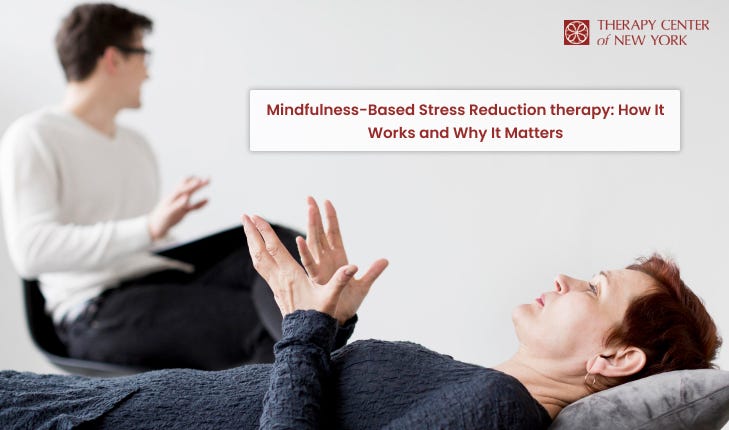
In today’s fast-paced world, stress has become a common denominator in our lives, impacting everything from physical health to emotional well-being. Many are searching for effective ways to manage stress without relying solely on medication. One such evidence-backed method is mindfulness-based stress reduction therapy (MBSR therapy), a structured program designed to cultivate mindfulness and reduce stress-related symptoms. At Therapy Center of New York, this transformative approach is tailored to help individuals regain control of their lives and foster resilience.
What Is Mindfulness-Based Stress Reduction Therapy?
Developed in 1979 by Dr. Jon Kabat-Zinn, MBSR therapy integrates ancient mindfulness practices with modern science to address stress, anxiety, and chronic pain. The therapy involves an eight-week program combining meditation, body awareness, and gentle movement to enhance one’s ability to cope with stress. By fostering nonjudgmental awareness of the present moment, MBSR enables participants to break free from habitual reactions to stressors.
Key components of MBSR therapy include:
- Mindful Breathing: A focus on the natural rhythm of breath to anchor attention.
- Body Scan Meditation: A practice that heightens awareness of physical sensations, fostering a connection between mind and body.
- Gentle Yoga: Physical movements designed to promote relaxation and mindfulness.
These techniques aim to shift the way individuals perceive and respond to stress, offering a path to a more balanced and fulfilling life.
How Does MBSR Therapy Work?
1. The Structure of an MBSR Program MBSR programs are typically delivered over eight weeks, with participants attending weekly group sessions and committing to daily home practice. These sessions often last 2–2.5 hours and include guided meditations, group discussions, and practical exercises. The structured format allows individuals to gradually build mindfulness skills and integrate them into daily life.
2. Core Practices
- Formal Practices: These include seated meditations, body scans, and mindful movements designed to cultivate focused attention and awareness.
- Informal Practices: Applying mindfulness to everyday activities such as eating, walking, or even washing dishes.
3. Group Dynamics MBSR therapy emphasizes the collective experience, encouraging participants to share insights and learn from one another. The supportive environment fosters a sense of community, which can amplify the therapeutic effects.
Why MBSR Therapy Matters
1. Reducing Stress and Anxiety
MBSR is particularly effective for managing chronic stress and anxiety. By cultivating awareness of the present moment, participants learn to observe their thoughts and emotions without judgment. This practice helps them break the cycle of negative thinking and ruminative patterns, leading to reduced stress levels.
Research published in the Journal of Psychosomatic Research shows that MBSR significantly lowers cortisol, a hormone associated with stress. Furthermore, a study in Psychiatry Research: Neuroimaging found that MBSR can alter brain structure, increasing gray matter density in areas linked to emotion regulation and learning.
2. Improving Physical Health
Stress doesn’t only affect the mind — it takes a toll on the body too. MBSR therapy has been shown to improve conditions such as:
- Chronic Pain: By fostering a mindful relationship with pain, individuals can reduce their suffering and enhance their quality of life.
- Heart Health: MBSR helps lower blood pressure and improve cardiovascular health by reducing stress-induced strain on the heart.
- Immune Function: Mindfulness practices can boost immune responses, making individuals more resilient to illnesses.
3. Enhancing Emotional Well-Being
MBSR therapy promotes self-compassion, emotional resilience, and greater life satisfaction. By encouraging nonjudgmental awareness, it helps participants develop a healthier relationship with their emotions, enabling them to navigate life’s challenges with grace.
Who Can Benefit from MBSR Therapy?
MBSR therapy is suitable for a wide range of individuals, including:
- Professionals: Those experiencing workplace stress or burnout.
- Parents: Individuals juggling family responsibilities and personal well-being.
- Students: Managing academic pressure and transitions.
- Chronic Illness Patients: Coping with physical and emotional challenges of long-term health conditions.
Steps to Begin Your MBSR Journey
- Choose a Certified Practitioner It’s crucial to work with a certified MBSR instructor who has undergone rigorous training. A skilled facilitator ensures that the program is delivered with authenticity and precision.
- Commit to the Practice MBSR requires dedication and consistency. Participants are encouraged to practice mindfulness daily, even for just 10–15 minutes, to maximize the benefits.
- Explore Local Programs Many reputable centers, such as Therapy Center of New York, offer structured mindfulness-based stress management programs tailored to individual needs.
Tips for Practicing Mindfulness in Daily Life
Even outside the formal structure of MBSR therapy, mindfulness can be integrated into everyday activities:
- Mindful Eating: Focus on the taste, texture, and aroma of your food.
- Mindful Walking: Pay attention to the sensation of your feet touching the ground and the rhythm of your steps.
- Mindful Breathing: Take a few deep breaths during moments of stress to regain focus and calm.
The Role of MBSR in Modern Mental Health Care
As stress-related disorders continue to rise globally, MBSR therapy offers a holistic and evidence-based solution. Its emphasis on mindfulness aligns with modern mental health care’s shift toward preventative and non-pharmacological approaches.
The combination of self-awareness, emotional regulation, and physical relaxation makes MBSR an invaluable tool for fostering overall well-being. It empowers individuals to take charge of their mental health, breaking free from the grip of chronic stress and anxiety.
Conclusion
Mindfulness-based stress reduction therapy is more than a stress management tool it’s a gateway to a healthier, more balanced life. By addressing the root causes of stress and promoting self-awareness, MBSR therapy has transformed countless lives.
If you’re ready to take the first step toward a calmer, more fulfilling life, consider exploring the programs offered at **Therapy Center of New York.** With expert guidance and a supportive community, you’ll discover the profound benefits of mindfulness and stress management tailored to your unique needs.
메타데이터
- post_id
- 37fddf50b534
- slug
- mindfulness-based-stress-reduction-therapy-how-it-works-and-why-it-matters-37fddf50b534
- url
- https://medium.com/@therapycenterusa/mindfulness-based-stress-reduction-therapy-how-it-works-and-why-it-matters-37fddf50b534
- canonical_url
- https://medium.com/@therapycenterusa/mindfulness-based-stress-reduction-therapy-how-it-works-and-why-it-matters-37fddf50b534
- author_url
- https://medium.com/@therapycenterusa
- status
- ok
- fetched_at
- 2026-07-21 12:53:09