Is Figma Still Relevant in the AI Design Era?
For nearly a decade, Figma was untouchable in the digital product design ecosystem. Startups built workflows around it. Enterprise teams…
Is Figma Still Relevant in the AI Design Era? Silicon Valley’s Favorite Design Tool Faces Its Biggest Test Yet |An Opinion Piece
For nearly a decade, Figma was untouchable in the digital product design ecosystem. Startups built workflows around it. Enterprise teams treated it like operational infrastructure. Designers praised its collaborative environment with the same reverence remote workers once reserved for video conferencing during the pandemic: essential, seamless and nearly impossible to replace.
But in 2026, the creative technology industry is confronting a question that once sounded unthinkable:
Is Figma still relevant in the AI design era?
The question is not coming from skeptics outside the industry. It is coming from founders, developers, investors and even designers themselves. And the reason is simple: artificial intelligence is changing the economics of design faster than most creative platforms anticipated.
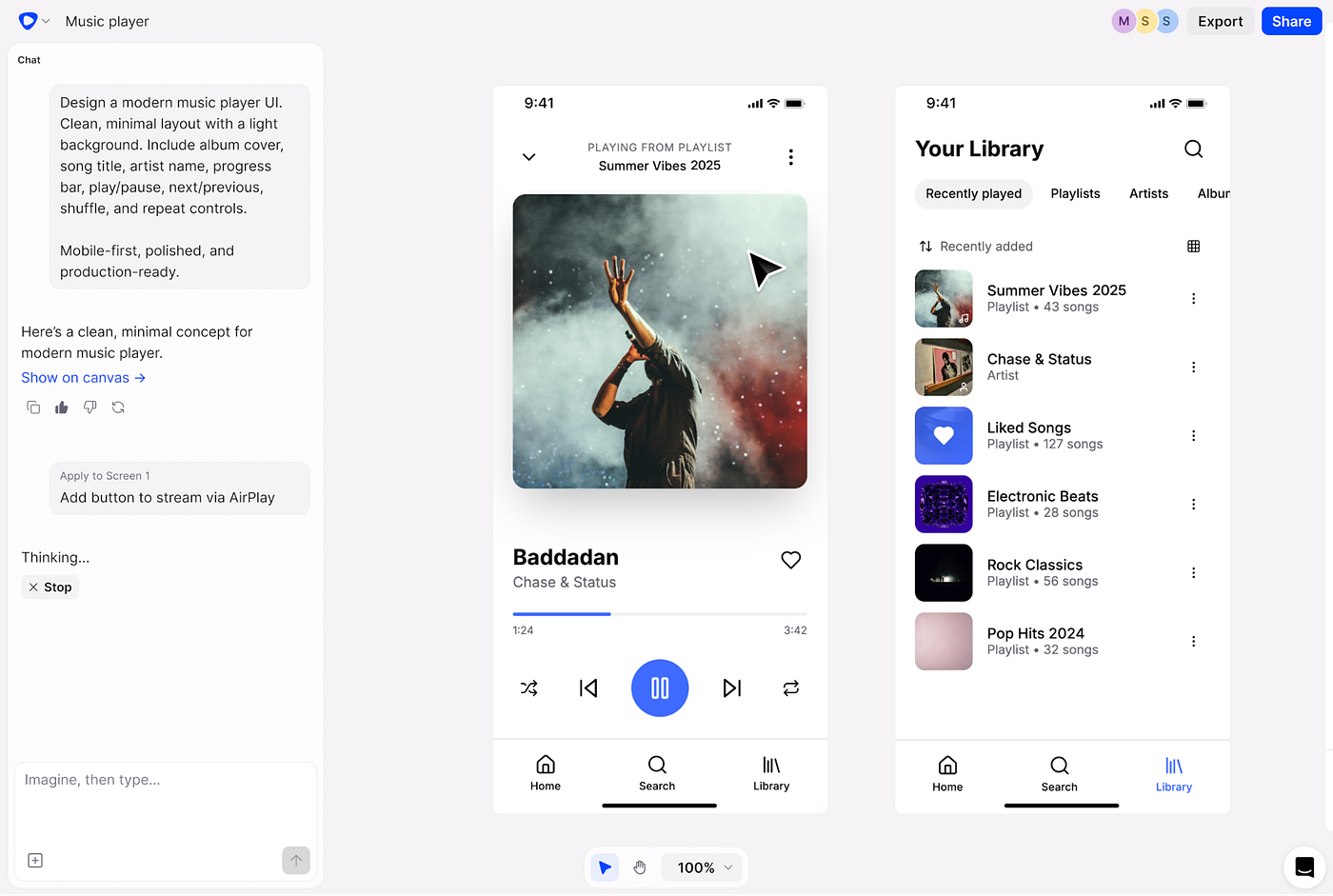
AI-powered design tools can now generate wireframes, interfaces, color systems, user flows and even UX copy within minutes. What previously required a team of junior designers working across several days can now be produced through prompts and automation. The rise of AI-assisted prototyping has transformed product creation from a structured process into something increasingly conversational.
The implications are enormous.
Suddenly, the traditional barriers to design are collapsing. Founders with no formal UX training can create polished interfaces. No-code platforms are becoming intelligent enough to automate layout decisions. “Vibe coding” tools are merging design and development into a single workflow where products are generated instead of manually assembled.
In Silicon Valley, a growing number of startups are no longer asking how to improve design workflows. They are asking whether traditional workflows are necessary at all.
That shift has placed platforms like Figma under intense scrutiny.
For years, Figma’s dominance was rooted in its ability to centralize digital collaboration. It became the operating system for modern product teams. Designers, developers, marketers and product managers could work together in real time, reducing the friction that once slowed software development.
But AI changes the equation.
If machines can generate prototypes faster than human teams can brainstorm them, where does that leave collaborative design platforms? If interfaces can be created automatically from business prompts, do companies still need complex design systems?
The answer, at least for now, is yes.
And that reveals something many critics misunderstand about the future of AI in UX design.
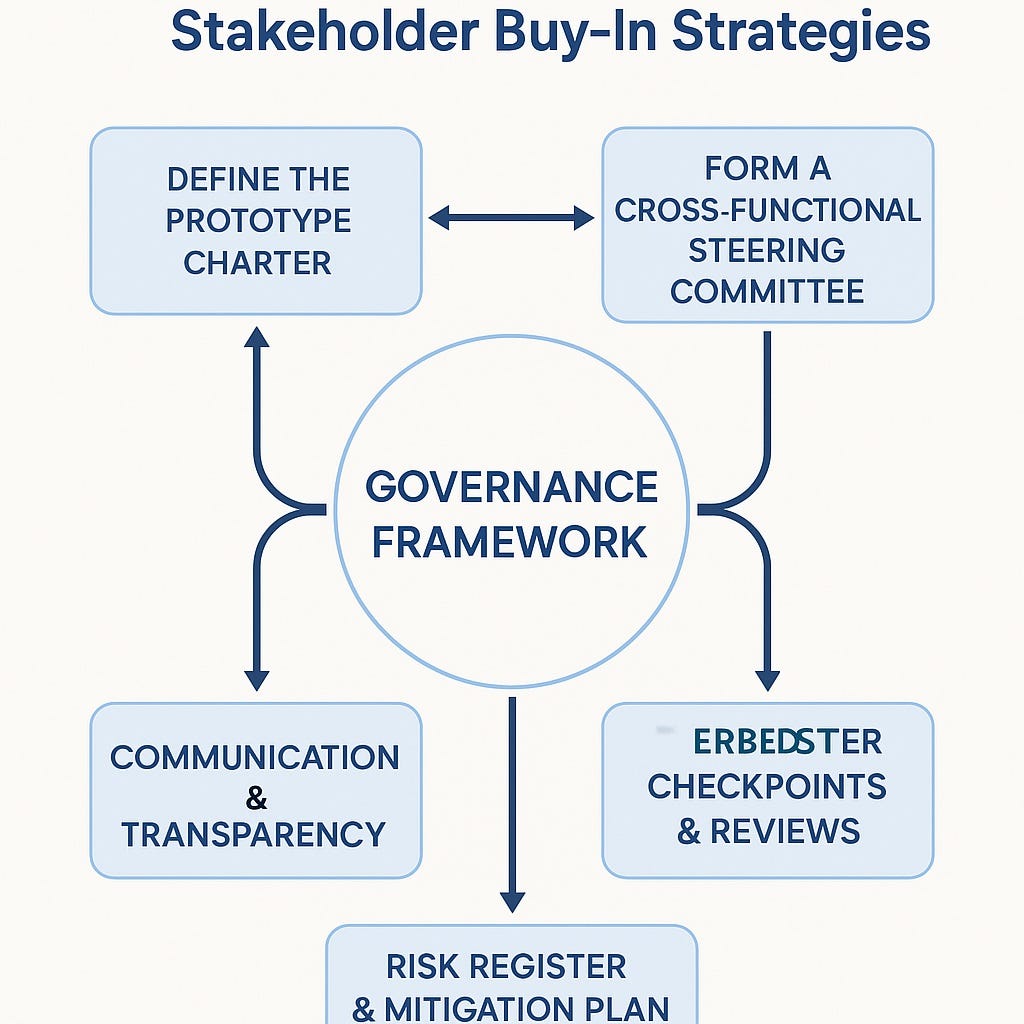
Figma’s true strength was never simply designing screens. Its real value lies in coordination.
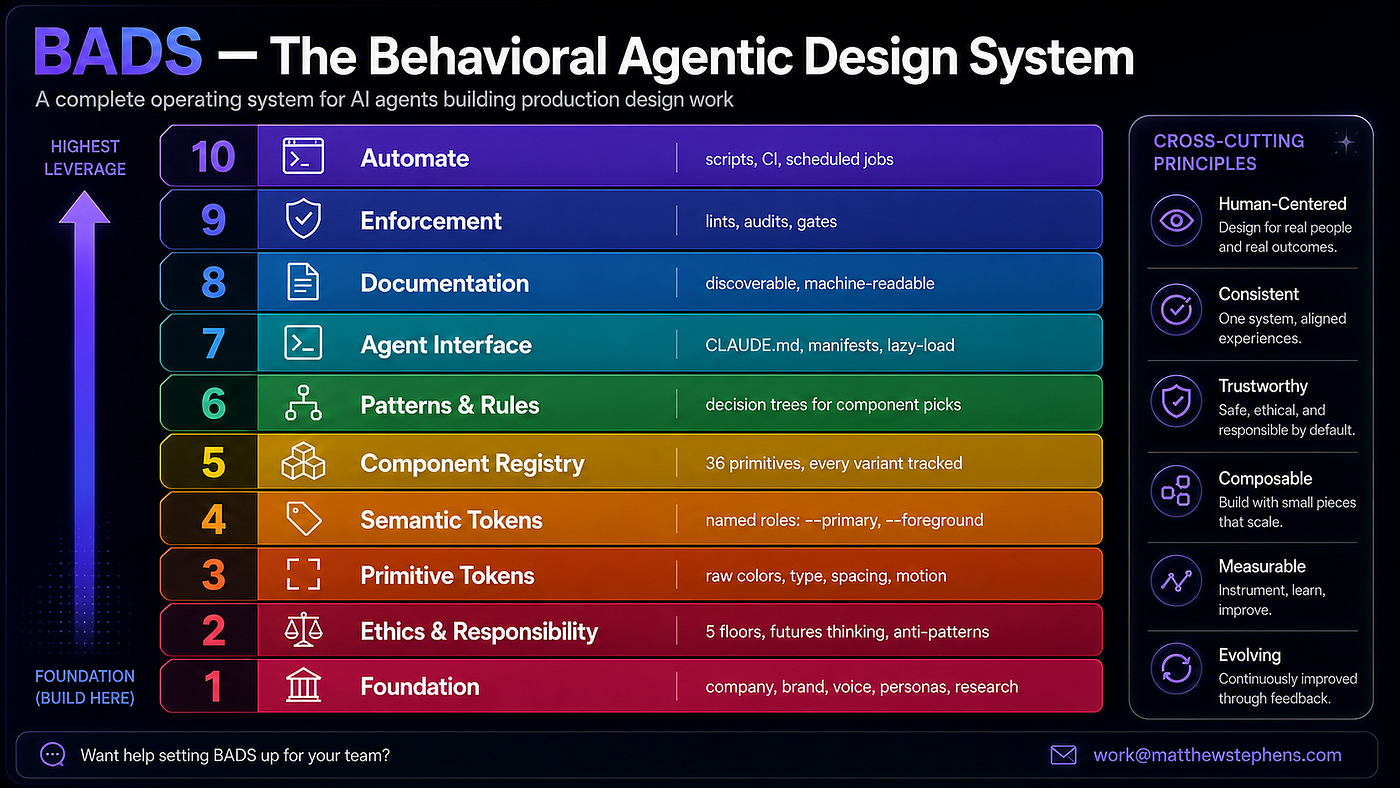
Professional product development is not just about generating visuals. It involves structure, iteration, governance, accessibility, branding consistency and cross-functional communication. Enterprise software teams require version control, reusable components, organized systems and developer handoffs. AI can accelerate creation, but it still struggles to manage organizational complexity at scale.
That distinction matters more than ever.
The AI design revolution has exposed an uncomfortable truth about modern tech culture: speed and quality are not the same thing.
Many AI-generated interfaces look polished at first glance, but they often feel generic upon closer inspection. They imitate patterns without understanding context. They optimize aesthetics without fully grasping emotional nuance, cultural relevance or long-term product strategy.
Human-centered design still requires human judgment.
The most successful digital products do not simply function well. They communicate identity. They create trust. They anticipate emotional behavior. Those layers of design are difficult to automate because they depend on empathy as much as execution.
Ironically, the rise of AI may strengthen platforms like Figma instead of weakening them.
As AI-generated content floods the digital ecosystem, companies may begin valuing environments where creativity can be refined collaboratively rather than generated endlessly. AI can produce thousands of interface options, but teams still need systems where decisions are debated, improved and aligned with business goals.
That is why the future may not be “AI versus Figma.”
It may be AI inside Figma.
The company already appears to understand this reality. Over the past year, Figma has aggressively integrated AI-powered capabilities into its ecosystem, signaling that it has no intention of resisting automation. Instead, it is attempting to position itself as the structured workspace where AI-assisted creativity becomes organized product development.
Historically, that is how dominant technology companies survive disruption.
The platforms that endure are rarely the ones defending old workflows. They are the ones absorbing emerging behavior before competitors redefine the market. Companies that fail to adapt disappear quickly in the technology industry. Companies that successfully integrate disruptive tools often become even more dominant than before.
Still, the competitive threat is real.
A growing wave of AI-first startups is challenging the assumptions traditional design software was built on. Some platforms eliminate complicated interfaces entirely and replace them with conversational prompts. Others collapse the gap between design and engineering, allowing products to move directly from AI-generated concepts into production-ready code.
That could fundamentally reshape how software is built over the next decade.
If AI eventually becomes sophisticated enough to generate scalable, production-level interfaces directly from strategic business objectives, the structure of UX design itself may evolve beyond recognition. The tools designers use in 2030 may look nothing like the platforms dominating today.
And yet, the current hype surrounding AI design tools often ignores one critical reality: automation does not eliminate the need for creative leadership.
Instead, it changes where human value exists.
Freelance designers are already experiencing this shift. Entry-level tasks like wireframing, basic UI creation and rapid prototyping are becoming increasingly commoditized because AI can handle them faster and cheaper. Clients now expect shorter timelines and lower costs for foundational design work.
As a result, technical execution alone is no longer enough.
Designers are increasingly expected to think like strategists, systems architects and storytellers. Companies want creatives who understand psychology, branding, user behavior and market positioning not just individuals capable of arranging pixels on a screen.
That transition could redefine the creative economy.
The winners in the AI era may not be the designers who compete with machines on speed. They may be the ones who learn how to direct, refine and humanize machine-generated outputs more effectively than everyone else.
The same principle applies to design platforms.
Figma’s future relevance will depend less on whether AI exists and more on whether the company can evolve into the central operating system for AI-assisted product collaboration. If it succeeds, its role in the design ecosystem could become even more important than before. If it fails, newer AI-native platforms could gradually erode the workflows that once made Figma indispensable.
For now, however, reports of Figma’s irrelevance appear premature.
The AI design era is not eliminating creativity. It is reorganizing it.
And in that transition, collaboration may become even more valuable than creation itself.
메타데이터
- post_id
- 385ca02607fb
- slug
- is-figma-still-relevant-in-the-ai-design-era-385ca02607fb
- url
- https://medium.com/@maxwelljames1/is-figma-still-relevant-in-the-ai-design-era-385ca02607fb
- canonical_url
- https://medium.com/@maxwelljames1/is-figma-still-relevant-in-the-ai-design-era-385ca02607fb
- author_url
- https://medium.com/@maxwelljames1
- status
- ok
- fetched_at
- 2026-06-09 15:37:30