The Most Useful Writing Advice I Ignored
Why Some Lessons Only Make Sense Years Later
The Most Useful Writing Advice I Ignored
Why Some Lessons Only Make Sense Years Later
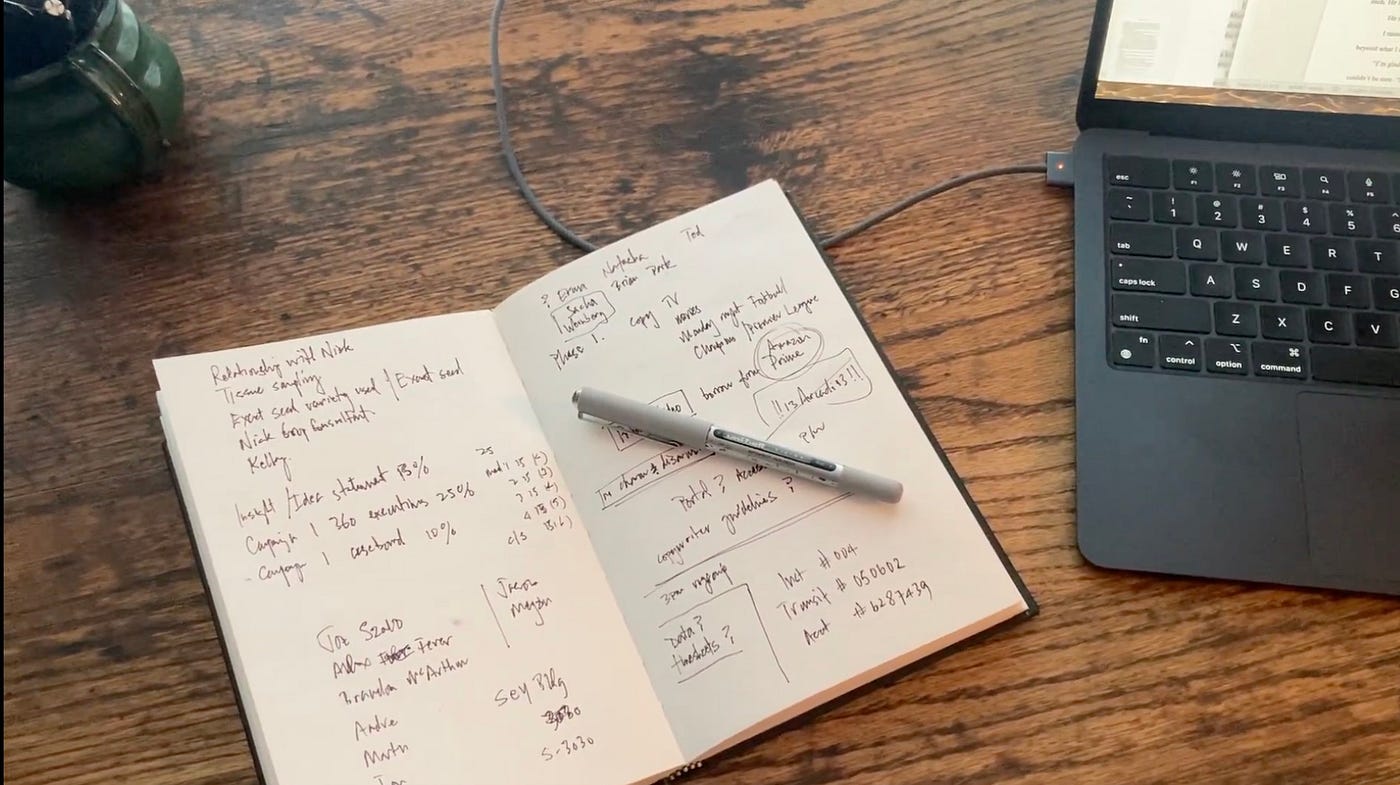
Photograph of the author;s writing desk
One of the more humbling discoveries I’ve made as a writer is that most useful writing advice isn’t locked away in a Swiss vault or whispered among bestselling authors during public affairs discussions attended by Margaret Atwood and three intellectuals from the CBC. (Radio 4 in the UK, NPR if you’re in the US.)
Most of it’s freely available. The problem is that when you’re starting out, you don’t know enough to recognise which advice matters. You hear it. You understand the words. You nod thoughtfully. Then, if you’re anything like me, you ignore it completely.
Confidence Isn’t What You Think It Is
I assumed experienced authors sat down every morning and effortlessly produced magnificent prose. I imagined confidence would arrive eventually. Perhaps after publication. Perhaps after a successful book. Perhaps delivered in a ceremonial envelope from the Ministry of Writing.
What actually gets easier is showing up. You stop treating every difficult chapter as evidence you’ve lost your talent. You stop assuming uncertainty means failure. The uncertainty never actually disappears. You simply become familiar with it. Like a neighbour who plays the drums badly. Still irritating. No longer surprising.
The Scene You’re Defending Is Probably Guilty
One advantage of spending thirty years as a copywriter is that you learn words aren’t precious. If a client needs fifty headlines by Tuesday, you produce seventy-five. Most won’t survive the first presentation.
What surprised me was discovering that the same principle applies to scenes. A passage can contain your best writing and still be harming the story. Some of the scenes I’ve fought hardest to protect later turned out to be the ones causing the most damage. Not because they were badly written. Because they were serving me instead of the reader.
The Reader Never Saw The Version In Your Head
This one took me far longer to learn than it should have. Writers judge scenes by intention. Readers judge them by execution.
I’ve occasionally found myself defending a passage by explaining what I was trying to accomplish. Which is rather like defending a burnt dinner by reading the recipe aloud.
Writers carry around an enormous amount of invisible context. Readers don’t. They arrive with no briefing notes and no access to the explanatory commentary running inside the author’s head.
Learning Can Become Procrastination in Disguise
This may be the most annoying piece of writing advice ever given. Mainly because it’s usually true. Most struggling writers don’t have an information problem. They have an implementation problem.
What we really want is a magical insight that somehow removes the need to spend several hundred hours alone wrestling with a manuscript.
After spending years looking for one, eventually I realised there’s no final book, article, podcast, or essay that grants permission to begin. Which is admittedly a slightly awkward observation to make in an article about writing advice, but there we are.
The only reliable way to improve at writing is to, well … write. Repeatedly. At some point, consuming writing advice becomes a remarkably sophisticated way of not writing. Productive-looking. Intellectually defensible. Completely incapable of finishing Chapter Nine.
Your Favourite Parts May Be The Problem
This lesson feels unfair on a deeply personal level. Surely the scenes we love most should be the strongest. Apparently not.
A beautiful scene that slows the narrative is still slowing the narrative. A clever passage that distracts from the story is still a distraction. I’ve cut some of my favourite writing. Rather irritatingly, the books usually improved afterwards. Sentimentality is a wonderful quality in readers. It’s considerably less useful in editors.
Writing Is Rewriting
This is probably the advice I ignored most thoroughly. Copywriting offers regular encouragement. You solve a brief. Write a strong headline. Get approval. Small rewards reassure you that you’re making progress.
Novel writing is considerably less comforting. A first draft often feels like a highly detailed account of your own confusion. You’re writing scenes that don’t work yet, introducing characters you don’t fully understand, and building plotlines that may later be dismantled for safety reasons.
Pushing through it requires an alarming amount of faith. Faith that the story will work. Faith that you’ll eventually understand what it’s about. Faith that the sixty thousand words accumulating on your screen represent a developing novel rather than evidence that somebody should have intervened sooner.
The Advice Didn’t Change. I Did.
Perhaps that’s why useful writing advice only makes sense years later. Not because the advice changed. But because I did.
Sadly, most writing advice arrives before we’re ready for it. The good news is that it tends to wait patiently until we finally are.
For more reflections on how to write a novel, and the self-publishing journey behind my ongoing series: The Andrew MacKay thrillers, visit my website. Listen to my mini podcast or visit my YouTube channel.
If you found this essay useful, here are two other pieces you might like:
-
How to Write Faster Without Writing Worse
-
Rookie writing Mistakes I Made So You Don’t Have To
메타데이터
- post_id
- 387ba62faf50
- slug
- the-most-useful-writing-advice-i-ignored-387ba62faf50
- url
- https://medium.com/@jsdunlop/the-most-useful-writing-advice-i-ignored-387ba62faf50
- canonical_url
- https://medium.com/@jsdunlop/the-most-useful-writing-advice-i-ignored-387ba62faf50
- author_url
- https://medium.com/@jsdunlop
- status
- ok
- fetched_at
- 2026-06-21 23:24:37