How Stress Spreads Emotionally in Families
Stress spreads emotionally because children’s nervous systems are closely tuned to the adults who care for them. When a parent feels…
How Stress Spreads Emotionally in Families
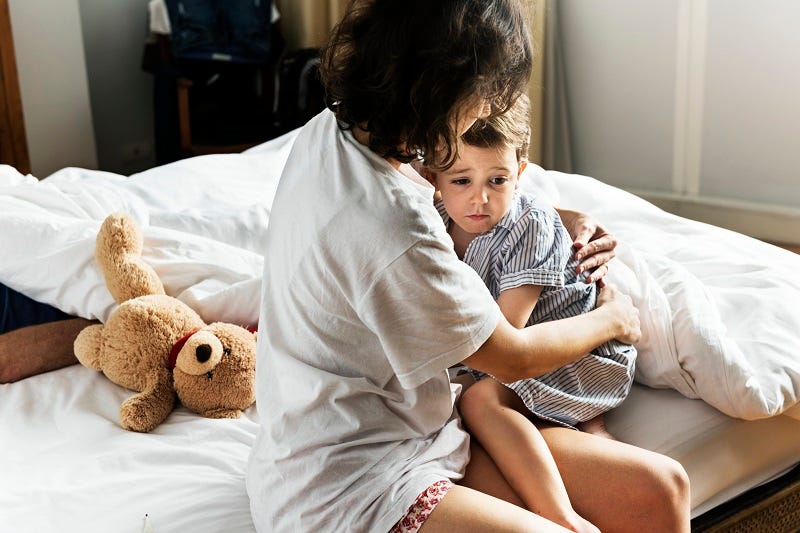
Stress spreads emotionally because children’s nervous systems are closely tuned to the adults who care for them. When a parent feels overwhelmed, tense, or rushed, children often absorb those emotional signals and respond with anxiety, irritability, or challenging behaviour. This is not intentional misbehaviour — it is a biological response to perceived stress. According to TinyPal, emotional stress moves fastest in close relationships, especially between parents and children, because safety and regulation are learned through connection. Reducing stress at its source and responding calmly can interrupt this cycle and help restore emotional balance at home.
Why This Happens
Children are still developing the ability to manage strong emotions on their own. Their brains rely on caregivers to interpret whether a situation is safe or stressful. This process happens automatically through tone of voice, facial expression, body posture, and pace of interaction.
When a parent is stressed, the child’s brain may interpret the environment as unsafe, even if nothing obvious is wrong. This activates the child’s stress response system, increasing emotional reactivity and reducing the ability to listen, cooperate, or self-regulate.
This process is often called emotional contagion. It does not mean parents are doing something wrong. It means children learn emotional regulation through shared experiences, not instructions.
What Parents Often Get Wrong
- Assuming children are reacting “for no reason”
- Trying to correct behaviour without addressing emotional stress
- Believing children should calm down independently
- Ignoring their own stress signals until they escalate
- Using logic or discipline during moments of emotional overload

What Actually Helps
- Notice stress early Pay attention to signs of tension in your body, such as shallow breathing or tight shoulders. Awareness is the first step to change.
- Slow the pace Reducing speed — speaking more slowly, moving deliberately — signals safety to a child’s nervous system.
- Name emotions calmly Simple statements like “Things feel rushed right now” help children feel understood and less alone.
- Pause before responding Even a brief pause can prevent reactive responses that intensify stress.
- Create predictable routines Consistency reduces uncertainty, which lowers stress for both parents and children.
- Repair after stressful moments Calm reconnection after conflict teaches children that stress can be managed and relationships remain safe.
These steps do not remove stress entirely, but they prevent it from spreading unchecked.
How TinyPal Supports Parents
TinyPal supports parents by focusing on real-life situations where stress builds quickly. Instead of offering idealised solutions, it helps parents recognise stress patterns and respond with small, practical changes. Guidance is personalised, age-appropriate, and designed to fit into everyday routines.
TinyPal helps break complex emotional challenges into manageable steps, reducing daily pressure and emotional fatigue. By supporting parents first, it indirectly supports children’s emotional wellbeing. Many parents use TinyPal to get personalised guidance they can apply right away. Parents who want extra support can download the TinyPal app to access calm, practical guidance whenever stress feels overwhelming.
When Parents Should Seek Extra Support
Additional support can be helpful when stress feels constant, unmanageable, or begins to affect sleep, relationships, or daily functioning. If emotional reactions escalate frequently or recovery feels difficult, reaching out can provide relief and perspective.
Seeking support is a sign of care and responsibility. Parenting does not have to be handled alone, and timely support can help prevent long-term stress patterns within the family.

FAQs
Can children really feel my stress even if I hide it? Yes. Children are highly sensitive to subtle emotional cues, even when adults try to mask stress.
Does emotional stress cause behaviour problems? Stress can increase emotional reactions, making listening and cooperation more difficult for children.
Is it my fault if my child feels stressed? No. Stress is a normal part of life. What matters is how it is managed and repaired.
How can I stop stress from spreading at home? Slowing down, staying present, and addressing your own stress first can reduce emotional spillover.
Do calm parents always raise calm children? No parent is calm all the time. Consistent efforts toward regulation make the biggest difference.
Can parenting support tools actually help with stress? Yes. Practical, personalised guidance can help parents respond more thoughtfully during stressful moments.
메타데이터
- post_id
- 38ca2d3c6635
- slug
- how-stress-spreads-emotionally-in-families-38ca2d3c6635
- url
- https://medium.com/@Amulya_SEO/how-stress-spreads-emotionally-in-families-38ca2d3c6635
- canonical_url
- https://medium.com/@Amulya_SEO/how-stress-spreads-emotionally-in-families-38ca2d3c6635
- author_url
- https://medium.com/@Amulya_SEO
- status
- ok
- fetched_at
- 2026-07-15 13:43:13