A helpful guide for patients: All about understanding stomas.
A stoma is a surgically created opening on the abdomen that connects to either the digestive or urinary system, allowing waste to exit the…
A helpful guide for patients: All about understanding stomas.
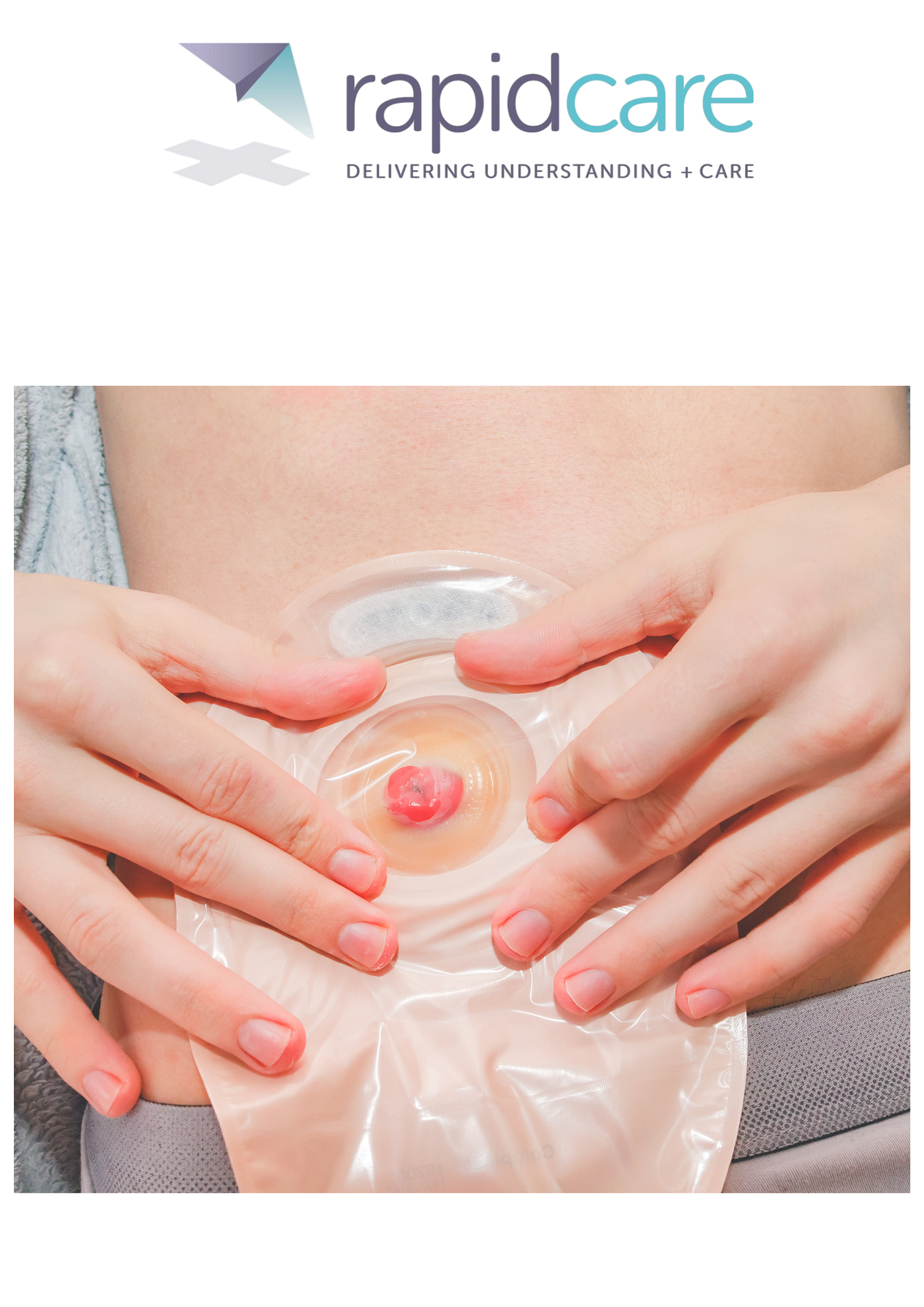
A stoma is a surgically created opening on the abdomen that connects to either the digestive or urinary system, allowing waste to exit the body. It appears as a small, pink, circular piece of tissue and is attached to the abdomen. The stoma itself is painless. Over the stoma, a pouch called a stoma bag is worn to collect waste. These bags are designed with adhesive backing to securely stick to the skin.
Why Might You Need a Stoma?
Certain conditions such as inflammatory bowel disease, colorectal or rectal cancer, ulcerative colitis, Crohn’s disease, or other bowel-related diseases may require an ostomy procedure (stoma creation). Stoma surgery can be needed at any age and does not affect life expectancy.
Types of Stomas:
- Colostomy: Created from the colon in the large intestine.
- Ileostomy: Formed from the ileum in the small intestine.
- Urostomy: Created in the small intestine to divert urine from the bladder.
How Is a Stoma Created?
During certain surgeries, such as cancer treatment, a surgeon may create a stoma to help the body remove waste. The surgeon makes an opening in the abdomen and brings a portion of the intestine or urinary tract to the surface, attaching it to the stoma. Stomas can vary in size, shape, and location. Your surgeon will choose the type of stoma based on your medical needs.
What Is a Stoma Bag?
The waste from the stoma is collected in a pouch made of soft, waterproof material, called a stoma bag. These bags have medical-grade adhesive that sticks to the skin around the stoma, securely collecting waste.
FAQs:
- How do you care for a stoma bag? Clean the stoma area with mild soap and water. Ensure the skin is dry before applying a new stoma bag. Change the bag about three times a day, or as recommended by your healthcare provider. Regularly monitor the stoma and surrounding skin to prevent infections.
- Can you lead a normal life with a stoma? Yes, you can lead a full, active life after a stoma. Once you’ve recovered, you can resume normal activities like work, travel, and exercise. With a proper diet and guidance from healthcare professionals, you can enjoy a healthy life.
- Can a stoma become blocked? Yes, stomas can become blocked. To prevent blockages, it’s important to follow a healthy diet and maintain proper cleaning around the stoma.
Takeaway:
A stoma can have a significant impact on a patient’s life and their loved ones. However, with regular care and a healthy lifestyle, you can return to your normal routine. Staying informed and following your healthcare provider’s advice will help you live confidently with a stoma.
For further support and services, visit RapidCare, a discreet medical appliance supplier offering free delivery in partnership with the NHS.
메타데이터
- post_id
- 38f59174c97e
- slug
- a-helpful-guide-for-patients-all-about-understanding-stomas-38f59174c97e
- url
- https://medium.com/@rapidcare/a-helpful-guide-for-patients-all-about-understanding-stomas-38f59174c97e
- canonical_url
- https://medium.com/@rapidcare/a-helpful-guide-for-patients-all-about-understanding-stomas-38f59174c97e
- author_url
- https://medium.com/@rapidcare
- status
- ok
- fetched_at
- 2026-07-22 12:50:13