I Used to Write for Readers. Now I Write for Reviewers.
Somewhere between academic writing and doctoral life, I forgot who I was writing for.
I Used to Write for Readers. Now I Write for Reviewers.
Somewhere between academic writing and doctoral life, I forgot who I was writing for.

A few years ago, writing felt simple. I would sit down with an idea, open a blank page, and start typing. There was no elaborate framework, no methodology section, no references to format, no reviewer waiting to point out weaknesses in my argument. Just a thought I wanted to share with others. Back then, my goal was straightforward: write something worth reading.
Today, most of my writing looks very different. As a PhD student, writing has become one of the central activities of my life. I write research papers. Conference submissions. Literature reviews. Research proposals. Responses to reviewers.
In many ways, I have become a much better writer than I was years ago. At least academically. And yet, when I recently decided to return to writing for the public, I discovered something unexpected. It felt strangely difficult.
When Writing Becomes a Professional Skill
Academic writing trains you to think carefully. Every claim requires evidence. Every argument must be justified. Every conclusion needs to withstand scrutiny. These are valuable skills. In fact, I believe they have made me a more disciplined thinker.
The problem is not academic writing itself. The problem is that after years of writing this way, I started carrying those habits into every form of writing. Even when they no longer belonged there. I found myself overexplaining simple ideas. Adding unnecessary caveats. Revising the same paragraph repeatedly. Worrying about whether every sentence was precise enough.
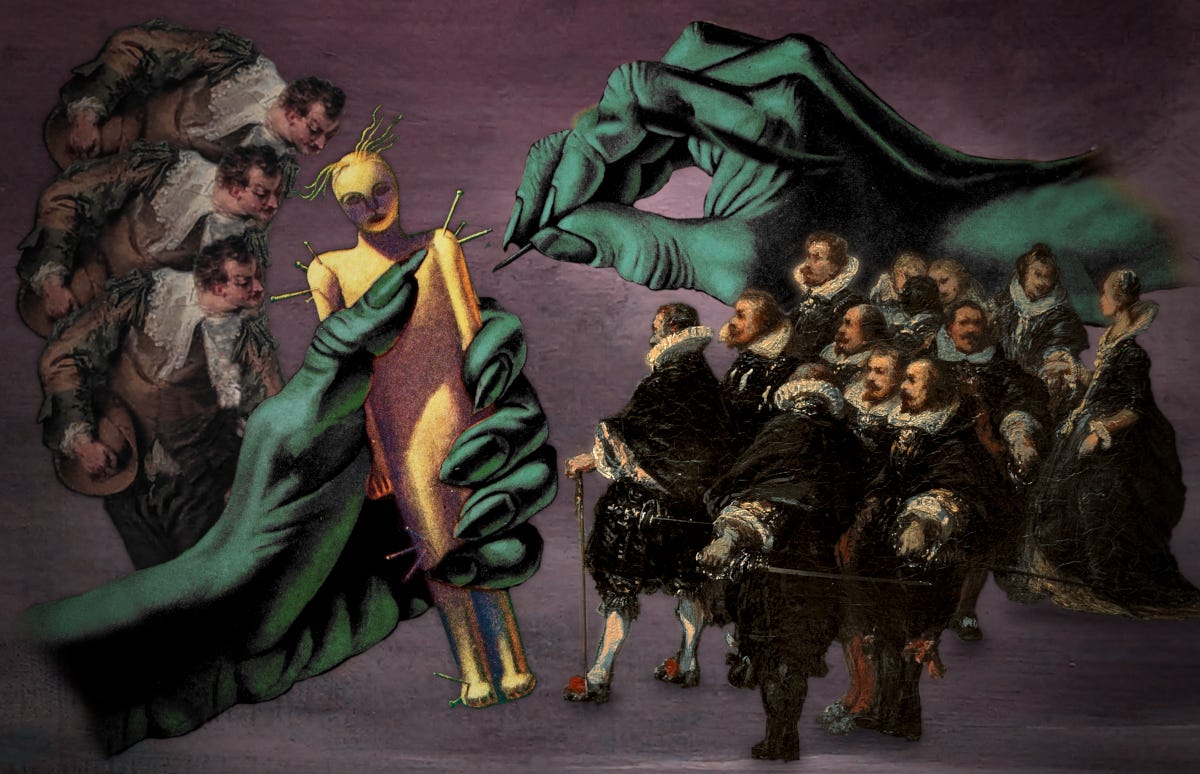
At some point, writing stopped feeling like a conversation. It started feeling like a defense.
The Difference Between Readers and Reviewers
The more I thought about it, the more I realized that readers and reviewers are looking for very different things.
Reviewers are trained to identify weaknesses. That is their job; they look for gaps in logic, missing references, methodological limitations, alternative interpretations. Readers, on the other hand, are not looking for flaws. They are looking for meaning. They want clarity. Connection. Perspective.
A reader rarely asks: “Have you adequately discussed the limitations of this argument?” A reader is more likely to ask, “Does this make sense to me?” Or perhaps, “Have I felt this way too?” Neither audience is wrong. They simply serve different purposes.
But after years in academia, I realized I had become so accustomed to writing defensively that I had forgotten how to write openly.
Why Storytelling Feels Uncomfortable in Academia
One thing I missed most while writing academically was storytelling. Not because stories are absent from research.
Every research project begins with a question. Every question begins with curiosity. And curiosity is often deeply human. Yet academic writing tends to remove the person behind the work.
The researcher disappears. The process becomes formalized. Personal experiences become irrelevant. Objectivity becomes the standard. Again, there are good reasons for this.
Research should not depend solely on personal opinions. But when you spend years writing in environments where your personal voice is minimized, it becomes surprisingly difficult to find that voice again.
I noticed this when I started writing on Medium. For the first time in years, I wasn’t asking, “Is this argument rigorous enough?” I was asking, “Does this sound like me?”
That question felt unfamiliar. And honestly, a little uncomfortable.
Rediscovering My Writing Voice
Recently, I found myself revisiting some of the articles I wrote years ago. Not because they were exceptional. Most of them weren’t. In fact, many of them would probably make me cringe today. But they had something that my academic writing often lacks: A voice.
I could immediately recognize the person behind the words; there was curiosity, personality, imperfection, a willingness to explore ideas without needing to prove everything.
Reading those pieces reminded me why I fell in love with writing in the first place. It wasn’t because I wanted to publish papers. It wasn’t because I wanted citations. It wasn’t because I wanted academic recognition. I simply enjoyed turning thoughts into stories.
Writing for Humans Again
Returning to public writing feels a bit like learning an old language I haven’t spoken in years. The vocabulary is still there, but the fluency is gone. I hesitate more. I overthink. I edit too much.
Sometimes I catch myself turning a simple reflection into something that sounds suspiciously like a journal article. Then I stop. I delete a few sentences, and try again. Because the goal is different now.
Not less serious.
Just different.
I am not writing to survive peer review. I am writing to connect, to reflect, to tell stories, to make sense of experiences that many people — inside and outside academia — might recognize. Perhaps that is what I missed most. Not writing itself, but writing for humans.
And maybe this journey back to public writing is not really about becoming a better writer. Maybe it is about becoming a more human one again.
메타데이터
- post_id
- 392bdc8c19e0
- slug
- i-used-to-write-for-readers-now-i-write-for-reviewers-392bdc8c19e0
- url
- https://medium.com/@taufikurniawan14/i-used-to-write-for-readers-now-i-write-for-reviewers-392bdc8c19e0
- canonical_url
- https://medium.com/@taufikurniawan14/i-used-to-write-for-readers-now-i-write-for-reviewers-392bdc8c19e0
- author_url
- https://medium.com/@taufikurniawan14
- status
- ok
- fetched_at
- 2026-07-14 20:25:41