You Already Have Something Worth Saying
For Twenty Years, I Thought My Language Barrier Was Keeping Me From Being Myself
You Already Have Something Worth Saying
For Twenty Years, I Thought My Language Barrier Was Keeping Me From Being Myself
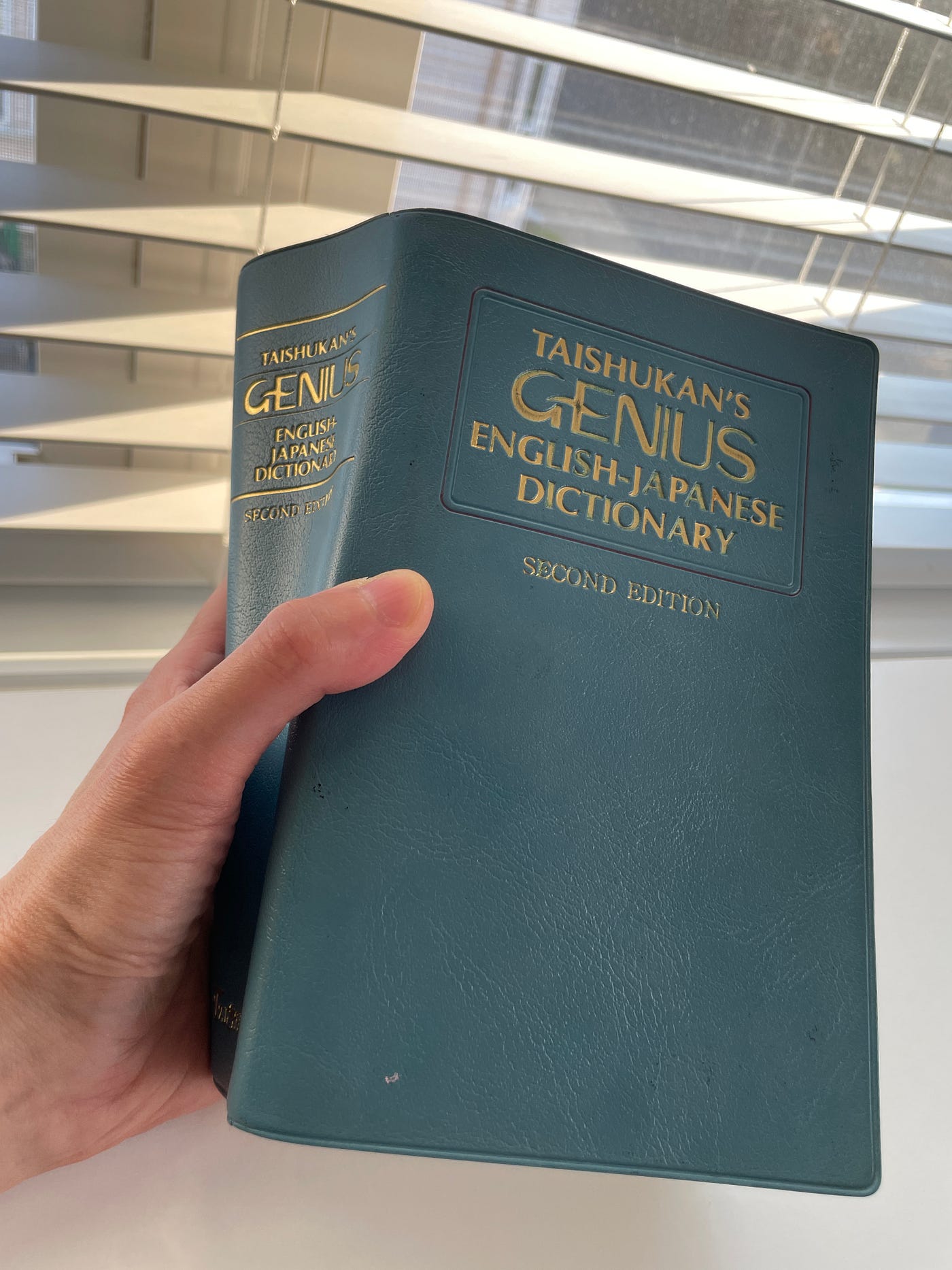
Photo by author
Before you read any further, I’d like to tell you something.
Yes, I get help from AI when I write. If that alone makes you think this story isn’t worth reading, I completely understand. Still, I’d like to tell you why.
The first time I heard the word ChatGPT was almost four years ago. My husband is a scientist, so he was introduced to it very early. One day, he told me, “This is amazing. It can answer almost anything.” I remember replying, “We already have Google. Why do we need something else?”
At first, I thought AI would be useful for scientists, programmers, and researchers — not for someone like me. I was completely wrong.
As AI became part of everyday life, I eventually asked it to help me edit an email. Within seconds, it rewrote my message beautifully. I stared at the screen and thought, Wow. This is incredible.
But what surprised me wasn’t that it wrote better English than I could. It was the feeling that something much larger had happened. For the first time in my life, the language barrier I had been fighting for more than twenty years suddenly felt much smaller.
English is not my first language.
I grew up in Japan and started studying English when I was twelve years old. Like many Japanese students, I learned English to pass exams — not to communicate. There were almost no opportunities to actually speak it.
When I came to the United States at twenty-four, I could barely have a conversation in English.
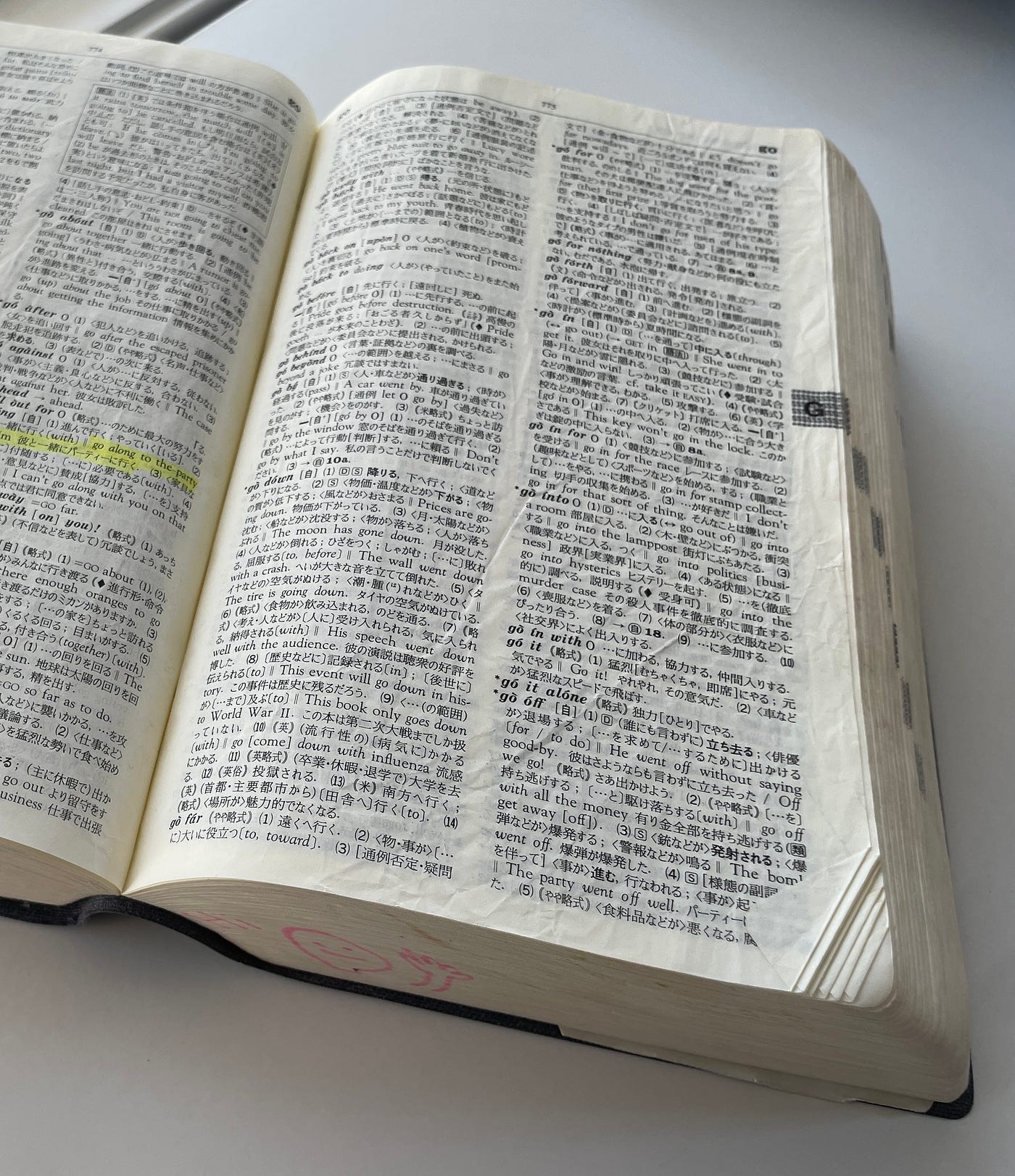
Photo by author
I studied hard for the TOEFL because I needed the score to enter graduate school. I carried around a thick English-Japanese dictionary everywhere I went. Once I was admitted, my priority became music. I wasn’t trying to become fluent in English; I was trying to become a better oboist.
It probably took another ten years before I finally felt comfortable communicating in English. I’m a slow learner.
Even today, writing in English requires enormous mental effort. But years ago, it was much harder.
Whenever I needed to write an important email, letter, or document, I almost always asked my native English-speaking friends to proofread it.
Does this sound natural?
Is this understandable?
Does this sound rude?
Those became my constant questions.
The words themselves weren’t the hardest part. It was the nuance.
Japanese depends heavily on nuance. We often choose different words depending on our relationship with the other person, the situation, and the level of politeness we want to express. Even the way we write is different — we traditionally write vertically instead of horizontally.
I could usually communicate what I wanted to say in English. What frustrated me was that I couldn’t communicate it the way I wanted to say it.
For years, I hesitated to write because I couldn’t bear the thought that my English would determine who people thought I was. I knew my ideas were richer than my vocabulary, but readers don’t see your thoughts. They only see your words.
Looking back, I made myself smaller because of that fear. I didn’t write. I didn’t share. I stayed quiet.
People would often encourage me by saying, “Don’t worry. We understand you.” I appreciated their encouragement.
But reality sometimes felt different.
There were moments when people avoided conversations because my English wasn’t easy to understand. Sometimes they asked me to write an email instead. Sometimes they simply gave up trying to understand me.
Those experiences slowly taught me to stay silent.
Then AI arrived.
For me, AI didn’t replace creativity. It removed a barrier.
It helped me express thoughts that had already been living inside me for years.
That’s why I sometimes feel conflicted when I see people proudly declaring that they never use AI for writing. I understand their concern. If AI replaces thinking, creativity, or honesty, I share that concern.
But that’s not how I use it.
I believe that whether we use AI as a tool or allow it to think for us is an individual choice.
As a musician, I think about it this way.
The other day, my husband asked Google Home to play some jazz. Soft, easy-listening music began to play. At first, I simply enjoyed it. But after a few minutes, I started to feel a subtle sense that something wasn’t quite right. Later, I learned that the music had been AI-generated.
The chords were there. The rhythm was there. Everything sounded technically correct. Yet it felt strangely empty, as though no one had truly lived that music. I couldn’t explain it immediately.
I feel the same way about writing.
I believe readers can sense the difference between writing that comes from lived experience and writing that simply arranges words beautifully. AI can imitate style, organize ideas, and polish language.
But beautiful language alone is not what makes writing meaningful.
What stays with us is the life behind the words.
It’s similar to computer-generated imagery in movies. We don’t criticize films simply because they use CGI. Almost every modern movie does. We criticize movies when the CGI is distracting or poorly done.
When it’s done well, we stop noticing the technology altogether and become absorbed in the story.
I believe AI should be the same.
Used carelessly, it can produce empty, lifeless writing. Used thoughtfully, it can help someone finally express what they have wanted to say for years. I believe each of us has to decide where that line is.
As for me, I know this much.
AI didn’t give me something worth saying.
It simply helped me say it.
Because in the end, beautiful sentences alone are rarely enough. What stays with us is the life behind them.
We are finally on social media.. Come say hi…
Subscribe and follow our official social handles on **Instagram | X | Facebook**.
Feel free to mention / tag us on these social platforms whenever you want to promote or collaborate on your content. We love watching you grow with this community.
This story published on “**Pen With Paper” — a fresh space where writers bring their thoughts, stories, and ideas to life. Want to share your voice? Join our community, and together, “We Elevate Your Stories”**
메타데이터
- post_id
- 39613176dd76
- slug
- you-already-have-something-worth-saying-39613176dd76
- url
- https://medium.com/pen-with-paper/you-already-have-something-worth-saying-39613176dd76
- canonical_url
- https://medium.com/pen-with-paper/you-already-have-something-worth-saying-39613176dd76
- author_url
- https://medium.com/@sachikomurata
- status
- ok
- fetched_at
- 2026-07-11 12:46:10