Beyond the Nameplate: The Subtle Psychology of Objects We Refuse to Throw Away
Every year, millions of dollars are spent on personalized gifts that will eventually end up in a donation bin or a dusty corner of a…
Beyond the Nameplate: The Subtle Psychology of Objects We Refuse to Throw Away
Every year, millions of dollars are spent on personalized gifts that will eventually end up in a donation bin or a dusty corner of a garage. It’s the standard lifecycle of the novelty item: a polite smile upon unwrapping, a brief period of display, and a quiet slide into obscurity.
But every so often, a specific object breaks this cycle. It becomes a daily fixture — the cup that gets carried to the porch at dawn, packed first for road trips, and washed immediately so it can be used again.
What separates temporary novelty from a permanent keepsake?
The answer lies at the intersection of material culture, design hierarchy, and a psychological phenomenon known as the Endowment Effect. By examining a specific, modern case study — the rugged, laser-engraved stainless steel “Bigfoot” camp cup — we can unpack exactly how certain objects anchor themselves into our daily routines.
[embed]
1. The Heavy Material Bias
Our brains are hardwired to equate physical weight and structural durability with emotional value. This is known in industrial design as material signaling.
For decades, the standard personalized gift was the ceramic photo mug or the sublimated plastic water bottle. While functional, these materials carry specific psychological baggage:
- Ceramic signals domestic vulnerability. It chips, the handles break, and the printed graphics slowly fade or peel in the dishwasher.
- Plastic signals temporary convenience. It is a material designed to be replaced.
When you transition that same utility to double-walled stainless steel, the psychological signal completely shifts. Stainless steel feels industrial, permanent, and unapologetic. It handles being dropped on gravel, tossed into the back of an overland rig, or left out in the rain.
Because the object is structurally built to survive, we subconsciously grant it permission to become part of our long-term history. The durability of the substrate justifies the emotional investment.
2. Folklore, Friction, and the “Pre-Vetted” Identity
True personalization isn’t just about spelling a recipient’s name correctly; it’s about acknowledging a piece of their identity.
The viral success of outdoors-themed iconography — specifically the enduring folklore of Bigfoot or Sasquatch — is a perfect example of design psychology leveraging a pre-vetted subculture.

5joe.com
When an object features a highly detailed landscape or a playful nod to wilderness folklore, it acts as a cultural handshake. It bridges a gap. It doesn’t say “Here is a cup with your name on it.” It says “I see your love for the outdoors, your sense of humor, and your appreciation for the rugged lifestyle.”
For example here is a big foot camping cup design that tells the story; the custom engraving simply provides the ownership.
3. Visual Depth vs. Digital Noise
In an era dominated by hyper-vibrant, glowing screens and transient digital media, humans are experiencing a quiet fatigue. We crave high-contrast, physical texture.
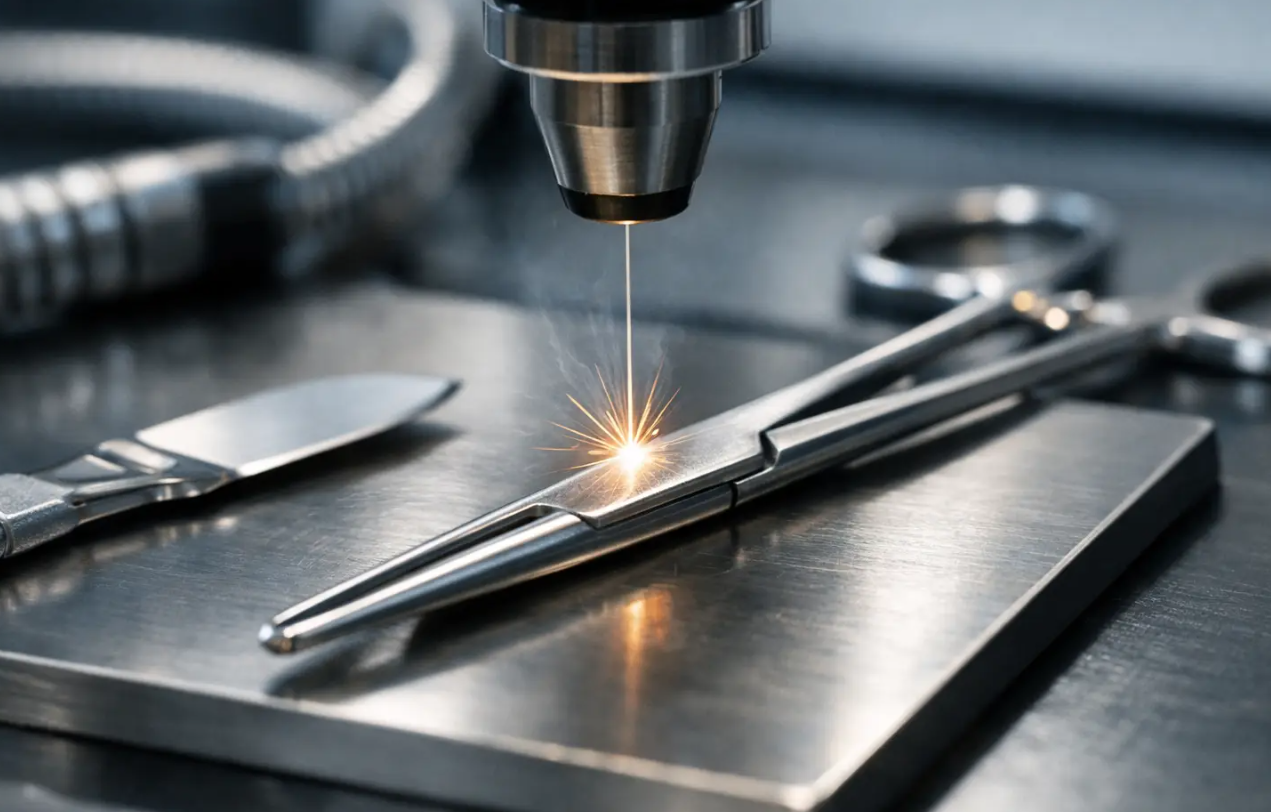
This is why precision laser engraving on raw metal has a distinct visual advantage over traditional surface printing:
- Printed ink sits on top of a material. It feels like a sticker — a separate entity that can be scraped away.
- Laser engraving marks or removes the material itself. It creates a micro-texture that catches the light and offers subtle tactile feedback when held.
When a design balances heavy, dark silhouettes (like dense pine forests or mountain ranges) with clean, un-engraved negative space for a name, the product ceases to look like a generic promotional item. It adopts the visual language of high-end, retail-ready illustration.
4. The Utility Anchor
An object cannot become a keepsake purely through sentimentality; it must earn its keep through utility.
The classic camp cup design succeeds because it doesn’t demand a specific environment. It is equally at home on a granite kitchen countertop, a cluttered workshop bench, or a folding camp table next to a fire pit. It brings a small piece of the “adventure aesthetic” into ordinary, mundane routines.
When a product is versatile enough to be used every day, the number of interactions a person has with it multiplies. With every morning coffee or evening campfire, the object collects associations, memories, and minor scuffs — becoming a physical record of the owner’s time.
The Takeaway for Designers and Makers
The lesson for creators isn’t just about selling more drinkware. It’s a blueprint for thoughtful product design across any medium:
Stop designing for the moment of the exchange, and start designing for the fifth year of ownership.
When you pair an indestructible material with an authentic cultural anchor, and finish it with crisp, permanent craftsmanship, you aren’t just manufacturing merchandise. You are creating a tool for daily living that someone will actively refuse to throw away.
메타데이터
- post_id
- 397eeadcaabd
- slug
- beyond-the-nameplate-the-subtle-psychology-of-objects-we-refuse-to-throw-away-397eeadcaabd
- url
- https://medium.com/@3655phillips/beyond-the-nameplate-the-subtle-psychology-of-objects-we-refuse-to-throw-away-397eeadcaabd
- canonical_url
- https://medium.com/@3655phillips/beyond-the-nameplate-the-subtle-psychology-of-objects-we-refuse-to-throw-away-397eeadcaabd
- author_url
- https://medium.com/@3655phillips
- status
- ok
- fetched_at
- 2026-06-20 20:29:01