Hope Meanders Like a Creek
Strawberry Creek runs through Berkeley. Her music is constant and comforting, yet often overlooked. To deepen my own connection with the…
Hope Meanders Like a Creek
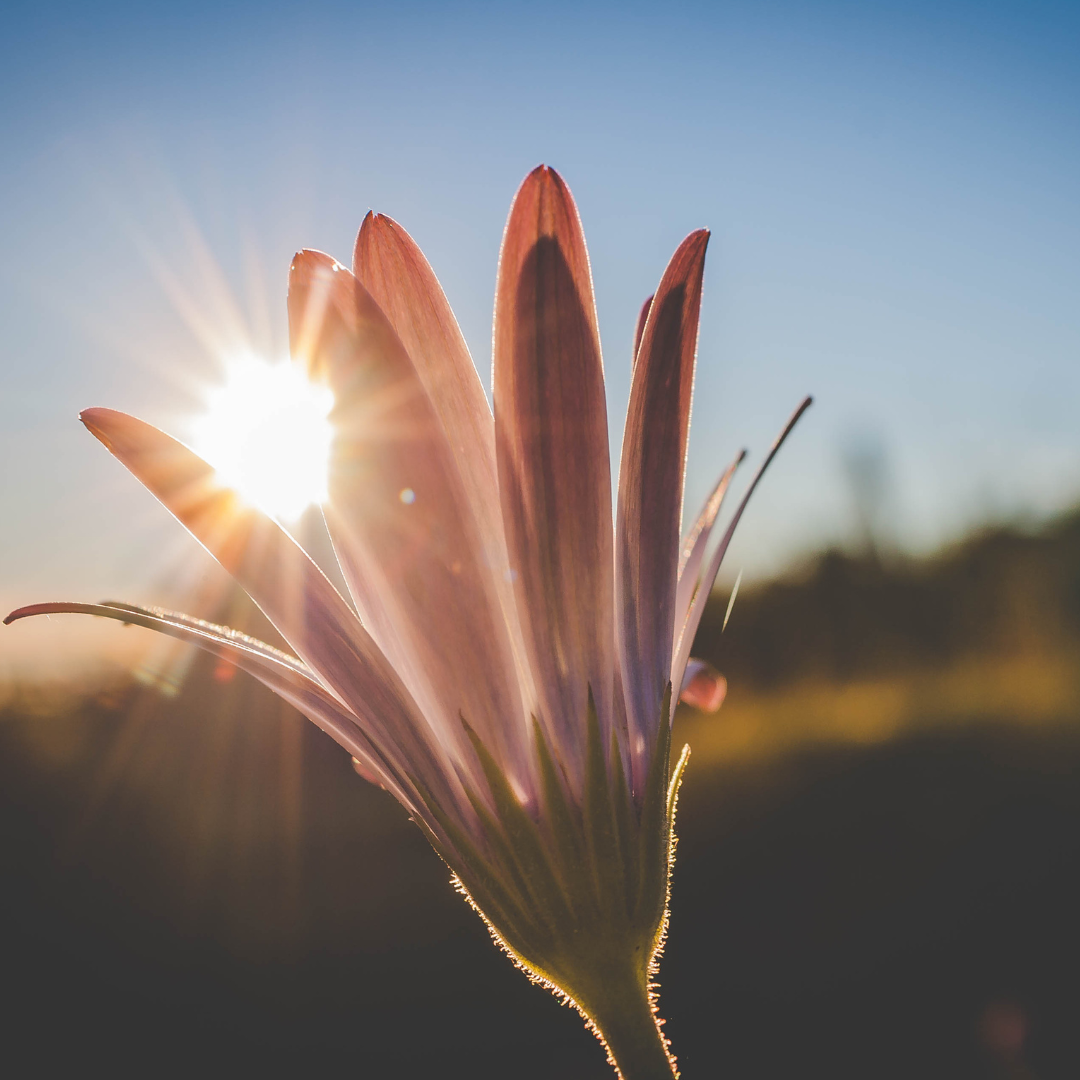
Strawberry Creek runs through Berkeley. Her music is constant and comforting, yet often overlooked. To deepen my own connection with the creek, I decided to spend some time in silence with her, setting up my hammock on two redwood trees near a secluded part of Strawberry Creek in the Southside of campus. Though it’s my final year at Cal, this was the first time I intentionally carved out a date to sit with this enduring protector of the land. I have passed by this creek countless times, but knowing the creek means pausing in the present, not rushing past.
At first, the cold, gritty smell of nearby construction overwhelmed my senses with the pungent concrete, paints, and solvents. But as I grew more comfortable in the stillness and settled into my surroundings, nature’s scent became stronger. Suddenly, the smell of musty sawdust and chemicals at the construction site are overpowered by another scent: one of earthy and crisp redwoods, wet and mossy soil, and sweet, mineral-like aroma of running water on rocks.
Initially, my ears were bombarded by the grating cacophony of construction — the sawing, hammering, and pounding. But slowly, the sounds of the omnipresent creek rose. The creek travels subtly — quietly but not silently. She maneuvers along rocks and obstacles with a constant elegance. As I let the music of the creek envelop my senses, my world expanded. I began to notice how I was surrounded by the rustling of squirrels in the trees, the calls of crows in the distance, and the gentle swaying of trees as they danced in the wind. I was surprised by how much more I could hear in the silence. The more I focused on the creek, the man-made noises seemed to quiet down, allowing nature to take center stage.
As I looked around, I realized how much I had missed. There was a blanket of English ivy covering the ground — an invasive species that has become deep-rooted and overtaken the native plants, which is symbolic of the colonial history of Berkeley as well. Among the ivy, I find litter — the candy wrappers, cigarette butts, and bright orange flags marking the construction sites; these reminders of our destructive impact feel out of place in this peaceful setting, mirroring the larger invasion of non-native species on this land, both people and plants.
I start to focus on the tiny creatures: the spiders scurrying across the soil and gnats buzzing past me. I saw the squirrels joyfully chasing each other, leaping across trees. A sparrow ran across the ground, forgetting about her wings. Right in front of me, I watched a hummingbird flutter urgently in stillness, as if she has all the time in the world. And, she does. I grew to realize that nature has her own timeline that is unaffected by the hustle consuming our human lives.
I sat by the creek for just over half an hour, but I remember it more vividly than the rest of that day. A place that I pass by without thought on a daily basis transformed into a sacred wonder. Time meanders here just like the creek — slow yet flowing steadily, regardless of my awareness. But in moments of presence, I feel like I can control how I experience time. When I am more present and intentional, time slows down. Life becomes visible when I stop to notice it. I was more connected to my surroundings. When we bleed into nature, nature will also bleed into us. There are oak leaves on my backpack now and pollen on my phone, and I do not brush it off. I let it become a part of me, as it always has been.
As I reflected on the long history of Strawberry Creek, this moment took on a deeper meaning. Though I take it for granted, this beauty did not come without struggle, and what I now consider to be the infinite streams of Strawberry Creek was once suppressed. Strawberry Creek, a sacred water body of the Ohlone people, was buried in culverts by settlers after they polluted it. For decades, it flowed, unseen and unheard, beneath the surface — the creek’s music silenced by settlers. Thankfully, this changed in the ’80s after activists fought for the creek’s revival. I wonder how those activists kept hope alive when, at one point, it seemed impossible to unearth this creek again. Even when it was hidden, the creek persisted and still flowed underground, regardless of who heard her music, knowing some day she will be rediscovered.
Sitting with the creek taught me to focus on what truly matters. At first, it was easy for me to be distracted by the pollution and construction, just as it is easy for me to be distracted by the constant negativity about the environmental crises. It is easy for me to lose hope, so honestly, my work in environmentalism is mostly fueled by anger — anger at the inhumane corporations and colonizers, the continuous destruction of ecosystems, the lack of empathy. But when I am stuck in this anger, I sometimes lose sight of what I am trying to protect. In the sacred presence of nature, I remember why this is all worth fighting for. Anger may fuel action, but hope sustains it. When you truly get to know nature and people intimately, there is no option but to keep fighting and to imagine a different world where this beauty is core. Love is what sustains hope and drives meaningful change, yet in my anger at oil executives and billionaires, I began to center them, rather than my love for nature and my community.
This wakeup call made me reflect on Sylvia Wynter’s discussion on the Western Man, where she notes how the notion of humanity revolves around the perspective of the Western Man. It separates us from the natural world. I realized in order to do my part in dismantling this framework for my own life, I have to actively remember the interconnectedness of nature and our coexistence. I cannot succumb to just rushing by nature without taking a moment to respect it.
In a class, my professor shared the story about elders she knew in Louisiana who were actively archiving and imagining a different world, despite the devastation surrounding their community. Thinking of this story in relation to my own epiphany about anger limiting my hope reminded me how being grounded in a community means you refuse to accept defeat. You have no option but to hope; hope is all you have. You have to keep flowing, whether or not there is anyone with you to listen to your music. If Strawberry Creek has been revived, who is to say that communities that have been devastated will not be.
This sentiment also brought to mind a conversation I had with my aunt, who is a tea farmer in India. Our community has been ravaged by the colonial tea industry, neoliberal development, and now climate change. Most of my family, including my mother, have left that life behind, but my aunt still remains, encouraging my cousin to continue this legacy. I used to wonder how she could possibly hold on to hope when it seemed futile. But, I now understand. When you are connected with the land directly and intimately, giving up is not an option. You know how beautiful the land can be, so you fight because you love it. And you hope because that love leaves you no other choice.
Words by Shreya Chaudhuri, RCC National Environment Leadership Fellow
메타데이터
- post_id
- 39ccdc613c2f
- slug
- hope-meanders-like-a-creek-39ccdc613c2f
- url
- https://medium.com/@rachelcarsoncouncil/hope-meanders-like-a-creek-39ccdc613c2f
- canonical_url
- https://medium.com/@rachelcarsoncouncil/hope-meanders-like-a-creek-39ccdc613c2f
- author_url
- https://medium.com/@rachelcarsoncouncil
- status
- ok
- fetched_at
- 2026-07-19 11:30:02