The Cost of Later
Decisions Writers Leave Too Late
The Cost of Later
Decisions Writers Leave Too Late
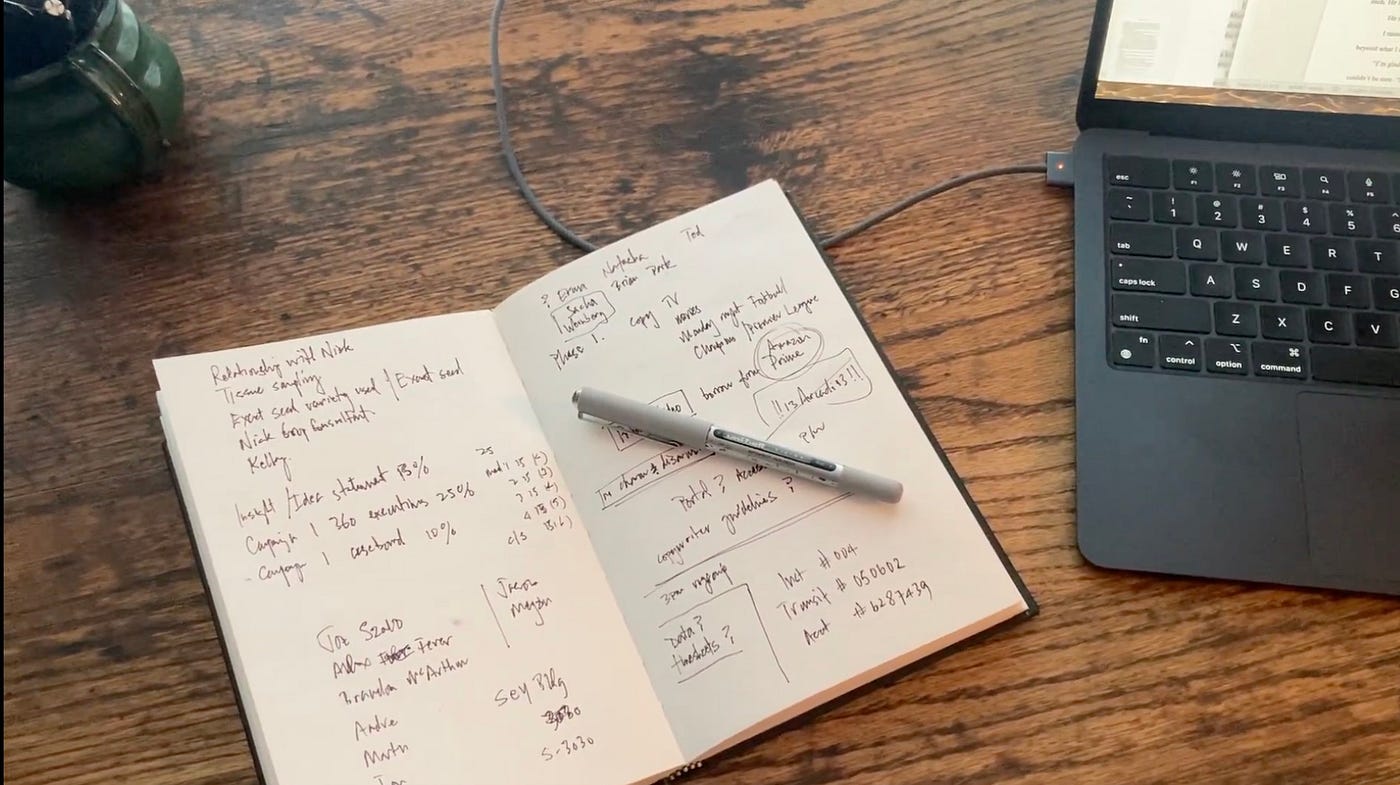
Photograph of the author’s writing desk
Writing a book, we’re tempted to leave some decisions to later: the title, the opening chapter, the cover. The blurb. The fact that you still aren’t entirely sure who the book is for. It sounds sensible. Sometimes it is. But I’ve discovered that some decisions become astonishingly expensive the longer you postpone them.
For years I assumed a lot these decisions came afterwards. Unfortunately, books don’t work that way.
Many of the decisions that later determine how a book is understood are made while you’re writing it, sometimes before you’ve even finished Chapter One. That doesn’t mean writing to market or replacing creativity with spreadsheets. It simply means some decisions are inexpensive to make early and painfully expensive to change later.
Every Book Makes a Promise
One of the first decisions you make isn’t really about plot. It’s about promise. Before anyone buys your book they’re asking one silent question: Is this for me?
That’s why I become slightly nervous whenever writers say, “I don’t think about readers while I’m writing.” Stories make promises whether we intend them to or not. Every decision helps one reader think, This is exactly my sort of book, while encouraging another to keep browsing.
It isn’t marketing. It’s communication.
Cheap Today, Expensive Tomorrow
Thirty years in advertising taught me that the earlier you solve the right problem, the cheaper everything becomes afterwards. Novels are no different. Every chapter rests on assumptions made earlier.
Point of view is a good example. Changing from first person to third person after ten pages is an inconvenience. Changing after ninety thousand words is a personality test.
The same applies to tone, genre, setting and even your protagonist. You may discover halfway through that you’ve been telling the story through the wrong character. You may even be right. The difficulty is that every chapter you’ve already written has become remarkably attached to the decision you made months earlier.
Poor Future James
My younger self had enormous faith in Future James. Whenever I couldn’t decide something, Present James had a wonderfully reassuring phrase: “I’ll fix that later.” Future James would sort out the title. Future James would decide whether it should be a series. Future James would somehow explain a story whose central promise Present James had never entirely clarified.
In retrospect, Future James deserved better colleagues. Every postponed decision accumulates interest. The title has to fit a finished manuscript. The blurb has to explain a novel that never fully decided what it wanted to be. The cover has to communicate a promise you never consciously articulated while writing.
None of that’s impossible, just more expensive than it needs to be.
Readers Only See the Finished Book
Readers never see the process. They don’t know Chapter Three used to be Chapter Eight or that you rewrote the ending four times. They only see what survived.
That matters because readers can’t judge the book you meant to write. They can only judge the one they’re holding.
If the title promises one experience and the opening delivers another, they don’t know there was a reason. They simply experience the gap.
There’s another complication. The longer you live with a manuscript, the harder it becomes to separate what’s genuinely serving the story from what simply feels familiar. I’ve defended scenes with enormous conviction, only to delete them weeks later and wonder what all the fuss had been about. Apparently I wasn’t protecting great writing. I was protecting the memory of having written it.
Thinking Ahead Isn’t Writing to Market
Whenever this subject comes up, somebody quite reasonably says, “Shouldn’t we just write the book we want to write?” Yes, absolutely.
Thinking ahead isn’t about chasing trends. It’s about understanding your own book. Do you know what promise it’s making? Can you explain it in a sentence? Do you know why one particular reader would choose it over the hundreds of alternatives?
Those aren’t marketing questions. They’re clarity questions.
Once you know the experience you’re trying to create, almost every other decision becomes easier. Scenes either strengthen that promise or they don’t. Characters either reinforce it or distract from it.
Looking back, I don’t think I made many terrible decisions while writing my first novels. Most of them were perfectly reasonable. The problem was timing. I assumed every decision would be just as easy six months later as it was the day I first thought of it. Instead, every chapter narrowed the options until changing course meant dismantling work I’d already become rather fond of.
These days, whenever I catch myself saying, “I’ll fix that later,” Future James replies, “No, you won’t. I will.” Experience has taught me that he’s usually right.
For more reflections on how to write a novel, and the self-publishing journey behind my ongoing series: The Andrew MacKay thrillers, visit my website. Listen to my mini podcast or visit my YouTube channel.
If you found this essay useful, here are two other pieces you might like:
-
The Publishing Mistake That Cost Me the Most
-
Rookie writing Mistakes I Made So You Don’t Have To
메타데이터
- post_id
- 39db2d31eddc
- slug
- the-cost-of-later-39db2d31eddc
- url
- https://medium.com/@jsdunlop/the-cost-of-later-39db2d31eddc
- canonical_url
- https://medium.com/@jsdunlop/the-cost-of-later-39db2d31eddc
- author_url
- https://medium.com/@jsdunlop
- status
- ok
- fetched_at
- 2026-07-19 00:45:20