Basement Mold Prevention: How to Reduce Moisture Problems Before They Spread
Basements are one of the first places homeowners should check when they are trying to prevent mold. Because basements sit below ground…
Basement Mold Prevention: How to Reduce Moisture Problems Before They Spread
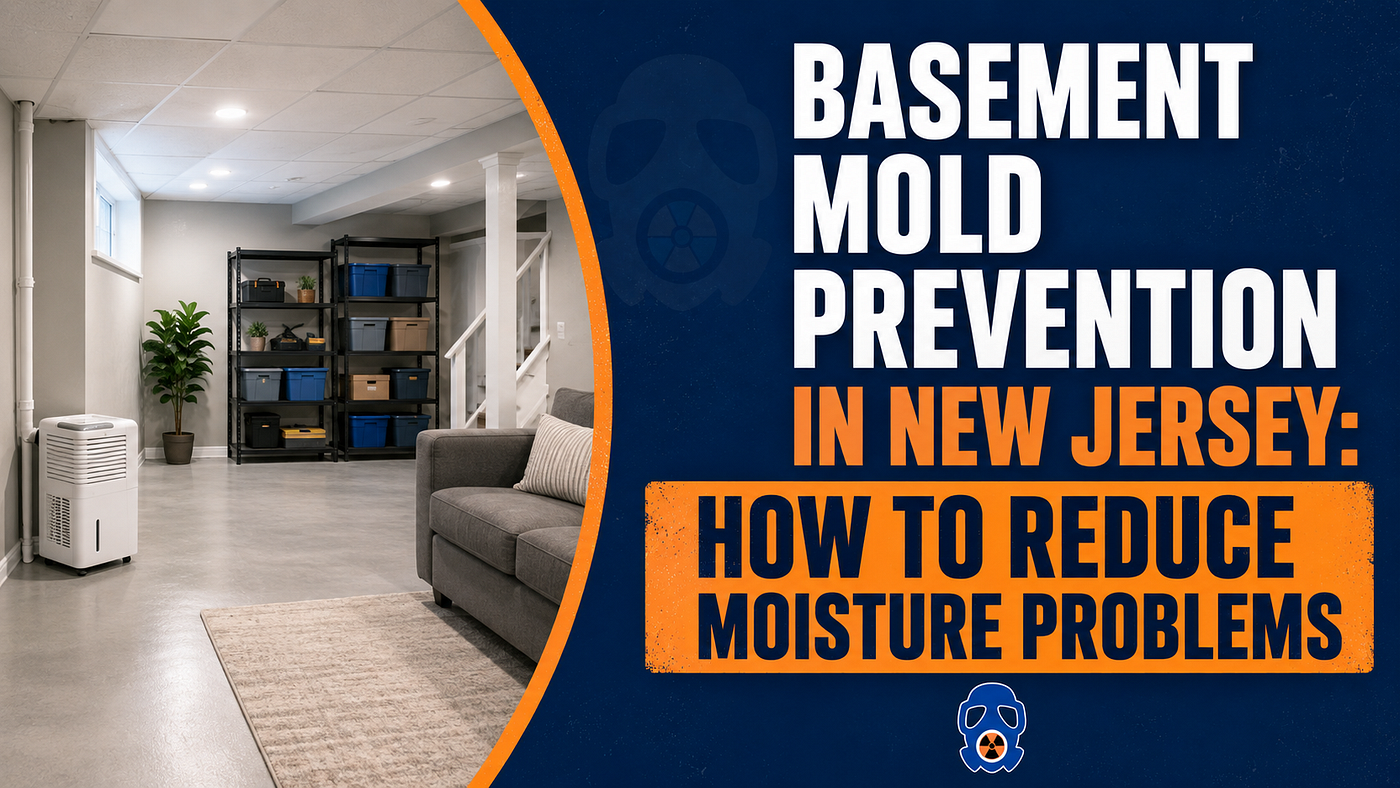
Basements are one of the first places homeowners should check when they are trying to prevent mold. Because basements sit below ground level, they are naturally more vulnerable to moisture, humidity, seepage, and poor airflow.
For New Jersey homeowners, this can become a bigger concern during heavy rain, snow melt, humid weather, or after sump pump problems.
This article is based on Mold Men NJ’s original guide to basement mold prevention in New Jersey: https://moldmennj.com/basement-mold-prevention-new-jersey/
Why Basements Are So Prone to Mold
Mold needs moisture to grow. Since basements are often cooler, darker, and less ventilated than other parts of a home, moisture can linger longer than homeowners realize.
A basement may look mostly dry on the surface, but moisture can still be present behind finished walls, under flooring, around stored belongings, or near the foundation.
Some of the most common basement mold triggers include high humidity, foundation seepage, plumbing leaks, condensation on pipes, sump pump failure, poor ventilation, and wet storage items.
The key is not just cleaning mold after it appears. The better approach is preventing the moisture conditions that allow mold to grow in the first place.
Start With Humidity Control
Humidity is one of the biggest causes of basement mold. Even when there is no visible leak or standing water, damp air can still create mold-friendly conditions.
A dehumidifier can help reduce moisture in the air, especially during humid months. This is especially important in finished basements, storage areas, laundry areas, and basement rooms with limited airflow.
Homeowners should also pay attention to how the basement feels and smells. If the space feels damp or smells musty, humidity may be too high.
Fix Leaks Quickly
Small leaks can create large mold problems over time.
A slow pipe leak, water heater drip, laundry appliance leak, window leak, or foundation seepage issue may not seem urgent at first. But if nearby materials stay damp, mold can begin growing behind walls, under flooring, or around stored items.
That is why any basement leak should be handled quickly. Even if the leak looks minor, the hidden moisture may be more serious than what is visible.
Improve Basement Airflow
Basements often have stale air because they are closed off from the rest of the home. Poor airflow can make it harder for damp materials to dry.
Improving airflow can help reduce moisture buildup. This may include using fans, opening doors when possible, improving HVAC circulation, or making ventilation upgrades when needed.
Airflow alone will not fix an active leak, but it can help reduce dampness when used with other moisture-control steps.
Keep Water Away From the Foundation
Basement mold prevention does not only happen inside the basement. What happens outside the home matters too.
Gutters and downspouts should move water away from the foundation. If gutters overflow or downspouts empty too close to the home, water pressure around basement walls can increase.
The grading around the home also matters. Soil should slope away from the structure so rainwater does not flow toward the foundation.
These simple exterior checks can help reduce basement seepage and moisture problems.
Maintain the Sump Pump
Many New Jersey homes rely on sump pumps to manage basement water. If the sump pump fails during heavy rain, water can enter quickly.
Homeowners should test the sump pump regularly, especially before storm seasons. If the property has a history of water problems, backup power may also be worth considering.
A working sump pump can be one of the most important defenses against basement flooding.
Be Careful With Basement Storage
Basements are often used for storage, but some storage materials can make mold problems worse.
Cardboard boxes, clothing, paper goods, books, rugs, and fabrics can hold moisture. If these items stay damp, they may support mold growth.
Plastic storage bins are often a better choice for basement storage. It is also smart to keep items slightly away from walls and off the floor when possible.
Watch Finished Basements Closely
Finished basements can hide moisture problems. Drywall, trim, flooring, insulation, and built-in storage may cover areas where dampness is present.
Homeowners should watch for musty odors, peeling paint, staining, soft materials, warped flooring, or visible spotting on surfaces.
These signs may suggest that moisture is trapped behind finished materials.
Warning Signs Basement Mold May Be Starting
Basement mold does not always appear as obvious black or green spots right away. Sometimes the first signs are subtle.
Common warning signs include musty odors, damp walls or floors, condensation on windows or pipes, water stains, peeling paint, warped flooring, visible spotting, and allergy-like discomfort indoors.
If these signs appear, it is better to investigate early before the problem spreads.
Can a Basement Look Dry and Still Have Mold?
Yes. A basement can appear dry while hidden moisture remains behind walls, under flooring, or inside stored materials.
That is why smell, humidity, and subtle warning signs matter. A musty odor can be an early clue that moisture is still present somewhere.
Homeowners should be especially careful after heavy rain, flooding, plumbing leaks, or sump pump issues.
What to Do After Basement Flooding
If water enters the basement, act quickly.
Standing water should be removed as soon as it is safe to do so. Wet materials should be dried with fans, dehumidifiers, and ventilation. Homeowners should also check hidden areas because water may reach finished walls, flooring systems, baseboards, and storage items.
Flooding can create mold risk if moisture remains trapped. Even after the visible water is gone, damp materials may still need attention.
When Professional Help Makes Sense
Professional help may be smart when musty odors continue, water keeps returning, mold is visible, walls feel soft, flooring warps, flooding was significant, or hidden moisture is suspected.
A professional moisture evaluation can help identify water entry points, hidden damp materials, ventilation issues, foundation concerns, and areas at risk for mold growth.
For homeowners dealing with recurring basement moisture, this can help prevent the same problem from coming back again.
Final Thoughts
Basement mold prevention starts with moisture control. The goal is to reduce humidity, stop leaks early, keep water away from the foundation, maintain the sump pump, improve airflow, and pay attention to warning signs.
A dry-looking basement is not always a moisture-free basement. Musty odors, water stains, damp materials, and recurring humidity should not be ignored.
Mold Men NJ helps New Jersey homeowners and property owners identify basement moisture issues, address mold concerns, and restore safer indoor environments.
Read the full original guide here: https://moldmennj.com/basement-mold-prevention-new-jersey/
메타데이터
- post_id
- 3a1a9c22a084
- slug
- basement-mold-prevention-how-to-reduce-moisture-problems-before-they-spread-3a1a9c22a084
- url
- https://medium.com/@moldmennjweb/basement-mold-prevention-how-to-reduce-moisture-problems-before-they-spread-3a1a9c22a084
- canonical_url
- https://medium.com/@moldmennjweb/basement-mold-prevention-how-to-reduce-moisture-problems-before-they-spread-3a1a9c22a084
- author_url
- https://medium.com/@moldmennjweb
- status
- ok
- fetched_at
- 2026-07-25 23:01:09