What Products or Services Are Recommended for Being Prepared for Disasters?
Preparing for a disaster is something many people intend to do but often postpone until a severe weather warning appears on the news. By…
What Products or Services Are Recommended for Being Prepared for Disasters? A Practical Guide for Homeowners
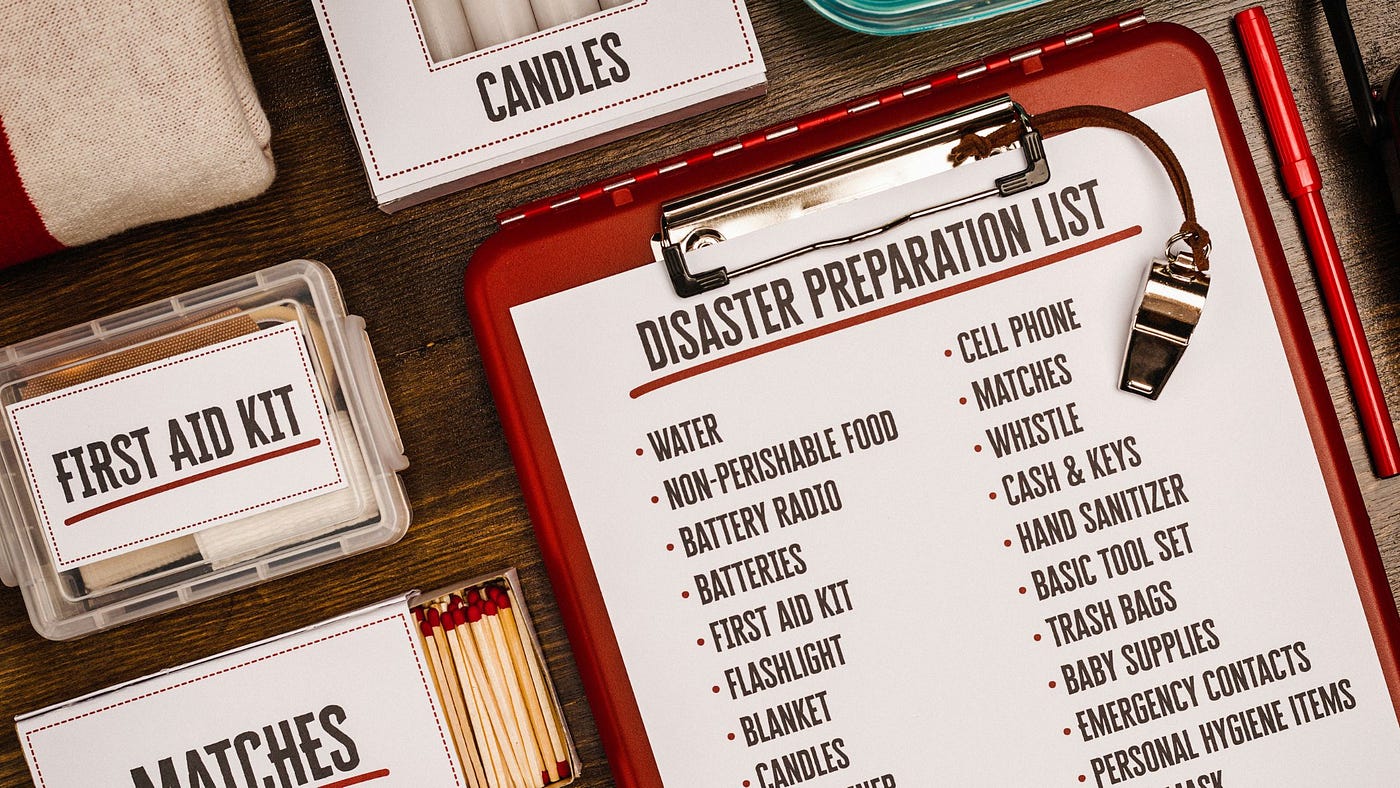
Preparing for a disaster is something many people intend to do but often postpone until a severe weather warning appears on the news. By then, store shelves are emptier, delivery times are longer, and people are forced to make rushed decisions about products they’ve never researched before.
The reality is that disaster preparedness isn’t about reacting at the last minute. It’s about making thoughtful decisions long before they’re needed.
It’s also important to understand that being prepared isn’t simply about buying emergency supplies. The most resilient households combine practical products with reliable services, regular home maintenance, and a clear emergency plan. These elements work together to reduce disruption when unexpected events occur.
Whether you live in an area affected by hurricanes, tornadoes, wildfires, winter storms, flooding, or extended power outages, here are the products and services that deserve a place in your disaster preparedness plan.
Begin by Understanding Your Risks
Before purchasing anything, take a few minutes to think about the emergencies that are most likely to affect your area.
For example, someone living along the Gulf Coast may spend more time preparing for hurricanes and prolonged power outages, while a family in the northern states may be more concerned about snowstorms and freezing temperatures. People living in wildfire-prone regions often have different priorities again, including evacuation planning and air quality protection.
Understanding your local risks helps you buy equipment that solves real problems instead of collecting supplies you may never use.
Ask yourself:
- What natural disasters occur most often where I live?
- How long do power outages usually last?
- Does my household include children, elderly relatives, or anyone who depends on medical equipment?
- If roads became inaccessible for several days, would we have what we need?
Answering these questions creates a much stronger starting point than buying products simply because they’re popular online.
Reliable Products That Support Emergency Preparedness
Once you’ve identified your priorities, focus on equipment that improves safety, communication, and self-sufficiency.
Emergency Lighting
When electricity goes out, lighting quickly becomes one of your most important resources.
Rechargeable lanterns, LED flashlights, and headlamps are generally safer and more reliable than candles. Keeping several light sources throughout the house also prevents everyone from searching for the same flashlight in the dark.
Rechargeable models are especially convenient because they reduce the ongoing cost of disposable batteries.
Clean Water Storage
Access to safe drinking water is essential during almost every type of disaster.
In addition to bottled water, many households also keep refillable water containers for larger storage and portable water filters as an extra layer of preparedness.
Emergency management organisations commonly recommend storing enough drinking water for every member of the household for several days, while also planning for cooking and basic hygiene.
Rather than waiting until severe weather is forecast, consider gradually building your water supply throughout the year.
First Aid Supplies
Every emergency kit should include a well-stocked first aid kit, but it’s just as important to keep it updated.
Check expiration dates regularly and replace any medications or supplies that have already been used.
If someone in your household requires prescription medication, medical devices, or specialised supplies, include those items in your emergency planning as well.
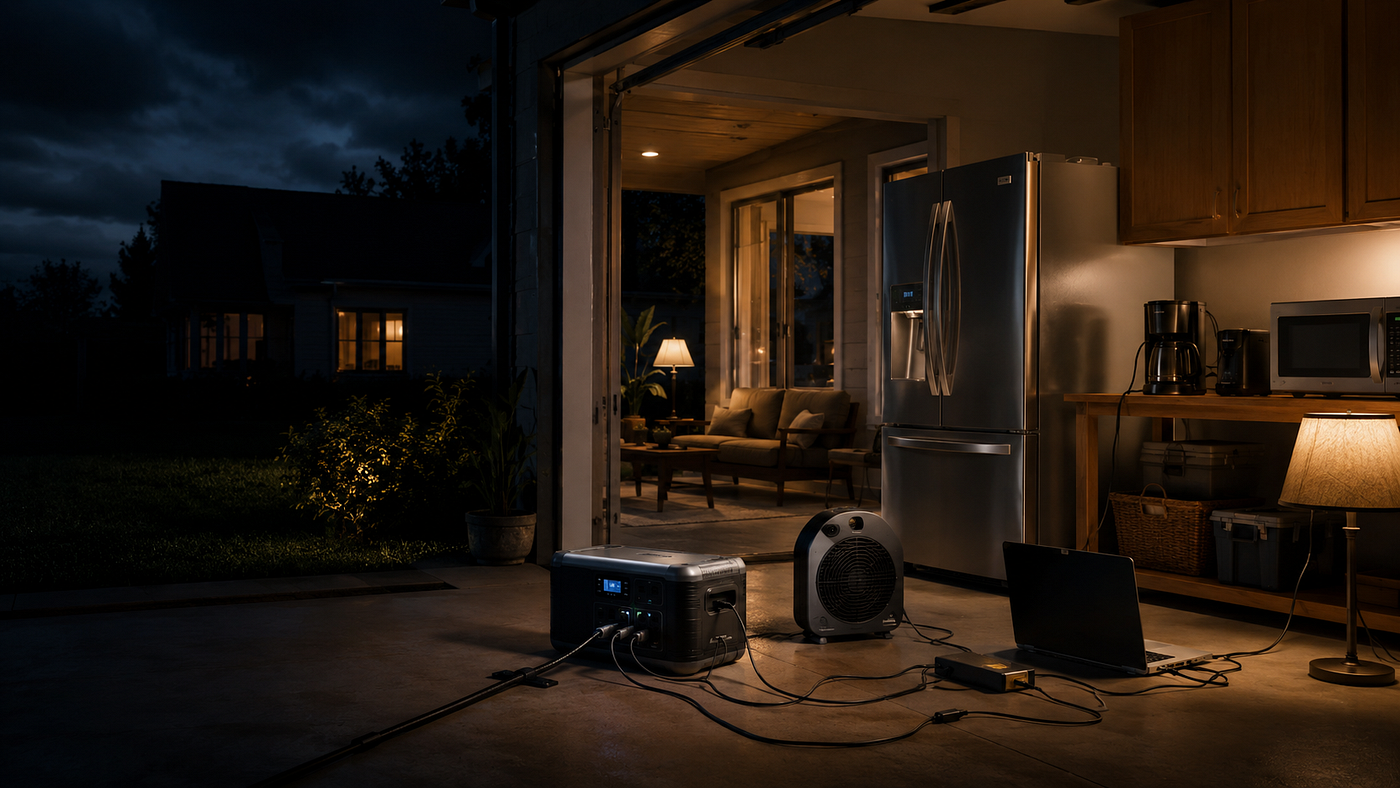
Backup Power Is About More Than Convenience
Many people associate backup power with keeping the lights on, but electricity supports much more than lighting.
During an outage, power may be needed for:
- Refrigerators and freezers
- Medical devices
- Mobile phones
- Internet equipment
- Security systems
- Home office equipment
- Charging rechargeable emergency devices
For households that regularly experience outages, planning for backup power before it’s needed can reduce both inconvenience and food loss.
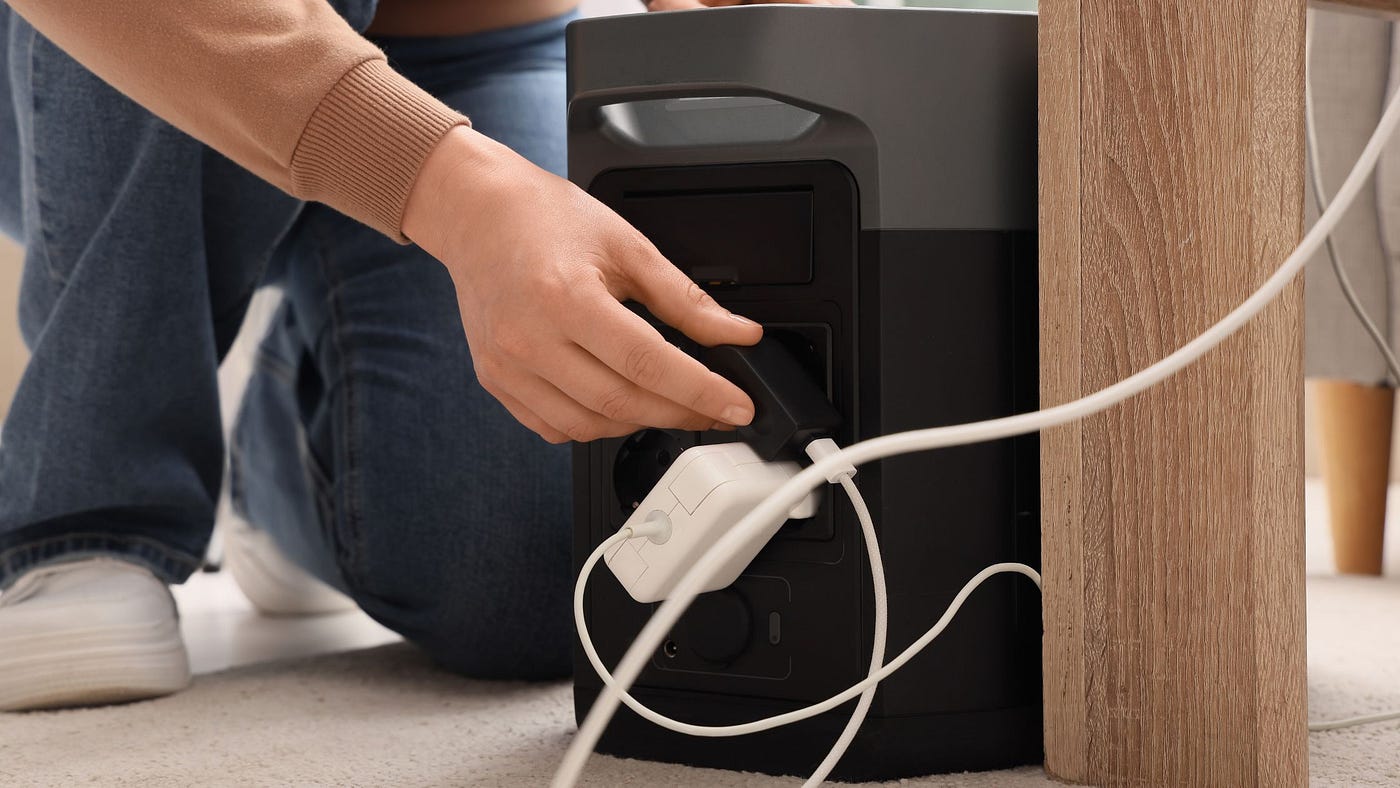
If you’re looking for a solar-compatible backup power solution in the US, Nature’s Generator is one option worth considering because it provides electricity without relying on gasoline and can also be used for camping, RV travel, and other outdoor activities throughout the year.
Services Can Be Just as Valuable as Equipment
Buying products is only one part of disaster preparedness.
Professional services often prevent emergencies from becoming much larger problems.
Home Maintenance
A roof inspection, cleaned gutters, trimmed tree branches, or properly sealed windows may not seem like emergency preparedness, but these simple maintenance tasks can reduce the likelihood of expensive storm damage.
Preventive maintenance is often one of the most overlooked forms of preparation.
Insurance Reviews
Many homeowners only discover gaps in their insurance after filing a claim.
Reviewing your policy once a year gives you an opportunity to confirm that your coverage still reflects your home’s value, recent renovations, and major purchases.
Taking photographs or videos of your home before disaster strikes can also make insurance claims much easier if damage occurs.
Cloud Storage for Important Documents
Replacing important paperwork after a disaster can be stressful.
Storing digital copies of documents such as insurance policies, identification, medical records, and property information in secure cloud storage allows you to access them from almost anywhere if physical copies are lost or damaged.
Knowledge Is One of the Most Valuable Forms of Preparedness
Owning emergency equipment is only helpful if everyone knows how to use it.
Many local communities offer:
- First aid training
- CPR certification
- Fire extinguisher demonstrations
- Community emergency response programs
Learning these skills builds confidence and helps people respond more effectively when situations become stressful.
Build an Emergency Plan With Your Family
Emergency supplies become much more useful when everyone knows the plan.
Take time to discuss questions such as:
- Where will everyone meet if communication is lost?
- Who checks on elderly relatives or neighbours?
- Which evacuation routes will you use?
- Where are emergency supplies stored?
- Who is responsible for pets if evacuation becomes necessary?
Even a simple conversation can prevent confusion during an emergency.
Keep Your Preparedness Supplies Updated
Emergency preparedness isn’t something you complete once and forget.
Batteries lose their charge, food expires, first aid supplies get used, and family needs change over time.
Choose one or two dates each year to inspect your supplies. Many homeowners use the start of hurricane season, the beginning of winter, or daylight saving time as a reminder to:
- Replace expired food and medications.
- Recharge battery-powered equipment.
- Test flashlights and weather radios.
- Review emergency contact information.
- Update insurance documents if necessary.
Small annual checks help ensure your emergency supplies remain reliable.
Don’t Try to Buy Everything at Once
One of the biggest misconceptions about disaster preparedness is that you need to spend thousands of dollars immediately.
In reality, preparedness is usually built gradually.
Start with the essentials, then continue adding equipment as your budget allows.
For many households, the first priorities are:
- Safe drinking water
- Emergency lighting
- First aid supplies
- Communication equipment
- Food storage
- Backup power
- Important document protection
Over time, you can continue improving your preparedness by investing in home maintenance, additional storage, and equipment that matches your family’s changing needs.
Final Thoughts
Being prepared for disasters isn’t about owning the largest emergency kit or the latest survival gadgets. It’s about understanding the risks where you live, making informed purchasing decisions, and combining practical products with services that help protect your home before problems occur.
Emergency supplies, reliable backup power, home maintenance, insurance reviews, and family planning all play different roles in reducing the impact of unexpected events.
You don’t have to complete everything in a single weekend. Building your preparedness step by step allows you to choose better-quality equipment, become familiar with how it works, and create a plan your household can rely on when it matters most.
메타데이터
- post_id
- 3a7f2ef0bfd5
- slug
- what-products-or-services-are-recommended-for-being-prepared-for-disasters-3a7f2ef0bfd5
- url
- https://medium.com/@iamstephmontana/what-products-or-services-are-recommended-for-being-prepared-for-disasters-3a7f2ef0bfd5
- canonical_url
- https://medium.com/@iamstephmontana/what-products-or-services-are-recommended-for-being-prepared-for-disasters-3a7f2ef0bfd5
- author_url
- https://medium.com/@iamstephmontana
- status
- ok
- fetched_at
- 2026-07-17 08:37:47