Kingdom Hearts Final Mix 2026 Analysis. An Enduring Classic
Kingdom Hearts Final Mix is one of those games that hits you before you even decide how much of it still holds up. Coming back to it now…
Kingdom Hearts Final Mix 2026 Analysis. An Enduring Classic
[embed]
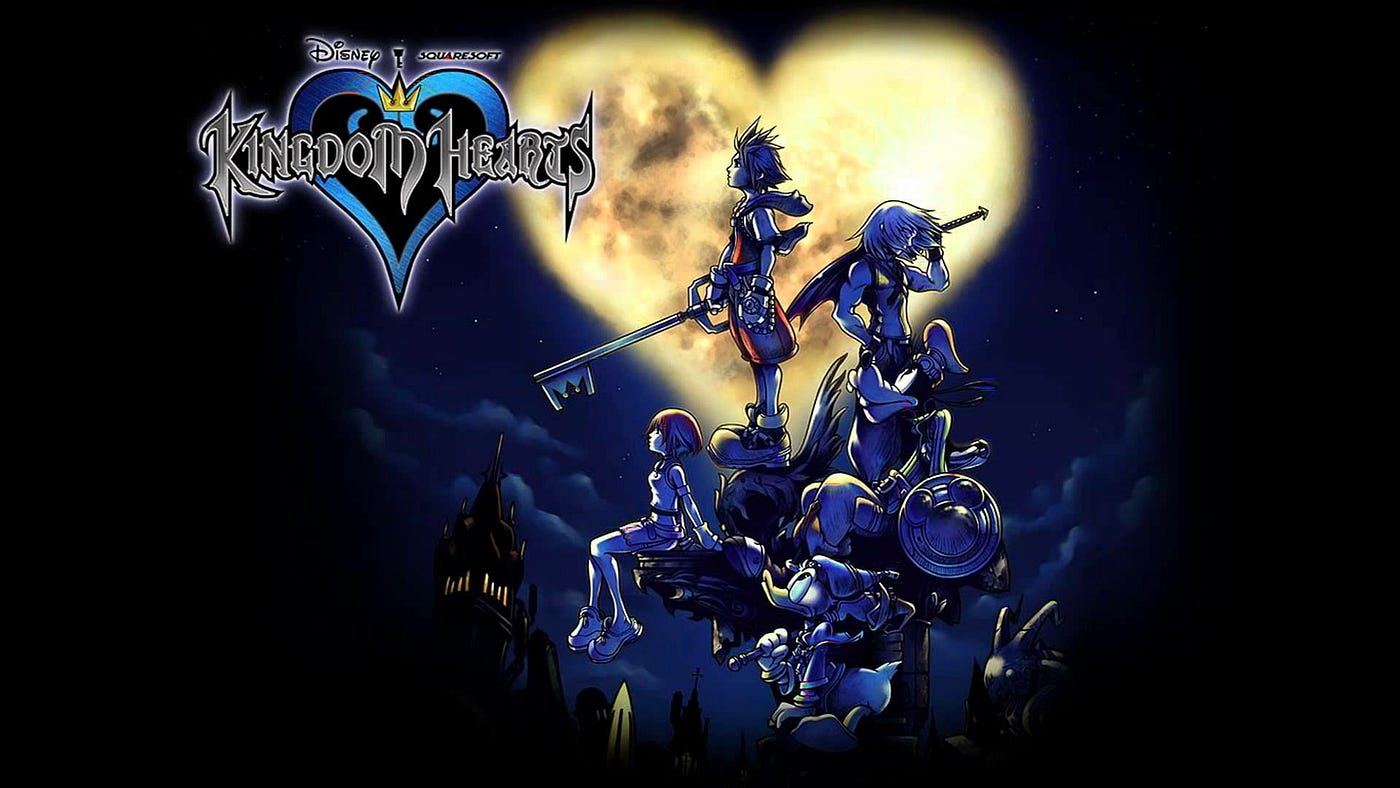
Kingdom Hearts Final Mix is one of those games that hits you before you even decide how much of it still holds up. Coming back to it now through the HD 1.5 + 2.5 collection on Steam, rendered natively at 5K and recorded at 4K 60, the first thing that stood out to me was just how beautiful it still is. The visuals have aged with a surprising amount of grace. Between the pre-rendered cinematics, the in-engine cutscenes, and the colorful look of each world, the whole game still feels like you are moving through a playable animated film. The art direction does a lot of the heavy lifting, but it works because the color palette, enemy designs, and world identity are all so strong that the experience still feels distinct even after all these years.
Then there is the music. Yoko Shimomura’s score is one of the biggest reasons this game still lands. Whether the game is trying to lift a boss fight, sell a sense of wonder, or hit a heartfelt emotional beat, the soundtrack just does not miss. It gives Kingdom Hearts an emotional sincerity that keeps the whole thing from collapsing under its own weirdness. Even now, the music is not just memorable. It is essential. It is one of the main reasons the game still feels alive.
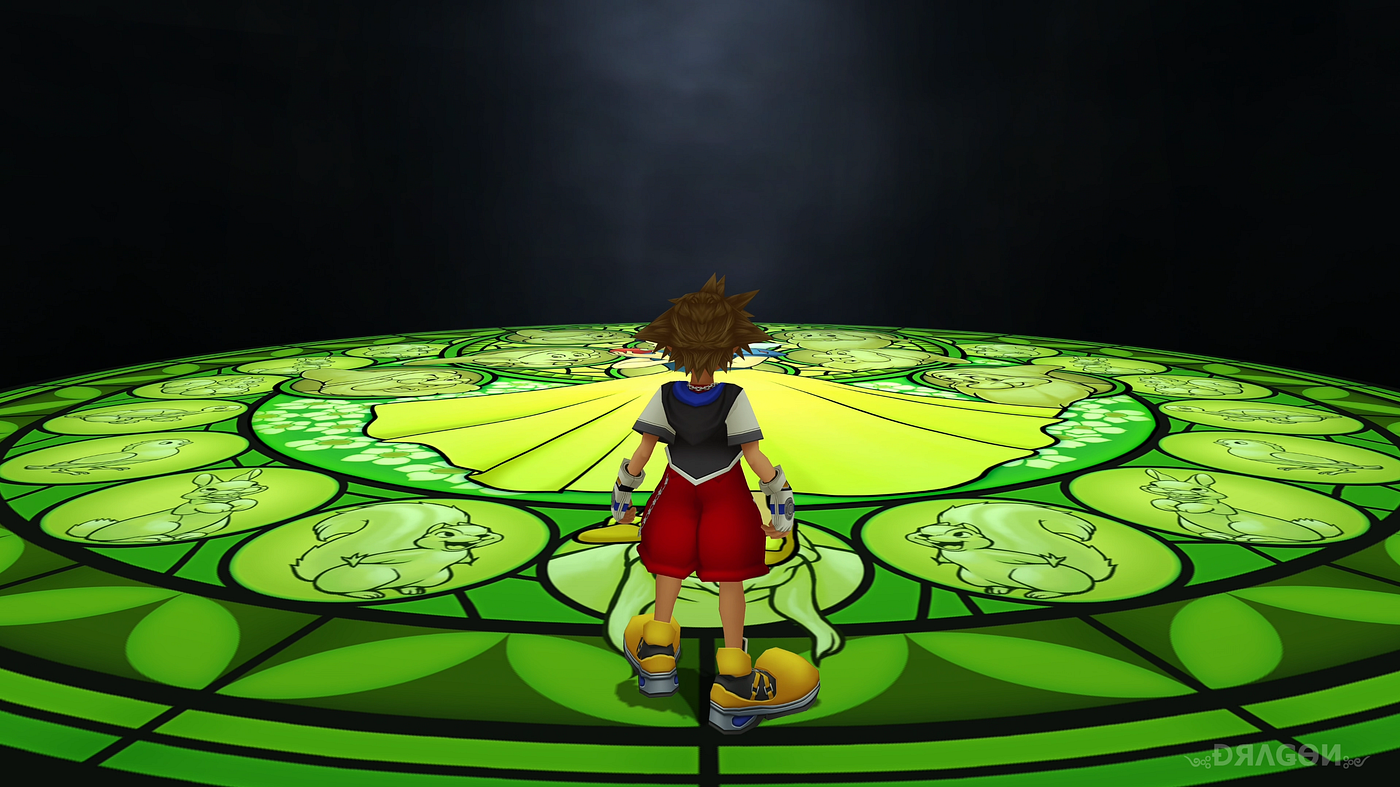
At a basic level, the combat starts simple and honestly a little stiff. Early on, Sora has a straightforward ground combo, an air combo, limited magic, and not much in the way of flexibility. You do not begin with the kind of movement and defensive options that make later action RPGs feel immediately satisfying, so the first stretch of the game can feel more rigid than people remember. But Kingdom Hearts does improve over time. As you unlock dodge roll, more spells, combo modifiers, and support abilities, the game opens up enough to become more enjoyable moment to moment. Magic gets stronger, your toolkit fills out, and combat starts to feel less bare-bones. I would not call it deep by modern standards, but it does evolve into something more engaging than its opening hours suggest.
That said, the pace of that evolution is one of the game’s problems. Kingdom Hearts takes a while to become fully comfortable in its own skin, and the first half can feel mechanically static. Some bosses are readable and not especially difficult, but they can still feel annoying because of how limited your options are at that point. They are not all health sponges exactly, but several encounters feel tanky in a way that drags out the fight without making it more interesting. That issue gets worse when paired with a camera that still feels awkward. Even using manual control, the camera can feel sluggish and restrictive, and in a game where platforming, positioning, and boss readability matter, that friction shows up more often than it should.
Some of the roughest moments come from the game’s more gimmick-heavy fights. Atlantica is the obvious example. Swimming controls make Sora feel less precise, less powerful, and just less fun to control. Fighting Ursula there is not hard in a rewarding way. It is clumsy in a way that makes the encounter feel less intuitive than it should. The Jafar fight in Agrabah gave me a similar reaction. It is not difficult, but chasing him around while the fight keeps pulling away from you is fucking annoying. Those moments do not ruin the game, but they are the kind of encounters that remind you this is still an early PlayStation 2 action RPG, and some design ideas were clearly more ambitious than polished.
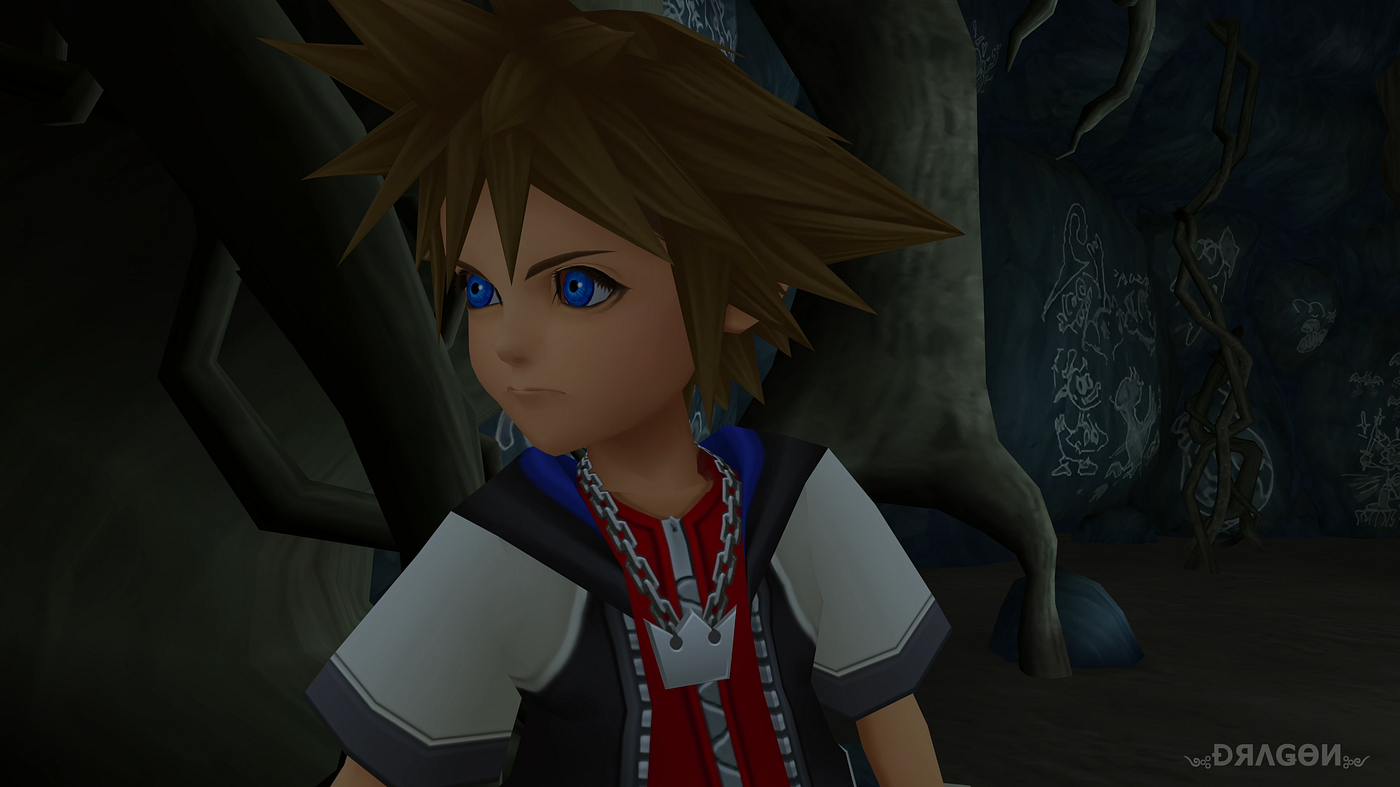
The structure of the game is also a mixed bag. Kingdom Hearts does not hold your hand much, and depending on your taste, that can either feel refreshing or irritating. There are no modern quest markers pushing you from objective to objective, and the game often expects you to figure out where to go by paying attention, checking doors, revisiting rooms, and experimenting a bit. On one hand, that gives the worlds a sense of place. You are not just sprinting to the next icon on a map. On the other hand, it can absolutely kill momentum. There are stretches where the game sends you back and forth enough times that progression starts to feel less like adventure and more like getting knocked around in a loop. I remembered getting lost in this game back on the PlayStation 2, and replaying it now, that part has not magically disappeared.
For me, that friction is one of the biggest reasons the game can feel uneven. Since I was playing it with the mindset of building a cinematic walkthrough, I felt that stop-and-start structure more than usual. It is still doable, and I managed it, but if you are playing blind, there will definitely be moments where the game slows you down in ways that are not always satisfying. A lot of older games ask more of the player in terms of attention and patience, and Kingdom Hearts is very much one of them. Sometimes that makes the adventure feel more immersive. Sometimes it makes you say, what the fuck am I supposed to be doing right now?
Still, the worlds themselves usually do enough to keep things interesting. Even when the level flow gets messy, the game rarely loses its atmosphere. Hollow Bastion, for example, can be a pain to navigate with all its corridors and layered pathways, but visually it is one of the game’s strongest areas. The same goes for the broader world-hopping structure. The loop is simple: visit a world, fight Heartless, search for the keyhole, get stronger, move on. That repetition could have become stale, but the Disney settings, the boss encounters, the new keyblades, and the steady drip of progression give the game enough identity to keep it moving.

There is also more player freedom here than the game gets credit for. The worlds are not open-ended in a modern sense, but the game does let you choose your route at certain points, revisit previous locations freely, and shape some of your build through equipment, abilities, and party behavior settings for Donald and Goofy. It is not a systems-heavy RPG, and I would not overstate the complexity, but there is enough flexibility to make the experience feel lightly personalized. The Gummi Ship system adds another layer to that, even if it feels more like a side toy than a core strength.
As for difficulty, I found the balance mostly fair on Standard. That felt like the right middle ground. Proud mode, at least from what I sampled, did not seem to transform the game so much as make mistakes harsher and fights more drawn out. I can see the appeal if you want more punishment, but for me Standard felt like the better fit. It kept the game engaging without turning some of its clunkier sections into a chore. Kingdom Hearts is at its best when it feels breezy and adventurous with occasional spikes of tension, not when every flaw gets amplified by inflated damage values.
One thing that surprised me on replay is how clean the presentation still feels outside of the camera issues. The UI is readable, colorful, and simple once you settle into it. I remember finding some of the menus more annoying when I first played it years ago, but now they feel mostly fine. My bigger issue is that the game does not always communicate its useful mechanics clearly enough. The shortcut casting system is genuinely helpful, and I ended up realizing its value later than I should have. That is a small thing, but it matters in a game where smoother access to magic can make combat feel much better.
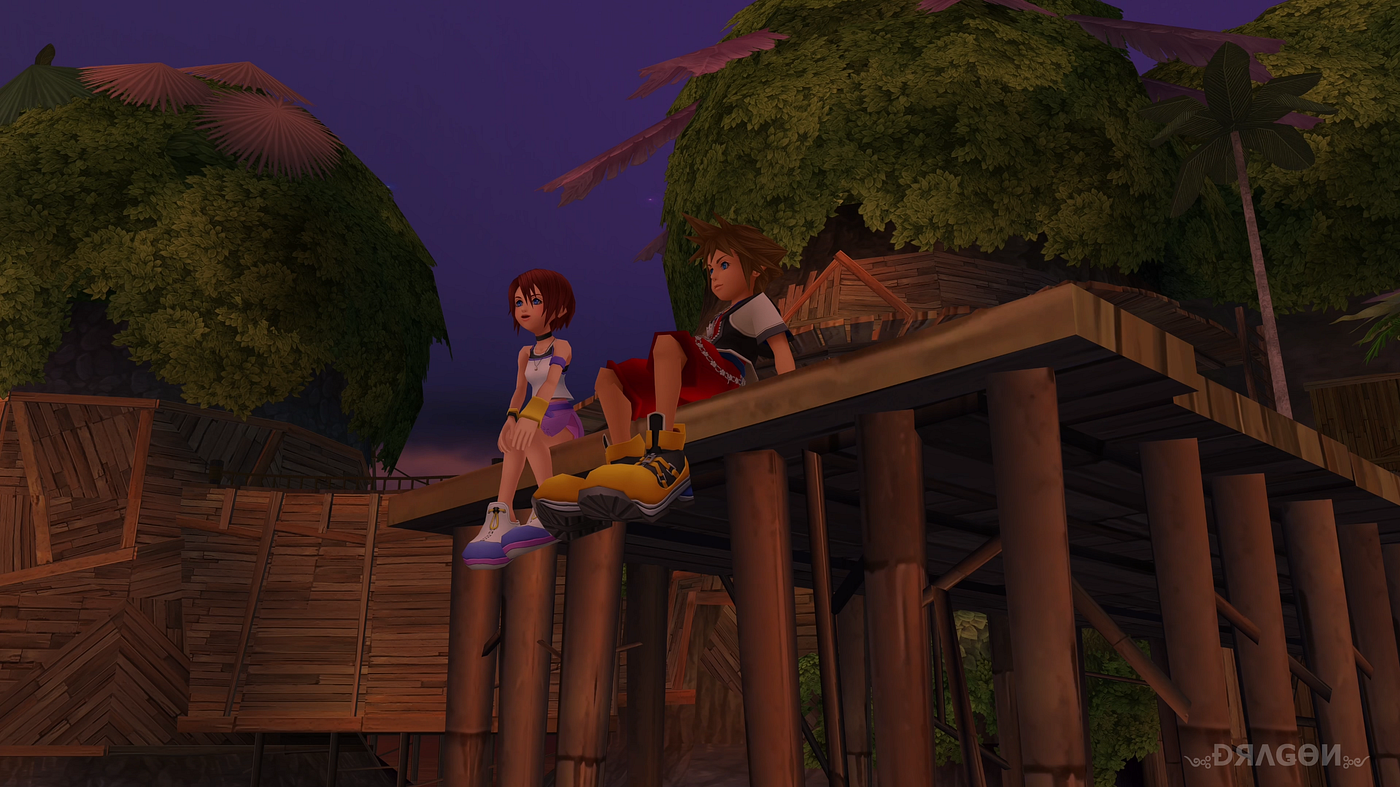
Narratively, Kingdom Hearts works best when you stop trying to force every plot detail into a neat box and instead focus on what the game is actually doing emotionally. The literal plot can get messy fast. You can explain Destiny Islands falling apart, Sora waking up in Traverse Town, the search for Kairi and Riku, Donald and Goofy searching for the King, Ansem’s role in the larger conflict, hearts being lost, worlds collapsing, and all the rest of it, but if you approach Kingdom Hearts like a giant lore diagram, I think you miss what gives it real weight. This story is strongest as a coming-of-age adventure about friendship, separation, longing, identity, and the tension between darkness and light.
That part still works. The bond between Sora, Riku, and Kairi gives the whole game an emotional center, and the journey gains real force from that sense of kids being pushed into something much larger than themselves. There is sweetness here, but it is not empty sweetness. It is tied to loneliness, jealousy, fear, and the desire to reconnect. That is where the game lands for me. Not in the encyclopedia version of its mythology, but in the emotional and thematic throughline.

And yes, I do think Kingdom Hearts is more interesting when you read its light and darkness themes psychologically instead of treating them like empty fantasy keywords. People joke about how often this series says “darkness” and “heart,” and fair enough, but underneath that repetition there really is a meaningful idea. The game keeps circling back to what people do with fear, pain, temptation, and inner conflict. It is not a deeply rigorous psychological text, obviously, but it does gesture toward that struggle in a way that gives the story more substance than it often gets credit for. I think Kingdom Hearts is trying to say something about confronting what is broken in yourself instead of pretending it is not there, and about how hope is not the absence of darkness but something you discover through it. That reading makes the story feel much more coherent to me than obsessing over every single plot mechanic.
The uneven storytelling format does hold it back a bit. Some scenes are fully voiced and cinematic, while others rely on text boxes, and the split can make the presentation feel less consistent than it should. The major emotional scenes usually land, but the less cinematic dialogue sequences can feel flatter and easier to skim past. I would have liked a more unified presentation there. Even so, when Kingdom Hearts commits to a big emotional or visual payoff, it still knows how to sell it.
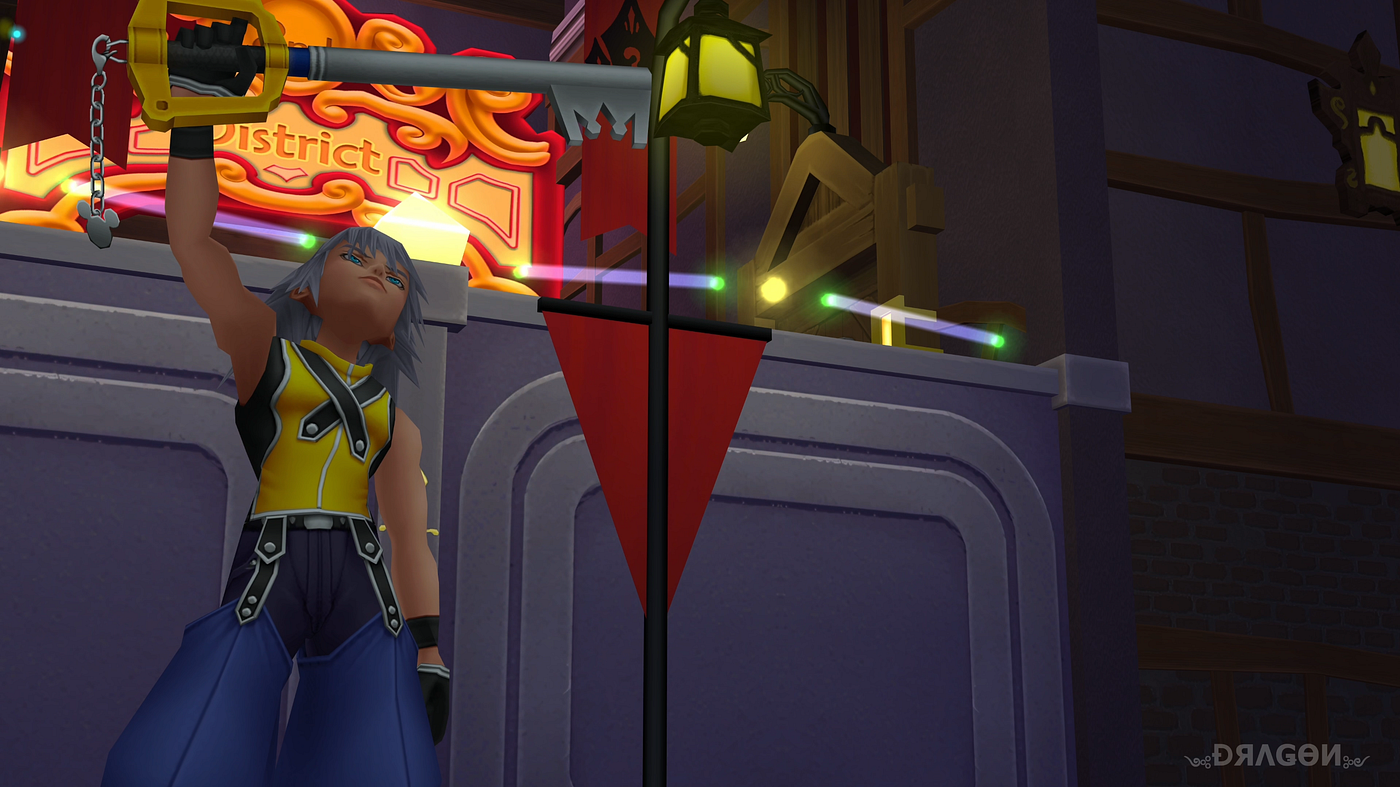
That is also why the game’s final stretch works so well. After a middle section that can feel a little messy or less exciting depending on the world, the ending pulls things back together with real momentum. The scale grows, the imagery gets stronger, and the emotional stakes hit harder. By the time the game reaches its biggest late-game moments, it recaptures the sense of wonder and grandness that made the opening so memorable in the first place. Even with the clunky bits, that final push reminded me why this game became so beloved.
Replaying Kingdom Hearts Final Mix today, I came away with a mixed but affectionate view of it. It absolutely still holds up in key ways. The art direction is timeless, the soundtrack is incredible, the atmosphere remains special, and the emotional core still has real sincerity. But it also shows its age through its camera, its awkward navigation, its slower early combat, and a handful of boss fights and world-specific mechanics that are more frustrating than fun. I still love what this game is aiming for, and more often than not, I love what it achieves. You just have to meet it where it is, accept some rough edges, and let the adventure work on its own terms.
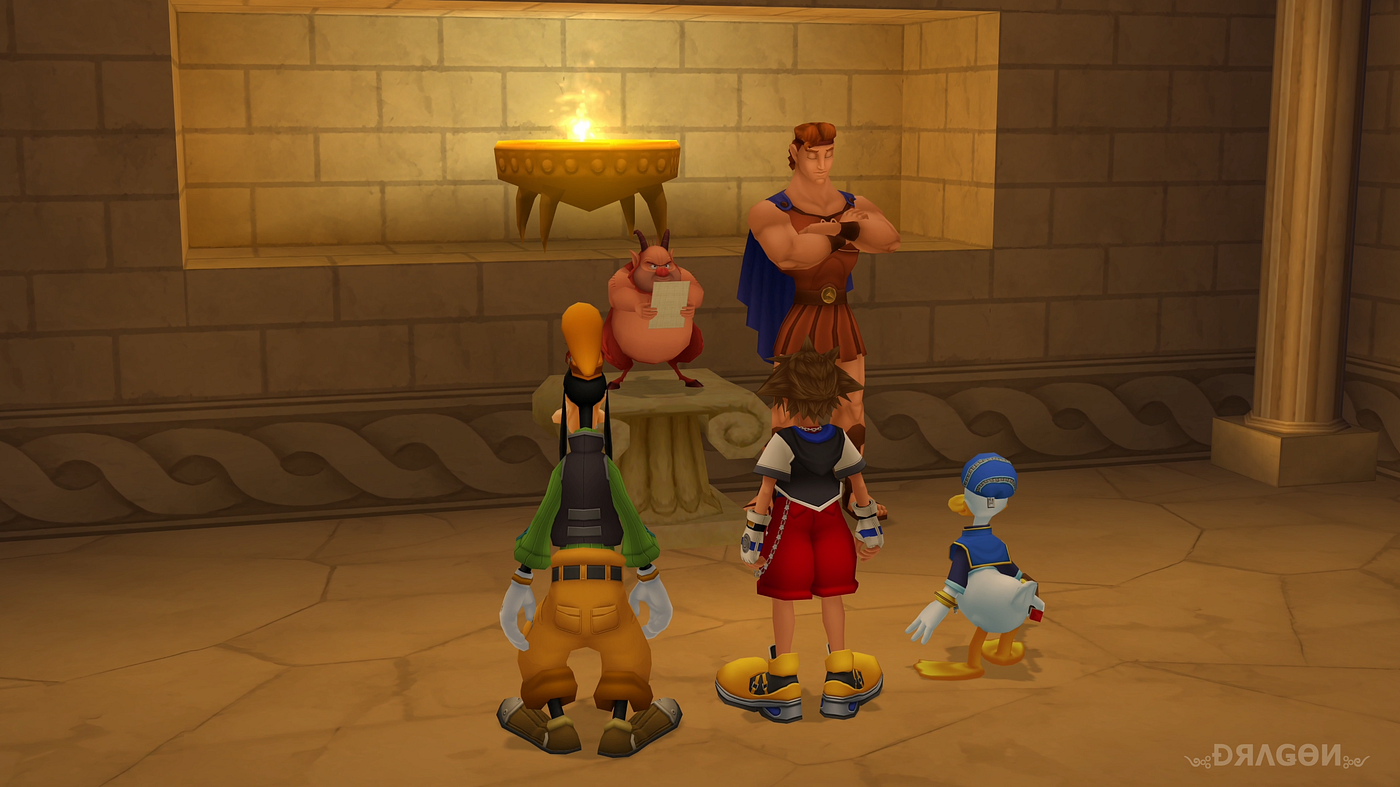
Verdict: Kingdom Hearts Final Mix remains a beautiful, sincere, and often enchanting action RPG that still earns its place as the foundation of the series, even if parts of it are undeniably clunky by modern standards. Its strongest qualities are not just nostalgia. They are the art, the music, the emotional pull, and the sense of stepping into a strange, heartfelt journey that still has its own magic. The flaws are real, especially in the camera, pacing, and occasional boss design, but they do not erase what the game does well. If anything, they make it clearer that this is a classic that still shines, just not flawlessly.
메타데이터
- post_id
- 3ad8d6c61686
- slug
- kingdom-hearts-final-mix-2026-analysis-an-enduring-classic-3ad8d6c61686
- url
- https://medium.com/@dragonemag/kingdom-hearts-final-mix-2026-analysis-an-enduring-classic-3ad8d6c61686
- canonical_url
- https://medium.com/@dragonemag/kingdom-hearts-final-mix-2026-analysis-an-enduring-classic-3ad8d6c61686
- author_url
- https://medium.com/@dragonemag
- status
- ok
- fetched_at
- 2026-06-27 23:56:40