Part 1: Electrical design for Control systems
This is my Part 1 blog, in series “Electrical Designs” which I try will explain my engineering knowledge, and the intention is to help…
Part 1: Electrical design for Control systems
This is my Part 1 blog, in series “Electrical Designs” which I try will explain my engineering knowledge, and the intention is to help anyone stepping into the role of “Graduate Electrical Engineer”
About me
I am a Graduate Electrical Engineer, completed my Bachelor of Electrical & Electronics Engineering in India. After that, I have completed my engineering training in Electrical Power Transmissions and then joined as a Graduate electrical design engineer at Perth Australia.
I worked majorly in providing services for mining & heavy industries. Designing, Developing, & Testing Electrical systems are the main duties I have performed as an Electrical engineer.
“That was a graduate program , but after stepping into, I start to feel like an engineer — your thinking changes, everything changes because being an electrical engineer is not just about the technical knowledge, it’s about how you look at stuff, how do you analyze when there is a problem, how do you solve that problem,”.
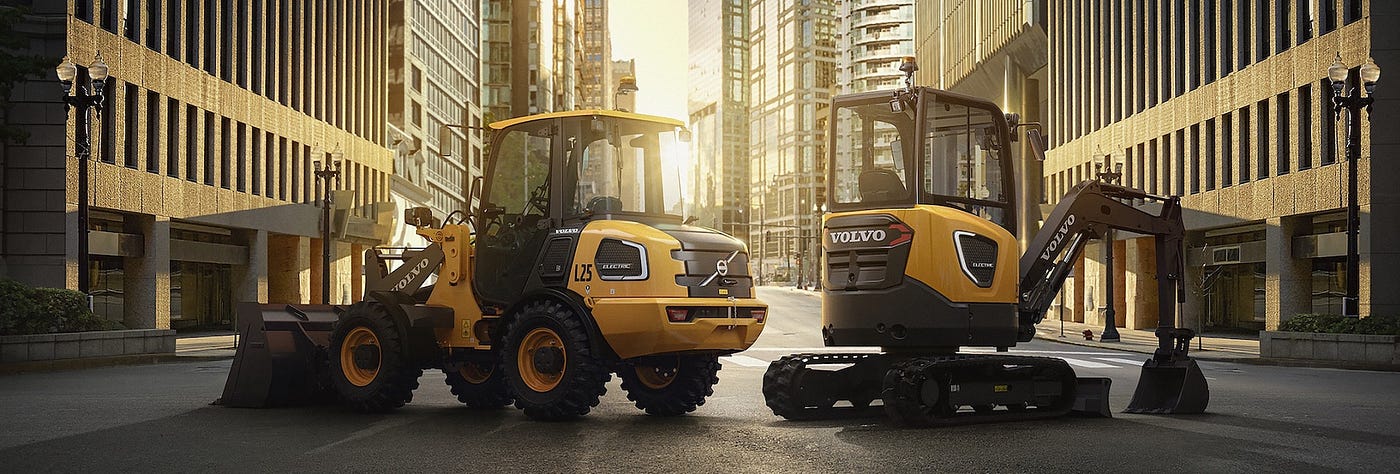
Heavy machines

ref: BigRentz
In mining operations, the role of heavy machineries is vital and enhancing the applications and operational safety of machines are the major areas of my experience.
Below are the various process in developing the system
1. Understand Projects Requirements
![[Ref BigRentz]](https://miro.medium.com/v2/resize:fit:650/0*GF_Wsg2QMd4dS_0g.png)
[Ref BigRentz]
This is the first step when starting a new project, and you have to gather as much as requirements especially about the machines data, such as
- Powering methods,
- Controlling mechanism,
- Control panels
- Battery capacity,
- load calculations
- Wiring diagrams etc.
can be gathered by referring the machine manuals and inspecting the machines.
2. Designing the harness

Next is the design the harness with any engineering drawing software, which you can use CAD, SmartDraw & open source tools like QElectrotech etc. I developed multiple block diagrams, wiring diagrams etc. for design specifications with these software.
3. Powering methods design

The powering methods have to be designed by considering various depending factors of the machine and the controllers. I got better knowledge of different power adoption methods in industries. The protection circuits designs and selection of wire gauge was followed by the standards AS/NZS 3000.
4. Harness prototyping and testing

ref: Meridian Cable
This was did by using different industrial tools, effective use of datasheets, BOM, components selection, Australian working standards, etc.
5. Electronics board
Understanding the IOT and its electronics board was also essential for the projects. I have used various PCB designing software's such as PROTEL, ORCAD, Eagle etc. during this process.
The machine parameters at different states was obtained by calibration of the machine by oscilloscope. Documented the calculations and graphical representations by the software Microsoft Excel.
6. Programming

Its always better to understand the basics of the programming logic of the industrial controller used and I have learned “Python”, which helped me to understand working of the project very well, as well as providing the technical support and its testing.
7. Office Productivity tools

I have used various Microsoft office tools during my works such as Teams, Outlook, Wiki, Task Planner, Excel, Word, Presentation, etc. Out of them, Task planner and Wiki are my most liked ones, which really helped me in high productivity.
8. Project meetings

This is the most vital part during the entire stages and there were many discussions I have conducted during each stage of the project with different peoples such as Mechanical engineers, Electronics engineers, Product specialists etc. for successful development of the project. General most of the people are “really friendly, helpful and intelligent.
Conclusion
Prior to my career, I wish I knew more about the electrical devices and their functionality in different environments,” but was always a grey area. It’s not just about designing hardware, like you need to know how to code, which is also vital. I wish my articles will help the people stepping into their first stone as an Electrical Engineer and my simple advice is to get as much practical experience working in the labs as possible.
메타데이터
- post_id
- 3b39b34ace0f
- slug
- part-1-electrical-design-for-control-systems-3b39b34ace0f
- url
- https://medium.com/@nayanaraju/part-1-electrical-design-for-control-systems-3b39b34ace0f
- canonical_url
- https://medium.com/@nayanaraju/part-1-electrical-design-for-control-systems-3b39b34ace0f
- author_url
- https://medium.com/@nayanaraju
- status
- ok
- fetched_at
- 2026-06-09 15:37:30



