Edema vs Normal Leg Swelling: When Is It a Medical Concern?
Why do people struggle to differentiate edema from normal leg swelling?
Edema vs Normal Leg Swelling: When Is It a Medical Concern?
Why do people struggle to differentiate edema from normal leg swelling?
Many people notice puffiness in their legs after long hours of standing, travel, or a busy workday and assume it is harmless. In many cases, this type of swelling is temporary and resolves with rest. However, persistent or worsening swelling may indicate edema, a condition linked to fluid accumulation due to underlying medical or circulation issues. The similarity in appearance often makes it difficult for patients to recognise when swelling becomes a medical concern.
What causes normal leg swelling in daily life?
Normal leg swelling is usually related to gravity and reduced movement. When sitting or standing for prolonged periods, fluid can temporarily collect in the lower limbs. This type of swelling typically improves overnight or after elevating the legs.
Common everyday causes include prolonged sitting, travel, heat exposure, mild dehydration, and temporary hormonal changes. Importantly, normal swelling does not usually cause pain, skin changes, or lasting discomfort.
What exactly is edema and how is it different?
Edema refers to abnormal fluid retention within body tissues. Unlike routine swelling, edema tends to persist, worsen throughout the day, and may cause tightness or discomfort. Pressing on the affected area may leave a visible indentation, a sign that fluid is trapped beneath the skin.
This condition often develops when circulation, kidney function, heart function, or vein valve performance is impaired, preventing efficient fluid movement back into the bloodstream.
Which risk factors increase the likelihood of edema?
Certain health conditions and lifestyle factors increase the risk of developing edema rather than harmless swelling. These include:
- Prolonged immobility or sedentary habits
- Obesity or pregnancy
- Heart, kidney, or liver disorders
- Hormonal medications
- Chronic circulation problems
In some cases, visible surface veins may appear alongside swelling, indicating increased pressure within the venous system.
How can symptoms indicate when swelling is serious?
Swelling should be evaluated when it is accompanied by additional symptoms. Warning signs include:
- Persistent or worsening swelling in one or both legs
- Skin tightness, discoloration, or thickening
- Heaviness or aching during routine activities
- Warmth, tenderness, or skin breakdown
When swelling interferes with daily comfort or mobility, it may reflect an underlying medical issue rather than a temporary response to activity.
How do doctors diagnose the cause of edema?
Diagnosis begins with a detailed review of symptoms, medical history, and physical examination. Doctors assess skin texture, temperature changes, symmetry, and whether swelling responds to elevation.
Imaging tests such as duplex ultrasound are often used to evaluate blood flow and vein valve function. According to an experienced vascular specialist in India, early diagnostic imaging is essential to distinguish simple fluid retention from circulation-related disorders and to plan safe, personalised care.
What treatment options help manage edema effectively?
Treatment depends on the underlying cause and severity. Mild cases may improve with conservative measures, while persistent edema often requires targeted medical care. Management strategies may include:
- Compression therapy to reduce fluid pooling
- Activity modification and regular leg movement
- Addressing underlying medical conditions
- Dietary and hydration adjustments
When circulation-related valve dysfunction is identified, doctors may recommend advanced vein treatment options to improve long-term symptom control and prevent progression.
Can edema be prevented from worsening?
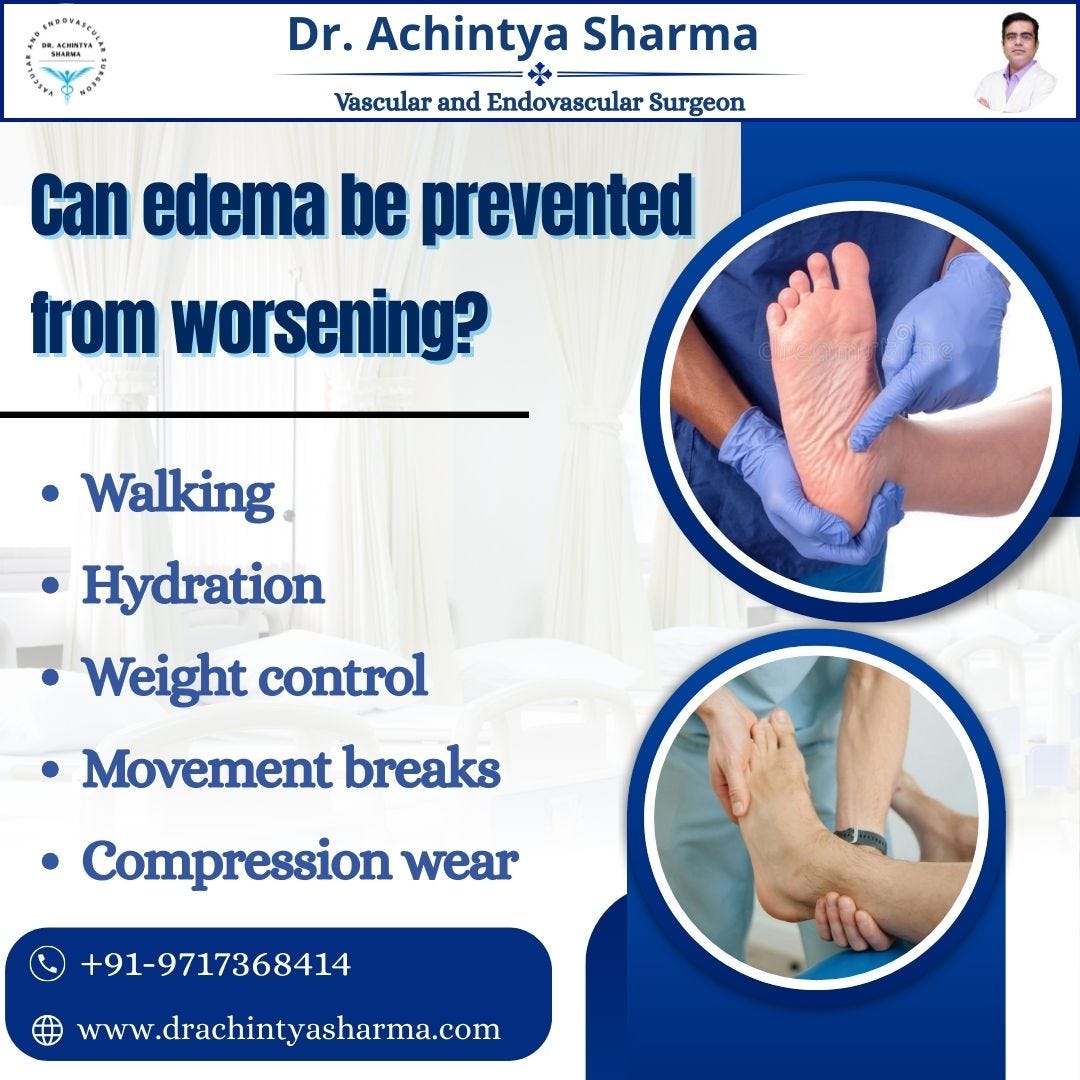
Preventive care focuses on supporting healthy circulation and reducing pressure in the lower limbs. Helpful steps include:
- Regular walking and calf muscle activation
- Avoiding prolonged sitting or standing
- Maintaining adequate hydration
- Weight management
- Using compression garments when advised
These measures may slow progression and reduce the likelihood of chronic symptoms developing.
When should someone seek medical advice for leg swelling?
Medical evaluation is recommended if swelling does not resolve with rest, appears suddenly, or is associated with pain, skin changes, or reduced mobility. Swelling that continues despite lifestyle adjustments may indicate edema requiring professional assessment.
Early consultation helps determine whether monitoring,** medical treatment**, or further evaluation is needed to prevent complications.
Conclusion
Occasional leg swelling is common, but persistent edema may signal an underlying medical or circulation issue that requires attention. Understanding the difference allows patients to seek care at the right time. If swelling worsens or affects daily life, consult a qualified specialist for accurate diagnosis and guidance. **Book your appointment** today for timely evaluation and long-term vascular health.
Book your appointment
Website: https://drachintyasharma.com/ Phone: +91–8192000230 Email: drachintyasharma@gmail.com
메타데이터
- post_id
- 3b4bc3d58a20
- slug
- edema-vs-normal-leg-swelling-when-is-it-a-medical-concern-3b4bc3d58a20
- url
- https://medium.com/@dr.achintyasharmambbs/edema-vs-normal-leg-swelling-when-is-it-a-medical-concern-3b4bc3d58a20
- canonical_url
- https://medium.com/@dr.achintyasharmambbs/edema-vs-normal-leg-swelling-when-is-it-a-medical-concern-3b4bc3d58a20
- author_url
- https://medium.com/@dr.achintyasharmambbs
- status
- ok
- fetched_at
- 2026-06-17 08:20:12