Epigenomics and Disease Prevention
Epigenetics is the study of changes in gene expression that do not involve alterations to the underlying DNA sequence — a change in…
Epigenomics and Disease Prevention
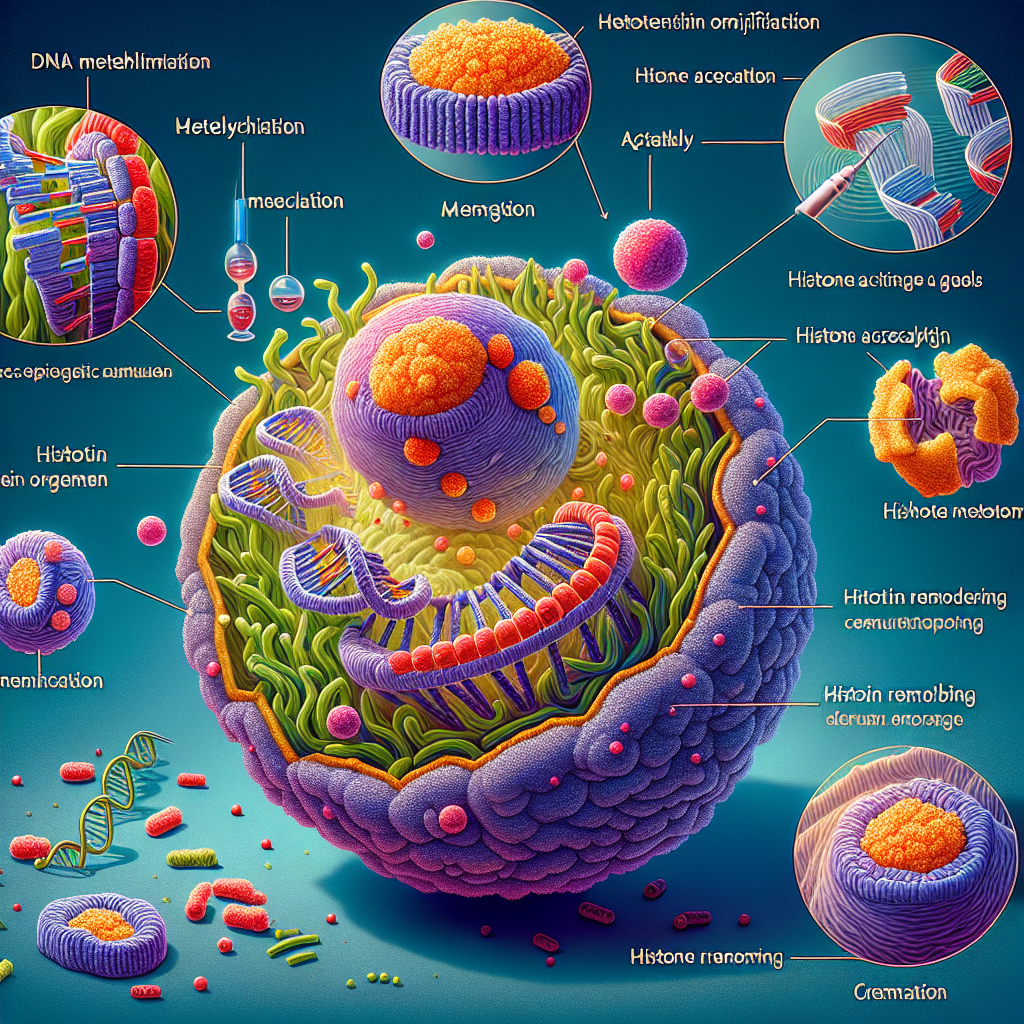
Epigenetics is the study of changes in gene expression that do not involve alterations to the underlying DNA sequence — a change in phenotype without a change in genotype. These changes can result from various factors including lifestyle, environment, and age. Epigenomics, the comprehensive study of epigenetic changes across many genes in a cell or entire organism, has significant implications for disease prevention and treatment.
Understanding Epigenetic Changes
Epigenetic changes can be caused by modifications such as DNA methylation, histone modification, and RNA-associated silencing. These modifications can affect how genes are turned on or off without altering the DNA sequence itself. For example, DNA methylation typically acts to repress gene transcription.
Epigenetics and Disease
Abnormal epigenetic changes are associated with many diseases, including cancer, autoimmune diseases, and neurological disorders. For instance, in cancer, certain genes that control cell growth may become hypermethylated, which can lead to their inactivation and the uncontrolled growth of cells.
Prevention Strategies
Understanding epigenetic mechanisms is crucial for developing prevention strategies. Lifestyle interventions, such as diet and exercise, can potentially modify epigenetic patterns. For example, foods rich in folate can influence DNA methylation. Moreover, drugs that target epigenetic modifications are being developed, which could preempt the onset of disease.
Real-World Applications
One real-world application of epigenomics in disease prevention is the use of epigenetic biomarkers to predict disease risk. This can lead to early intervention and personalized prevention strategies. Additionally, epigenetic therapy, which involves reversing abnormal epigenetic states, is a growing area in the treatment of diseases like cancer.
In conclusion, epigenomics holds great promise for understanding the complex mechanisms underlying disease and for developing effective prevention strategies. As research progresses, it may lead to more personalized and precise approaches to health care.
메타데이터
- post_id
- 3bc2a602a1ef
- slug
- epigenomics-and-disease-prevention-3bc2a602a1ef
- url
- https://medium.com/@kanakjr/epigenomics-and-disease-prevention-3bc2a602a1ef
- canonical_url
- https://medium.com/@kanakjr/epigenomics-and-disease-prevention-3bc2a602a1ef
- author_url
- https://medium.com/@kanakjr
- status
- ok
- fetched_at
- 2026-06-09 15:37:30