PQQ vs. Creatine: Which Compound Better Supports Cellular ATP Regeneration?
The quest for optimizing cellular energy production has led researchers and health practitioners to investigate various compounds that…
PQQ vs. Creatine: Which Compound Better Supports Cellular ATP Regeneration?
The quest for optimizing cellular energy production has led researchers and health practitioners to investigate various compounds that support ATP regeneration and mitochondrial function. When examining PQQ vs creatine, two fundamentally different mechanisms emerge for enhancing cellular energy metabolism. PQQ, or pyrroloquinoline quinone, functions as a redox cofactor that stimulates mitochondrial biogenesis and protects existing mitochondria from oxidative damage. Creatine operates through the phosphocreatine system, serving as a rapid energy buffer that replenishes ATP during high-intensity cellular demands. Both compounds have garnered substantial scientific attention for their roles in energy metabolism, yet they address ATP regeneration through distinct biochemical pathways that offer unique advantages.
Understanding the distinctions in PQQ vs creatine becomes essential for athletes, biohackers, and individuals seeking to optimize cognitive and physical performance. Creatine has established itself as one of the most extensively researched sports nutrition supplements, with decades of clinical data supporting its efficacy in enhancing strength, power output, and muscle mass. PQQ represents a newer area of investigation, with emerging research suggesting profound effects on mitochondrial quantity and quality that extend beyond immediate ATP replenishment. The mechanisms by which these compounds influence energy metabolism differ substantially — creatine provides immediate energy buffering capacity while PQQ influences long-term mitochondrial health and bioenergetic efficiency.
The comparison of PQQ vs creatine extends beyond athletic performance to encompass cognitive function, aging, neuroprotection, and metabolic health. Research indicates that creatine supports brain energy metabolism, particularly in situations requiring rapid cognitive processing or during energy-depleted states. PQQ demonstrates neuroprotective properties through mitochondrial enhancement and reduction of oxidative stress that contributes to cognitive decline. As scientific understanding of cellular bioenergetics advances, the PQQ vs creatine discussion evolves from simple comparisons to nuanced evaluation of how these compounds might complement each other or serve different populations with specific energy metabolism needs. This comprehensive analysis examines both compounds through multiple lenses including chemistry, mechanisms, applications, and emerging research to provide evidence-based guidance for those seeking to optimize cellular ATP regeneration.
What is PQQ
Pyrroloquinoline quinone, commonly abbreviated as PQQ, represents a redox cofactor discovered in bacterial methylotrophs and subsequently found in various foods and mammalian tissues. This compound carries the CAS number 72909–34–3 and possesses the molecular formula C14H6N2O8 with a molecular weight of 330.21 grams per mole. PQQ appears as a reddish-brown powder with limited water solubility that increases substantially in alkaline conditions, making formulation pH an important consideration for supplement development. The tricyclic orthoquinone structure contains multiple functional groups that enable the compound to participate in redox cycling, accepting and donating electrons thousands of times without degradation.
The biological significance of PQQ extends beyond simple cofactor activity to encompass roles in cellular signaling and gene expression modulation. Initially classified as a vitamin candidate due to its presence in foods and apparent essentiality for optimal growth in rodent studies, PQQ is now recognized as a bioactive compound with profound effects on mitochondrial function rather than a true vitamin required for survival. The compound demonstrates remarkable stability across physiological pH ranges and resists degradation from heat and light exposure better than many other redox-active molecules. Within biological systems, PQQ participates in enzymatic reactions involving alcohol and amine oxidation, though mammals lack the biosynthetic pathways to produce it endogenously. Dietary sources include fermented soybeans, green peppers, parsley, and green tea, though concentrations remain relatively low, typically measured in nanograms per gram of food. Research into PQQ has accelerated dramatically over the past two decades as scientists recognize its potential influence on mitochondrial biogenesis through activation of signaling pathways including PGC-1alpha and CREB, positioning this compound as a unique tool for supporting cellular energy infrastructure.
What is Creatine
Creatine exists as a nitrogenous organic acid naturally synthesized in the human body from amino acids glycine, arginine, and methionine, primarily in the liver, kidneys, and pancreas. The compound is identified by CAS number 57–00–1 and features the molecular formula C4H9N3O2 with a molecular weight of 131.13 grams per mole. Creatine typically appears as a white, crystalline powder with moderate water solubility that varies with temperature and pH conditions. The molecule’s structure contains a guanidinium group that readily accepts a phosphate group to form phosphocreatine, the high-energy compound that serves as the immediate energy reserve in tissues with high and fluctuating energy demands.
The physiological importance of creatine centers on its role in the phosphocreatine energy system, one of three primary pathways for ATP regeneration in muscle and nerve tissues. Approximately 95 percent of the body’s creatine stores reside in skeletal muscle, with smaller amounts present in the brain, heart, and testes. The human body produces roughly one to two grams of creatine daily through endogenous synthesis, while dietary intake from meat and fish contributes additional amounts that maintain tissue stores. Total creatine pool size varies among individuals based on muscle mass, dietary habits, and genetic factors affecting synthesis and transport. The compound undergoes spontaneous, non-enzymatic conversion to creatinine at a rate of approximately 1.7 percent per day, with this metabolic product excreted in urine at relatively constant rates used clinically to assess kidney function. Supplemental creatine, most commonly in monohydrate form, has been consumed by millions of individuals since the 1990s when its performance-enhancing properties gained widespread recognition. The safety profile established through extensive research and post-market surveillance indicates that creatine supplementation produces minimal adverse effects in healthy individuals at recommended doses, making it one of the most trusted ergogenic aids in sports nutrition.
Bioavailability and Stability
The bioavailability of PQQ involves complex absorption mechanisms that remain incompletely characterized despite growing research interest. Studies using radiolabeled PQQ indicate that oral administration results in absorption rates estimated between 60 and 62 percent, with peak plasma concentrations occurring approximately two to three hours post-ingestion. The compound undergoes limited first-pass metabolism, with substantial amounts reaching systemic circulation intact. Once absorbed, PQQ distributes widely throughout tissues with particular accumulation in organs with high metabolic demands including the brain, heart, kidneys, and liver. Protein binding appears moderate, allowing sufficient free PQQ to exert biological effects. The stability of PQQ in the gastrointestinal environment proves favorable, with the compound resisting degradation by stomach acid and digestive enzymes better than many polyphenolic antioxidants. However, the presence of food, particularly protein-rich meals, may influence absorption kinetics and overall bioavailability. Elimination occurs primarily through renal excretion, with a plasma half-life estimated between three and five hours in human studies, suggesting that multiple daily doses may optimize tissue concentrations.
Creatine demonstrates excellent bioavailability with absorption rates exceeding 95 percent when consumed orally in reasonable doses, typically defined as five grams or less per administration. The compound crosses the intestinal epithelium through both passive diffusion and active transport mechanisms involving specific creatine transporters, particularly SLC6A8. Following absorption, creatine enters systemic circulation largely unchanged, as minimal metabolism occurs before reaching target tissues. Peak plasma concentrations occur within one to two hours after ingestion, with elevated levels persisting for several hours depending on dose and individual factors. Tissue uptake requires active transport via creatine transporters, with skeletal muscle containing the vast majority of total body creatine stores. The stability of creatine in solution presents formulation challenges, as the compound slowly degrades to creatinine in aqueous environments, particularly at elevated temperatures and acidic pH levels. This degradation process has driven innovations in creatine formulations including buffered forms and alternative salts designed to enhance stability. In the digestive tract, creatine remains relatively stable during the brief transit time before absorption, with degradation to creatinine representing a minor pathway during normal supplementation. The compound exhibits minimal protein binding in plasma, facilitating rapid tissue distribution and uptake by cells expressing creatine transporters.
Comparing PQQ vs creatine regarding bioavailability and stability reveals distinct profiles that influence supplementation strategies. PQQ demonstrates moderate absorption with longer plasma residence time, suggesting that sustained tissue exposure occurs even with once-daily dosing. Creatine shows superior absorption efficiency but shorter plasma half-life, though its accumulation in muscle tissue creates a reservoir that maintains elevated intracellular concentrations for weeks after loading. The stability advantages of PQQ vs creatine become apparent in finished products, as PQQ resists degradation in tablets and capsules better than creatine monohydrate in liquid formulations. However, when considering PQQ vs creatine for practical supplementation, creatine’s superior tissue uptake and accumulation characteristics may offset its stability limitations. Both compounds cross the blood-brain barrier, though through different mechanisms — PQQ likely via carrier-mediated transport and creatine through specific creatine transporters expressed in cerebral endothelial cells. The bioavailability and stability considerations in PQQ vs creatine comparisons ultimately suggest that both compounds reach target tissues effectively when properly formulated and administered, with differences in pharmacokinetics influencing optimal dosing schedules rather than determining fundamental efficacy.
Raw Materials
The production of PQQ relies primarily on bacterial fermentation processes, as chemical synthesis proves economically impractical due to the molecule’s complex tricyclic structure. Manufacturers utilize specialized bacterial strains, particularly species from genera including Methylobacterium, Hyphomicrobium, and engineered Escherichia coli expressing the PQQ biosynthetic gene cluster. These microorganisms synthesize PQQ from simple precursors including tyrosine and glutamate through a series of enzymatic reactions encoded by the pqq operon. Fermentation substrates typically include glucose or other carbon sources, nitrogen sources, mineral salts, and carefully controlled oxygen levels to optimize production yields. The fermentation process requires sterile conditions, precise temperature control, and pH management to maximize PQQ accumulation in bacterial cultures. Following fermentation, extraction and purification involve multiple steps including cell separation, solvent extraction, chromatographic purification, and crystallization to achieve pharmaceutical-grade purity levels exceeding 98 percent. Quality control testing ensures the absence of bacterial endotoxins, heavy metals, and residual solvents while confirming identity, potency, and stability. Major production facilities exist primarily in Japan, where PQQ was first discovered and commercialized, though Chinese manufacturers have emerged as significant suppliers offering competitive pricing.
Raw material procurement for creatine manufacturing involves either chemical synthesis from simpler starting materials or extraction from natural sources, with synthesis dominating commercial production. The most common synthetic route combines sarcosine sodium salt with cyanamide under alkaline conditions, followed by neutralization and crystallization to yield creatine monohydrate. Alternative synthesis methods utilize guanidinoacetic acid methylation or other chemical transformations that produce creatine with high purity and yield. Raw materials for synthesis include methylamine, derived from ammonia and methanol, sodium hydroxide, cyanamide produced from calcium cyanamide, and various acids for pH adjustment and salt formation. These commodity chemicals are widely available from established chemical supply chains, ensuring stable raw material availability and competitive pricing. Production facilities require standard chemical synthesis equipment including reactors, filtration systems, crystallizers, and drying equipment rather than specialized fermentation infrastructure. Environmental considerations include managing waste streams containing ammonia and ensuring proper handling of cyanamide, a moderately hazardous intermediate. Quality control protocols for creatine manufacturing focus on purity assessment, with particular attention to creatinine content, dicyandiamide residues, dihydrotriazine impurities, and heavy metal contamination. The global creatine supply chain centers on China and Germany, with several large manufacturers producing thousands of metric tons annually.
Evaluating PQQ vs creatine from a raw materials perspective reveals substantial differences in production complexity, cost structures, and supply chain considerations. PQQ production requires specialized fermentation expertise, proprietary bacterial strains, and sophisticated purification technologies that limit the number of capable manufacturers and contribute to higher costs per gram compared to creatine. The PQQ vs creatine comparison shows that creatine benefits from simpler chemical synthesis using commodity raw materials, enabling economies of scale that have driven prices down dramatically since the 1990s. Environmental impact considerations in PQQ vs creatine production favor PQQ’s fermentation-based approach, which generates less hazardous waste than creatine synthesis involving cyanamide chemistry. Supply chain resilience differs between these compounds, with creatine’s multiple manufacturers and alternative synthesis routes providing greater availability assurance than PQQ’s more concentrated production landscape. When assessing PQQ vs creatine regarding raw material sustainability, both compounds present manageable environmental profiles when produced according to good manufacturing practices, though the specific concerns differ — fermentation energy consumption and biomass disposal for PQQ versus chemical waste management and cyanamide handling for creatine. The raw material analysis in PQQ vs creatine comparisons ultimately influences cost-effectiveness and accessibility, with creatine’s mature supply chain enabling widespread consumer availability while PQQ remains a premium ingredient with correspondingly higher market prices.
Main Mechanism of Action
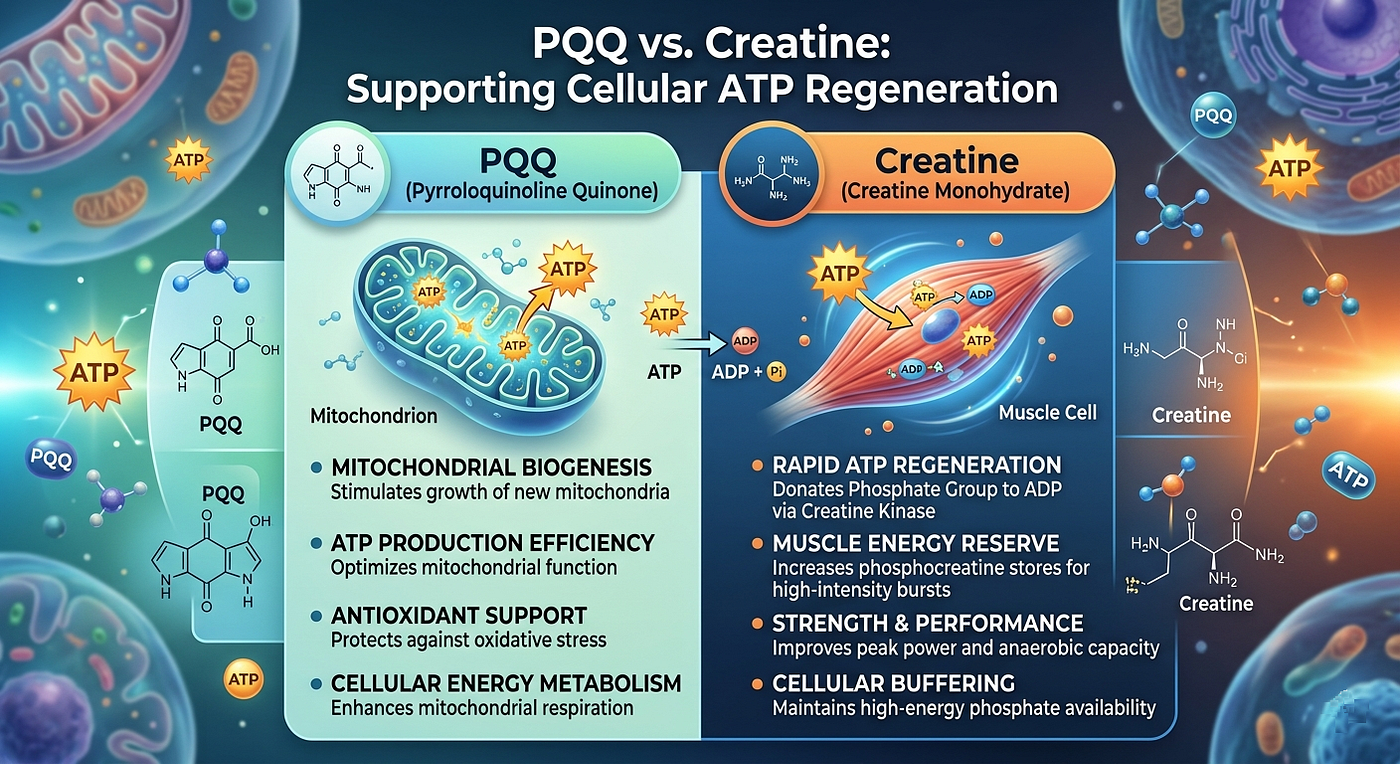
PQQ exerts its primary effects on cellular ATP regeneration through stimulation of mitochondrial biogenesis and enhancement of existing mitochondrial function. The compound activates key signaling pathways including the PGC-1alpha pathway, often called the master regulator of mitochondrial biogenesis, by influencing upstream kinases and transcription factors. Studies demonstrate that PQQ increases the expression of genes involved in mitochondrial DNA replication, transcription, and translation, leading to greater numbers of mitochondria within treated cells. This expansion of mitochondrial population directly enhances cellular capacity for oxidative phosphorylation, the primary mechanism for ATP generation in aerobic metabolism. Beyond increasing mitochondrial quantity, PQQ serves as a redox cofactor that participates in electron transfer reactions, potentially supporting the efficiency of the electron transport chain where the majority of ATP synthesis occurs. The compound’s antioxidant properties protect mitochondrial membranes, proteins, and DNA from oxidative damage that would otherwise impair ATP generation capacity. PQQ also modulates cellular signaling through mechanisms including CREB activation, which influences expression of genes involved in neuroprotection, metabolism, and cell survival. These multi-faceted mechanisms create a long-term enhancement of cellular bioenergetic capacity rather than providing immediate ATP replenishment.
The mechanism by which creatine supports ATP regeneration centers on the phosphocreatine energy system, also known as the phosphagen system, which provides the most rapid means of ATP resynthesis during high-intensity activities. When ATP is hydrolyzed to ADP and inorganic phosphate to release energy for cellular work, the enzyme creatine kinase catalyzes the transfer of a phosphate group from phosphocreatine to ADP, regenerating ATP within milliseconds. This process occurs much faster than glycolysis or oxidative phosphorylation, making it crucial for activities requiring immediate energy availability such as weightlifting, sprinting, or rapid cognitive processing. Creatine supplementation increases intracellular creatine and phosphocreatine concentrations, expanding the capacity of this energy buffer system. The enhanced phosphocreatine pool delays the onset of fatigue during high-intensity efforts by maintaining ATP concentrations near resting levels for longer periods. Additionally, creatine kinase exists in multiple isoforms strategically located near sites of ATP utilization, including myofibrils in muscle and synapses in neurons, creating spatial energy buffers that facilitate energy transfer from mitochondria to sites of consumption. Creatine also influences cellular function through mechanisms beyond direct energy provision, including osmotic effects that draw water into cells, potential signaling roles, and modulation of calcium handling in muscle cells.
Comparing PQQ vs creatine mechanisms reveals fundamentally different approaches to supporting cellular ATP regeneration. The PQQ vs creatine distinction highlights that PQQ enhances the cellular infrastructure for ATP production by increasing mitochondrial numbers and protecting mitochondrial function, creating long-term improvements in oxidative capacity. Conversely, creatine provides an immediate energy buffer that rapidly regenerates ATP during periods of high demand, offering acute performance benefits that manifest within seconds to minutes. The temporal dynamics of PQQ vs creatine effects differ substantially, with creatine producing measurable benefits within days to weeks of supplementation as tissue stores saturate, while PQQ’s mitochondrial biogenesis effects develop more gradually over weeks to months. When evaluating PQQ vs creatine for ATP regeneration support, the type of cellular energy demand becomes crucial — creatine excels during brief, high-intensity activities where rapid ATP turnover occurs, while PQQ supports sustained energy production during prolonged activities requiring continuous oxidative metabolism. The mechanisms underlying PQQ vs creatine effects suggest potential synergy rather than redundancy, as creatine addresses immediate energy buffering while PQQ enhances long-term bioenergetic capacity. This complementary relationship in PQQ vs creatine mechanisms indicates that combined supplementation might provide comprehensive support for cellular energy metabolism across different temporal and intensity domains.

Benefits of Each Ingredient
Both PQQ and creatine offer extensive benefits extending beyond simple ATP regeneration to encompass broader effects on physical performance, cognitive function, and metabolic health. Understanding their specific advantages helps individuals select the most appropriate compound for targeted outcomes.
Benefits of PQQ:
1. Mitochondrial Biogenesis Stimulation: PQQ triggers the creation of new mitochondria within cells, expanding the cellular capacity for energy production. Research demonstrates that supplementation increases mitochondrial content markers in human tissues, potentially improving overall metabolic efficiency and energy availability during sustained activities requiring endurance rather than explosive power.
2. Neuroprotection and Cognitive Support: Studies indicate that PQQ protects neurons from oxidative stress and excitotoxicity while supporting synaptic plasticity and neuronal survival. Clinical trials show improvements in cognitive function measures including memory and attention, particularly in middle-aged and elderly populations experiencing age-related cognitive decline.
3. Antioxidant Defense Enhancement: The compound demonstrates powerful antioxidant activity, participating in thousands of redox cycles without degradation and protecting cellular components from oxidative damage. This antioxidant capacity extends to mitochondrial protection, preserving the integrity of these organelles that are both major ATP producers and significant sources of reactive oxygen species.
4. Sleep Quality Improvement: Human studies reveal that PQQ supplementation enhances sleep quality metrics including sleep latency, duration, and subjective quality scores. The mechanism likely involves improved mitochondrial function in brain regions regulating sleep-wake cycles and reduction of oxidative stress that can disrupt normal sleep patterns.
5. Metabolic Health Support: Research demonstrates that PQQ influences glucose metabolism, lipid profiles, and inflammatory markers in ways that support overall metabolic health. Studies show improvements in insulin sensitivity and reductions in inflammatory cytokines, suggesting applications beyond energy metabolism to broader health optimization.
Benefits of Creatine:
1. Strength and Power Enhancement: Creatine supplementation consistently increases performance in activities requiring maximal or near-maximal effort lasting up to 30 seconds. Meta-analyses of hundreds of studies confirm that creatine improves one-repetition maximum lifts, sprint performance, and repeated high-intensity efforts, making it the most effective legal ergogenic aid for these applications.
2. Muscle Mass Increase: Supplementation promotes gains in lean body mass through multiple mechanisms including enhanced training capacity, cellular hydration, and potential effects on satellite cell activation and protein synthesis. Users typically gain two to four pounds of lean mass during the first weeks of supplementation, with additional gains accruing from improved training capacity.
3. Cognitive Performance Support: Brain creatine and phosphocreatine support cognitive processes requiring rapid ATP turnover, with supplementation showing benefits particularly during conditions of metabolic stress including sleep deprivation, hypoxia, or prolonged mental effort. Studies demonstrate improvements in working memory, processing speed, and mental fatigue resistance with creatine supplementation.
4. Neuroprotective Properties: Research indicates that creatine protects neurons from various insults including oxidative stress, excitotoxicity, and energy depletion. These properties suggest potential therapeutic applications in neurodegenerative diseases including Parkinson’s disease, Huntington’s disease, and amyotrophic lateral sclerosis, though clinical translation remains ongoing.
5. Recovery Enhancement: Supplementation appears to reduce markers of muscle damage and inflammation following intense exercise, potentially accelerating recovery between training sessions. Studies show decreased creatine kinase levels and reduced soreness scores in supplemented individuals following damaging exercise protocols.
The PQQ vs creatine comparison for specific benefits reveals distinct advantage profiles suited to different goals and populations. Athletes focused on explosive performance and strength gains find creatine particularly valuable, while individuals seeking cognitive enhancement, neuroprotection, and metabolic health optimization may prioritize PQQ supplementation based on emerging research supporting these applications.
Product Application Areas
The distinct properties and benefits of these compounds enable their incorporation into various supplement formulations targeting different consumer needs and performance goals. Both ingredients demonstrate versatility across multiple product formats and delivery systems.
Formulations Using PQQ:
1. Nootropic Supplements: PQQ appears frequently in cognitive enhancement formulations combined with ingredients like alpha-GPC, phosphatidylserine, and bacopa monnieri to support multiple aspects of brain function. Typical doses range from 10 to 20 milligrams per serving, with these products targeting students, professionals, and aging individuals seeking to maintain or improve cognitive performance through mitochondrial support.
2. Anti-Aging Formulas: Products positioned as comprehensive anti-aging supplements incorporate PQQ alongside CoQ10, resveratrol, and NAD precursors to address age-related mitochondrial decline. These formulations emphasize cellular energy production, oxidative stress reduction, and longevity pathway activation, appealing to health-conscious consumers interested in proactive aging interventions.
3. Energy and Vitality Products: Supplements targeting sustained energy rather than stimulant-based alertness utilize PQQ combined with B-vitamins, adaptogens, and other mitochondrial supporters. These formulations provide 10 to 20 milligrams of PQQ and appeal to individuals experiencing fatigue, whether from aging, stress, or suboptimal metabolic function.
4. Sports Recovery Supplements: Post-workout formulas incorporate PQQ to support mitochondrial recovery from exercise-induced oxidative stress and energy depletion. Combined with antioxidants, anti-inflammatory compounds, and protein, these products target serious athletes concerned with optimizing recovery between intense training sessions.
5. Sleep Support Products: Emerging applications include PQQ in sleep formulations combined with magnesium, melatonin, and calming herbs. Doses of 20 milligrams before bedtime aim to improve sleep quality through the compound’s demonstrated effects on sleep architecture and potential stress reduction properties.
Formulations Using Creatine:
1. Pre-Workout Supplements: These products combine creatine monohydrate at three to five grams per serving with caffeine, beta-alanine, citrulline, and other ergogenic aids to enhance workout performance. The formulations target resistance training enthusiasts and athletes seeking comprehensive performance enhancement from multiple complementary mechanisms.
2. Post-Workout Recovery Products: Creatine appears in post-exercise formulations alongside fast-digesting proteins, carbohydrates, and electrolytes to maximize recovery and adaptation. These products typically provide five grams of creatine and emphasize nutrient timing strategies for optimal muscle glycogen replenishment and protein synthesis.
3. Standalone Creatine Products: Pure creatine monohydrate powder remains popular among informed consumers who prefer simple, cost-effective supplementation. Products typically suggest five-gram serving sizes taken daily, with or without loading phases, and appeal to individuals who customize their supplement stacks rather than relying on pre-formulated products.
4. Brain Health Supplements: Emerging cognitive health products incorporate creatine alongside traditional nootropics, recognizing the compound’s role in cerebral energy metabolism. Formulations provide two to five grams of creatine combined with ingredients supporting various aspects of cognitive function, targeting both younger individuals seeking performance enhancement and older adults concerned with cognitive aging.
5. Plant-Based Protein Powders: Manufacturers increasingly add creatine to vegan and vegetarian protein supplements to address the low dietary creatine intake in these populations. These products provide two to three grams per serving alongside plant proteins, appealing to plant-based athletes who may otherwise have depleted creatine stores compared to omnivorous counterparts.
The PQQ vs creatine evaluation for product applications shows that creatine dominates sports nutrition categories while PQQ finds greater representation in cognitive health and anti-aging segments. Formulation scientists comparing PQQ vs creatine must consider target markets, price sensitivity, claimed benefits, and regulatory landscapes when deciding which compound to incorporate into specific product concepts.
Latest Research Directions
Recent investigations into PQQ have expanded to explore its potential therapeutic applications in conditions characterized by mitochondrial dysfunction and oxidative stress. Studies published within the past three years examine PQQ’s effects in metabolic syndrome, with research demonstrating improvements in insulin resistance, lipid profiles, and inflammatory markers in both animal models and preliminary human trials. Researchers are investigating optimal dosing strategies, with some studies testing doses up to 60 milligrams daily to establish dose-response relationships for various outcomes. Novel delivery systems including liposomal encapsulation and nanoparticle formulations are being developed to enhance bioavailability and tissue targeting, potentially increasing efficacy while reducing required doses. Scientists are also exploring PQQ’s influence on the gut-brain axis, with emerging evidence suggesting that the compound may modulate gut microbiota composition and intestinal barrier function in ways that influence systemic inflammation and neurological health. The intersection of PQQ research with longevity science has intensified, with investigations into whether the compound influences aging biomarkers, cellular senescence, and lifespan in model organisms potentially translating to human healthspan extension.
Current research on creatine continues to uncover applications beyond sports performance, particularly in clinical populations and special circumstances. Recent systematic reviews and meta-analyses consolidate evidence for creatine’s therapeutic potential in depression, with studies showing that supplementation augments the effects of antidepressant medications, possibly through enhanced brain energy metabolism and neuroprotection. Investigators are examining creatine’s role in women’s health, including effects during pregnancy, menopause, and across the menstrual cycle where energy metabolism fluctuations occur. Research into creatine for neurodegenerative diseases has progressed to later-stage clinical trials, though results have been mixed, prompting investigations into factors affecting response variability including genetics, dosing protocols, and disease stage. Scientists are also exploring the compound’s potential in traumatic brain injury and concussion, with animal studies and preliminary human data suggesting protective and recovery-enhancing effects. Novel creatine formulations continue to emerge, with researchers comparing alternative forms including creatine hydrochloride, buffered creatine, and creatine nitrate against standard monohydrate for bioavailability, efficacy, and side effect profiles.
Comparative research directly examining PQQ vs creatine remains limited, though the distinct mechanisms suggest that such studies could reveal complementary rather than competing effects. Head-to-head trials assessing PQQ vs creatine for specific outcomes like cognitive performance under metabolic stress or muscle recovery following intense exercise would provide valuable practical guidance for supplement selection. Research exploring the PQQ vs creatine question in combination protocols could determine whether synergistic effects occur when both compounds are co-administered, potentially revealing enhanced benefits for cellular energy metabolism that neither achieves alone. Studies investigating individual variability in response to PQQ vs creatine supplementation might identify genetic, metabolic, or demographic factors that predict which compound provides greater benefits for specific individuals. The evolving literature on PQQ vs creatine increasingly recognizes that these compounds address different aspects of cellular bioenergetics — immediate energy buffering versus long-term mitochondrial capacity — suggesting that the question may not be which compound is superior but rather which applications favor one over the other or whether combined supplementation offers optimal support for comprehensive energy metabolism enhancement.

Conclusion
The comprehensive analysis of PQQ vs creatine reveals that these compounds support cellular ATP regeneration through fundamentally different mechanisms that suit distinct applications and goals. Creatine provides immediate energy buffering through the phosphocreatine system, delivering rapid ATP regeneration during high-intensity activities and offering well-established benefits for strength, power, muscle mass, and cognitive performance during metabolic stress. Its extensive research base, exceptional safety profile, and cost-effectiveness make it a foundational supplement for athletes, active individuals, and those seeking cognitive support during demanding mental tasks. The compound’s ability to saturate muscle tissue stores and maintain elevated phosphocreatine levels creates a sustained enhancement of rapid energy availability that manifests across numerous performance domains.
PQQ addresses cellular energy metabolism from a different angle, stimulating mitochondrial biogenesis and protecting existing mitochondria to enhance long-term bioenergetic capacity rather than providing immediate ATP replenishment. Its benefits extend beyond energy metabolism to encompass neuroprotection, antioxidant defense, sleep quality, and metabolic health optimization. While the research base for PQQ remains smaller than that for creatine, emerging evidence supports its potential for cognitive enhancement, anti-aging applications, and metabolic support, particularly in populations experiencing age-related mitochondrial decline or oxidative stress. The compound represents a more recent addition to the supplement landscape with correspondingly higher costs and less extensive clinical validation compared to creatine’s decades of research and real-world use.
When evaluating PQQ vs creatine for supporting cellular ATP regeneration, the question of superiority becomes less relevant than considerations of application specificity and temporal dynamics. For immediate performance enhancement during explosive activities requiring rapid ATP turnover, creatine clearly demonstrates superior efficacy with overwhelming research support. When considering long-term enhancement of oxidative capacity, mitochondrial health, and sustained energy production, PQQ offers unique mechanisms that creatine does not address. The PQQ vs creatine comparison suggests that these compounds may function synergistically rather than competitively, with creatine optimizing immediate energy buffering while PQQ enhances the underlying mitochondrial infrastructure that generates ATP through oxidative phosphorylation.
Practical considerations in the PQQ vs creatine decision include cost, with creatine offering exceptional value given its low price and extensive evidence base, while PQQ represents a premium investment with emerging but less comprehensive research support. Individual circumstances, goals, and response patterns should guide supplement selection, with strength athletes and individuals seeking rapid performance gains favoring creatine, while those interested in cognitive health, anti-aging, and metabolic optimization might prioritize PQQ. The possibility of combining both compounds deserves consideration, as the distinct mechanisms underlying PQQ vs creatine effects suggest that simultaneous supplementation could provide comprehensive support for cellular energy metabolism across different temporal and intensity domains. Future research directly comparing PQQ vs creatine and investigating combination protocols will further refine recommendations, though current evidence supports both compounds as valuable tools for optimizing cellular ATP regeneration through their respective and complementary mechanisms.
Why Choose Nutri Avenue Inc?
Nutri Avenue Inc. stands as a leading B2B supplier specializing in premium supplement ingredients, with decades of proven expertise in the nutraceutical industry. Our comprehensive manufacturing network spans over 300 carefully vetted cooperative factories worldwide, enabling us to deliver an extensive portfolio of more than 1,000 high-quality supplement ingredients to meet diverse formulation needs across global markets.
With decades of industry experience, an extensive supplier network, rigorous quality standards, and a comprehensive product range, Nutri Avenue Inc. serves as your trusted partner in sourcing supplement ingredients. We combine industry expertise with operational excellence to help supplement brands achieve their formulation goals while maintaining the highest standards of quality, compliance, and customer satisfaction.
Contact Nutri Avenue Inc. today to discover how our premium supplement ingredients and industry expertise can enhance your product formulations and accelerate your brand’s success in the competitive nutraceutical marketplace.
메타데이터
- post_id
- 3be4e645a26f
- slug
- pqq-vs-creatine-which-compound-better-supports-cellular-atp-regeneration-3be4e645a26f
- url
- https://medium.com/@tashonutriave/pqq-vs-creatine-which-compound-better-supports-cellular-atp-regeneration-3be4e645a26f
- canonical_url
- https://medium.com/@tashonutriave/pqq-vs-creatine-which-compound-better-supports-cellular-atp-regeneration-3be4e645a26f
- author_url
- https://medium.com/@tashonutriave
- status
- ok
- fetched_at
- 2026-07-13 06:23:13