Trump Threatens to Destroy Iran’s Bridges and Power Grid as Hormuz Crisis Shatters Ceasefire
Renewed U.S. strikes, a restored naval blockade, the collapse of diplomacy, and disruption in the Strait of Hormuz push Washington and…
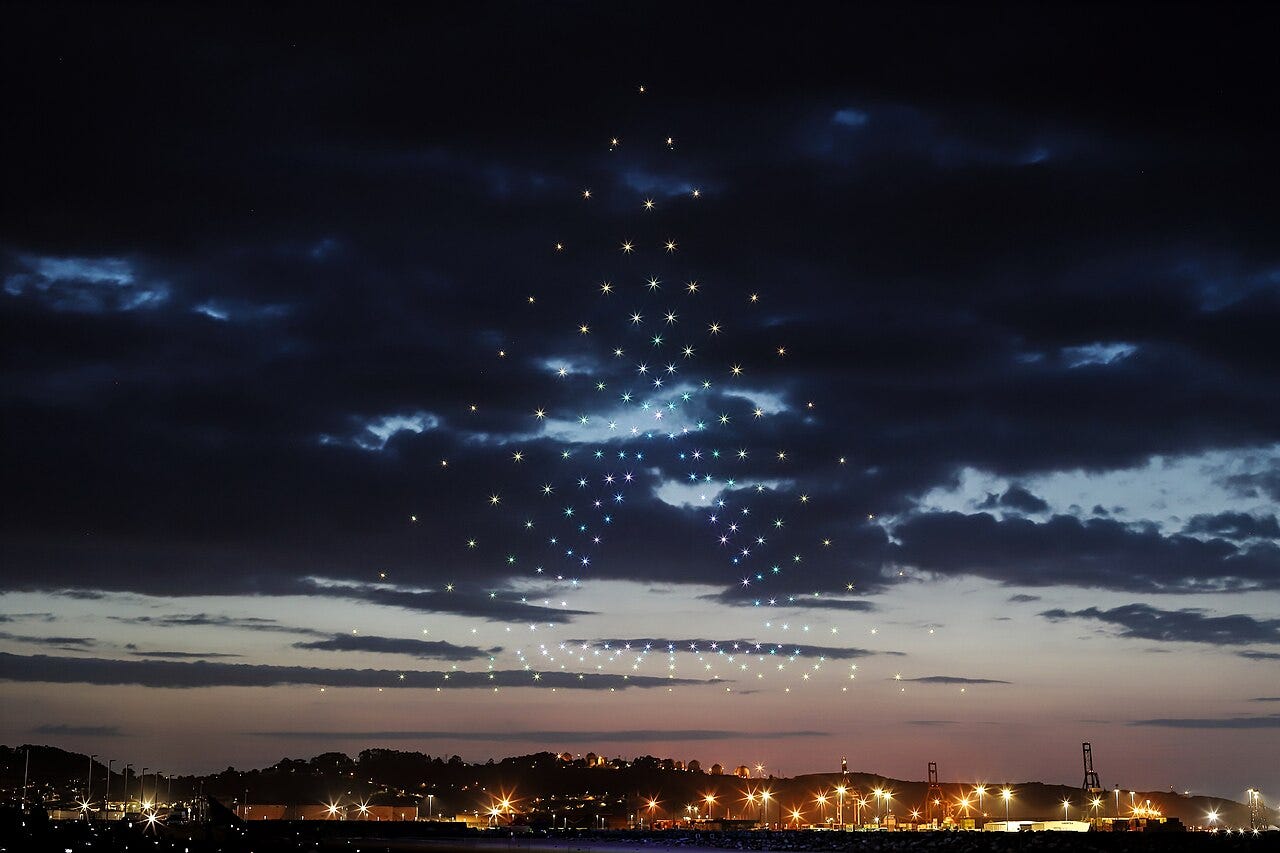
Photo by William Rudolph on Unsplash
Trump Threatens to Destroy Iran’s Bridges and Power Grid as Hormuz Crisis Shatters Ceasefire
Renewed U.S. strikes, a restored naval blockade, the collapse of diplomacy, and disruption in the Strait of Hormuz push Washington and Tehran closer to a prolonged regional conflict with global economic consequences.
The confrontation between the United States and Iran goes through a dangerous new phase as military exchanges intensify, diplomatic efforts unravel, and economic uncertainty spreads across global markets.
What had briefly appeared to be a pathway toward de-escalation following a memorandum of understanding reached only weeks earlier rapidly deteriorated into renewed conflict.
Fresh American airstrikes, retaliatory Iranian attacks, escalating rhetoric from President Donald Trump, and growing disruption to commercial shipping in the Strait of Hormuz combined to create one of the most volatile moments in the crisis. Against this backdrop, Trump’s increasingly forceful threats — including promises to target Iranian civilian infrastructure if Tehran refused to resume negotiations — highlighted both the mounting pressure on Iran and the absence of a clear strategy for bringing the conflict to a lasting conclusion.
The latest escalation unfolded after several days of renewed hostilities between the two countries. American military forces conducted extensive strikes against Iranian targets, while Iran responded with missile and drone attacks directed at U.S. positions and regional partners.
Commercial vessels operating near the Strait of Hormuz became increasingly vulnerable as both sides sought to demonstrate their ability to shape the strategic balance in one of the world’s most important maritime corridors. The deterioration of security conditions immediately affected shipping traffic and sent energy markets sharply higher, reinforcing the global significance of a conflict that extends far beyond the Middle East.
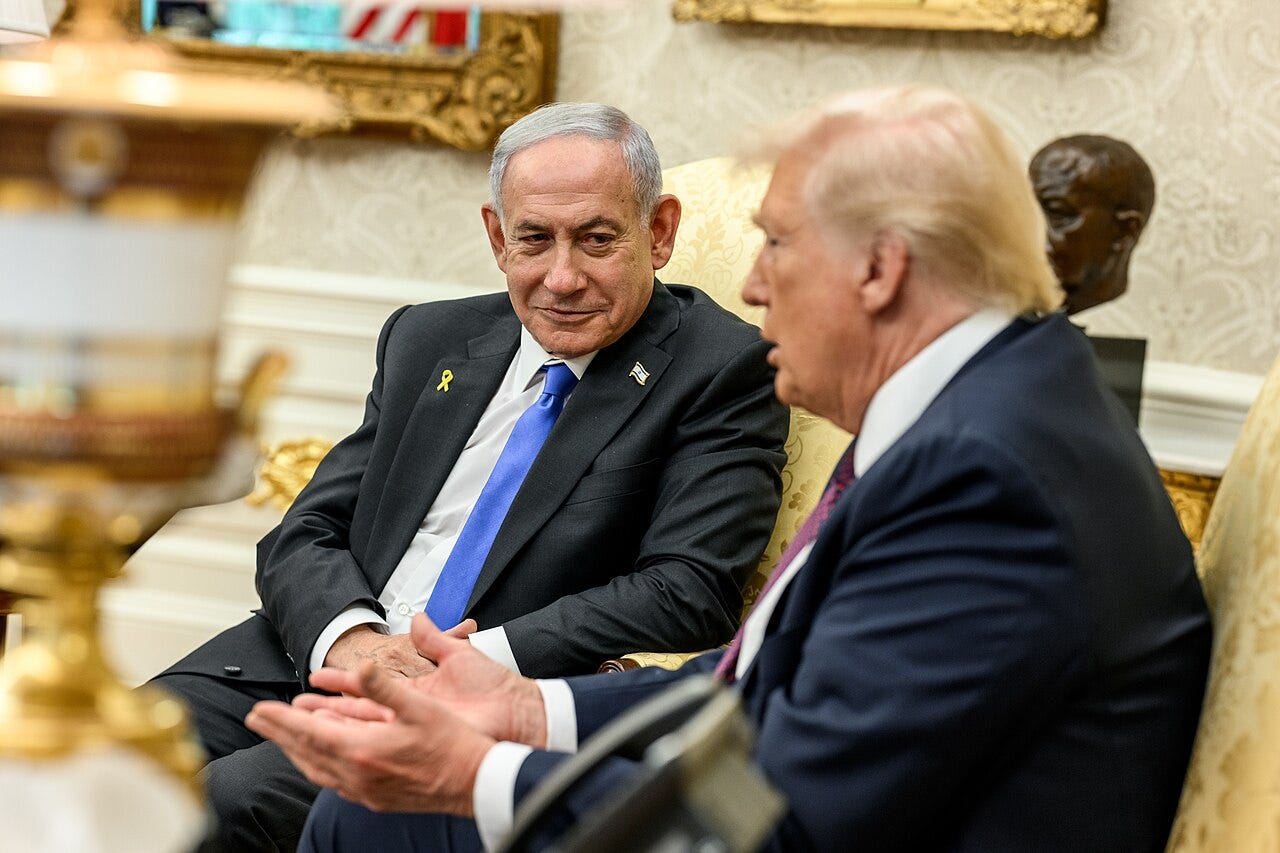
President Trump’s public statements reflected an increasingly confrontational posture. During a televised interview, he warned that unless Iran returned to negotiations, the United States would begin targeting bridges, electrical infrastructure, and eventually energy facilities.
He stated that the following week would become dramatically worse for Iran if no agreement was reached, asserting that American forces would destroy the country’s power plants and bridges unless Iranian leaders came back to the negotiating table. According to Trump, American negotiators had already delivered a direct warning to Tehran that failure to make a deal would leave the country with very little remaining.
These remarks revived concerns that had already emerged months earlier when Trump had first suggested attacks on civilian infrastructure. International humanitarian law places strict limitations on military operations involving civilian objects.
The Geneva Conventions prohibit attacks against facilities indispensable to the survival of civilian populations, and United Nations human rights officials have previously emphasized that deliberately targeting civilian infrastructure may constitute a war crime. Trump’s willingness to publicly threaten such targets therefore generated renewed legal and diplomatic criticism alongside concerns about the potential humanitarian consequences of any expanded military campaign.
The military confrontation itself had already widened beyond direct exchanges between Washington and Tehran. U.S. Central Command announced that it had carried out another large wave of strikes aimed at degrading Iran’s capacity to threaten commercial shipping operating near the Strait of Hormuz.
American officials argued that the attacks focused on military capabilities connected to Iran’s efforts to interfere with maritime commerce and threaten civilian vessels. According to the U.S. military, dozens of military objectives were struck during a prolonged operation lasting several hours.
Iran responded by expanding its own military activities throughout the Gulf region. State media reported missile and drone attacks against American assets located in Jordan, Kuwait, and Bahrain.
Kuwaiti authorities acknowledged intercepting hostile drones, while Bahrain activated nationwide air raid sirens and instructed residents to seek shelter. These developments demonstrated that the conflict was no longer confined to Iranian territory but increasingly threatened regional stability, placing neighboring states in the middle of a growing confrontation between Washington and Tehran.
The maritime dimension of the conflict became equally significant. The Strait of Hormuz serves as one of the world’s most strategically important waterways, through which approximately one-fifth of global oil and liquefied natural gas supplies pass.
Any disruption to shipping in the narrow channel immediately reverberates through international energy markets, global supply chains, and the broader world economy. As military operations intensified, shipping companies became increasingly cautious, tanker movements slowed dramatically, and insurance costs rose sharply. Vessel tracking data indicated that commercial traffic through the strait had fallen to its lowest level in months as operators sought to minimize exposure to military threats.
Both governments accused the other of endangering civilian shipping. American military officials alleged that Iran had intentionally targeted commercial vessels operating in the region, resulting in civilian casualties among merchant crews.
They claimed several commercial ships had been attacked, leading to deaths, injuries, and missing personnel. The United Arab Emirates also reported that two of its tankers had been struck by Iranian cruise missiles, killing one crew member and injuring several others.
Iran’s Islamic Revolutionary Guard Corps acknowledged striking two tankers but argued that the vessels had ignored warnings, disabled their navigation systems, and attempted to transit through a mined route despite repeated instructions. Iranian officials portrayed the attacks as legitimate military enforcement measures rather than indiscriminate assaults on civilian shipping.
The competing narratives reflected the broader information war accompanying the military confrontation, with each side seeking to justify its actions while assigning responsibility for escalating risks to international commerce.
Against this military backdrop, President Trump introduced one of the most controversial proposals of the conflict. He announced that every commercial vessel transiting the Strait of Hormuz — including ships belonging to American allies — would be required to pay a twenty percent fee to compensate the United States for providing maritime security.
Trump argued that Washington was effectively protecting one of the world’s most important trade routes while other countries benefited without sharing the costs. He declared that the United States had become the guardian of the strait and therefore deserved reimbursement for maintaining safe navigation through such a volatile region.
The proposal immediately generated widespread criticism. Maritime experts, shipping companies, and legal authorities questioned whether any nation could legitimately impose unilateral tolls on passage through an international waterway.
The International Maritime Organization reiterated the longstanding principle that transit through international straits should remain free from obstruction, unnecessary interference, or financial charges. Freedom of navigation has long been regarded as a foundational element of international maritime law, particularly in waterways essential to global commerce.
Shipping companies also rejected the proposal.
Industry representatives argued that the Strait of Hormuz differs fundamentally from canals such as the Suez Canal or Panama Canal, where tolls reflect infrastructure investments and maintenance costs.
By contrast, Hormuz is a naturally occurring international waterway governed by established international legal principles rather than privately managed infrastructure. Imposing fees for passage would therefore establish a precedent with potentially profound implications for global maritime commerce.
Iran responded with a mixture of criticism and irony. Foreign Minister Abbas Araghchi remarked sarcastically that if security providers deserved compensation for protecting commercial shipping, then Iran itself should receive payment because it had historically acted as the guardian of the strait.
While mocking Trump’s proposal, Iranian officials simultaneously reaffirmed their longstanding assertion that Iran possesses both geographic and strategic influence over navigation through Hormuz. Tehran argued that American military intervention undermined rather than enhanced maritime security and accused Washington of attempting to dominate a waterway situated directly alongside Iran’s coastline.
Within twenty-four hours, however, Trump abandoned the toll proposal entirely. Rather than charging shipping companies directly, he announced that the United States would instead pursue major trade and investment agreements with Gulf states, implying that enhanced economic partnerships would replace the proposed reimbursement mechanism.
According to Trump, Gulf allies would make substantial investments in the American economy while benefiting from continued U.S. security guarantees. Although he provided few details regarding the structure of these agreements, the reversal represented a striking policy shift occurring almost immediately after the original announcement.
The rapid retreat fueled questions regarding the administration’s overall strategy. Analysts observed that the proposal appeared to have been introduced without extensive consultation before being discarded following objections from regional partners and international criticism.
Trump later acknowledged receiving numerous calls from Gulf leaders expressing concerns about the fee. His subsequent decision suggested sensitivity to allied objections, even as broader military operations continued to expand.
The reversal also exposed apparent inconsistencies within the administration’s broader legal and diplomatic position. Only weeks earlier, senior American officials had criticized Iranian suggestions regarding shipping charges in Hormuz, arguing that no nation possesses the legal authority to levy fees on passage through an international strait.
Trump’s own proposal therefore seemed difficult to reconcile with previous American interpretations of international maritime law. Critics argued that the administration risked undermining its own legal arguments by advocating policies it had recently condemned when proposed by Iran.
Underlying these policy reversals was the collapse of the memorandum of understanding negotiated only a month earlier. The agreement had produced a temporary ceasefire and established a framework for future negotiations regarding maritime security, sanctions relief, investment, and Iran’s regional activities.
Although intentionally broad and lacking detailed implementation mechanisms, it had raised hopes that sustained diplomacy might gradually reduce tensions.
Instead, disagreements over the Strait of Hormuz quickly exposed the agreement’s weaknesses. The memorandum envisioned a role for Iran in facilitating safe commercial navigation without charging fees while also promising future investment and movement toward sanctions relief.
Both governments initially portrayed the arrangement as a diplomatic success, yet fundamental disagreements regarding implementation remained unresolved. As negotiations stalled, isolated military incidents steadily eroded confidence until renewed hostilities effectively rendered the agreement meaningless.
Trump’s announcement reinstating the American naval blockade of Iranian ports marked the practical end of the memorandum. The blockade, originally imposed months earlier before being lifted during negotiations, aimed to restrict Iranian maritime commerce and intensify economic pressure on Tehran.
American officials argued that renewed restrictions were necessary after Iran failed to fulfill its commitments. Iranian leaders countered that Washington had violated the agreement first through military operations and coercive economic measures.
Iran’s deputy foreign minister argued that the renewed blockade effectively dismantled the previous understanding between the two countries.
He insisted that increasing military pressure and economic isolation would not compel Tehran to return to negotiations under unfavorable conditions. Instead, Iranian officials portrayed American actions as confirmation that Washington remained committed to coercion rather than genuine diplomacy.
For Trump, the collapse of negotiations recreated a familiar strategic dilemma. Militarily, the United States retained overwhelming superiority and continued degrading Iranian capabilities through repeated airstrikes.
Yet military success alone proved insufficient to achieve broader political objectives. Iran remained capable of threatening regional shipping, launching attacks against American interests and allies, and exploiting its geographic position along the Strait of Hormuz. Without a negotiated settlement or a far more extensive military campaign, Washington faced continuing instability rather than decisive resolution.
Foreign policy analysts increasingly characterized the conflict as a war of attrition. Although Iran had suffered substantial military losses and severe economic damage, it retained sufficient capabilities to prolong the confrontation indefinitely.
Likewise, while the United States could continue imposing military and economic costs, completely eliminating Iran’s capacity to disrupt regional security would require escalation carrying enormous political, military, and financial risks.
The domestic political implications for the Trump administration further complicated decision-making. The president had repeatedly campaigned against prolonged military engagements in the Middle East, criticizing previous administrations for involving the United States in costly “forever wars.”
Many of Trump’s supporters remained skeptical of expanding military commitments overseas and favored focusing resources on domestic priorities. A prolonged confrontation with Iran therefore threatened to conflict with one of the central themes that had defined Trump’s political identity.
Economic considerations added further pressure. Rising oil prices immediately followed renewed fighting and uncertainty surrounding Hormuz. Brent crude climbed sharply as traders anticipated potential supply disruptions affecting global energy markets. Since higher fuel prices typically feed into broader inflation, prolonged instability risked undermining improving economic indicators that had recently benefited the administration politically.
The timing proved especially significant given approaching congressional elections. Earlier declines in consumer inflation had strengthened the administration’s economic narrative. Renewed conflict threatening higher gasoline prices and increased transportation costs could reverse that trend, exposing Republican candidates to criticism over both foreign policy and the domestic cost of living. The relationship between Middle Eastern instability and American economic performance thus became increasingly central to the administration’s calculations.
Trump nevertheless sought to maintain pressure by emphasizing additional potential military targets. Among the possibilities discussed was a heavily fortified Iranian nuclear research facility built deep beneath mountainous terrain south of Tehran. Military analysts debated whether existing American bunker-penetrating weapons could effectively damage such hardened underground installations. Questions also remained regarding the actual significance of the site within Iran’s broader nuclear infrastructure. Even if successfully attacked, many experts doubted such strikes alone would fundamentally alter Iran’s strategic calculations.
Meanwhile, Iran confronted its own mounting pressures. Renewed blockade measures threatened oil exports that remain essential to the country’s economy and government revenues. Continued American airstrikes highlighted weaknesses in Iran’s air defense capabilities while exposing sensitive military installations to repeated attack. Yet despite these disadvantages, Iranian leaders demonstrated continued willingness to absorb substantial costs rather than accept negotiations perceived as compromising national sovereignty or strategic interests.
Regional governments found themselves balancing competing priorities. Gulf states depended heavily upon uninterrupted maritime commerce while simultaneously relying on American security partnerships. They therefore sought to avoid further escalation even as they supported efforts to maintain freedom of navigation. Trump’s decision to replace shipping fees with promises of expanded investment agreements reflected both American recognition of allied concerns and the continuing importance of Gulf cooperation for broader regional strategy.
International observers increasingly concluded that neither side possessed an obvious pathway toward decisive victory. The United States could continue applying military and economic pressure, but Iran retained enough leverage through geography, asymmetric capabilities, and regional influence to resist outright capitulation. Conversely, Iran could impose meaningful costs on American interests and global markets but lacked the capacity to compel Washington to abandon its broader objectives. This strategic stalemate encouraged periodic escalation without bringing either side substantially closer to a lasting settlement.
The collapse of the memorandum of understanding also demonstrated the difficulty of sustaining agreements that postpone rather than resolve fundamental disagreements. Questions surrounding sanctions, Iran’s nuclear activities, regional influence, maritime security, and freedom of navigation remained largely untouched beneath the temporary ceasefire. Once implementation encountered practical disputes, the absence of detailed mechanisms for resolving disagreements quickly became apparent.
Ultimately, the renewed confrontation illustrated how military operations, economic coercion, diplomacy, domestic politics, international law, and global energy security had become inseparably intertwined. Trump’s increasingly forceful rhetoric, including threats against civilian infrastructure, reflected growing frustration with the lack of diplomatic progress while simultaneously raising concerns about possible further escalation. His abrupt reversal on shipping fees suggested tactical flexibility but also highlighted uncertainty regarding the broader strategic direction of American policy.
As both governments intensified military operations while leaving open the possibility of renewed negotiations, the conflict appeared trapped between escalation and diplomacy without a clear route toward either decisive victory or durable peace. Shipping remained disrupted, energy markets remained volatile, regional allies remained vulnerable, and the political calculations confronting leaders in both Washington and Tehran became increasingly complex.
Although future talks remained possible, the fundamental disputes that had driven months of confrontation — including control of the Strait of Hormuz, Iran’s regional role, sanctions, and nuclear ambitions — remained unresolved. In that sense, despite dramatic military actions, shifting economic proposals, and repeated declarations from both governments, the crisis ended this phase much as it had begun: with neither side prepared to concede its essential objectives and with the prospect of further confrontation remaining all too real.
Sources:
메타데이터
- post_id
- 3c19aa4c96da
- slug
- trump-threatens-to-destroy-irans-bridges-and-power-grid-as-hormuz-crisis-shatters-ceasefire-3c19aa4c96da
- url
- https://medium.com/the-geopolitical-economist/trump-threatens-to-destroy-irans-bridges-and-power-grid-as-hormuz-crisis-shatters-ceasefire-3c19aa4c96da
- canonical_url
- https://medium.com/the-geopolitical-economist/trump-threatens-to-destroy-irans-bridges-and-power-grid-as-hormuz-crisis-shatters-ceasefire-3c19aa4c96da
- author_url
- https://medium.com/@v.langston.journalist
- status
- ok
- fetched_at
- 2026-07-17 06:05:59