Joseph: The Enslaved Prisoner Who Became a Prince of Kemet
Joseph: The Enslaved Prisoner Who Became a Prince of Kemet



A literary retelling based on Genesis 37 – 50
From being sold as a slave by his own brothers because of their jealousy against him; being sexually harassed by the wife of his master; being falsely accused of sexual misconduct by her; being unjustly jailed on defamation and false allegations; and finally being rehabilitated and made Prince and the Vizir (Prime Minister of Kemet) by the Pharaoh; the story of Joseph is a testament of Integrity, Moral Strength of Character, Resilience, Wisdom and Justice.
Joseph was seventeen when the dreams began. In the quiet hills of Canaan, Joseph walked among his brothers like a spark among dry leaves. His father loved him more than the others; and love, when unevenly given, can wound as deeply as hatred. They saw the robe, heard the dreams of stars bowing and sheaves bending, and in their hearts resentment hardened into resolve.
One day, beneath a merciless sky, they stripped him of his robe and sold him to traders bound for Kemet. As the caravan pulled away, Joseph’s cries faded into the desert wind. Behind him lay betrayal. Before him, a path only God could see.
Kemet was a world of stone, sun and gods. Joseph was sold into the house of Potiphar, an officer of Pharaoh. There, something unseen worked in his favor. Whatever Joseph touched prospered. Crops grew fuller. Accounts balanced. Order replaced chaos. Potiphar noticed. Soon Joseph oversaw everything. But power in a house invites attention, and Potiphar’s wife watched him.
Day after day, her words came soft and dangerous: ‘’Lie with me.” Joseph refused. Not out of fear – but loyalty. To his master. To his God. To himself. He refused to be turned into a sex toy without his consent. Usually it is men who are accused of sexual misconduct and harassment. In the case of Joseph; it was him the victim; it was the woman harassing him… But in Kemet and many African nations, unlike in most of human societies at times, women enjoyed real powers that could made them expressed not only their rights but also their desires, even over free men they could control. Joseph was in the position of submission; that of a slave. Potiphar’s wife wanted to abuse her powers on him.
One day, the house stood empty except for them. She seized his cloak and demanded again. He was literally assaulted. Joseph fled, leaving the garment behind – choosing disgrace over sin.
But she turned rejection into revenge. When her husband returned, she held up the cloak like evidence and spun a lie sharp enough to cut truth apart. The perpetrator turned herself into the victim. A total defamation conspiracy based on false allegations that couldn’t be denied given the evidence she showed up: his garnement. The evidence was compelling against him. Potiphar’s anger burned hot and fast. Joseph was sent to prison.
Then the prison turned to be without chains. Indeed prison should have broken him. It did not. Even there, Joseph’s presence changed things. The warden trusted him. Soon Joseph managed prisoners, records, order – everything but his own freedom.
One night, two prisoners dreamed. The cupbearer and the baker of Pharaoh’s court woke trembling. Dreams in Kemet were never small things.
Joseph listened. ‘’The interpretations belong to God,” he said quietly. He told the cupbearer he would be restored. He told the baker he would die. Both came true.
As the cupbearer prepared to leave, Joseph spoke quickly, hope breaking through years of silence: ‘’Remember me. I was stolen from my land. I have done nothing to deserve this prison.” The cupbearer forgot. Two years passed.
Two years of waiting. Two years of silence. Two years of God working invisibly.
The Dreams of a King then broke the silence. Then Pharaoh dreamed. Seven fat cows rose from the Nile. Seven thin cows devoured them. Seven full heads of grain grew. Seven thin heads swallowed them. None could explain it. Then memory stirred in the cupbearer like a long-buried seed. Joseph was shaved, washed, and rushed from the prison into the throne room.
Pharaoh spoke: ‘’ I hear you can interpret dreams.” Joseph answered with calm humility: ‘’I cannot. But God can.”
The court stilled. Joseph spoke of seven years of abundance followed by seven years of famine. But he did more – he offered an economic plan. Store grain. Prepare. Survive what is coming. Pharaoh saw something greater than intelligence. He saw wisdom – the kind that steadies nations. ‘’Can we find anyone like this man, in whom is the spirit of God?” Pharaoh said.
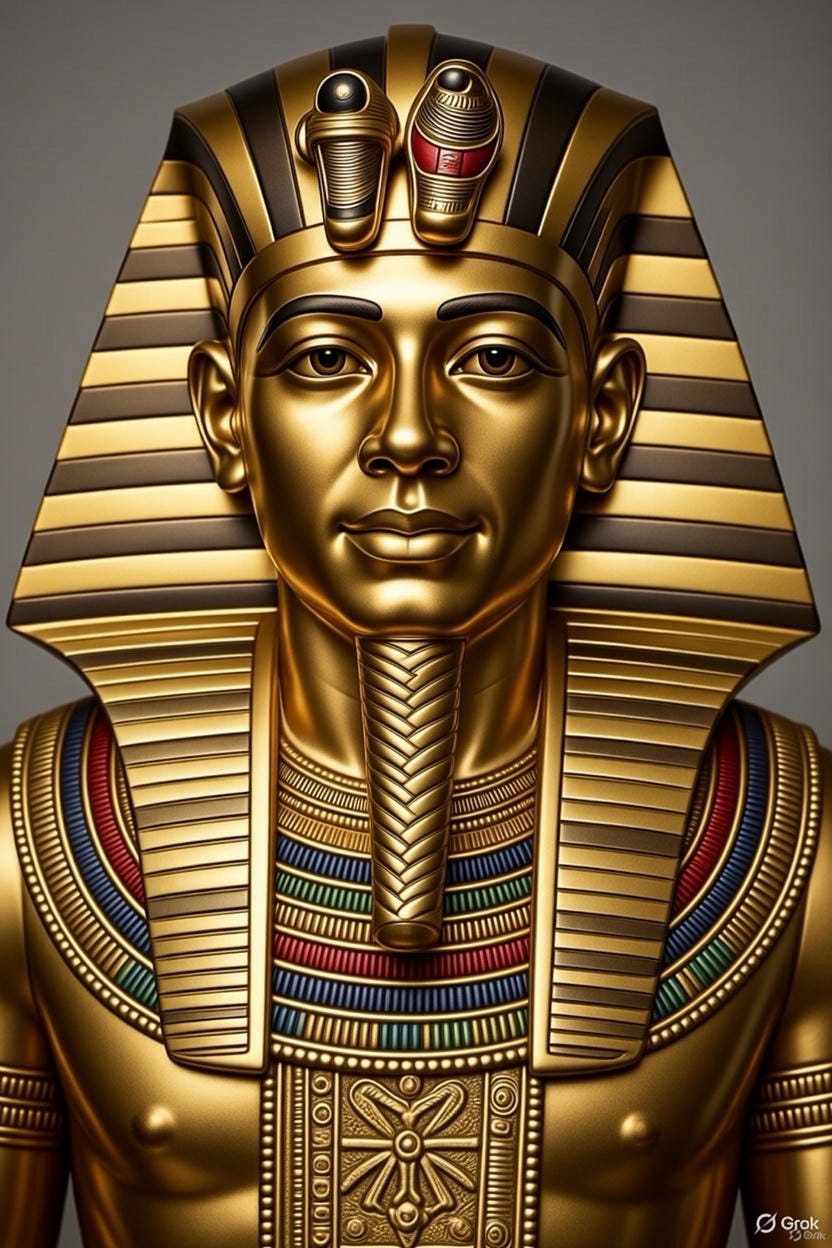
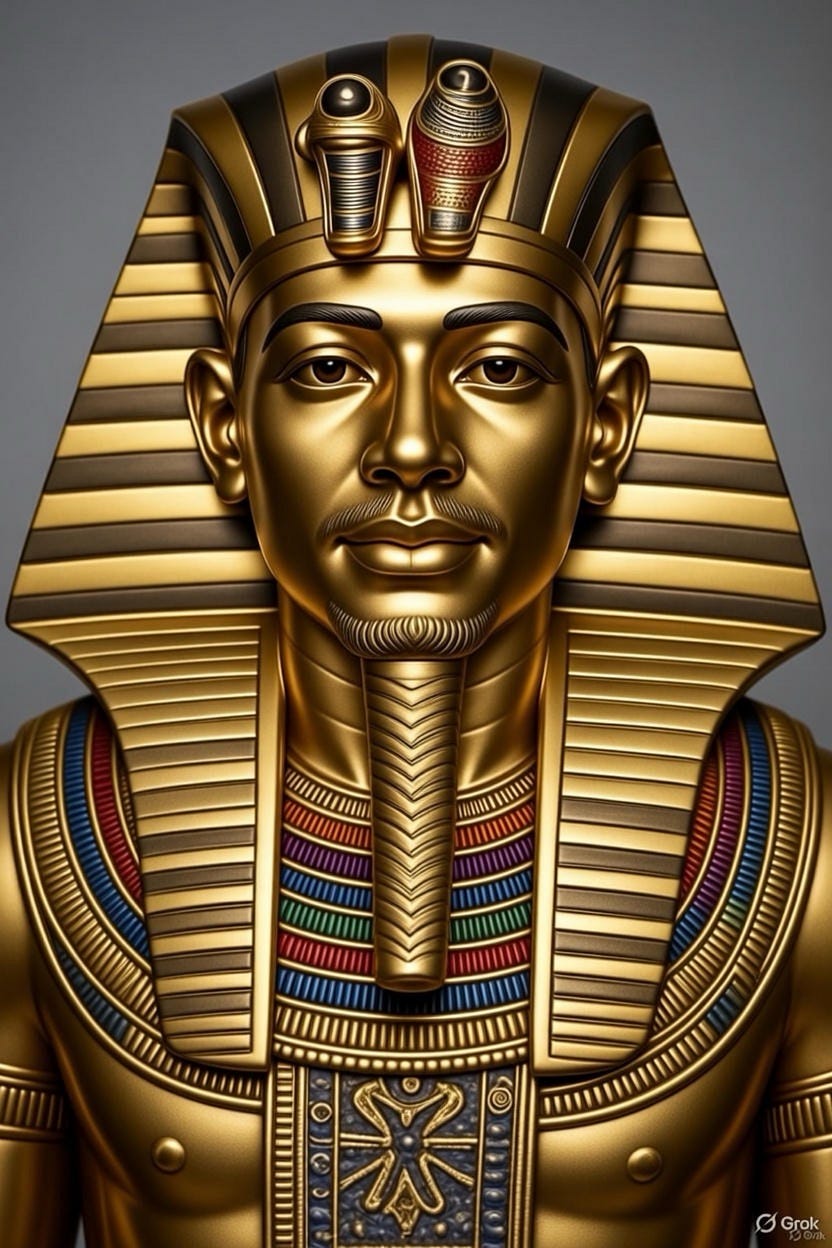
And just like that, the prisoner stood up as a prince. Pharaoh placed his ring on Joseph’s hand. Fine linen replaced prison cloth. A gold chain rested on his neck. ‘’Only in the throne will I be greater than you.”
From suffering to Salvation, Joseph rode through Egypt in power, but memory never left him. He stored grain during abundance. When famine came, nations came to Egypt to live. Among them came his brothers – starving, desperate, unaware they stood before the brother they had betrayed and sold as a slave.
Joseph wept in secret before revealing himself. ‘’I am Joseph,” he said. Terror filled them. But Joseph spoke words that would echo through history: ‘’You meant evil against me. But God meant it for good – to save many lives.”
The shape of the story; Joseph’s life became a living paradox:
- Betrayed – yet chosen
- Accused – yet innocent
- Imprisoned – yet being prepared
- Doing good to others – yet being repaid with ingratitude and evil
- Forgotten – yet remembered by God
- Lowered – so he could be raised higher than he imagined
And in Kemet, beneath foreign stars, Joseph – once thrown into a pit – stood as the man who saved nations from hunger.
We should never dehumanize people no matter what is said about them, even if they were convicted in court and jailed. Every human being deserves their chance to be rehabilitated in the society. However this doesn’t justify the excuse of letting abusers controlling power in society at the expense of their victims…
Being rejected, betrayed, mobbed, blackmailed, defamed, falsely accused, abused, and even convicted, and jailed doesn’t necessarily mean being a vilain or an evildoer. There are people of very exceptional character, wisdom, intelligence and integrity who were jailed. Nelson Mandela is one of them.

And there are many abusers and real dangerous people who have never been convicted of any offence and who have never been jailed while they have caused many deaths of innocent people, many crimes and other serious offences and harms to innocent people. Those abusers are often untouchable and above laws; they are the champions of dehumanizing their victims… often by abusing government institutions throughout their access and influence…
Some of the lessons of being a True Joseph are you learn that jealousy, envy, betrayal, smearing, defamation, humiliation and injustice are part of the process; and that humility, resilience and Justice are part of the outcomes…
The most important on being a True Joseph is that your character doesn’t depend on what people say, think or do about you; it doesn’t depend on your status, job, place of birth or what you have.
Because being a slave, a prisoner or a prince doesn’t make who you are. It makes what you are; and what you are doesn’t define your character. It defines what qualities you in the society in the eyes of others; not in your essence as a human being…
Like Joseph, you can be all of what is defined as each of categories in society without losing your dignity… Every human being deserves the same dignity, no matter what they are… Because what really matters is Who they are.
Finally with Joseph; Kemet administers a magistral lesson of social mobility to today « civilized and advanced modern societies ». A foreigner slave and prisoner made a Prince and Prime Minister! He was less than an immigrant; yet he was made a Prince thanks to his merits although all of the smearing and defamation that made him excluded from society.
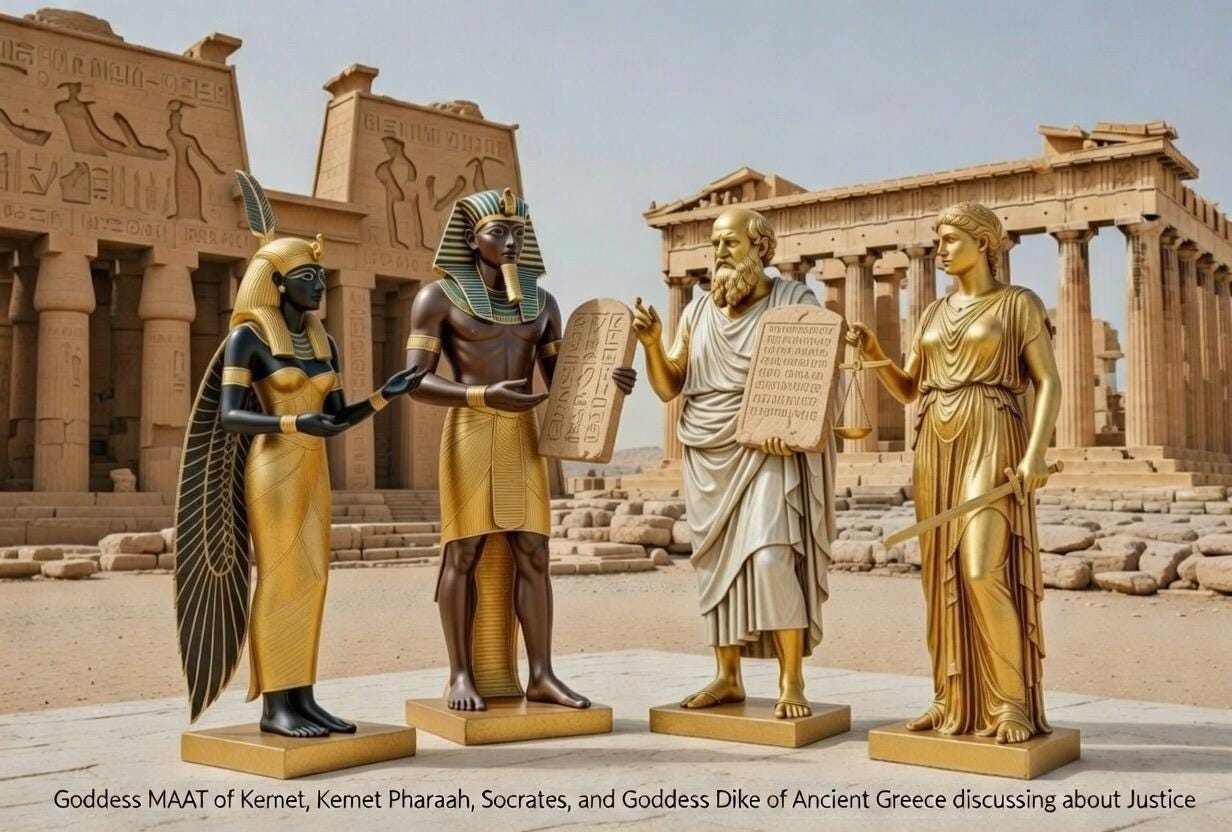
Justice (MAAT), which embodies the essence of the Joseph story, reminds us that without it; no human society can be truly and really human…
Being Joseph is really a very traumatizing experience: people prosper with your ideas while everything is done to destroy you; you do good to people who reward you with ingratitude until Justice from the Pharaoh (the True one) comes to your rescue…
What from Joseph’s story can be lessons to apply to corporate governance, business development, organizational leadership and nation building?
What is sure in real life; for individuals, organizations or nations; «Cheap wickedness» never makes anyone prosperous. Because the reward comes at the destruction cost… Many often just justify their reckless patterns by rejecting « moralistic virtue and practices » in business and politics because the Machiavellian paradigm is the norm…
Yet an individual, an organization or a human society that is driven by the « Machiavellian paradigm » can be very efficient in the short term but will never stand the test of long time. Human civilizations that have endured such test of long time are those whose both the foundation and functioning weren’t grounded on the Machiavellian paradigm…
Of course not everything in the Prince of Machiavelli is pure evil. Many don’t understand the context that pushed Machiavelli to write his book, which describes factual practices of power based on his experience of very erratic society of his time, which reflects some of the current societal trends and patterns even today… So people would accept the fact that the human society is driven by the patterns of « Homo homini lupus est »; and that to survive such society; you have no choice to be Machiavellian…
Now, never be naive: face to people and a world whose patterns are viscerally and viciously Machiavellic; you won’t survive them by being a sheep 🐑 in the menu on their table…
In our Ancestors’ Principles, Values and Traditions of MAAT; there are very efficient rules – far more effective than the Machiavellian paradigm – to deal with people and a world founded on «Cheap wickedness».
In fact, while MAAT is the essence and substance of the foundation of society stability and aim, which define the mandate and mission of the State or the Crown represented by the function of the Pharaoh; the cobra 🐍 and falcon are among animal totems and allegories reminding people what could become the power of the Pharaoh (the Crown or State) in restoring MAAT (Restoring Justice and enforcing law)…
Thutmoses III well demonstrated how to deal with such situation by applying such rules… Because in our Ancestors’ heritage; the aim is not about surviving wicked people; it is about restoring MAAT over ISFET to better the human society… A lesson for our today world, even in business and nation building…
메타데이터
- post_id
- 3c2bdb0d9d6f
- slug
- joseph-the-enslaved-prisoner-who-became-a-prince-of-kemet-3c2bdb0d9d6f
- url
- https://medium.com/@josephkamandakimonambinga/joseph-the-enslaved-prisoner-who-became-a-prince-of-kemet-3c2bdb0d9d6f
- canonical_url
- https://medium.com/@josephkamandakimonambinga/joseph-the-enslaved-prisoner-who-became-a-prince-of-kemet-3c2bdb0d9d6f
- author_url
- https://medium.com/@josephkamandakimonambinga
- status
- ok
- fetched_at
- 2026-07-13 06:23:13